Understanding Heavy Menstrual Bleeding: Causes and Solutions
Explore the causes, symptoms, and treatments of heavy menstrual bleeding to better understand this common health issue.
By True Impact Health Editorial Team

Medical graduate of Girne American University with a focus on patient-centred care, clinical assessment and preventive health.
Reviewed this article on November 11, 2026.
View profile How we reviewUpdated on November 10, 2026 11 min read

Table of Contents
Key Takeaways
- Heavy menstrual bleeding can affect quality of life.
- It may be caused by hormonal imbalances, fibroids, or other factors.
- Effective treatments are available, ranging from lifestyle changes to medical procedures.
- Consulting a healthcare provider is crucial for proper diagnosis and management.
Heavy menstrual bleeding, known medically as menorrhagia, is a common condition that affects many women at some point in their lives. It is characterized by excessive blood loss during menstruation, often leading to discomfort and a range of emotional and physical challenges. While periods can vary greatly from woman to woman, heavy menstrual bleeding is distinct in its severity and impact.
Understanding heavy menstrual bleeding is crucial not only for those who experience it but also for their friends, family, and healthcare providers. This guide aims to explore the causes, symptoms, and treatments of heavy menstrual bleeding, providing practical information for those seeking to manage this condition effectively.
Recognizing the signs of heavy menstrual bleeding is the first step toward addressing it. Symptoms may include soaking through one or more sanitary pads or tampons every hour for several consecutive hours, bleeding that lasts longer than seven days, and the need to change pads or tampons during the night. If these symptoms sound familiar, it might be time to take a closer look.
What Is Heavy Menstrual Bleeding?
Heavy menstrual bleeding is defined as menstrual bleeding that is significantly heavier than normal. The average menstrual cycle lasts about 28 days, with periods typically lasting between three to seven days. For women experiencing menorrhagia, the blood loss can be excessive, leading to various complications.
Menorrhagia can result from several underlying issues, including hormonal imbalances, structural problems in the uterus, or medical conditions. It is important to note that while the condition itself is not uncommon, the experience can be deeply personal and varies widely among individuals.
Understanding the characteristics of heavy menstrual bleeding can help women differentiate between normal menstrual flow and menorrhagia. Some common indicators include:
- Bleeding that requires changing a pad or tampon every hour for several hours.
- Menstrual periods that last longer than a week.
- Passing blood clots larger than a quarter.
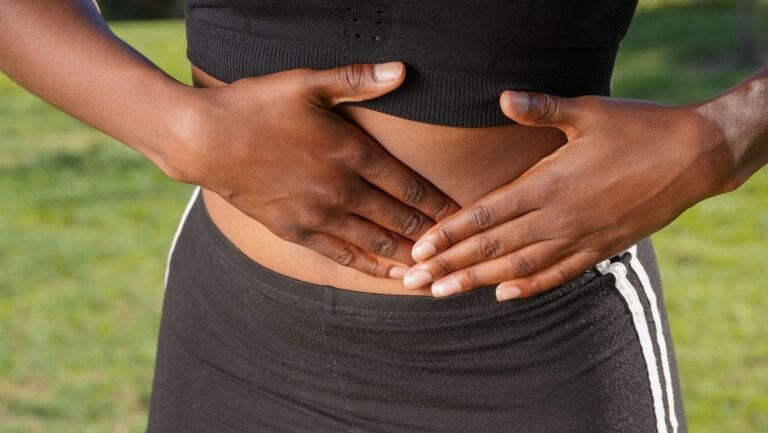
- Severe cramping or pain during menstruation.
- Fatigue or shortness of breath due to blood loss.

Causes of Heavy Menstrual Bleeding
The causes of heavy menstrual bleeding can be diverse. Identifying the root cause is essential for effective treatment. Here are some of the most common causes:
Hormonal Imbalances
Hormonal fluctuations are a leading cause of heavy menstrual bleeding. Estrogen and progesterone are the primary hormones regulating the menstrual cycle. An imbalance in these hormones can lead to an overgrowth of the uterine lining, resulting in heavier and prolonged periods.
Conditions such as polycystic ovary syndrome (PCOS) can affect hormone levels, contributing to irregular or heavy periods. Women experiencing hormonal issues should consult a healthcare provider for evaluation and management.
Uterine Fibroids and Polyps
Uterine fibroids are non-cancerous growths in the uterus that can cause heavy menstrual bleeding. These growths can vary in size and may lead to increased pressure and discomfort. Similarly, uterine polyps, which are small growths on the uterine lining, can also contribute to heavy bleeding.
Both fibroids and polyps are common among women of reproductive age, and their presence can significantly impact menstrual patterns. A thorough examination, often including imaging tests, is required for proper diagnosis.
Other Medical Conditions
Several medical conditions can contribute to heavy menstrual bleeding. Conditions such as endometriosis, adenomyosis, and certain bleeding disorders can all lead to increased menstrual flow. Endometriosis occurs when tissue similar to the lining of the uterus grows outside of it, resulting in painful and heavy periods.
Additionally, medical conditions like thyroid disorders and liver disease can affect menstrual cycles. It is important for women to discuss their symptoms with a healthcare provider to determine if an underlying condition may be contributing to heavy menstrual bleeding.
Symptoms and Impact on Daily Life
Heavy menstrual bleeding can significantly impact a woman’s daily life, affecting both physical and emotional well-being. Recognizing the symptoms can help women seek appropriate care and support.
Physical Symptoms
Women experiencing heavy menstrual bleeding may face a range of physical symptoms, including:
- Severe cramping and pelvic pain.
- Fatigue due to blood loss.
- Shortness of breath or dizziness, particularly if blood loss is significant.
- Frequent changes of sanitary products, leading to discomfort and inconvenience.
These physical symptoms can interfere with daily activities, including work, exercise, and social interactions.
Emotional Symptoms
The emotional toll of heavy menstrual bleeding can be profound. Women may experience anxiety, depression, or frustration due to the unpredictability of their cycles and the limitations imposed by their symptoms. Feelings of isolation may also arise, particularly if friends or family members do not understand the challenges associated with heavy menstrual bleeding.
Additionally, women may feel embarrassed or uncomfortable discussing their symptoms with others, further contributing to emotional distress.
Social and Lifestyle Impact
Heavy menstrual bleeding can affect social interactions and lifestyle choices. Women may avoid certain activities, such as exercising or traveling, due to fear of leakage or discomfort. This avoidance can lead to feelings of frustration and decreased quality of life.
For example, a woman may choose to skip a week-long vacation because she fears her heavy periods will make it difficult to enjoy herself. This kind of decision underscores the significant impact that heavy menstrual bleeding can have on personal and social life.

Diagnosis of Heavy Menstrual Bleeding
Diagnosing heavy menstrual bleeding involves a comprehensive evaluation by a healthcare provider. This process typically includes several steps:
Medical History and Symptoms
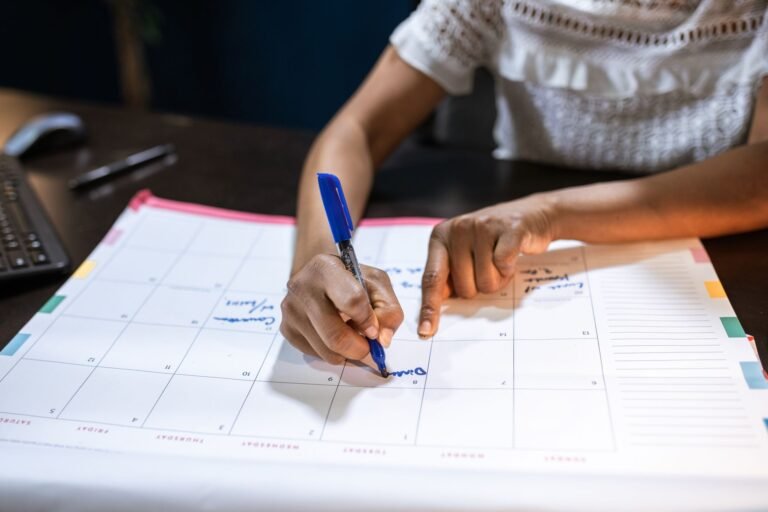
During the initial consultation, the healthcare provider will take a detailed medical history and inquire about the patient’s menstrual cycles. Questions may focus on the frequency, duration, and heaviness of periods, as well as any associated symptoms.
Women should be prepared to discuss any previous medical conditions, medications, and family history of bleeding disorders.
Physical Examination
A physical examination is often conducted to assess overall health and identify any signs of underlying conditions. This may include a pelvic exam to check for abnormalities in the reproductive organs.
Diagnostic Tests
If necessary, healthcare providers may recommend additional diagnostic tests, such as:
- Blood tests to check for anemia or hormonal imbalances.
- Ultrasound imaging to visualize the uterus and identify fibroids or polyps.
- Endometrial biopsy to examine the uterine lining for abnormalities.
These tests help determine the cause of heavy menstrual bleeding and guide treatment options.
Treatment Options for Heavy Menstrual Bleeding
Treatment for heavy menstrual bleeding depends on the underlying cause and the severity of symptoms. Options may vary from lifestyle changes to medical interventions.
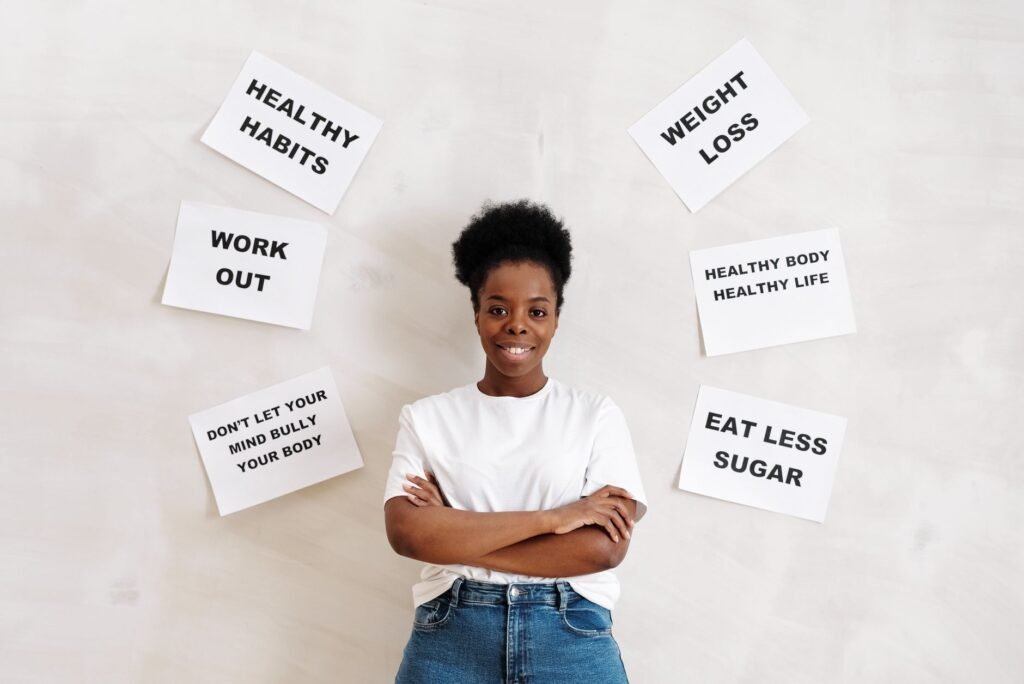
Lifestyle Modifications
For some women, lifestyle changes can help manage symptoms. Suggested modifications include:
- Maintaining a healthy diet rich in iron to combat fatigue.
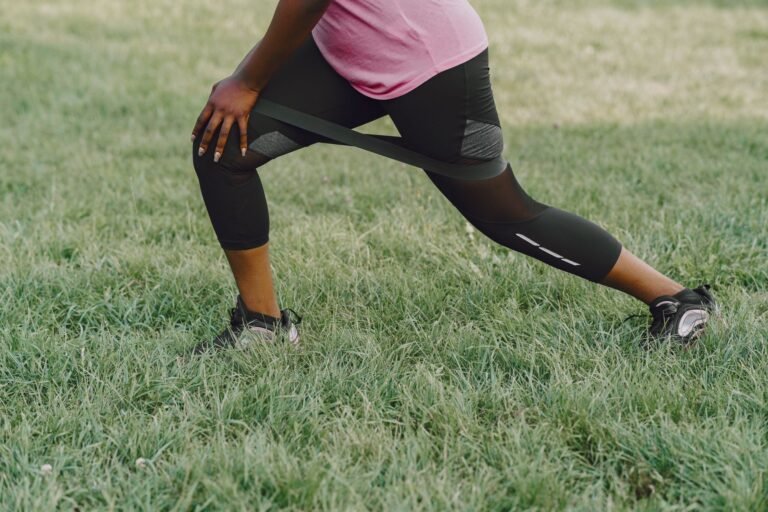
- Engaging in regular exercise to promote overall well-being.
- Practicing stress-reducing techniques, such as yoga or meditation.
These changes can help improve general health and may lessen the severity of heavy menstrual bleeding.
Medications
Medications are often prescribed to manage heavy menstrual bleeding. Common options include:
- Hormonal birth control methods, which can help regulate menstrual cycles and reduce bleeding.
- Non-steroidal anti-inflammatory drugs (NSAIDs), such as ibuprofen, to alleviate pain and reduce bleeding.
- Iron supplements for those experiencing anemia due to blood loss.
Consulting with a healthcare provider is crucial to determine the most appropriate medication based on individual symptoms and health history.
Surgical Interventions
In cases where medication and lifestyle changes are ineffective, surgical options may be considered. Procedures may include:
- Endometrial ablation, which involves removing the uterine lining to reduce or eliminate bleeding.
- Myomectomy, a surgery to remove uterine fibroids.
- Hysterectomy, the complete removal of the uterus, typically reserved for severe cases.
Women should discuss the risks and benefits of surgical interventions with their healthcare provider to make informed decisions.
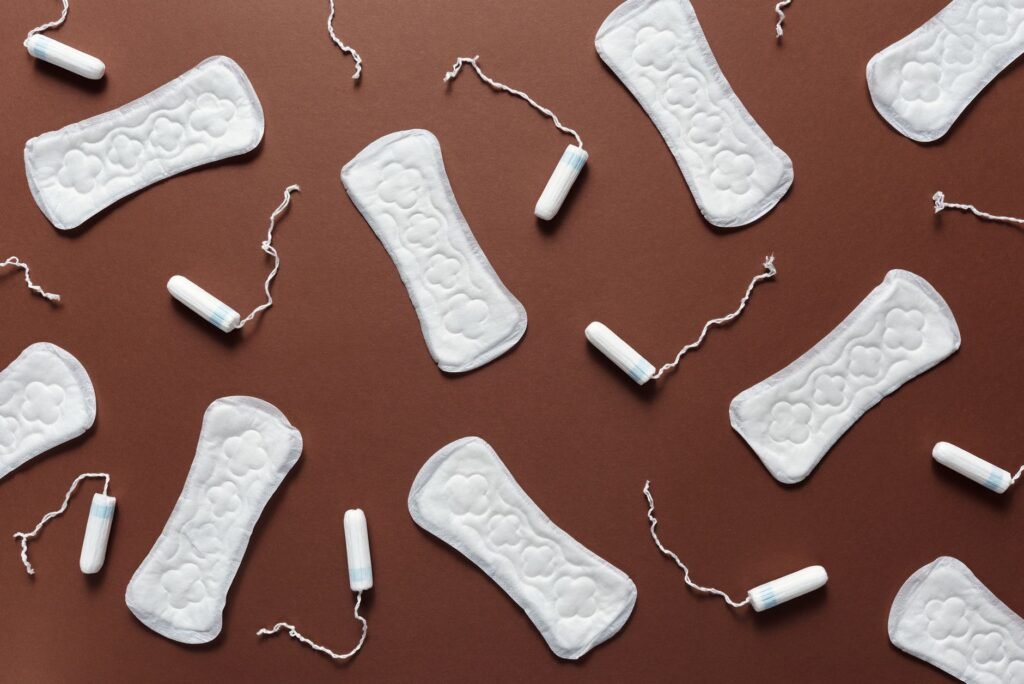
Understanding the Psychological Impact of Heavy Menstrual Bleeding
Emotional and Mental Health Effects
Heavy menstrual bleeding can significantly affect a woman’s emotional and mental well-being. The unpredictability and discomfort associated with heavy periods can lead to heightened anxiety and stress. Women may experience feelings of embarrassment or shame due to potential leaks or needing to frequently change sanitary products in public settings. This emotional burden can contribute to a decline in overall mental health, leading to conditions such as depression or anxiety disorders.
Furthermore, the ongoing nature of heavy bleeding can create a sense of helplessness and frustration. Women might feel overwhelmed by their menstrual cycle and its impact on their daily activities, relationships, and work life. This psychological toll emphasizes the need for comprehensive care that addresses not only the physical symptoms of heavy menstrual bleeding but also the associated emotional challenges.
Coping Strategies for Emotional Well-Being
To mitigate the psychological effects of heavy menstrual bleeding, women can employ several coping strategies. Here are some effective methods:
- Mindfulness and Relaxation Techniques: Practices such as meditation, deep breathing exercises, and yoga can help reduce anxiety and improve emotional resilience.
- Support Groups: Connecting with other women who experience similar challenges can provide a sense of community and understanding, alleviating feelings of isolation.
- Counseling: Professional therapy can assist in developing coping mechanisms and addressing any underlying mental health issues that may arise from experiencing heavy menstrual bleeding.
- Journaling: Keeping a journal can be an effective way to express feelings and track emotional responses to menstrual cycles, helping women to better understand their experiences.
By implementing these strategies, women can improve their emotional health and feel more empowered in managing their condition.
Dietary Considerations for Managing Heavy Menstrual Bleeding
Foods to Incorporate
Nutrition plays a crucial role in managing heavy menstrual bleeding. Certain foods can help alleviate symptoms and promote overall reproductive health. Incorporating the following foods into your diet can be beneficial:
- Leafy Greens: Vegetables like spinach and kale are rich in iron, which can help replenish lost iron during heavy bleeding.
- Lean Proteins: Foods such as chicken, fish, and legumes provide essential nutrients that support overall health and energy levels.
- Whole Grains: Consuming oats, brown rice, and quinoa can help stabilize blood sugar levels and provide lasting energy.
- Fruits: Berries, citrus fruits, and bananas are loaded with vitamins and antioxidants that can help combat inflammation and boost overall health.
Foods to Avoid
On the other hand, certain foods may exacerbate heavy menstrual bleeding and should be limited or avoided altogether:
- Processed Foods: High in sugars and unhealthy fats, processed foods can lead to inflammation and hormonal imbalances.
- Caffeine: Excessive caffeine can increase anxiety and lead to more intense menstrual cramps.
- Alcohol: Alcohol consumption can worsen bloating and disrupt hormonal balance, potentially increasing bleeding.
- Salty Foods: High sodium intake can cause water retention and exacerbate bloating during menstruation.
By focusing on a balanced diet and avoiding trigger foods, women can better manage their symptoms and promote overall reproductive health.

The Role of Exercise in Managing Heavy Menstrual Bleeding
Benefits of Regular Physical Activity
Engaging in regular exercise can be an effective way to manage the symptoms associated with heavy menstrual bleeding. Physical activity can help regulate hormones, improve circulation, and reduce stress levels, all of which contribute to a more manageable menstrual cycle. Moreover, exercise can alleviate menstrual cramps, making heavy periods more tolerable.
Additionally, exercise promotes overall physical health, which can lead to improved mental well-being. Women who maintain an active lifestyle often report higher energy levels, better mood, and decreased anxiety, all of which can mitigate the psychological impact of heavy menstrual bleeding.
Types of Exercises to Consider
When considering an exercise regimen to help manage heavy menstrual bleeding, it’s essential to choose activities that are enjoyable and sustainable. Here are some effective types of exercises:
- Aerobic Exercises: Activities like brisk walking, jogging, swimming, and cycling can help improve cardiovascular health and support hormonal balance.
- Strength Training: Incorporating resistance training can build muscle, boost metabolism, and improve overall strength.
- Yoga and Pilates: These low-impact exercises promote flexibility, relieve stress, and enhance relaxation, which can be particularly beneficial during menstruation.
- Stretching: Gentle stretching can alleviate tension in the body and promote relaxation, helping to reduce cramps and discomfort.
By integrating regular physical activity into their routines, women can better manage the symptoms of heavy menstrual bleeding and enhance their overall quality of life.
For more information, see MedlinePlus.
Frequently Asked Questions
What is considered heavy menstrual bleeding?
Heavy menstrual bleeding is typically defined as soaking through one or more sanitary pads or tampons every hour for several consecutive hours, or having periods that last longer than seven days.
Can heavy menstrual bleeding be a sign of a more serious condition?
Yes, heavy menstrual bleeding can be associated with underlying medical conditions such as fibroids, polyps, or hormonal imbalances. It is important to consult a healthcare provider for proper evaluation.
How can I manage heavy menstrual bleeding at home?
Managing heavy menstrual bleeding at home may involve lifestyle changes such as maintaining a healthy diet, exercising regularly, and using over-the-counter pain relievers to alleviate discomfort.
When should I see a doctor about my menstrual bleeding?
If you experience heavy menstrual bleeding that interferes with your daily life, lasts longer than seven days, or is accompanied by severe pain or fatigue, you should seek medical advice.
The Bottom Line
Heavy menstrual bleeding is a common condition that can significantly impact a woman’s quality of life. Understanding its causes, symptoms, and treatment options is essential for effective management. Women experiencing heavy menstrual bleeding should consult with a healthcare provider for proper diagnosis and individualized care. By taking proactive steps, including lifestyle modifications and seeking medical advice, women can find relief and regain control over their menstrual health.
Was this page helpful?
Thanks for your feedback! What could we improve?
Thank you! Your feedback helps us improve our articles.
Medically reviewed by
Dr. Oluwabusola Stella OkeMedical graduate of Girne American University with a focus on patient-centred care, clinical assessment and preventive health.
True Impact Health articles are written by our editorial team and based on reliable sources such as public health agencies, clinical guidelines and peer-reviewed research. This article has been checked by a doctor on our review panel. Read our editorial process.
This content is for general information and is not a substitute for professional medical advice, diagnosis or treatment.