


















How High Blood Pressure Affects the Body: Key Insights
Explore how high blood pressure affects the body, including its impact on organs and overall health. Understand symptoms and management strategies.
By True Impact Health Editorial Team

Medical doctor and clinical researcher focused on preventive medicine, chronic disease and clear, evidence-based health communication.
Reviewed this article on November 11, 2026.
View profile How we reviewUpdated on November 9, 2026 11 min read

Table of Contents
Key Takeaways
- High blood pressure can damage vital organs over time.
- It increases the risk of heart disease and stroke.
- Lifestyle changes play a crucial role in management.
- Regular monitoring is essential for prevention.
Understanding High Blood Pressure
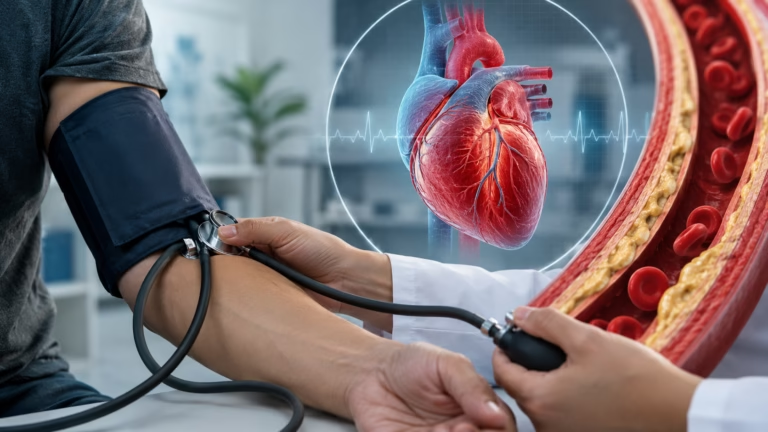
High blood pressure, or hypertension, is a common health condition where the force of the blood against the walls of the arteries is consistently too high. This condition can lead to severe complications, affecting various systems in the body. Understanding how high blood pressure affects the body is essential for managing health and preventing long-term damage.
Hypertension often develops over many years and can go unnoticed, as it typically does not present symptoms until significant damage has occurred. This makes regular check-ups and blood pressure monitoring critical. Factors contributing to high blood pressure include genetics, poor diet, lack of physical activity, and high-stress levels.
When blood pressure remains elevated, it can cause the heart to work harder than normal, leading to various health issues. The importance of recognizing and addressing high blood pressure cannot be overstated, as it plays a central role in overall health.

The Impact on the Cardiovascular System
The cardiovascular system is the most significantly affected area by high blood pressure. Over time, the increased pressure can lead to serious conditions such as heart disease and heart failure. The heart is a muscle that pumps blood throughout the body, and excessive pressure can cause it to thicken or stiffen.
As the heart struggles against high blood pressure, it may develop conditions such as:
- Left Ventricular Hypertrophy: This condition occurs when the heart’s left ventricle thickens due to the increased workload. It can lead to heart failure.
- Coronary Artery Disease: High blood pressure can damage the arteries, leading to plaque buildup, which narrows the arteries and restricts blood flow.
- Heart Attack: When the blood supply to the heart is blocked, it can cause a heart attack, which is a life-threatening emergency.
Real-life example: Consider a 55-year-old man who has lived with untreated high blood pressure for years. He is active and generally healthy, but one day he experiences chest pain. After visiting a doctor, he learns that his heart has undergone significant strain due to high blood pressure, resulting in left ventricular hypertrophy. This condition could have been prevented with earlier detection and management.
Effects on the Brain
High blood pressure can also have a detrimental impact on brain health. It is a significant risk factor for stroke, which occurs when the blood supply to part of the brain is cut off. This lack of blood flow can lead to brain damage and loss of function.
Conditions associated with high blood pressure include:
- Stroke: Hypertension increases the risk of both ischemic strokes (due to blocked arteries) and hemorrhagic strokes (due to bleeding in the brain).
- Cognitive Decline: Chronic high blood pressure can lead to cognitive impairment and increase the risk of dementia.
- Transient Ischemic Attack (TIA): Often referred to as a mini-stroke, TIAs can occur when blood flow to the brain is temporarily blocked.
Protecting brain health through blood pressure management is crucial as cognitive decline can severely affect quality of life.

Effects on the Kidneys
The kidneys play a vital role in filtering waste from the blood and regulating blood pressure. High blood pressure can damage the blood vessels in the kidneys, reducing their ability to function properly. This can lead to kidney disease and, in severe cases, kidney failure.
Consequences of high blood pressure on kidney function include:
- Chronic Kidney Disease (CKD): Over time, hypertension can lead to CKD, which is a progressive loss of kidney function.
- Kidney Failure: In advanced stages, the kidneys may cease to function entirely, requiring dialysis or a kidney transplant.
- Fluid Retention: Damage to the kidneys can lead to fluid retention, which increases blood pressure further and creates a vicious cycle.
Managing blood pressure is crucial to protecting kidney health and preventing complications.
Effects on the Eyes
High blood pressure can also affect the eyes, leading to a condition known as hypertensive retinopathy. This occurs when the high pressure damages the blood vessels in the retina, the light-sensitive tissue at the back of the eye.
Potential issues related to high blood pressure and eye health include:
- Vision Loss: Damage to the retina can lead to blurred vision or complete loss of vision.
- Retinal Hemorrhage: High blood pressure can cause bleeding in the retina, leading to severe vision issues.
- Choroidopathy: Fluid buildup under the retina can distort vision and cause further complications.
Regular eye examinations are essential for early detection of hypertension-related eye problems.

Effects on Sexual Health
High blood pressure can impact sexual health for both men and women. In men, it can lead to erectile dysfunction, while women may experience decreased libido or difficulties achieving arousal.
Mechanisms through which high blood pressure affects sexual health include:
- Reduced Blood Flow: Elevated blood pressure can restrict blood flow to the pelvic region, impacting sexual function.
- Medication Side Effects: Some antihypertensive medications can also contribute to sexual dysfunction.
- Psychological Impact: The stress and anxiety associated with managing chronic hypertension can affect sexual desire and performance.
Open communication with healthcare providers can help address these issues effectively.
Preventive Strategies and Management
Managing high blood pressure is essential for preventing its adverse effects on the body. There are several strategies for effectively managing and reducing hypertension:
- Dietary Changes: Adopt a heart-healthy diet that is low in salt and rich in fruits, vegetables, whole grains, and lean proteins.
- Regular Exercise: Engage in regular physical activity, aiming for at least 150 minutes of moderate exercise each week.
- Stress Management: Incorporate stress-reducing techniques such as mindfulness, yoga, or meditation into daily routines.
- Medication Adherence: For those prescribed medications, taking them as directed is crucial for effective management.
Making these lifestyle changes can significantly lower high blood pressure and enhance overall health.

Effects on the Endocrine System
How High Blood Pressure Disrupts Hormonal Balance
High blood pressure, also known as hypertension, can significantly disrupt the body’s endocrine system, which is responsible for the production and regulation of hormones. Hormones play a crucial role in various bodily functions, including metabolism, growth, and mood regulation. When blood pressure rises, it can lead to an overproduction of certain hormones, particularly those associated with stress, such as cortisol and adrenaline.
This hormonal imbalance can manifest in various ways. For instance, elevated cortisol levels can lead to increased appetite, weight gain, and a higher risk of developing type 2 diabetes. Additionally, high blood pressure may affect the secretion of insulin, further complicating metabolic health. This interplay between hypertension and endocrine function is intricate and highlights the importance of managing blood pressure to maintain hormonal health.
- Increased cortisol production
- Altered insulin sensitivity
- Potential for weight gain
- Impact on reproductive hormones
The Role of the Renin-Angiotensin-Aldosterone System
The Renin-Angiotensin-Aldosterone System (RAAS) is a critical regulator of blood pressure and fluid balance in the body. When blood pressure is low, the kidneys release renin, which leads to the production of angiotensin II, a potent vasoconstrictor that raises blood pressure. However, in individuals with hypertension, this system can become overactive, resulting in sustained high blood pressure.
Angiotensin II not only raises blood pressure but also stimulates the release of aldosterone, a hormone that promotes sodium retention and potassium excretion. This combination can lead to fluid retention, further exacerbating hypertension. The RAAS is often targeted in hypertension management, with medications that inhibit its components being common in treatment regimens.
- Renin secretion and blood pressure regulation
- Angiotensin II: effects on blood vessels
- Aldosterone’s role in sodium and fluid balance
Impact on Thyroid Function
Research has shown a complex relationship between high blood pressure and thyroid function. The thyroid gland produces hormones that regulate metabolism, heart rate, and overall energy levels. Individuals with hypertension may experience alterations in thyroid hormone levels, which can further complicate their health status.
Hypothyroidism, or low thyroid function, has been associated with elevated blood pressure. Conversely, hyperthyroidism may lead to increased heart rate and potentially higher blood pressure. Managing blood pressure effectively may also involve monitoring thyroid function, particularly in older adults who may be at risk for both conditions.
- Thyroid hormones and metabolism
- Link between hypothyroidism and hypertension
- Impact of hyperthyroidism on heart health
Effects on the Digestive System
How Hypertension Influences Digestive Health
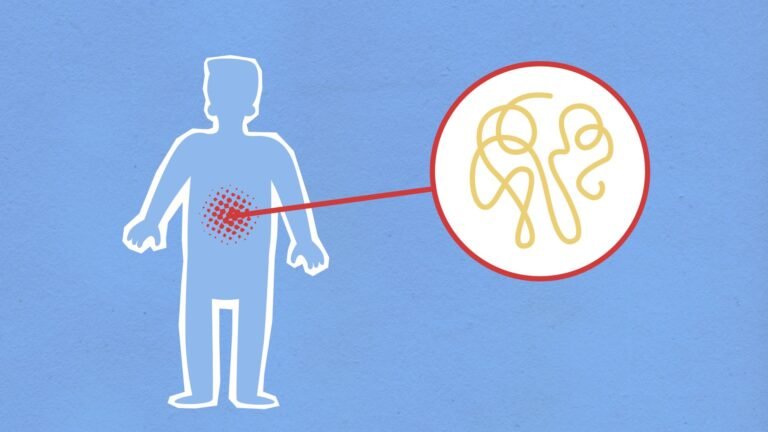
The digestive system can be adversely affected by chronic high blood pressure. The blood vessels that supply the digestive organs may become narrowed and less efficient, leading to reduced blood flow and oxygenation. This can manifest as digestive issues such as indigestion, abdominal pain, or even more severe conditions like gastritis.
Moreover, hypertension can lead to changes in gut microbiota, which plays a crucial role in digestion and overall health. An imbalance in gut bacteria has been linked to various gastrointestinal disorders and may influence not just digestive health but also systemic inflammation and immune responses.
- Reduced blood flow to digestive organs
- Potential for gastritis and related conditions
- Changes in gut microbiota composition
Effects on Appetite and Nutrition
People with high blood pressure may experience changes in appetite, which can have significant implications for nutrition. Medications used to manage hypertension can sometimes cause side effects that alter taste, leading to decreased appetite or aversion to certain foods. This change can impact overall nutrient intake and may contribute to deficiencies if not monitored.
Additionally, the stress and anxiety associated with managing a chronic condition like high blood pressure can lead to emotional eating or reliance on unhealthy food choices. Understanding the connection between hypertension and nutrition is vital for maintaining a balanced diet, which is crucial for managing blood pressure effectively.
- Impact of medications on taste and appetite
- Emotional eating and hypertension
- Importance of a balanced diet
Gastrointestinal Disorders Associated with Hypertension
Several gastrointestinal disorders have been linked to high blood pressure. For example, conditions such as gastroesophageal reflux disease (GERD) and peptic ulcers may be exacerbated by the stress response often associated with hypertension. The physiological changes that occur in the body due to high blood pressure can increase gastric acid production, leading to discomfort and digestive issues.
Furthermore, the medications prescribed for hypertension may also influence gastrointestinal health. Some common antihypertensive medications have been associated with side effects like constipation or diarrhea, requiring careful management to maintain digestive health.
- Link between hypertension and GERD
- Impact of antihypertensive medications on digestion
- Managing digestive disorders alongside hypertension

High Blood Pressure and Sleep Disorders
The Connection Between Hypertension and Sleep Apnea
Sleep disorders, particularly obstructive sleep apnea (OSA), have a well-documented connection to high blood pressure. OSA can lead to repeated episodes of breathing cessation during sleep, resulting in fragmented sleep and decreased oxygen levels in the blood. This condition places additional stress on the cardiovascular system, potentially leading to or worsening hypertension.
Individuals with untreated sleep apnea often experience increased daytime fatigue, which can contribute to lifestyle choices that further elevate blood pressure, such as physical inactivity and poor dietary habits. Diagnosis and treatment of sleep apnea can significantly improve blood pressure control and overall health.
- Mechanisms linking OSA and hypertension
- Consequences of untreated sleep apnea
- Benefits of managing sleep disorders
Impact of Hypertension on Sleep Quality
High blood pressure can also directly affect sleep quality. Individuals with hypertension may experience more frequent awakenings, difficulty falling asleep, or restless sleep patterns. The stress and anxiety associated with managing this chronic condition can exacerbate these sleep disturbances, creating a vicious cycle that impacts both blood pressure and overall well-being.
It is essential for individuals with hypertension to prioritize sleep hygiene and seek strategies to improve sleep quality. Regular sleep patterns, a comfortable sleep environment, and relaxation techniques can help mitigate the impact of high blood pressure on sleep.
- Sleep hygiene practices
- Stress management techniques for better sleep
- Importance of a regular sleep schedule
Strategies for Improving Sleep in Hypertensive Patients
Addressing sleep issues in patients with high blood pressure involves a multifaceted approach. Behavioral modifications, such as cognitive-behavioral therapy for insomnia (CBT-I), can be beneficial. Additionally, lifestyle changes that promote relaxation and reduce stress can help improve sleep quality.
In some cases, healthcare providers may recommend the use of sleep aids or adjustments to medications that could be interfering with sleep. Monitoring and managing sleep health is a crucial component of an overall strategy to control hypertension and improve quality of life.
- Behavioral interventions for sleep improvement
- Role of relaxation techniques
- Consultation with healthcare providers for sleep issues
For more information, see Cleveland Clinic.
Frequently Asked Questions
What are the symptoms of high blood pressure?
High blood pressure is often asymptomatic, but some individuals may experience headaches, shortness of breath, or nosebleeds, especially in severe cases.
How can I lower my blood pressure naturally?
Natural ways to lower blood pressure include maintaining a healthy weight, consuming a balanced diet, reducing sodium intake, exercising regularly, and managing stress.
Is high blood pressure reversible?
While high blood pressure can often be managed and even reversed with lifestyle changes, some individuals may require medication for effective control.
When should I see a doctor?
Consult a healthcare provider if your blood pressure readings are consistently high or if you experience symptoms such as severe headaches, chest pain, or difficulty breathing.
The Bottom Line
High blood pressure significantly affects various systems in the body, from the cardiovascular system to the kidneys and brain. Understanding these effects can empower individuals to take proactive steps in managing their health. Regular monitoring, lifestyle changes, and consulting healthcare professionals are crucial for preventing the serious consequences associated with hypertension.
Was this page helpful?
Thanks for your feedback! What could we improve?
Thank you! Your feedback helps us improve our articles.
Medically reviewed by
Dr. Daniel HarringtonMedical doctor and clinical researcher focused on preventive medicine, chronic disease and clear, evidence-based health communication.
True Impact Health articles are written by our editorial team and based on reliable sources such as public health agencies, clinical guidelines and peer-reviewed research. This article has been checked by a doctor on our review panel. Read our editorial process.
This content is for general information and is not a substitute for professional medical advice, diagnosis or treatment.