Understanding Gut Health: Your Guide to a Happier Digestion
Explore the essentials of gut health and learn practical ways to improve your digestion, immunity, and overall well-being.
By True Impact Health Editorial Team

Medical graduate of Girne American University with a focus on patient-centred care, clinical assessment and preventive health.
Reviewed this article on November 11, 2026.
View profile How we reviewUpdated on November 8, 2026 10 min read

Table of Contents
Key Takeaways
- Gut health plays a crucial role in overall well-being.
- A diverse diet helps maintain a healthy gut microbiome.
- Probiotics and prebiotics are key for digestive health.
- Regular physical activity supports a balanced gut ecosystem.
Gut health is an integral part of overall well-being, affecting everything from digestion to mental health. The gut is home to trillions of microorganisms, collectively known as the gut microbiome, which play a vital role in our health. A balanced gut can improve nutrient absorption, enhance immune function, and even influence our mood and mental clarity.
Understanding gut health involves recognizing the delicate balance of bacteria that reside in our intestines. Factors such as diet, lifestyle, and stress levels can significantly impact this balance. This article will explore the fundamentals of gut health, its importance, and practical steps you can take to support a healthy gut.
As we navigate through this guide, you’ll discover how to foster a thriving gut microbiome, the role of probiotics and prebiotics, and how lifestyle choices can enhance your digestive health.
What is Gut Health?
Gut health refers to the optimal functioning of the gastrointestinal tract, which includes the stomach and intestines. It encompasses not only the physical condition of your gut but also the balance of microbes that inhabit it. A healthy gut microbiome is characterized by a diverse range of bacteria, which is essential for good digestion and overall health.
The gut microbiome is influenced by a variety of factors, including diet, environment, and genetics. When these factors disrupt the balance of gut bacteria, it can lead to digestive issues, such as bloating, gas, diarrhea, and constipation. Moreover, an imbalanced gut microbiome has been linked to more serious health conditions, including obesity, diabetes, and autoimmune diseases.
Maintaining gut health is not just about avoiding digestive issues; it is about promoting a harmonious environment for beneficial bacteria to thrive. This leads to improved digestion, enhanced immune system function, and better mental health.
The Importance of Gut Health
Gut health plays a significant role in numerous bodily functions, making it crucial for overall health. Here are some key reasons why maintaining a healthy gut is important:
- Digestion: The gut is responsible for breaking down food and absorbing nutrients. A healthy gut ensures efficient digestion and nutrient absorption.
- Immune Function: Approximately 70% of the immune system is located in the gut. A balanced microbiome helps defend against pathogens and supports immune responses.
- Mental Health: The gut-brain connection is well-documented. Gut health can influence mood and cognitive function, impacting conditions like anxiety and depression.
- Metabolic Health: A healthy gut microbiome can help regulate metabolism, impacting weight management and insulin sensitivity.
For example, consider the case of a busy professional, Sarah, who struggled with digestive issues and chronic fatigue. After consulting with a nutritionist, she learned about the importance of gut health. By incorporating more fiber-rich foods, probiotics, and fermented products into her diet, she noticed significant improvements in her digestion and energy levels. This transformation illustrates how addressing gut health can have a profound impact on well-being.
Factors Influencing Gut Health
Several factors can influence gut health, both positively and negatively. Understanding these factors can help you make informed choices for your health.
Diet
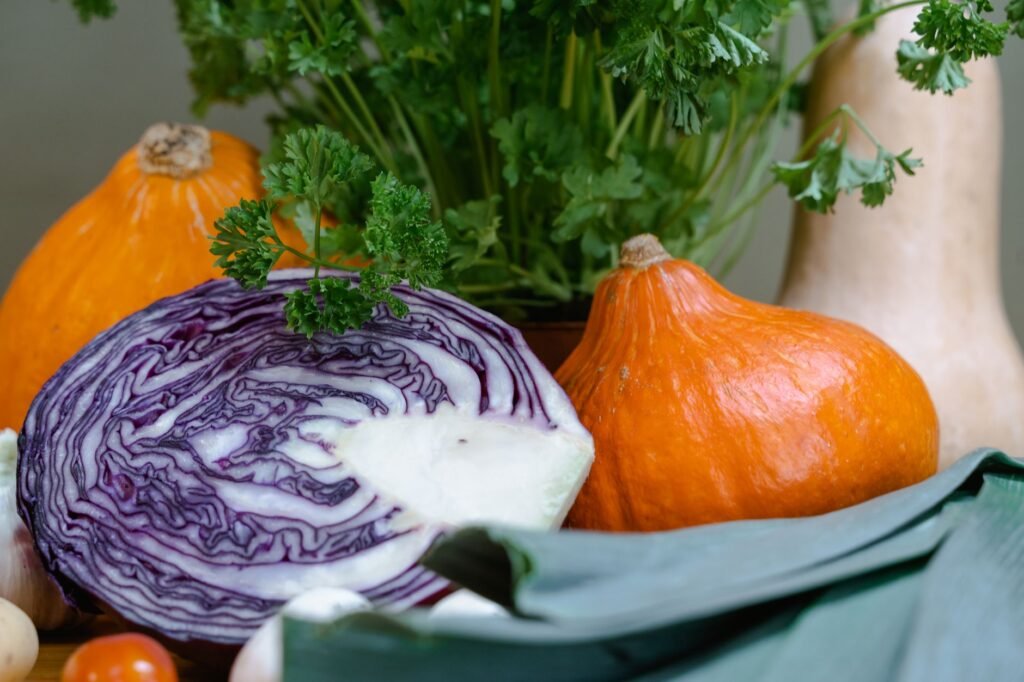
The foods you consume play a pivotal role in shaping your gut microbiome. A diet high in processed foods, sugars, and unhealthy fats can lead to an imbalance of gut bacteria. On the other hand, a diet rich in whole foods, fruits, vegetables, and fiber supports a diverse and healthy microbiome.
Lifestyle Choices
Regular physical activity is beneficial for gut health. Exercise promotes the growth of beneficial gut bacteria and helps maintain a healthy weight, which is crucial for overall health. Additionally, adequate sleep is essential as poor sleep patterns can negatively affect gut health.
Stress
Chronic stress can have a detrimental impact on gut health. Stress can alter gut motility, leading to digestive issues and can also affect the balance of gut bacteria. Finding effective stress management techniques, such as meditation, yoga, or hobbies, can be beneficial for gut health.

How to Improve Gut Health
Improving gut health requires a holistic approach that encompasses dietary changes, lifestyle adjustments, and mindful practices. Here are practical steps you can take to enhance your gut health:
1. Incorporate Probiotics
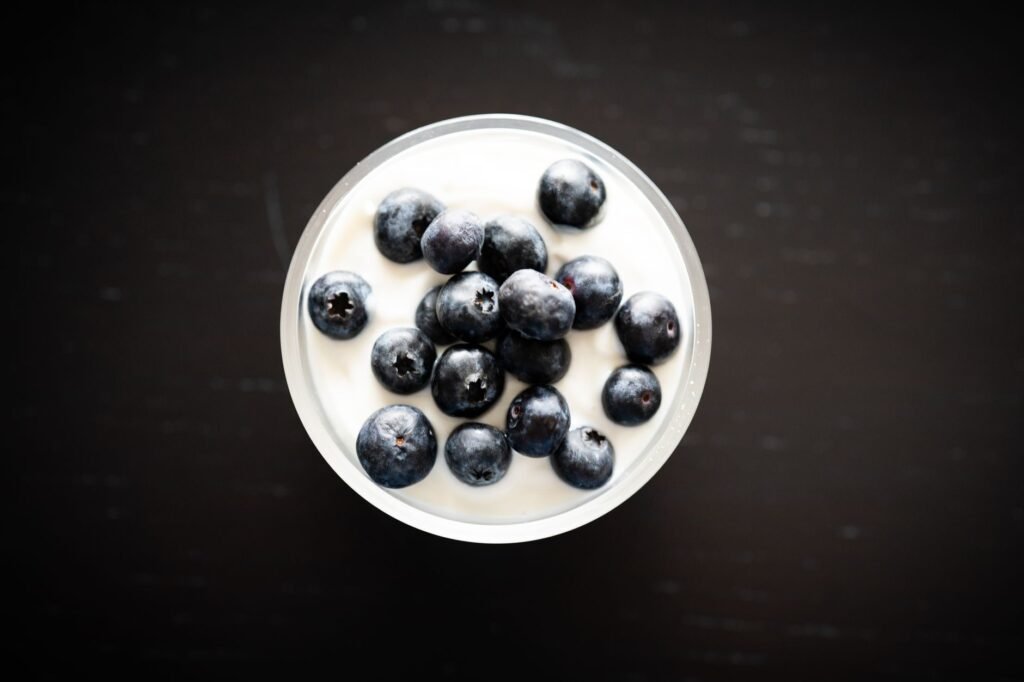
Probiotics are live bacteria that provide health benefits when consumed. They help replenish and maintain the balance of beneficial bacteria in the gut. Foods rich in probiotics include:
- Yogurt
- Kefir
- Fermented vegetables (like sauerkraut and kimchi)
- Miso
- Tempeh
2. Add Prebiotics to Your Diet
Prebiotics are non-digestible fibers that feed beneficial gut bacteria. Foods high in prebiotics include:
- Garlic
- Onions
- Bananas
- Asparagus
- Whole grains
3. Minimize Processed Foods
Reducing your intake of processed foods and sugars can help maintain a healthy gut microbiome. Focus on whole foods that provide essential nutrients and support gut health.
[h4>4. Stay Hydrated
Drinking plenty of water is essential for digestion and overall gut health. Hydration helps break down food so that nutrients can be absorbed effectively.
5. Manage Stress
Incorporating stress-reduction techniques into your daily routine can positively affect gut health. Consider practices like yoga, meditation, or deep breathing exercises to promote relaxation and reduce stress levels.
Common Gut Health Issues
Despite our best efforts, gut health issues can arise. Here are some common conditions associated with gut health:
1. Irritable Bowel Syndrome (IBS)
IBS is a chronic condition characterized by symptoms such as abdominal pain, bloating, gas, and changes in bowel habits. While the exact cause is unclear, factors like diet, stress, and gut bacteria imbalance can contribute to IBS.
2. Inflammatory Bowel Disease (IBD)
IBD, which includes Crohn’s disease and ulcerative colitis, involves chronic inflammation of the gastrointestinal tract. This condition can cause severe digestive issues and may require medical intervention.
3. Gut Dysbiosis
Dysbiosis refers to an imbalance of gut bacteria, often caused by factors like poor diet, antibiotic use, or chronic stress. Symptoms may include digestive discomfort, fatigue, and weakened immunity.

Understanding the Gut-Brain Connection
The Role of the Gut Microbiome
The gut microbiome is a complex ecosystem of trillions of microorganisms residing in our intestines. These microbes play a vital role in not only digestion but also in regulating mood and mental health. Studies have shown that certain gut bacteria can produce neurotransmitters, such as serotonin, which is often referred to as the ‘happy hormone’. This connection between gut health and brain health highlights the importance of maintaining a balanced microbiome.
To support a healthy gut microbiome, consider incorporating the following foods into your diet:
- Probiotic-rich foods like yogurt, kefir, and sauerkraut
- Prebiotic foods such as asparagus, garlic, and bananas
- Fiber-rich foods including whole grains, legumes, and vegetables
Stress and Its Impact on Gut Health
Stress has been shown to negatively affect gut health by altering the gut microbiome and increasing gut permeability, which can lead to conditions such as leaky gut syndrome. When we experience stress, our bodies produce hormones like cortisol that can disrupt digestive processes and lower immunity. Understanding the relationship between stress and gut health is crucial for overall well-being.
To mitigate stress and its effects on the gut, consider integrating the following practices into your daily routine:
- Mindfulness meditation to cultivate awareness and reduce stress
- Regular physical activity, which can boost mood and improve digestion
- Sufficient sleep, as poor sleep can exacerbate stress levels
Gut Health and Immunity
The gut is home to approximately 70% of the body’s immune system. A healthy gut microbiome helps to train the immune system to distinguish between harmful pathogens and beneficial bacteria. When the gut is compromised, it can lead to an increase in inflammation and a decrease in immune function.
To enhance gut-related immunity, consider these dietary and lifestyle choices:
- Incorporating fermented foods that provide beneficial probiotics
- Consuming a variety of fruits and vegetables high in antioxidants
- Staying hydrated to support overall digestive health
The Impact of Diet on Gut Health
Dietary Patterns and Their Effects
Our daily dietary patterns play a significant role in shaping gut health. Diets high in processed foods, sugar, and unhealthy fats can lead to dysbiosis, which is an imbalance of gut bacteria. On the other hand, a diverse diet rich in whole foods can promote a healthier microbiome.
Consider adopting the following dietary patterns for better gut health:
- The Mediterranean diet, which emphasizes whole grains, healthy fats, and plenty of fruits and vegetables
- The DASH diet, which focuses on reducing sodium and increasing nutrient-dense foods
- A plant-based diet that encourages the consumption of varied plant foods
The Importance of Fiber
Fiber plays a crucial role in maintaining gut health. It serves as food for beneficial gut bacteria, promoting their growth and activity. A diet rich in fiber can help regulate bowel movements, prevent constipation, and reduce the risk of gastrointestinal diseases.
To increase your fiber intake, include the following foods in your meals:
- Legumes such as lentils, chickpeas, and beans
- Whole grains like oats, quinoa, and brown rice
- Vegetables such as broccoli, carrots, and Brussels sprouts
Avoiding Common Dietary Pitfalls
While certain foods can promote gut health, others can have detrimental effects. Avoiding highly processed foods, excessive sugar, and artificial additives can help maintain a healthy gut. These elements can contribute to inflammation and negatively affect the gut microbiome.
Be mindful of the following dietary pitfalls that can harm gut health:
- Excessive consumption of refined sugars and carbohydrates
- High intake of saturated fats from processed sources
- Frequent consumption of artificial sweeteners and additives

Gut Health in Different Life Stages
Gut Health in Infancy
Gut health begins at birth. Infants are exposed to their mother’s microbiome during delivery and breastfeeding, which lays the foundation for their own gut health. The introduction of solid foods and the diversity of gut bacteria can significantly influence an infant’s immune system and overall health.
To promote healthy gut development in infants, consider the following practices:
- Breastfeeding for the first six months, if possible, to provide essential nutrients and probiotics
- Introducing a variety of solid foods at the appropriate age to promote diversity in gut bacteria
- Minimizing antibiotic use unless absolutely necessary, as they can disrupt the developing microbiome
Gut Health in Adolescence
Adolescence is a critical period for gut health due to rapid growth and hormonal changes. Diets high in processed foods and sugars can lead to increased gut health issues during this stage. Encouraging healthy eating habits can support digestive health and overall well-being.
To foster good gut health in teenagers, recommend the following:
- Incorporating more whole foods into their diet, including fruits, vegetables, and lean proteins
- Limiting sugary drinks and snacks that can disrupt gut health
- Promoting regular physical activity to support digestive function
Gut Health in Older Adults
As we age, changes in gut health can occur, including a decrease in gut bacteria diversity and slower digestive processes. These changes can lead to various gastrointestinal issues, including constipation and increased inflammation. Maintaining gut health in older adults is vital for enhancing quality of life.
To support gut health in older populations, consider the following strategies:
- Encouraging a high-fiber diet to aid digestion and promote regularity
- Incorporating probiotics to help balance gut flora
- Staying hydrated, as dehydration can negatively impact digestion
For more information, see Cleveland Clinic.
Frequently Asked Questions
What are the signs of poor gut health?
Common signs of poor gut health include bloating, gas, diarrhea, constipation, food intolerances, and fatigue. If you experience persistent symptoms, it may be beneficial to consult a healthcare professional.
Can diet alone improve gut health?
While diet plays a critical role in gut health, lifestyle factors such as exercise, sleep, and stress management also significantly contribute. A holistic approach is most effective.
How long does it take to improve gut health?
Improving gut health can take time. Some individuals may notice changes within a few weeks, while others may take longer. Consistency in dietary and lifestyle changes is key.
Should I take probiotic supplements?
Probiotic supplements can be beneficial for some individuals, particularly if they have specific gut health issues. However, it’s advisable to consult with a healthcare provider before starting any supplements.
The Bottom Line
Gut health is a foundational aspect of overall health that affects digestion, immunity, and mental well-being. By understanding the importance of gut health and implementing practical strategies, you can cultivate a balanced gut microbiome. Focus on a diet rich in probiotics and prebiotics, manage stress, and maintain a healthy lifestyle to support your gut health and, in turn, your overall quality of life.
Was this page helpful?
Thanks for your feedback! What could we improve?
Thank you! Your feedback helps us improve our articles.
Medically reviewed by
Dr. Oluwabusola Stella OkeMedical graduate of Girne American University with a focus on patient-centred care, clinical assessment and preventive health.
True Impact Health articles are written by our editorial team and based on reliable sources such as public health agencies, clinical guidelines and peer-reviewed research. This article has been checked by a doctor on our review panel. Read our editorial process.
This content is for general information and is not a substitute for professional medical advice, diagnosis or treatment.