Sensitive Teeth: Understanding Causes and Effective Remedies
Discover what causes sensitive teeth and learn effective remedies to alleviate discomfort and improve your dental health.
By True Impact Health Editorial Team

Medical graduate of Girne American University with a focus on patient-centred care, clinical assessment and preventive health.
Reviewed this article on November 11, 2026.
View profile How we reviewUpdated on November 10, 2026 10 min read

Table of Contents
Key Takeaways
- Sensitive teeth can be caused by enamel loss or gum recession.
- Various treatments are available to manage sensitivity effectively.
- Good oral hygiene practices can prevent further sensitivity.
- Consulting a dental professional is essential for persistent issues.
Sensitive teeth, also known as dentin hypersensitivity, is a common condition that affects many individuals at some point in their lives. This condition is characterized by sharp pain or discomfort in the teeth when exposed to certain stimuli, such as hot or cold temperatures, sweet or acidic foods, and even air. While sensitive teeth can be a temporary issue, for some, it can become a chronic problem that affects their daily life and overall well-being.
Understanding the causes and remedies for sensitive teeth is crucial for managing this discomfort effectively. Many people experience sensitivity after a dental procedure, while others may find that their teeth become sensitive over time due to various factors. In this guide, we will explore the common causes, preventative measures, and treatments available to help alleviate the discomfort associated with sensitive teeth.
Whether you are currently experiencing sensitivity or simply want to learn more about maintaining good oral health, this article aims to provide practical and trustworthy information to empower you in managing your dental care.
What Causes Sensitive Teeth?
There are several factors that can contribute to the development of sensitive teeth. Understanding these causes can help in identifying appropriate treatments and preventive measures.
1. Enamel Erosion
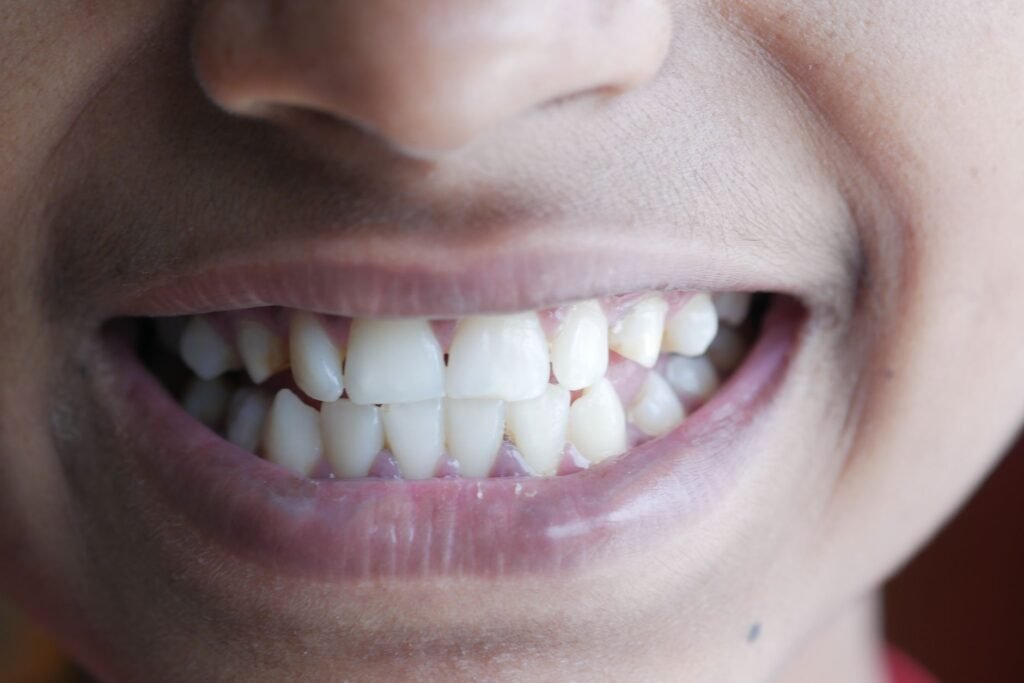
Enamel is the hard, protective outer layer of teeth. When the enamel wears away due to various factors, the underlying dentin becomes exposed. Dentin contains microscopic tubules that lead to the nerve center of the tooth, making it sensitive to temperature changes and certain substances.
- Dietary Acids: Consuming acidic foods and drinks, such as citrus fruits, soda, and wine, can contribute to enamel erosion.
- Brushing Technique: Using a hard-bristled toothbrush or brushing too aggressively can wear down enamel over time.
- Acid Reflux: Stomach acids that reach the mouth can erode enamel, leading to increased sensitivity.
2. Gum Recession
Gum recession occurs when the gum tissue pulls back from the teeth, exposing the sensitive root surfaces. This can happen due to periodontal disease, aggressive brushing, or natural wear over time. Exposed roots are not protected by enamel, making them more susceptible to sensitivity.
- Periodontal Disease: Gum disease can lead to inflammation and loss of gum tissue, increasing the risk of sensitivity.
- Hormonal Changes: Changes in hormone levels, particularly in women, can affect gum health and lead to recession.
- Genetics: Some people may be genetically predisposed to gum recession and increased sensitivity.
3. Dental Procedures
Sometimes, dental procedures can temporarily increase tooth sensitivity. This is particularly common after procedures such as teeth whitening, fillings, or root canals. Sensitivity usually subsides over time as the teeth heal.
- Teeth Whitening: Professional whitening treatments can lead to temporary sensitivity due to the bleaching agents used.
- Fillings: New fillings may cause temporary sensitivity as the tooth adjusts to the restoration.
- Root Canals: Post-procedure sensitivity is normal as the tooth recovers from treatment.
Signs and Symptoms of Sensitive Teeth
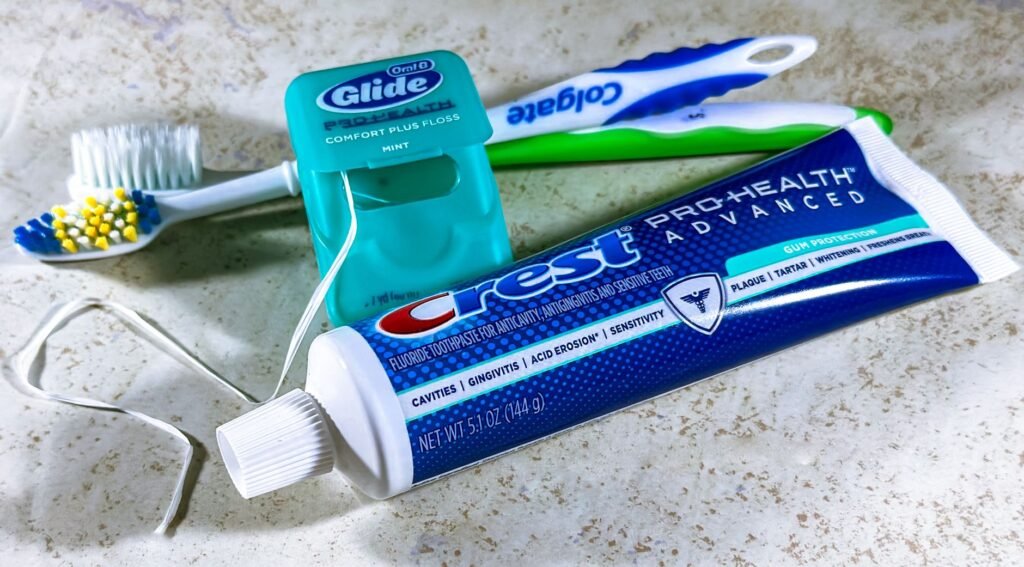
People with sensitive teeth often experience specific signs and symptoms that can help identify the problem. Recognizing these can guide individuals in seeking appropriate care.
1. Pain Response
The most common symptom is a sharp, sudden pain when consuming hot, cold, sweet, or acidic foods and beverages. This pain can be fleeting but is often intense enough to cause distress.
2. Discomfort During Oral Hygiene
Many individuals with sensitive teeth report discomfort while brushing or flossing. The pressure from a toothbrush or the movement of floss between teeth can trigger sensitivity, leading to a reluctance to maintain proper oral hygiene.
3. Lingering Sensitivity
In some cases, sensitivity may linger after the stimulus is removed. For example, after drinking a cold beverage, the discomfort may persist for several minutes. This can be a sign of more severe underlying dental issues.
Preventative Measures for Sensitive Teeth
Preventing sensitive teeth is often possible through proper dental care and lifestyle choices. Here are several effective strategies to help protect your teeth.
1. Use a Soft-Bristled Toothbrush
Switching to a soft-bristled toothbrush can minimize enamel wear and gum recession. A gentle brushing technique is crucial for maintaining both enamel and gum health.
2. Avoid Acidic Foods and Beverages
Limiting the intake of acidic foods and drinks can help reduce enamel erosion. If you do consume them, consider rinsing your mouth with water afterward to neutralize acids.
3. Maintain Good Oral Hygiene
Brushing twice a day, flossing daily, and scheduling regular dental check-ups can help prevent issues that contribute to sensitivity.
Treatment Options for Sensitive Teeth
If you’re already experiencing sensitivity, several treatment options can help alleviate discomfort. It’s important to consult with a dental professional to determine the best course of action for your individual needs.
1. Desensitizing Toothpaste
Specialized desensitizing toothpaste contains compounds that help block sensation from the nerves in your teeth. Regular use can provide relief over time.
2. Fluoride Treatments
Your dentist may recommend fluoride treatments to strengthen enamel and reduce sensitivity. These treatments are typically applied in the dental office and can provide significant benefits.
3. Dental Sealants
Sealants can be applied to the chewing surfaces of teeth to protect them from decay and sensitivity. This is particularly useful for individuals with deep grooves in their teeth.

Real-Life Example: Managing Sensitive Teeth
Consider Sarah, a 35-year-old graphic designer who loves her morning coffee. Recently, she began experiencing sharp pain whenever she took a sip of her hot drink. Initially, she thought it was just a bad cup of coffee, but the discomfort persisted. After doing some research, she realized she might have sensitive teeth.
After consulting her dentist, she learned that her enamel was thinning due to her love for acidic drinks and aggressive brushing. With her dentist’s guidance, she switched to a soft-bristled toothbrush and started using desensitizing toothpaste. Within a few weeks, Sarah noticed a significant decrease in sensitivity, allowing her to enjoy her coffee pain-free.

Dietary Choices and Their Impact on Tooth Sensitivity
Acidic Foods and Beverages
Certain foods and beverages can contribute significantly to tooth sensitivity. Acidic items such as citrus fruits, soda, and vinegar can erode enamel, exposing the underlying dentin and leading to heightened sensitivity. Individuals who consume these foods regularly may notice increased discomfort when eating or drinking other items, especially hot or cold substances.
To minimize the effects of acidic foods, consider the following tips:
- Rinse your mouth with water after consuming acidic foods or drinks.
- Use a straw when drinking acidic beverages to reduce contact with teeth.
- Wait at least 30 minutes after eating acidic foods before brushing your teeth to prevent further enamel erosion.
High Sugar Intake
A diet high in sugar can exacerbate tooth sensitivity by promoting the growth of bacteria that lead to tooth decay and gum disease. Sugars in candies, pastries, and sweetened beverages can cause plaque buildup, which, if not managed properly, can lead to the destruction of enamel. This further exposes the nerves within the teeth, heightening sensitivity.
To combat the effects of sugar, it is vital to maintain a balanced diet that includes:
- Fruits and vegetables that are low in sugar and high in vitamins.
- Whole grains that provide fiber and can help reduce sugar cravings.
- Low-sugar dairy products that promote oral health without contributing to sensitivity.
Hydration and Saliva Production
Staying hydrated plays a crucial role in maintaining oral health and managing tooth sensitivity. Saliva acts as a natural buffer against acids produced by bacteria in the mouth and helps neutralize harmful substances. When the body is dehydrated, saliva production decreases, leading to a dry mouth that can increase sensitivity and discomfort.
To ensure adequate hydration and saliva production, consider these strategies:
- Drink plenty of water throughout the day.
- Avoid excessive caffeine and alcohol, which can contribute to dehydration.
- Chew sugar-free gum to stimulate saliva flow.
Dental Hygiene Practices That Can Help
Choosing the Right Toothbrush
Using the correct toothbrush can make a significant difference in managing tooth sensitivity. A soft-bristled toothbrush is often recommended for individuals with sensitive teeth to prevent further enamel erosion and gum irritation. Hard bristles can cause damage to both the enamel and the gums, leading to increased sensitivity over time.
When selecting a toothbrush, consider the following tips:
- Choose a soft-bristled brush that can effectively clean without causing damage.
- Look for brushes with rounded bristles for gentle cleaning.
- Consider an electric toothbrush with pressure sensors to help avoid brushing too hard.
Brushing and Flossing Techniques
Proper brushing and flossing techniques are vital for managing tooth sensitivity. Many people unknowingly apply too much pressure while brushing, which can harm the enamel and lead to gum recession. It is essential to use gentle circular motions while brushing and to employ the correct angle for effective cleaning.
To enhance your oral hygiene routine, follow these recommendations:
- Brush twice a day for at least two minutes each time.
- Use fluoride toothpaste specifically designed for sensitive teeth.
- Floss daily to remove plaque and food particles between the teeth.
The Importance of Regular Dental Check-Ups
Regular dental check-ups are crucial for maintaining oral health and managing tooth sensitivity. Dentists can help identify underlying issues that may contribute to sensitivity, such as cavities or gum disease. Routine cleanings also remove plaque and tartar buildup, which can further protect against sensitivity.
During your dental visits, ensure you:
- Discuss any concerns about sensitivity with your dentist.
- Ask about preventative treatments such as fluoride varnishes or sealants.
- Follow your dentist’s recommendations for follow-up visits based on your oral health needs.
Alternative Therapies for Tooth Sensitivity
Natural Remedies
Many individuals seek natural remedies to alleviate tooth sensitivity. These methods can offer temporary relief and can be integrated into your daily routine. For example, the use of clove oil, which has natural analgesic properties, can provide a soothing effect on sensitive teeth.
Some popular natural remedies include:
- Rinsing with a mixture of warm water and salt to help reduce inflammation.
- Using coconut oil for oil pulling, which may help reduce bacteria in the mouth.
- Applying a small amount of peppermint oil to the affected area for a cooling effect.
Acupuncture and Acupressure
Acupuncture and acupressure are alternative therapies that some individuals find beneficial for managing tooth sensitivity. These practices involve stimulating specific points on the body, which may help reduce pain and promote overall well-being. While research on their effectiveness for dental issues is limited, some patients have reported positive outcomes.
For those interested in these therapies, consider:
- Finding a qualified practitioner with experience in treating dental pain.
- Discussing any treatments with your dentist to ensure they are safe and complementary.
- Monitoring the effects on sensitivity and overall comfort levels.
Stress Management Techniques
Stress and anxiety can exacerbate dental issues, including tooth sensitivity. People under significant stress may grind their teeth, a condition known as bruxism, which can wear down enamel and lead to increased sensitivity. Managing stress through relaxation techniques can help mitigate these effects.
Consider incorporating the following stress management strategies into your routine:
- Practicing mindfulness or meditation to reduce anxiety levels.
- Engaging in regular physical activity to relieve stress.
- Exploring hobbies or activities that promote relaxation and enjoyment.
For more information, see CDC.
Frequently Asked Questions
1. Can sensitive teeth be a sign of a more serious problem?
Yes, persistent sensitivity may indicate underlying issues such as tooth decay, gum disease, or a cracked tooth. It’s best to consult a dental professional if sensitivity continues.
2. How long does sensitivity last after dental procedures?
Sensitivity after dental procedures is typically temporary and should subside within a few days to a few weeks. If it persists longer, contact your dentist.
3. Are there any home remedies for sensitive teeth?
Some people find relief using saltwater rinses or avoiding extreme temperatures in food and drinks. However, it’s important to consult a dentist for proper evaluation and treatment.
4. Does age affect tooth sensitivity?
Yes, as people age, they may experience more tooth sensitivity due to enamel wear and gum recession, making it important to practice good oral care.
The Bottom Line
Sensitive teeth are a common issue that can significantly impact one’s quality of life. Understanding the causes, symptoms, and treatment options available can empower individuals to take control of their dental health. With appropriate care and preventive measures, it is possible to manage and reduce sensitivity effectively, ensuring a healthier, more comfortable smile.
Was this page helpful?
Thanks for your feedback! What could we improve?
Thank you! Your feedback helps us improve our articles.
Medically reviewed by
Dr. Oluwabusola Stella OkeMedical graduate of Girne American University with a focus on patient-centred care, clinical assessment and preventive health.
True Impact Health articles are written by our editorial team and based on reliable sources such as public health agencies, clinical guidelines and peer-reviewed research. This article has been checked by a doctor on our review panel. Read our editorial process.
This content is for general information and is not a substitute for professional medical advice, diagnosis or treatment.