













Guinea Pig Eye Infection
Learn about the causes, symptoms, and treatment of guinea pig eye infections. Discover how proper hygiene and veterinary care can protect your pet vision.
By True Impact Health Editorial Team

Doctor of Veterinary Medicine (DVM) who reviews the pet and animal health articles on True Impact Health.
Reviewed this article on October 10, 2026.
View profile How we reviewUpdated on October 10, 2026 7 min read

Table of Contents
Quick answer
A guinea pig eye infection is an inflammation of the eye or surrounding tissues often caused by environmental irritants, bacterial pathogens, or underlying dental disease. These infections require professional veterinary diagnosis and treatment to prevent vision loss or chronic complications. Owners should monitor for redness, discharge, or squinting and seek prompt medical care.
Today we will be talking about guinea pig eye infections. Guinea pigs, like many small animals, are prone to various health issues, including eye infections. These infections can arise due to a variety of factors including environmental irritants, a lack of proper hygiene, or underlying health conditions. An eye infection in a guinea pig may present symptoms such as redness, excessive tearing, swelling, or discharge from the eyes. Understanding these symptoms is crucial for any guinea pig owner, as early detection and treatment can lead to better outcomes for your pet.
What Causes Eye Infections in Guinea Pigs?
The main causes of eye infections in guinea pigs can be multifaceted. Environmental factors often play a big role. For example, dust or bedding materials that are irritating to the eyes can lead to inflammation and infections. Additionally, guinea pigs may also suffer from conjunctivitis, often caused by bacteria, viruses, or even allergies. Poor dental health, which can lead to abscess formation, may also result in eye infections as the roots of the teeth are closely associated with the eye socket. Recognizing these root causes is essential for preventative care.
Symptoms of Eye Infection
Identifying symptoms early on can make a massive difference in the health of your guinea pig. Common signs include redness of the eye, excessive tearing, and crusty discharge. You might also notice your guinea pig squinting or keeping one eye closed. Swelling around the eye socket can occur, along with signs of discomfort or pain. These symptoms necessitate immediate veterinary attention. Owners should regularly monitor their guinea pig’s eyes to catch any anomalies as soon as they appear.
The Importance of Hygiene
Maintaining a clean environment is paramount in preventing eye infections in guinea pigs. Regular cleaning of cages, bedding, and food containers will reduce the risk of bacterial and viral growth. Additionally, ensuring that any toys or accessories your guinea pig interacts with are sanitized can help minimize exposure to potential irritants. Routine grooming, including nail trimming and fur brushing, also plays a role in hygiene, as it prevents fur from getting into the eyes and causing irritation.
Dietary Influence
A well-balanced diet is crucial for your guinea pig’s overall health, including eye health. Calcium-rich foods can contribute to dental problems, which may lead to eye infections due to their proximity. Offering a diet rich in Vitamin C, along with plenty of fresh vegetables, is important for maintaining strong immune systems that can fight off infections. Avoiding processed foods and providing hay regularly can also contribute to better overall health.
When to Seek Veterinary Care
Quick professional intervention is key when it comes to treating eye infections. If you notice any symptoms of an eye infection, it is crucial to consult with a vet without delay. Early treatment may involve prescription eye drops, ointments, or more intensive care if the infection has progressed. In the case of dental issues leading to eye problems, a veterinarian may need to address those separately to fully resolve the eye infection. Always err on the side of caution when it comes to your pet’s health.
Home Treatment Options
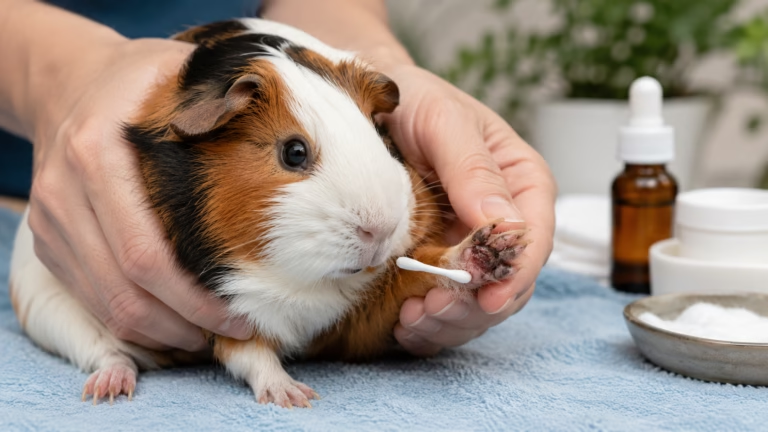
There are some home treatment options to consider for mild cases of eye infections, like using warm, damp cloths to gently wipe away discharge. However, it is essential to ensure that proper cleaning is performed on the cloth and hands before and after contact with your guinea pig. Ideally, these home remedies should only be utilized in conjunction with veterinary advice, never as a substitute. Using saline eye drops specifically made for pets may also provide temporary relief.
Long-term Care and Prevention
Long-term care strategies focus on maintaining good hygiene, proper diet, and regular veterinary check-ups to prevent possible eye infections. Ensure that your guinea pig has plenty of space to move around and explore while avoiding contact with potential irritants. Scheduled vet visits should be routine to identify any underlying health concerns before they become more serious issues. Additionally, consider environmental aspects like air quality and humidity in their living space.
Understanding the Diagnosis
Veterinarian diagnosis of eye infections typically involves evaluating the guinea pig’s history, a physical examination, and possibly conducting tests to determine the specific cause of the infection. Laboratory tests may be necessary if the infection is severe or persistent. Being prepared for your vet visit can significantly aid in the speed of diagnosis and treatment. Maintain a log of any symptoms noted prior to the visit for this purpose.
Recovery and Prognosis
The prognosis for a guinea pig with an eye infection largely depends on the severity of the infection and how quickly treatment is sought. Most mild to moderate infections can be effectively treated with medication and can lead to full recovery. However, ignoring symptoms or delaying treatment can lead to more severe consequences such as chronic conjunctivitis or vision impairment. Monitoring your guinea pig during and after treatment is crucial for ensuring they return to optimal health.
Conclusion
In summary, guinea pig eye infections are a serious health concern that deserves attention from pet owners. Understanding the causes, symptoms, and preventive measures is crucial for maintaining your pet’s health and well-being. Good hygiene, a balanced diet, and prompt veterinary visits can significantly lower the chances of infections developing and worsening. Always stay observant of any changes in your guinea pig’s behavior and physical appearance. Remember, if you ever have concerns about your guinea pig’s eyes or overall health, seeking professional medical care is always the best course of action to ensure a long, happy life for your furry friend.
Frequently Asked Questions
1. How do I know if my guinea pig has an eye infection?
Look for signs such as redness, excessive tearing, swelling, squinting, or discharge. If you notice any of these symptoms, consult a veterinarian.
2. What can cause eye infections in guinea pigs?
Causes can include environmental irritants, poor dental health, bacteria, viruses, or allergens.
3. Are eye infections in guinea pigs serious?
Yes, if left untreated, eye infections can lead to more severe health issues, including vision loss.
4. Can I treat my guinea pig’s eye infection at home?
Mild cases may be addressed at home with warm compresses, but it’s crucial to seek veterinary advice for proper diagnosis and treatment.
5. How can I prevent eye infections in my guinea pig?
Maintain a clean living environment, provide a well-balanced diet, and have regular veterinary check-ups to prevent health issues.
For more information, see the NIH.
When to see a vet
- Visible cloudiness or white spots on the surface of the eye
- Thick, yellow, or green discharge indicating a potential bacterial infection
- Signs of severe pain such as persistent squinting or pawing at the eye
- Swelling or visible lumps around the eye socket or jawline
- Sudden loss of appetite or lethargy accompanying eye symptoms
If your pet collapses, struggles to breathe or is in severe pain, contact an emergency vet straight away.
Frequently asked questions
Can I use human eye drops to treat my guinea pig?
No, you should never use human eye drops or leftover medications on your guinea pig. Many human products contain ingredients that are toxic or irritating to small animals. Only use medications specifically prescribed by your veterinarian after a proper diagnosis, as the wrong treatment can cause permanent damage to the eye.
Is an eye infection contagious to other guinea pigs?
Some infections, particularly those caused by bacteria or viruses, can spread between guinea pigs housed together. If one pet shows symptoms, it is advisable to isolate them from others to prevent potential transmission. Consult your veterinarian about whether your specific case requires quarantine and how to safely clean the shared environment.
How can I tell if the eye problem is actually a dental issue?
Because guinea pig tooth roots extend near the eye socket, dental abscesses often cause eye swelling or discharge. If your pet is also struggling to chew, dropping food, or losing weight, the eye issue may be secondary to dental disease. A veterinarian will need to perform a physical exam and potentially dental radiographs.
What should I do if my guinea pig has an eye injury?
An eye injury, such as a scratch from hay or a poke from a cage mate, is a medical emergency. Do not attempt to flush the eye or apply ointments at home, as this could worsen the injury. Keep your pet in a quiet, dark area and contact your veterinarian immediately for an urgent appointment.
Sources and further reading
Was this page helpful?
Thanks for your feedback! What could we improve?
Thank you! Your feedback helps us improve our articles.
Veterinary reviewed by
Dr. Hannah Silvanus, DVMDoctor of Veterinary Medicine (DVM) who reviews the pet and animal health articles on True Impact Health.
True Impact Health articles are written by our editorial team and based on reliable sources such as public health agencies, clinical guidelines and peer-reviewed research. This article has been checked by a veterinarian on our review panel. Read our editorial process.
This content is for general information and is not a substitute for professional medical advice, diagnosis or treatment.