Recognize early signs: limping, redness, swelling, dark scabs, decreased activity; inspect feet regularly for prompt treatment.
Begin home care for mild cases: improve flooring and cleanliness, warm antiseptic soaks, gentle cleaning, vet-recommended topical antibiotics, protective bandaging.
Seek veterinary care if ulcers, pus, bleeding, foul odor, loss of appetite, or worsening condition; treatment may include oral antibiotics, pain relief, or surgery.
Treating bumblefoot requires immediate cage sanitation, soft bedding, and veterinary evaluation. Mild cases benefit from gentle antiseptic cleansers and environment changes, while moderate to severe cases require prescribed antibiotics, pain medication, and professional wound dressings. Never apply unprescribed topical creams, as guinea pigs may ingest harmful ingredients while grooming.
Introduction
Guinea pigs are beloved pets known for their gentle personalities, social nature, and relatively simple care requirements. However, like all animals, they can develop health conditions that require prompt attention. One of the most common and potentially serious foot problems affecting guinea pigs is bumblefoot, medically known as pododermatitis.
Bumblefoot is a painful inflammatory condition that affects the footpads of guinea pigs. It often begins as mild redness or irritation but can rapidly progress to open sores, infections, abscesses, and severe mobility problems if left untreated. Because guinea pigs rely heavily on their feet for movement, even a small injury or infection can significantly impact their quality of life.
The good news is that bumblefoot can often be successfully managed when identified early. Understanding the causes, recognizing the warning signs, providing appropriate home care, and seeking veterinary assistance when necessary can greatly improve recovery outcomes. This guide explains everything guinea pig owners need to know about treating bumblefoot and preventing future episodes.
What Is Bumblefoot?
Bumblefoot, or pododermatitis, is a condition involving inflammation, irritation, and infection of the skin and tissues located on the bottom of a guinea pig’s feet. The condition typically affects the large footpads that bear most of the animal’s body weight.
The disease usually begins when constant pressure, friction, or irritation damages the skin covering the footpad. Once the skin barrier becomes compromised, bacteria can enter the underlying tissues and cause infection. As inflammation progresses, the foot may become swollen, painful, and difficult for the guinea pig to use normally.
In mild cases, bumblefoot may present only as redness and slight irritation. However, severe cases can involve deep ulcers, abscesses, tissue destruction, and infection that spreads into tendons, joints, or even bone. This is why early detection and prompt treatment are so important.
Because guinea pigs naturally hide signs of illness to avoid appearing vulnerable to predators, owners may not notice the condition until it has already advanced. Regular foot inspections are therefore an essential part of routine guinea pig care.
Why Bumblefoot Is a Serious Condition
Many pet owners initially assume that bumblefoot is a minor skin problem. Unfortunately, this condition can become extremely painful and debilitating if ignored.
As the infection progresses, walking becomes increasingly uncomfortable. Guinea pigs may reduce their activity levels, avoid moving around the cage, and spend more time sitting in one place. Reduced movement can contribute to additional health problems, including obesity, muscle weakness, digestive issues, and worsening pressure on already damaged feet.
Severe infections may spread deeper into the foot tissues and eventually enter the bloodstream. In advanced cases, systemic infection can become life-threatening. Therefore, what starts as a small patch of redness should never be dismissed.
Recognizing the Signs of Bumblefoot
Early recognition is one of the most important factors in successful treatment.
One of the first signs owners may notice is limping or favoring one foot. The guinea pig may shift its weight away from the painful area or move more slowly than usual. Some animals become reluctant to walk, climb ramps, or explore their environment.
Redness and swelling on the bottom of the feet are common early indicators. The footpads may appear inflamed, irritated, or thicker than normal. These changes are often easiest to detect during routine handling and health checks.
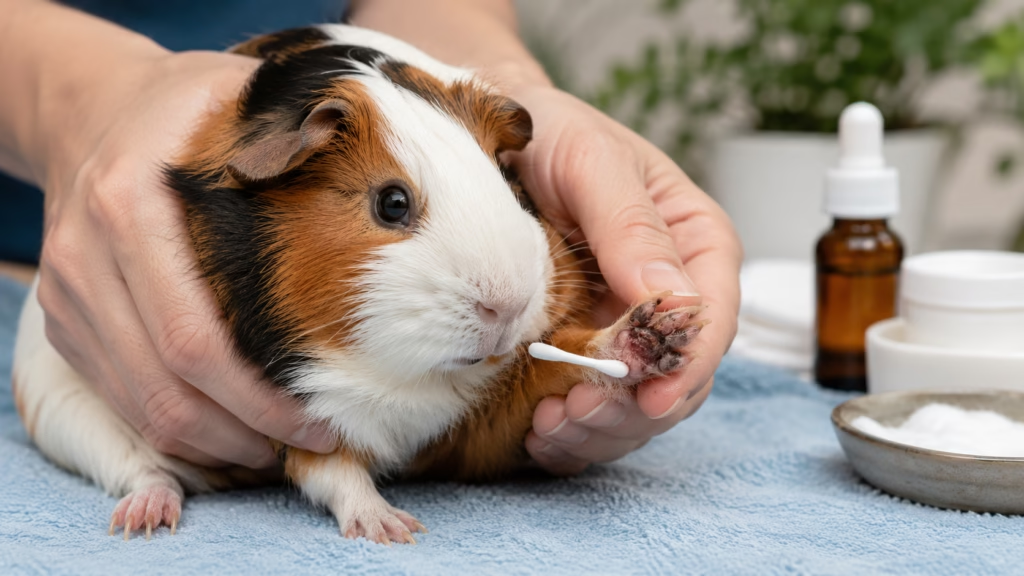
As the condition progresses, dark scabs may form on the footpads. These scabs often indicate that deeper tissue damage has occurred beneath the surface. Open sores or ulcers may eventually develop, exposing underlying tissues to bacterial infection.
Many guinea pigs begin excessively licking, chewing, or nibbling at their feet in response to discomfort. Owners may notice wet fur around the feet or observe the guinea pig focusing repeatedly on the affected area.
Behavioral changes are also common. A guinea pig suffering from bumblefoot may become less active, spend more time hiding, or show less interest in interacting with owners and cage mates. Appetite may decrease, and weight loss can occur if pain becomes severe enough to interfere with normal eating habits.
Causes and Risk Factors
Bumblefoot rarely develops without an underlying cause. Understanding the factors that contribute to the condition is essential for both treatment and prevention.
One of the most significant risk factors is inappropriate cage flooring. Wire-bottom cages place excessive pressure on the feet and create constant friction against delicate footpad tissues. Over time, this irritation can lead to skin breakdown and infection.
Dirty living conditions also play a major role. When guinea pigs spend extended periods on wet or soiled bedding, their feet are exposed to moisture, urine, feces, and harmful bacteria. These conditions weaken the skin barrier and greatly increase the risk of infection.
Obesity is another common contributor. Excess body weight places additional pressure on the footpads, increasing the likelihood of tissue damage. Overweight guinea pigs often develop more severe cases of bumblefoot and may experience slower recovery.
Poor nutrition can weaken the skin and immune system, making guinea pigs more susceptible to infections. Vitamin C deficiency is particularly concerning because guinea pigs cannot produce their own vitamin C and depend entirely on dietary sources.
Lack of exercise can also contribute to the condition. Guinea pigs that remain in one position for long periods experience constant pressure on specific areas of the feet, increasing the risk of tissue damage.
Home Treatment for Mild Bumblefoot
Mild cases of bumblefoot may respond well to supportive care at home, although veterinary consultation is always recommended before beginning treatment.
Step 1: Improve the Living Environment
The first priority is eliminating the source of irritation. Any wire flooring should be removed or completely covered with solid surfaces. Soft bedding materials such as fleece liners, paper-based bedding, or other veterinarian-approved substrates should be provided.
The cage should be cleaned frequently to maintain a dry and hygienic environment. Damp or soiled bedding should be removed promptly, and the entire enclosure should be thoroughly cleaned on a regular schedule.
Creating a clean and comfortable environment reduces further irritation and allows the feet to begin healing.
Step 2: Warm Foot Soaks
Warm antiseptic foot soaks can help reduce bacterial contamination and soften debris around affected areas.
A shallow container can be filled with lukewarm water mixed with a veterinarian-approved antiseptic solution, such as diluted povidone-iodine (Betadine). The solution should be diluted until it resembles weak tea in color.
The affected feet can be soaked for approximately five to ten minutes once or twice daily. This process helps cleanse the area, reduce inflammation, and promote healing.
Water temperature should always be tested carefully before use to avoid burns or discomfort.
Step 3: Gentle Cleaning
After soaking, the feet should be gently dried using a clean, soft towel.
Visible dirt, debris, or softened material around sores can be carefully removed using sterile gauze or cotton swabs. Aggressive scrubbing should be avoided because it may cause additional tissue damage and increase pain.
The goal is to keep the area clean while minimizing trauma to already sensitive tissues.
Step 4: Topical Treatment
Veterinarian-recommended topical medications may be applied after cleaning.
Certain antibiotic ointments can help reduce bacterial growth and support healing. The specific medication should be selected under veterinary guidance because some products are safer and more effective than others for guinea pigs.
In some cases, protective bandaging may be recommended. Non-stick dressings can help shield damaged tissues from further irritation while healing occurs. However, bandages must be applied carefully to avoid restricting circulation or causing additional pressure.
Step 5: Daily Monitoring
Close observation is essential throughout the recovery process.
Owners should inspect the feet daily for signs of improvement or worsening. Reduced redness, decreased swelling, and improved mobility are encouraging signs. Conversely, increased swelling, foul odor, discharge, bleeding, or worsening pain may indicate that the infection is progressing.
Documenting changes with photographs can help track healing and provide valuable information to a veterinarian.
When Veterinary Care Is Necessary
While mild cases may improve with supportive care, many cases of bumblefoot require professional veterinary treatment.
Veterinary attention should be sought immediately if deep ulcers, open wounds, pus, bleeding, or foul-smelling discharge are present. These findings often indicate a more advanced infection that cannot be adequately treated with home care alone.
Loss of appetite, rapid weight loss, lethargy, or significant changes in behavior are additional warning signs that warrant immediate medical evaluation.
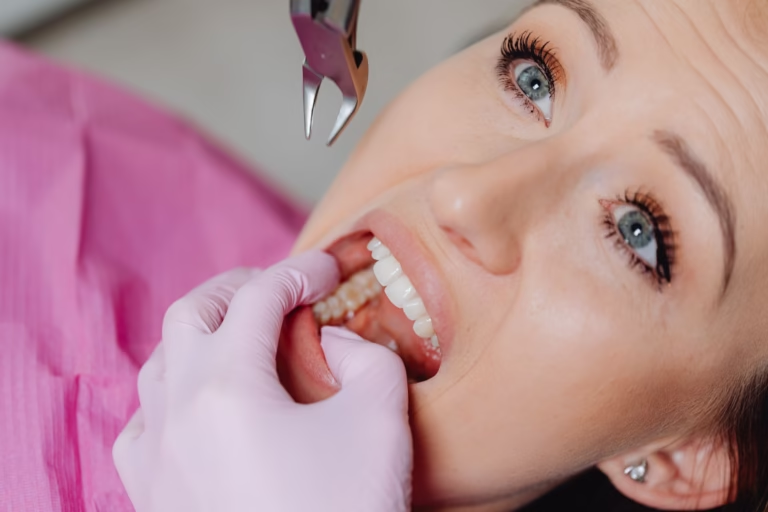
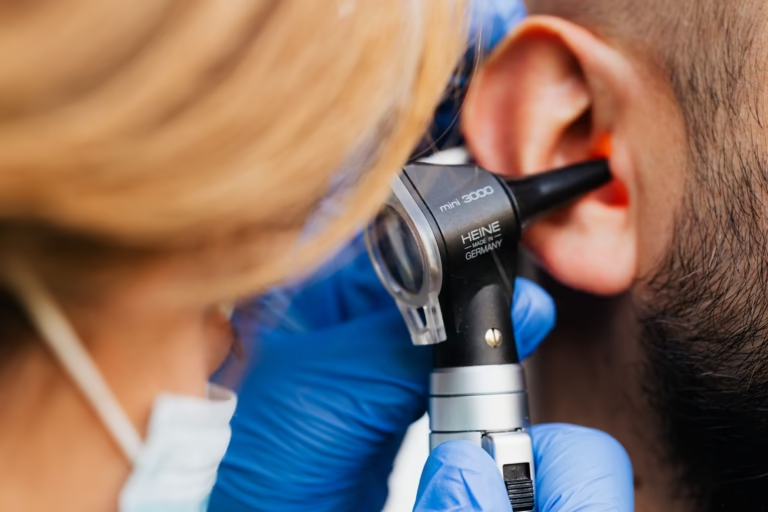
A veterinarian may perform a thorough examination and recommend diagnostic tests to assess the severity of the condition. Treatment may include oral antibiotics, pain medications, wound management, specialized bandaging, or surgical removal of infected tissue in severe cases.
Early veterinary intervention often prevents complications and improves the likelihood of full recovery.
Preventing Bumblefoot in Guinea Pigs
Preventing bumblefoot is far easier than treating advanced disease.
Maintaining clean housing conditions is one of the most effective preventive measures. Bedding should be changed regularly, and wet areas should be removed promptly.
Providing solid flooring rather than wire surfaces significantly reduces foot trauma. Soft fleece liners and paper-based bedding materials help cushion the feet and distribute pressure more evenly.
Proper nutrition is also essential. Guinea pigs should receive a balanced diet that includes high-quality hay, fresh vegetables, guinea pig pellets, and adequate vitamin C supplementation.
Maintaining a healthy body weight helps reduce pressure on the footpads. Regular exercise opportunities encourage movement and support overall health.
Routine foot inspections allow owners to identify early signs of irritation before they develop into serious infections. Checking the feet weekly takes only a few minutes but can prevent significant health problems.
Conclusion
Bumblefoot is a painful yet largely preventable condition that affects many guinea pigs. Although it often begins with mild redness and irritation, it can progress rapidly into a serious infection if left untreated. Recognizing the warning signs early, improving cage conditions, providing appropriate foot care, and seeking veterinary assistance when necessary are essential steps in successful treatment.
A clean environment, proper nutrition, healthy weight management, and regular foot inspections form the foundation of long-term prevention. With prompt attention and consistent care, most guinea pigs can recover successfully and return to their normal, active lifestyles.
By staying observant and proactive, guinea pig owners can protect their pets from unnecessary pain and help ensure many years of happy, healthy companionship.
Disclaimer
This article is for educational purposes only and does not replace professional medical advice, diagnosis, or treatment. Seizures, severe headache, confusion, visual changes, or blood pressure readings in the hypertensive crisis range require urgent medical evaluation.
Open sores, deep scabs, or bleeding on the footpads
Visible swelling that extends up the leg or joint
Loss of appetite, lethargy, or sudden weight loss
Reluctance to move, severe limping, or vocalizing in pain
No improvement after a few days of environmental changes
If your pet collapses, struggles to breathe or is in severe pain, contact an emergency vet straight away.
Frequently asked questions
Can bumblefoot in guinea pigs heal on its own?
Bumblefoot rarely resolves without intervention. Because guinea pigs constantly walk on their feet, continuous pressure and exposure to bacteria prevent natural healing. Early environmental adjustments can stop mild redness from worsening, but established infections require targeted veterinary treatment to prevent permanent joint or bone damage.
Is bumblefoot contagious to other guinea pigs?
Bumblefoot itself is not contagious. It is a secondary bacterial infection caused by physical pressure, skin trauma, and environmental hygiene issues. However, if cage mates share the same rough flooring or dirty bedding, multiple guinea pigs may develop the condition simultaneously due to the same risk factors.
What is the best bedding to prevent bumblefoot?
Soft, absorbent bedding is ideal for preventing foot trauma. Thick layers of fleece liners with an absorbent under-layer, smooth paper bedding, or high-quality hay cushion the feet effectively. Avoid wire floors, coarse wood shavings, or damp environments, and spot-clean soiled areas daily to keep feet dry.
Can I use over-the-counter antibiotic cream on my guinea pig?
No, do not use over-the-counter human ointments without explicit veterinary advice. Guinea pigs frequently groom their feet and can ingest toxic ingredients. Some topical creams also contain corticosteroids or antibiotics that disrupt a guinea pig's delicate digestive system. Stick to vet-prescribed treatments only.
Doctor of Veterinary Medicine (DVM) who reviews the pet and animal health articles on True Impact Health.
True Impact Health articles are written by our editorial team and based on reliable sources such as public health agencies, clinical guidelines and peer-reviewed research. This article has been checked by a veterinarian on our review panel. Read our editorial process.
This content is for general information and is not a substitute for professional medical advice, diagnosis or treatment.