
How to Treat Chickens for Worms: A Complete Guide to Prevention, Treatment, and Long-Term Flock Health
Introduction
Keeping chickens healthy requires more than providing quality feed, clean water, and a secure coop. One of the most common yet often overlooked health challenges in backyard and commercial poultry flocks is internal parasite infestation. Worms can silently affect a flock for weeks or even months before obvious symptoms appear. During that time, parasites can reduce growth rates, lower egg production, weaken the immune system, and negatively impact the overall health of the birds.
While a small number of worms may not immediately cause severe disease, heavy infestations can lead to significant health problems and, in extreme cases, death. Understanding how to recognize, treat, and prevent worms is therefore an essential part of responsible chicken keeping.
This guide explains the most common types of worms that affect chickens, how to identify signs of infestation, available treatment options, natural supportive remedies, and practical prevention strategies that help maintain a healthy and productive flock.
Understanding Worms in Chickens
Internal parasites are organisms that live inside a chicken’s body and obtain nutrients at the bird’s expense. Most poultry worms inhabit the digestive tract, although some species affect the respiratory system. These parasites reproduce by laying eggs that are passed in droppings, contaminating the environment and exposing other birds to infection.
Chickens become infected when they consume worm eggs or larvae from contaminated soil, water, feed, insects, earthworms, or droppings. Birds that spend time free-ranging are particularly exposed because they frequently forage in areas where parasites may be present.
Several different worms commonly affect chickens, and each species causes distinct health problems.
Roundworms (Ascaridia galli)
Roundworms are among the most common internal parasites found in poultry. These large worms live in the small intestine, where they compete with the bird for nutrients. Heavy infestations can cause intestinal blockage, poor growth, weight loss, and reduced egg production.
Young birds are especially vulnerable because their immune systems are still developing. In severe cases, large numbers of roundworms can significantly impair nutrient absorption and overall health.
Tapeworms
Tapeworms attach themselves to the lining of the intestine and absorb nutrients directly from the host. Chickens often acquire tapeworms by consuming infected insects such as beetles, flies, ants, or earthworms.
Although mild infections may cause few symptoms, severe infestations can lead to weight loss, weakness, poor feather condition, and decreased productivity.
Cecal Worms (Heterakis gallinarum)
Cecal worms inhabit the ceca, which are two pouch-like structures connected to the digestive tract. While these worms often cause minimal direct damage, they are particularly important because they can carry the organism responsible for blackhead disease.
Blackhead disease can be devastating, especially in turkeys, making control of cecal worms essential even when chickens appear healthy.
Gapeworms (Syngamus trachea)
Gapeworms differ from most poultry worms because they live in the respiratory system rather than the digestive tract. These parasites attach to the lining of the trachea, causing breathing difficulties.
Affected birds often stretch their necks, gasp for air, cough, shake their heads, or make unusual breathing noises. Severe infestations can obstruct the airway and become life-threatening if left untreated.
Recognizing the Signs of Worm Infestation
Early detection is one of the most effective ways to minimize the impact of worms on your flock. Unfortunately, symptoms often develop gradually and may initially resemble other illnesses.
One of the most common signs of internal parasites is unexplained weight loss. Chickens may continue eating normally but fail to maintain body condition because worms are absorbing nutrients intended for the bird.
Reduced egg production is another frequent indicator. Hens that previously laid consistently may begin producing fewer eggs, stop laying altogether, or lay eggs with thin or soft shells. This occurs because nutritional resources are diverted away from egg production.
Many chickens with worm infestations develop diarrhea or a dirty vent area. Droppings may appear loose, watery, or abnormal in color. In some cases, worms or worm segments may be visible in the feces.
Feather quality often declines as infestations progress. Birds may appear ragged, dull, or poorly groomed. Feathers may lose their shine, and the overall appearance of the bird may seem unhealthy.
Lethargy is another common symptom. Infected chickens frequently spend more time sitting, appear less active, and show less interest in food or social interactions.
Gapeworm infections may produce respiratory symptoms such as coughing, wheezing, head shaking, and open-mouth breathing. Birds may repeatedly stretch their necks as they struggle to breathe.
Regular observation of your flock is one of the most valuable tools for identifying problems before they become severe.
Diagnosing Worm Infestations
Although visible symptoms can suggest worms, the most reliable method of diagnosis is veterinary fecal testing.
A veterinarian can perform a fecal flotation examination to identify worm eggs under a microscope. This test helps determine which parasites are present and guides treatment decisions.
Fecal testing also prevents unnecessary deworming. Treating chickens without confirming an infestation can contribute to parasite resistance and may expose birds to medications they do not need.
Many poultry veterinarians recommend routine fecal examinations at least once or twice per year, particularly in larger flocks or areas with a history of parasite problems.
Conventional Deworming Treatments
When a significant worm burden is identified, veterinary-approved deworming medications provide the most effective and reliable treatment.
Fenbendazole
Fenbendazole is one of the most commonly used dewormers in poultry. It is highly effective against several types of worms, including roundworms and gapeworms.
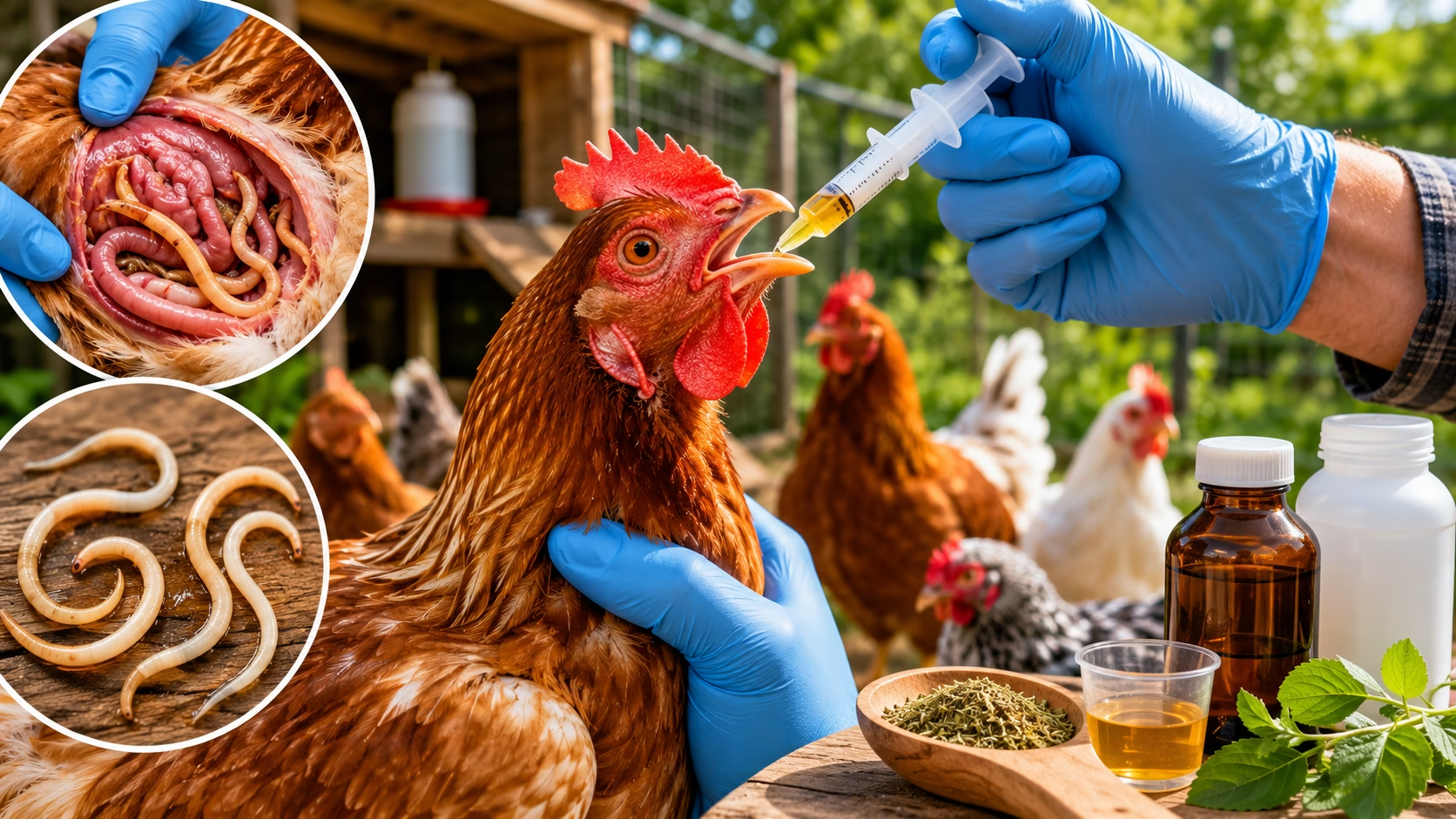
This medication works by interfering with the parasites’ ability to absorb nutrients, ultimately causing their death. Fenbendazole is generally administered through feed or directly by mouth, depending on the product formulation.
Piperazine
Piperazine is primarily used to treat roundworm infections. It works by paralyzing worms, allowing the chicken to expel them naturally through the digestive tract.
Because it targets a narrower range of parasites than some other medications, it is important to confirm the type of infestation before relying on piperazine as a treatment.
Ivermectin
Ivermectin is a broad-spectrum antiparasitic medication that may be used under veterinary supervision in certain poultry situations. It can help control several internal and external parasites.
Because regulations and recommendations vary, poultry owners should consult a veterinarian before using ivermectin.
Proper Administration of Dewormers
Successful treatment depends heavily on correct dosing and administration.
Whenever possible, chickens should be weighed or accurately estimated before treatment. Underdosing may fail to eliminate parasites completely, while overdosing may increase the risk of side effects.
Always follow the manufacturer’s instructions or your veterinarian’s recommendations regarding dosage, administration method, and treatment duration.
Many parasite control programs require a second treatment approximately ten to fourteen days after the initial dose. This follow-up treatment helps eliminate worms that hatch from eggs after the first treatment.
It is also important to observe any egg or meat withdrawal periods specified by the medication manufacturer.
Natural and Supportive Remedies
Many poultry keepers use natural remedies alongside conventional parasite management programs. While these approaches may support overall health, they should not be viewed as replacements for effective deworming medications in cases of significant infestation.
Food-Grade Diatomaceous Earth
Food-grade diatomaceous earth is often added to feed or bedding. It is believed to help reduce parasite loads through its abrasive properties.
Scientific evidence regarding its effectiveness against internal worms remains limited. Additionally, excessive use may create dust that irritates the respiratory system of both birds and humans.
Pumpkin Seeds
Raw pumpkin seeds contain a natural compound called cucurbitacin, which may help impair certain parasites.
Many flock owners grind pumpkin seeds and mix them into feed as a supplemental measure. While pumpkin seeds alone are unlikely to eliminate severe infestations, they may contribute to overall parasite management.
Garlic
Garlic has long been used in poultry keeping because of its potential antimicrobial and immune-supporting properties.
Crushed garlic can be mixed into feed or water in moderation. Although it is not a substitute for deworming medication, it may help support general flock health.
Apple Cider Vinegar
Apple cider vinegar is commonly added to drinking water in small amounts. Many poultry keepers believe it promotes digestive health and creates a less favorable environment for certain pathogens.
While scientific evidence remains limited, it is widely used as part of holistic flock management.
Probiotics
Probiotics support beneficial gut bacteria and help maintain digestive health. A healthy digestive system can strengthen the immune response and improve resilience against various health challenges, including parasite stress.
Poultry-specific probiotic products are often available through feed suppliers and veterinary clinics.
Preventing Worm Infestations
Prevention remains the most effective long-term strategy for parasite control.
Maintain a Clean Coop
Regular cleaning significantly reduces the number of worm eggs present in the environment. Droppings should be removed frequently, and bedding should be replaced on a routine schedule.
Keeping the coop dry is equally important because moisture promotes the survival of parasite eggs and larvae.
Rotate Grazing Areas
When chickens remain in the same area continuously, parasite eggs accumulate in the soil. Rotating runs and allowing ground to rest periodically helps break parasite life cycles.
Pasture rotation is particularly beneficial for free-range and backyard flocks.
Quarantine New Birds
New chickens should always be quarantined before joining an established flock. During the quarantine period, birds can be monitored for signs of illness and tested or treated for parasites if necessary.
This simple practice prevents the introduction of new parasites into an otherwise healthy flock.
Provide Proper Nutrition
Well-nourished chickens develop stronger immune systems and are generally more resistant to disease.
A balanced poultry ration, access to clean water, and appropriate vitamin supplementation all contribute to overall health and resilience.
Control Intermediate Hosts
Many worms rely on insects, slugs, earthworms, or other organisms to complete their life cycles.
Reducing exposure to these intermediate hosts can help decrease parasite transmission within the flock.
Monitoring and Record Keeping
Successful parasite control requires ongoing monitoring.
Maintaining records of deworming treatments, veterinary examinations, fecal test results, and observed symptoms helps identify trends and evaluate the effectiveness of management strategies.
Important information to record includes:
- Date of treatment
- Medication used
- Dosage administered
- Egg production levels
- Observed symptoms
- Veterinary recommendations
- Fecal test results
These records become increasingly valuable over time and help guide future parasite control decisions.
Conclusion
Worm infestations are a common challenge in poultry keeping, but they can be effectively managed through a combination of early detection, appropriate treatment, and proactive prevention strategies. Understanding the different types of worms that affect chickens allows flock owners to recognize symptoms quickly and respond before serious health problems develop.
Veterinary-approved dewormers remain the most reliable treatment for significant infestations, while supportive measures such as good nutrition, probiotics, and proper coop management help strengthen overall flock health. Maintaining clean housing, rotating grazing areas, quarantining new birds, and conducting regular health checks further reduce the risk of recurring parasite problems.
By adopting a comprehensive parasite-control program and monitoring your flock consistently, you can protect your chickens from the harmful effects of worms, improve egg production, support long-term health, and enjoy a thriving, productive flock for years to come.
Disclaimer
This article is for educational purposes only and does not replace professional medical advice, diagnosis, or treatment. Seizures, severe headache, confusion, visual changes, or blood pressure readings in the hypertensive crisis range require urgent medical evaluation.