



















Gestational Diabetes Symptoms: Recognizing the Signs Early
Learn about gestational diabetes symptoms to identify them early and manage your health effectively during pregnancy.
Table of Contents
Key Takeaways
Pregnancy brings about numerous changes in a woman’s body, and with those changes come certain health risks. One potential risk that some expectant mothers face is gestational diabetes. This condition affects how your body processes glucose, leading to high blood sugar levels during pregnancy. It’s crucial to recognize gestational diabetes symptoms to manage the condition effectively and maintain both maternal and fetal health.
Gestational diabetes typically develops during the second or third trimester and usually resolves after childbirth. However, understanding its symptoms can help in timely diagnosis and intervention, which are vital for a healthy pregnancy. This guide will explore the symptoms of gestational diabetes, how to recognize them, and what steps to take if you suspect you may be affected.
In this article, we will cover the common symptoms, risk factors, and the importance of early screening for gestational diabetes. We aim to empower you with knowledge that can lead to better health outcomes for you and your baby.
Common Symptoms of Gestational Diabetes
Gestational diabetes often does not present clear symptoms, making it challenging to diagnose without proper screening. However, there are some signs that you can be aware of. Here are the most common symptoms:
- Increased Thirst: One of the most noticeable symptoms is excessive thirst. This may be due to high blood sugar levels, which can lead your body to attempt to flush out the excess glucose through increased urination.
- Frequent Urination: Alongside increased thirst, many pregnant women with gestational diabetes report needing to urinate more often than usual. This is a direct response to the body’s efforts to eliminate excess sugar.
- Fatigue: Feeling unusually tired or fatigued is another symptom that may arise. Pregnancy can be exhausting, but if you find that your fatigue is more pronounced than typical, it could be a signal to investigate further.
- Blurred Vision: Some women might experience changes in vision, such as blurred sight. This can be caused by fluctuations in blood sugar levels.
- Headaches: Frequent headaches can also occur and may be related to high blood sugar levels.
It’s important to note that while experiencing one or more of these symptoms can raise concern, they are not definitive indicators of gestational diabetes. Many of these symptoms can be attributed to normal pregnancy changes.
Understanding the Signs
Recognizing gestational diabetes symptoms requires awareness of what is typical versus what might be concerning. For instance, a woman named Sarah was in her second trimester when she started feeling more tired than usual. Initially, she attributed this to the demands of her growing baby and the physical changes she was experiencing. However, as her thirst increased and she found herself waking several times a night to urinate, she began to question whether something else was going on.
Sarah’s experience illustrates how easy it can be to overlook symptoms that could indicate gestational diabetes. By taking note of these signs and discussing them with her healthcare provider, she was able to undergo the necessary screening tests, leading to a timely diagnosis and effective management of her condition.
Another key point is that not all women will experience symptoms, which is why regular screenings during pregnancy are essential. If you fall into a higher risk category for gestational diabetes, such as having a family history of diabetes, being overweight, or having had gestational diabetes in previous pregnancies, it becomes even more important to monitor your health closely.

Risk Factors for Gestational Diabetes
Some women are more prone to developing gestational diabetes than others. Understanding the risk factors can help you identify if you should be particularly vigilant about monitoring symptoms. Key risk factors include:
- Obesity: Women with a body mass index (BMI) of 30 or higher are at a higher risk of developing gestational diabetes.
- Age: Being over the age of 25 increases the likelihood of developing this condition.
- Family History: A family history of diabetes can elevate your risk.
- Previous Gestational Diabetes: If you had gestational diabetes during a past pregnancy, you are more likely to develop it again.
- Polycystic Ovary Syndrome (PCOS): Women with PCOS are at a higher risk due to insulin resistance.
Having one or more of these risk factors does not guarantee that you will develop gestational diabetes, but it does increase your risk. Awareness of these factors can lead to proactive measures to manage your health during pregnancy.
Screening and Diagnosis
Screening for gestational diabetes typically occurs between the 24th and 28th weeks of pregnancy. This process usually involves a glucose challenge test, where a woman drinks a sugary solution, and then her blood sugar levels are tested afterward. If the results indicate elevated blood sugar, further testing may be required to confirm a diagnosis.
Understanding the screening process can alleviate anxiety. The tests are standard and are designed to ensure the health of both mother and baby. If diagnosed, your healthcare provider will work with you to develop a management plan, which may include dietary changes, physical activity, and regular blood sugar monitoring.
Despite the potential for complications, many women with gestational diabetes go on to have healthy pregnancies and babies. Early detection and management are key to achieving positive outcomes.
Managing Gestational Diabetes Symptoms
Upon diagnosis, managing gestational diabetes is crucial for the health of both mother and child. Here are some effective strategies:
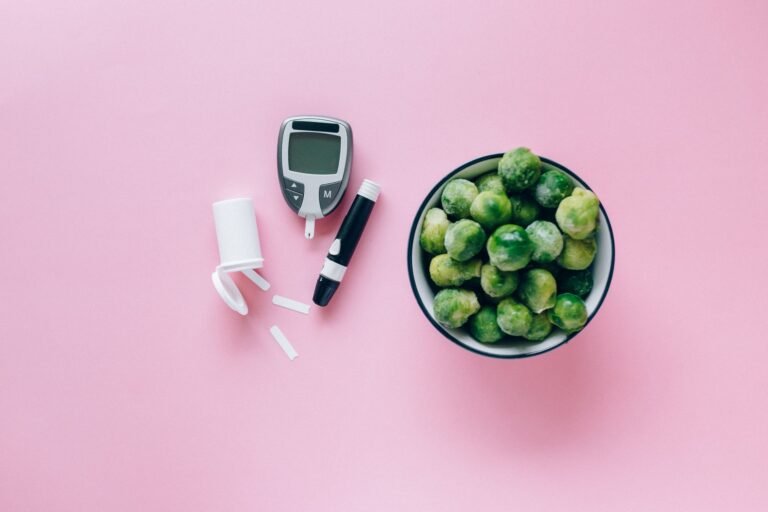
- Dietary Changes: Focusing on a balanced diet rich in whole grains, vegetables, lean proteins, and healthy fats can help regulate blood sugar levels. Monitoring carbohydrate intake is particularly important.
- Regular Exercise: Engaging in moderate physical activity, such as walking or prenatal yoga, can improve insulin sensitivity and help manage blood sugar levels.
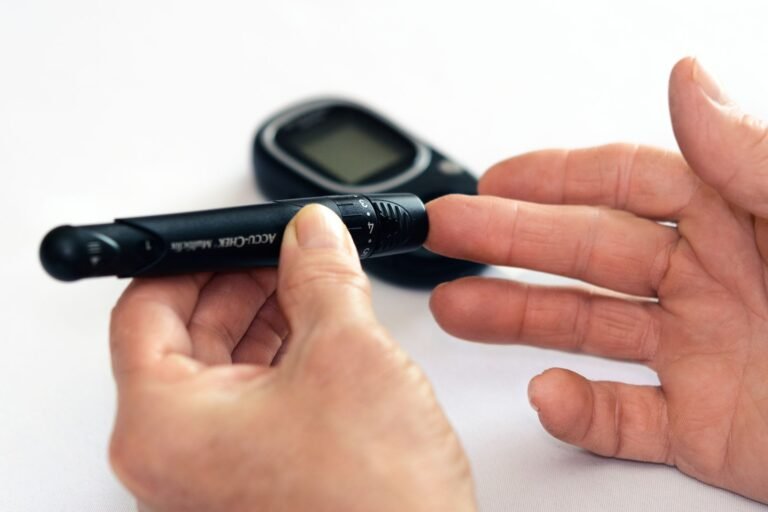
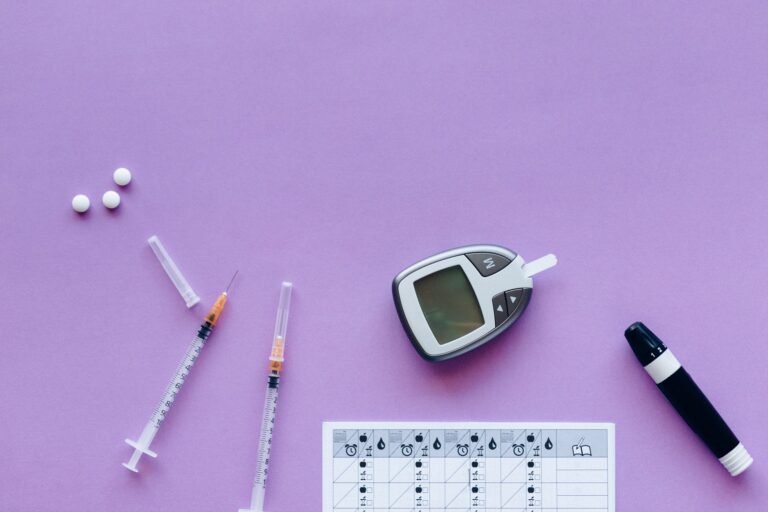
- Blood Sugar Monitoring: Regularly checking blood sugar levels helps you understand how your body responds to different foods and activities, ensuring you stay within a healthy range.
Working with a healthcare team, including a dietitian and a prenatal care provider, can provide personalized support and guidance tailored to your specific needs. This collaborative approach fosters better health outcomes and peace of mind.
Emotional Support and Resources
In addition to physical management, emotional support plays a vital role in coping with the stresses of gestational diabetes. Joining a support group or seeking counseling can provide a space to share experiences and receive encouragement from others in similar situations. Moreover, educational resources about gestational diabetes can empower you with knowledge and strategies to manage the condition effectively.
It’s important to remember that you are not alone. Many women face the challenge of gestational diabetes, and with the right support, it is entirely manageable. Your healthcare provider can help you find resources and support systems that work for you.

Understanding the Impact of Gestational Diabetes on Mother and Baby
Maternal Health Consequences
Gestational diabetes not only affects blood sugar levels but can also have several implications for maternal health. Women diagnosed with gestational diabetes are at a higher risk for developing type 2 diabetes later in life. The hormonal changes during pregnancy can lead to insulin resistance, which may persist even after delivery. Addressing these issues early is crucial for long-term health.
In addition to the risk of developing chronic diabetes, women may experience other health complications, including preeclampsia, which is characterized by high blood pressure and can be harmful to both mother and baby. Additionally, gestational diabetes can lead to excessive weight gain during pregnancy, further complicating recovery and overall health.
- Increased risk of hypertension
- Potential for postpartum depression
- Long-term metabolic syndrome risk
Effects on Fetal Development
The impact of gestational diabetes extends beyond the mother, as it can significantly affect fetal development. High blood sugar levels can lead to macrosomia, where the baby grows excessively large, increasing the likelihood of complications during delivery. This condition can lead to the necessity of cesarean delivery, which comes with its own set of risks for both mother and child.
Furthermore, babies born to mothers with gestational diabetes are at a higher risk for developing metabolic issues later in life, including obesity and type 2 diabetes. It is essential for expecting mothers to monitor their blood sugar levels and adhere to dietary recommendations to minimize such risks.
- Potential for premature birth
- Increased risk of neonatal hypoglycemia
- Long-term developmental concerns
Identifying Less Common Symptoms of Gestational Diabetes
Physical Discomforts
While common symptoms like excessive thirst and frequent urination are well recognized, there are less overt signs that may indicate gestational diabetes. Physical discomfort such as unusual fatigue or difficulty concentrating can be subtle yet significant indicators. Many women may dismiss these symptoms as normal pregnancy fatigue, but they can signal the need for a blood sugar evaluation.
Another less commonly recognized symptom is blurred vision. High blood sugar levels can lead to fluid being pulled from the eye lenses, affecting the ability to focus. It is important for pregnant women experiencing these symptoms to consult their healthcare provider, as they can indicate elevated blood glucose levels.
- Unusual fatigue
- Blurred vision
- Difficulty concentrating
Emotional and Psychological Symptoms
Gestational diabetes can also manifest through emotional and psychological symptoms. The stress of managing a high-risk pregnancy can lead to feelings of anxiety and depression. Women may feel overwhelmed by the dietary changes and the need for constant monitoring of blood sugar levels, which can impact their overall mental well-being.
In some cases, emotional symptoms may be compounded by feelings of isolation. Support from family, friends, and healthcare providers is vital in helping mothers navigate these challenges. Recognizing emotional symptoms as valid and real is the first step toward effective management.
- Increased anxiety levels
- Feelings of isolation
- Potential for mood swings
Testing and Monitoring for Gestational Diabetes
Importance of Early Screening
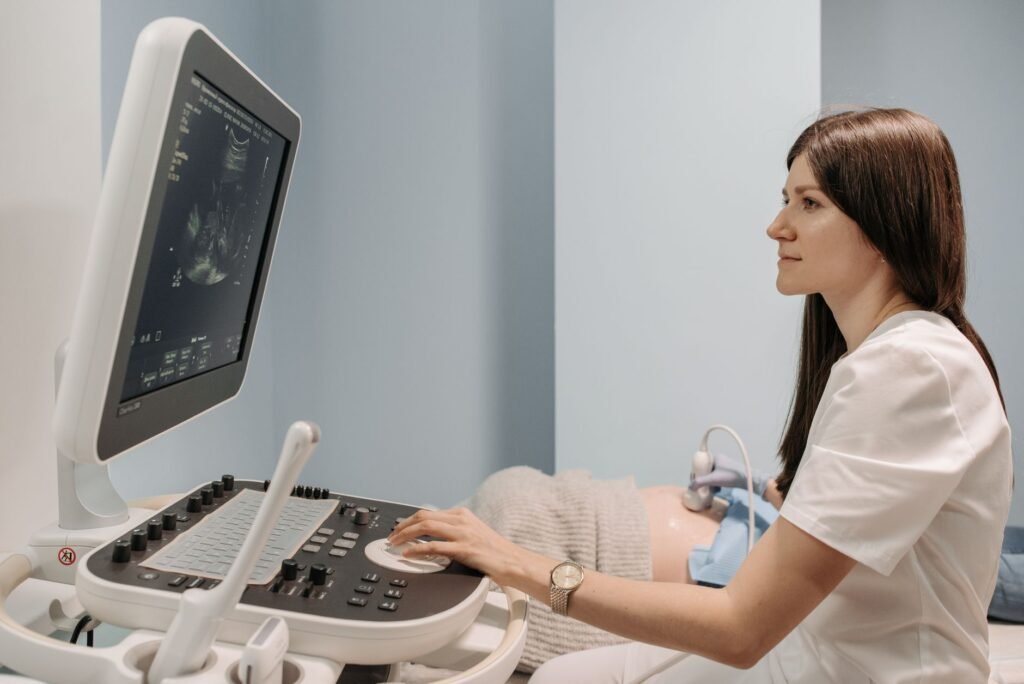
Early screening for gestational diabetes is crucial for effective management. The American Diabetes Association recommends that women be screened for gestational diabetes between 24 and 28 weeks of pregnancy. However, women with risk factors may need to be tested earlier. Early detection can lead to timely interventions that can significantly reduce risks for both mother and baby.
Screening typically involves a glucose challenge test, where the patient drinks a sugary solution, followed by blood tests. If results are elevated, further testing may be necessary to confirm the diagnosis. Understanding the importance of these screenings can empower women to advocate for their health during pregnancy.
- Initial screening at 24-28 weeks
- Early testing for high-risk individuals
- Follow-up tests if initial results are elevated
Continuous Monitoring Techniques
Once diagnosed, continuous monitoring of blood sugar levels becomes vital. Women are often advised to check their blood glucose levels multiple times a day to ensure they remain within a target range. This monitoring helps in making real-time dietary and activity adjustments, which can mitigate symptoms and reduce risks.
In addition to self-monitoring, some healthcare providers may utilize Continuous Glucose Monitoring (CGM) systems. These devices provide real-time data and can be particularly beneficial for women with fluctuating glucose levels. Understanding how to effectively monitor and manage blood sugar can empower women in their pregnancy journey.
- Self-monitoring blood sugar levels
- Utilization of Continuous Glucose Monitoring systems
- Adjusting diet and activity levels based on results
For more information, see MedlinePlus.
Frequently Asked Questions
What are the long-term effects of gestational diabetes?
While gestational diabetes usually resolves after childbirth, it can increase the risk of developing type 2 diabetes later in life. Women who have had gestational diabetes should have regular screenings for diabetes post-pregnancy.
Can gestational diabetes affect my baby?
If left unmanaged, gestational diabetes can lead to complications for the baby, such as excessive birth weight, early delivery, and increased risk of jaundice. However, with proper management, the risks can be significantly reduced.
How can I prevent gestational diabetes?
While not all cases can be prevented, maintaining a healthy weight, eating a balanced diet, and engaging in regular physical activity can lower your risk. Early screening is also essential, especially if you have risk factors.
Is there a cure for gestational diabetes?
Gestational diabetes typically resolves after childbirth. However, ongoing lifestyle changes and monitoring are important to reduce the risk of future diabetes-related issues.
The Bottom Line
Gestational diabetes is a condition that can affect women during pregnancy, often without clear symptoms. Recognizing signs such as increased thirst, frequent urination, and fatigue can lead to timely diagnosis and management. Regular screenings are essential, especially for those at higher risk. With proper care, women with gestational diabetes can have healthy pregnancies and reduce the risk of complications for both themselves and their babies. Stay informed and proactive to ensure your health and well-being during this important time.
Was this page helpful?
Thanks for your feedback! What could we improve?
Thank you! Your feedback helps us improve our articles.
True Impact Health articles are written by our editorial team and based on reliable sources such as public health agencies, clinical guidelines and peer-reviewed research. This article has not yet been medically reviewed. Read our editorial process.
This content is for general information and is not a substitute for professional medical advice, diagnosis or treatment.