















Balance Exercises: Essential Moves for Stability and Strength
Discover effective balance exercises to enhance stability, improve strength, and prevent falls. Perfect for all fitness levels.
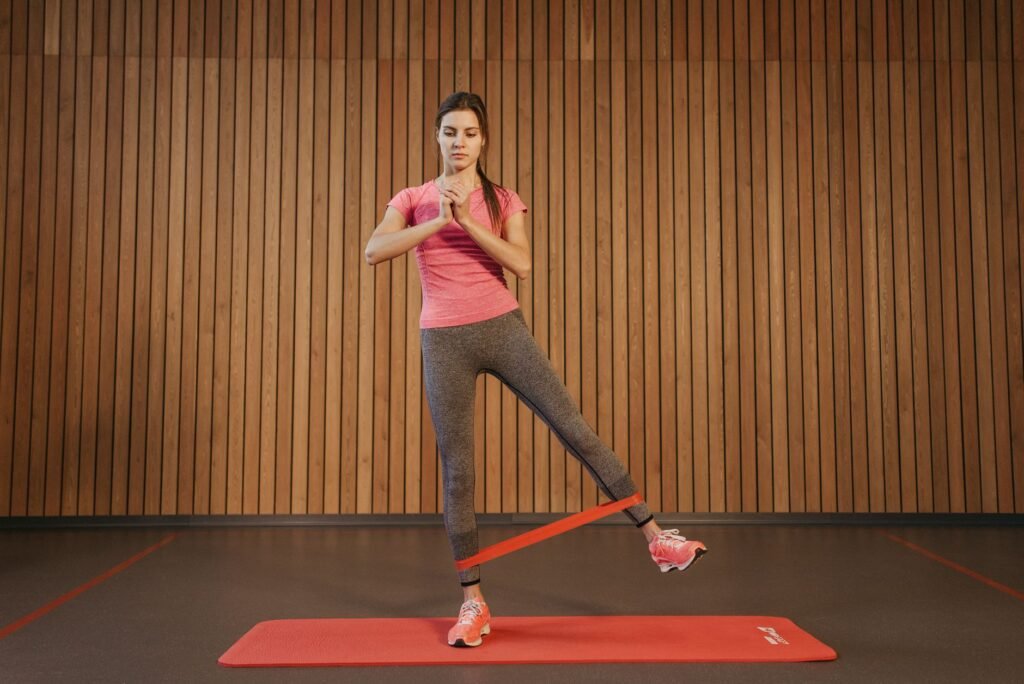
Table of Contents
Key Takeaways
- Balance exercises enhance stability and coordination.
- They are crucial for fall prevention, especially in older adults.
- Incorporating balance training improves overall strength.
- Simple exercises can be done at home with no equipment.
Balance exercises are fundamental components of a well-rounded fitness routine. They enhance stability, coordination, and strength, making them essential for individuals of all ages. Whether you’re looking to improve your athletic performance, recover from an injury, or simply prevent falls, incorporating balance exercises into your regimen can provide significant benefits.
Many people overlook the importance of balance training, focusing instead on cardiovascular or strength workouts. However, balance is crucial for everyday activities such as walking, climbing stairs, or even standing still. This article will explore various balance exercises, their benefits, and practical tips for incorporating them into your routine.
As we age, our balance tends to decline due to factors such as decreased muscle strength, flexibility, and vision changes. This decline can lead to an increased risk of falls, which can result in serious injuries like fractures or head trauma. By engaging in regular balance training, individuals can mitigate these risks and enhance their overall quality of life.
Understanding Balance
Balance is the body’s ability to maintain its center of mass over its base of support. It involves the integration of sensory information from the eyes, inner ears, and proprioceptors in the muscles and joints.
There are three main types of balance: static balance, dynamic balance, and functional balance:
- Static Balance: The ability to maintain a position without movement, such as standing on one leg.
- Dynamic Balance: The ability to maintain balance while moving, such as walking or running.
- Functional Balance: The ability to perform everyday activities while maintaining stability.
Benefits of Balance Exercises
Incorporating balance exercises into your fitness routine offers numerous benefits:
- Improved Coordination: Balance exercises help enhance coordination, which is vital for athletic performance and daily activities.
- Injury Prevention: By strengthening stabilizing muscles, balance training can reduce the risk of injuries related to falls.
- Enhanced Strength: Many balance exercises also engage core and leg muscles, contributing to overall strength development.
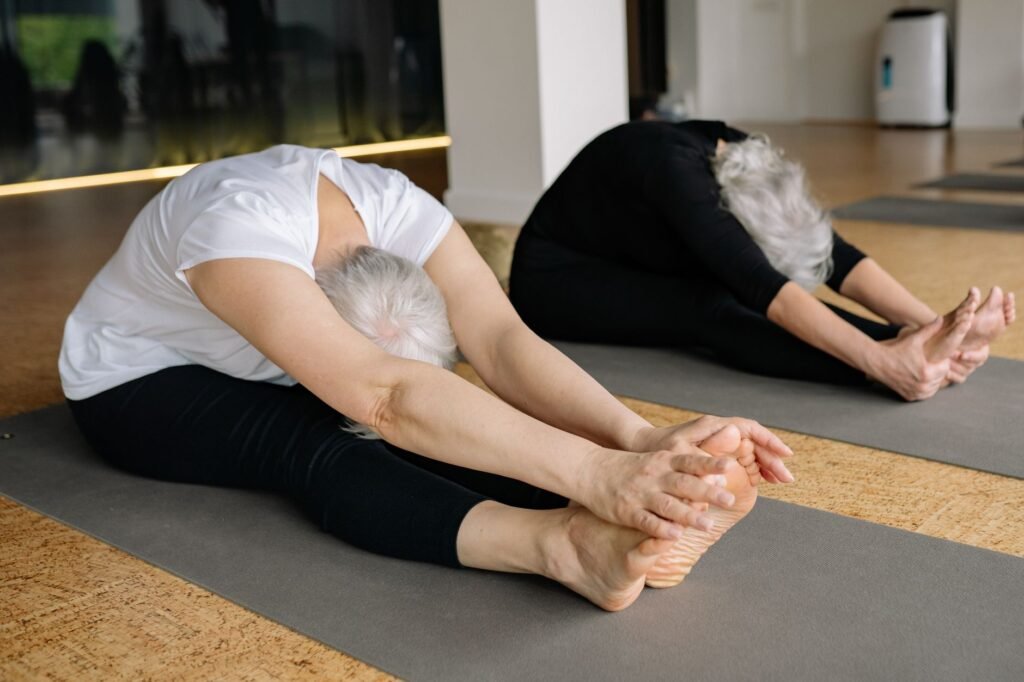
- Increased Flexibility: Balance training often involves movements that enhance flexibility and joint range of motion.
Simple Balance Exercises to Try
Here are several effective balance exercises that can be performed at home without the need for special equipment:
1. Single Leg Stand
This exercise helps improve static balance:
- Stand tall with feet hip-width apart.
- Shift your weight onto your right leg.
- Lift your left foot off the ground, bending your knee to 90 degrees.
- Hold this position for 10-30 seconds, then switch legs.
2. Heel-to-Toe Walk
This dynamic balance exercise mimics walking while challenging stability:
- Find a straight line on the floor or imagine one.
- Place your right heel directly in front of your left toe.
- Walk forward in a straight line, placing each heel in front of the toe of the opposite foot.
- Focus on keeping your body upright and steady.
3. Tai Chi
Tai Chi is a gentle form of martial arts that enhances balance:
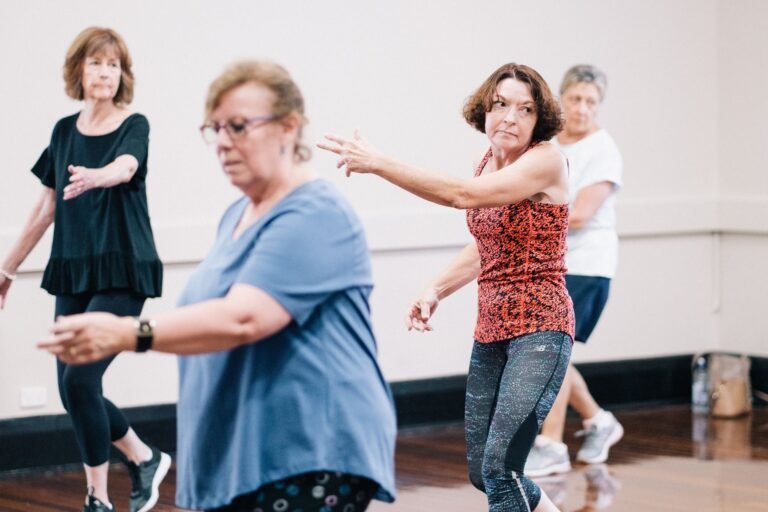
- Practice slow, controlled movements that promote relaxation and stability.
- Join a local class or find instructional videos online.
- Focus on maintaining your center of gravity throughout each movement.
Incorporating Balance Exercises into Your Routine
To effectively integrate balance exercises into your fitness regimen, consider the following tips:
- Start Slowly: If you are new to balance training, begin with simpler exercises and gradually progress to more challenging ones.
- Consistency is Key: Aim to include balance exercises in your routine at least 2-3 times per week.
- Use Support if Needed: If you feel unsteady, use a wall, chair, or other stable surface for support until you build confidence.
- Mix It Up: Incorporate a variety of balance exercises to keep your routine engaging and effective.
Real-Life Example: A Day in the Life of Balance Training
Consider the story of Maria, a 65-year-old woman who wants to maintain her independence and mobility. After experiencing a minor fall at home, she decided to incorporate balance exercises into her daily routine.
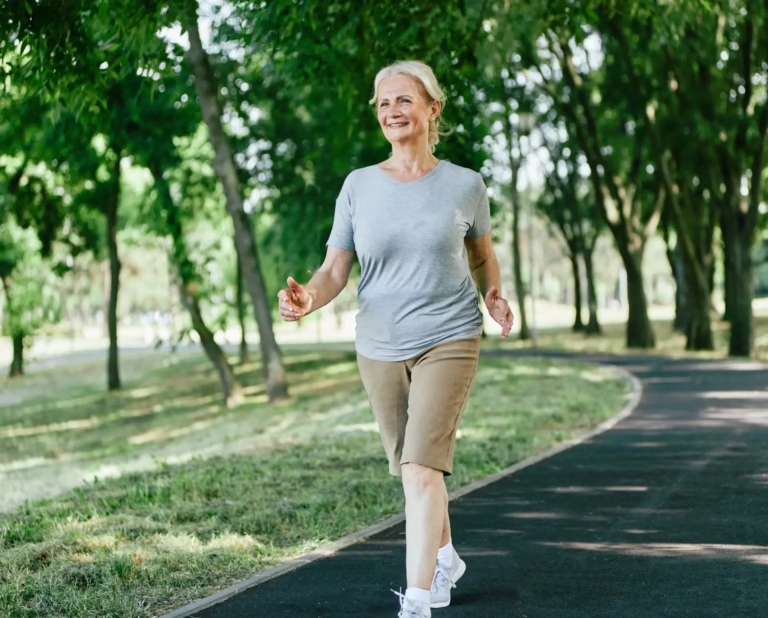
Maria began with simple exercises, like the single-leg stand, which she practiced while brushing her teeth each morning. As she gained confidence, she added the heel-to-toe walk during her daily walks in the park. Over time, Maria joined a Tai Chi class, finding it both enjoyable and beneficial for her balance.
By committing to regular practice, Maria not only improved her balance but also boosted her overall strength and flexibility, allowing her to engage more fully in activities she loves.
Balance Exercises for Different Age Groups
Balance exercises can benefit individuals across various age groups, but the approach and types of exercises may vary significantly. Understanding the unique needs and capabilities of different age demographics can help tailor a balance training program that enhances stability and strength effectively.
Balance Training for Seniors
As we age, maintaining balance becomes increasingly crucial to prevent falls and injuries. Balance training for seniors should focus on improving stability, enhancing proprioception, and building strength in the lower body. Simple exercises like standing on one leg or heel-to-toe walking can be very beneficial.
- Start with a sturdy chair or countertop for support.
- Gradually reduce support as confidence and strength improve.
- Incorporate gentle movements to enhance core stability.
Another effective exercise is the “T’ai Chi” method, which has been proven to improve balance through slow, controlled movements. It emphasizes mental focus and body awareness, making it an excellent option for seniors.
Balance Exercises for Athletes
For athletes, balance training is often integrated into their regular workouts, focusing on enhancing performance and preventing injuries. These exercises can vary from dynamic movements to more static holds, depending on the sport. Athletes often benefit from using balance tools like stability balls, Bosu balls, or balance boards.
- Single-leg squats improve strength and stability in the legs.
- Plank variations on a stability ball engage the core while challenging balance.
- Plyometric exercises like jump squats can enhance balance and strength simultaneously.
Incorporating balance exercises into sport-specific drills can not only improve performance but also prepare athletes for the unpredictable demands of their sport.
Balance for Children
Children also benefit from balance exercises as they develop coordination, strength, and overall body awareness. Fun and engaging activities can encourage children to practice balance without it feeling like a chore. Activities like hopping on one foot, balancing on a beam, or playing games that require quick changes in direction can enhance balance skills.
- Incorporate games like “Simon Says” focusing on balance poses.
- Use obstacle courses that challenge balance and coordination.
- Encourage activities like dancing, which promote rhythm and stability.
These playful methods can help instill a lifelong appreciation of physical activity while developing essential balance skills.
Advanced Balance Techniques
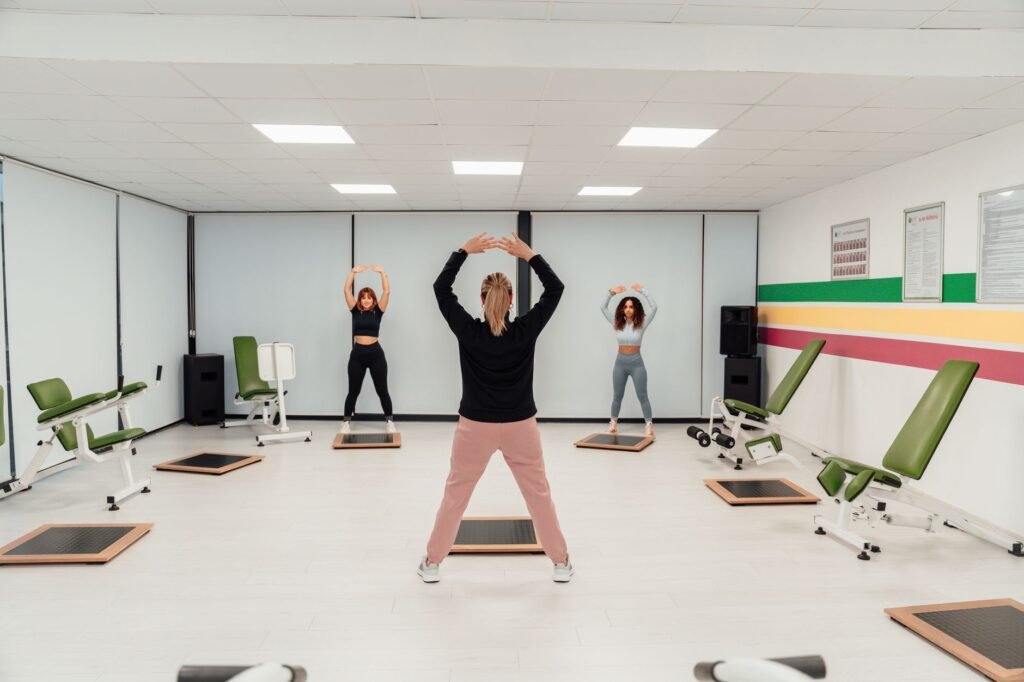
Once basic balance exercises have been mastered, individuals can progress to more advanced techniques to further challenge their stability and strength. These techniques often require greater focus, coordination, and strength, pushing the limits of one’s balance capabilities.
Dynamic Balance Training
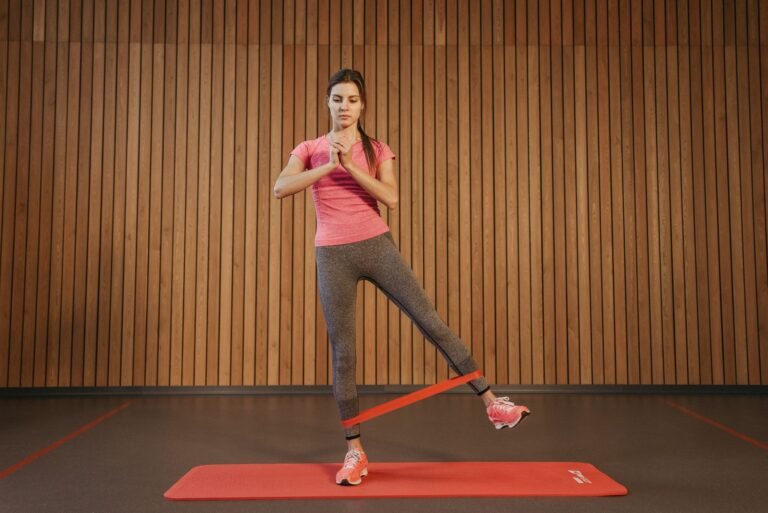
Dynamic balance refers to the ability to maintain stability while in motion. This can be particularly useful for athletes or anyone looking to enhance their functional balance. Exercises such as walking lunges with a twist or lateral band walks can be effective.
- Walking lunges engage multiple muscle groups while challenging stability.
- Lateral band walks improve hip stability and control.
- Incorporate medicine balls or weights to increase the challenge.
Incorporating dynamic elements into balance training can help improve agility and coordination, crucial for sports performance and everyday activities.
Balance Challenges with Equipment
Using equipment can add variety to balance training while increasing the difficulty level. Tools like balance discs, wobble boards, and stability balls can provide new challenges that require increased focus and core engagement.
- Balance discs can be used for exercises like squats or standing rows.
- Wobble boards allow users to perform traditional exercises while engaging stabilizing muscles.
- Stability balls can enhance core strength during balance-focused workouts.
These tools not only make workouts more engaging but also significantly enhance the benefits of balance training by incorporating instability.
Mind-Body Connection in Balance Training
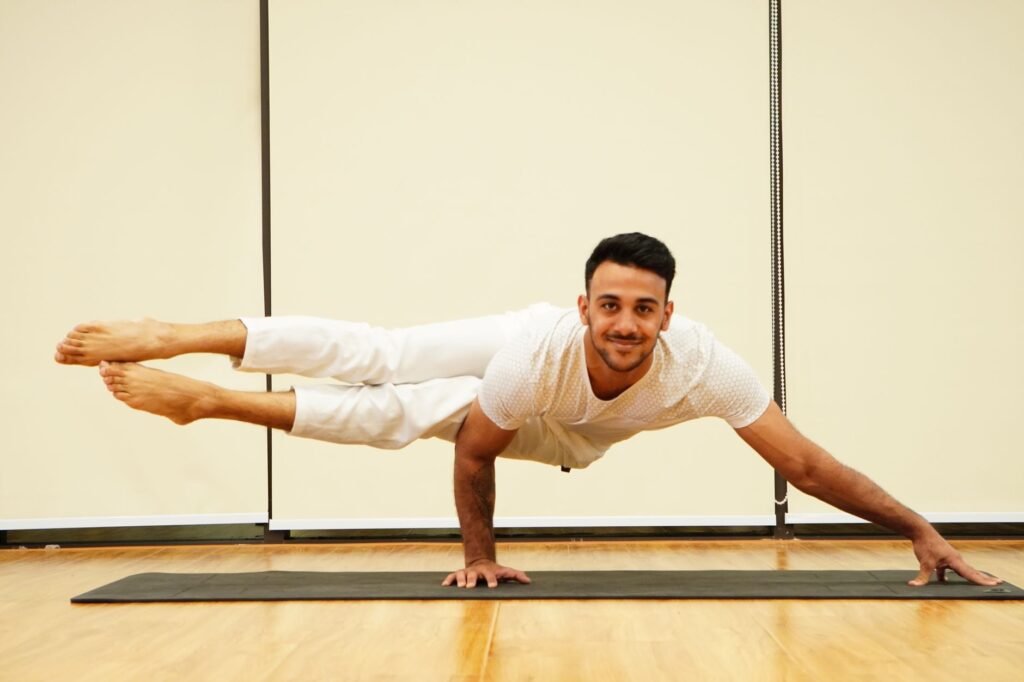
Incorporating mindfulness into balance exercises can deepen the benefits of training by enhancing focus and body awareness. Practices such as yoga and Pilates emphasize the connection between mind and body, making them excellent for balance training.
- Yoga poses like the Tree Pose or Warrior III require deep concentration and control.
- Pilates routines often involve balance elements, focusing on core strength and stability.
- Meditation techniques can be integrated to improve mental focus during balance workouts.
These practices can help individuals not only improve their physical balance but also enhance their mental clarity and focus, resulting in overall better performance in daily tasks.
Common Mistakes in Balance Training
While engaging in balance exercises, individuals often make mistakes that can hinder their progress or lead to injury. Recognizing these common pitfalls can help ensure a safer and more effective balance training experience.
Neglecting Core Strength
One of the most common mistakes is overlooking the importance of core strength in balance training. A strong core is essential for stabilizing the body during various movements. Many individuals focus solely on lower body strength while neglecting the core, which can lead to instability.
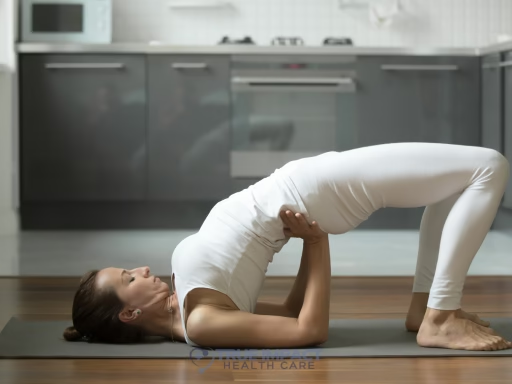
- Incorporate core exercises like planks and bridges into balance routines.
- Ensure proper alignment and posture during exercises to support core engagement.
- Aim for a balanced workout that includes both strength and stability training.
Building core strength will enhance overall balance and stability, making exercises more effective and safe.
Rushing Through Exercises
Another common mistake is rushing through balance exercises. Balance training requires precision and control, and moving too quickly can decrease effectiveness and increase the risk of falls. Individuals should take their time, focusing on each movement and maintaining proper form.
- Practice slow, controlled movements to enhance stability.
- Focus on breathing and maintain a steady rhythm to improve concentration.
- Gradually increase speed only after mastering the basic movements.
Slowing down allows individuals to develop better control and awareness, leading to improved balance over time.
Ignoring Pain or Discomfort
Finally, many individuals ignore pain or discomfort while performing balance exercises. It is crucial to listen to your body and recognize when something feels off. Pushing through pain can lead to injuries that set back progress significantly.
- Pay attention to any unusual sensations and stop immediately if pain occurs.
- Consult a healthcare professional if pain persists or is severe.
- Modify exercises as needed to accommodate any limitations.
By recognizing the body’s signals, individuals can create a safer and more effective training environment that fosters improvement without the risk of injury.
Balance Exercises for Specific Health Conditions
Improving Balance for Seniors
As individuals age, maintaining balance becomes increasingly crucial to prevent falls and injuries. Tailored balance exercises can significantly enhance stability in seniors. Exercises such as standing on one leg, heel-to-toe walking, and chair stands can be particularly beneficial. These exercises help strengthen the lower body while also improving proprioception, which is the body’s ability to sense its position in space.
- Standing on one leg: Hold for 10-30 seconds on each leg.
- Heel-to-toe walk: Take 10 steps forward and back.
- Chair stands: Perform 10 repetitions of standing up from a chair without using hands.
Balance Challenges for Individuals with Parkinson’s Disease
Parkinson’s disease can severely impact balance and coordination. Incorporating exercises that focus on core strength, flexibility, and lower body strength is essential for individuals with this condition. Activities like tai chi, yoga, and specific balance-focused exercises can enhance stability and reduce fall risk. Engaging in regular practice of these exercises can lead to improved mobility and increased confidence.
- Tai Chi: Focus on slow, controlled movements.
- Yoga: Incorporate poses such as tree pose and warrior III.
- Heel-toe standing: Stand for 30 seconds on one leg, switch legs.
Integrating Mindfulness into Balance Training
The Mind-Body Connection
Mindfulness can significantly enhance the effectiveness of balance training. When individuals focus on their breath and body movements, they improve their body awareness, which is critical for maintaining balance. Mindful exercises encourage a connection between mental focus and physical movement, leading to better outcomes in balance performance.
- Practice meditation before balance training to center your mind.
- Incorporate breathing exercises during balance practice.
- Visualize stability while performing balance exercises.
Breath Control and Stability
Breath control plays a vital role in improving stability. By coordinating breath with movement, individuals can enhance their balance and focus. Techniques such as diaphragmatic breathing can help engage the core muscles, further supporting balance. Practicing breath control during exercises allows for a smoother transition between movements, fostering a more stable experience.
- Inhale deeply while preparing for a movement.
- Exhale during the execution of a balance challenge.
- Maintain steady breathing to keep focus and reduce tension.
Using Props to Enhance Balance Exercises
Incorporating Balance Tools
Using props can provide additional support and challenge during balance exercises. Items such as balance boards, stability balls, and resistance bands can enhance the training experience by adding instability, which requires greater engagement of stabilizing muscles. This approach not only improves strength but also boosts confidence in performing balance tasks.
- Balance boards: Stand on one leg while maintaining balance.
- Stability balls: Perform squats while sitting on a ball.
- Resistance bands: Use while performing leg raises for added challenge.
Creating a Balance Station at Home
Setting up a designated balance station at home can encourage regular practice. A balance station can include various props and designated space for exercises. This setup makes it convenient to incorporate balance training into daily routines, fostering consistency and progress.
- Choose a quiet area with enough space.
- Gather props such as balance pads, resistance bands, and weights.
- Schedule specific times for balance practice to establish a routine.
For more information, see CDC.
Frequently Asked Questions
What are some signs that I need to improve my balance?
Common signs include frequent trips or falls, difficulty standing on one leg, or feeling unsteady when walking. If you notice these symptoms, it might be time to focus on balance exercises.
Can balance exercises help prevent falls in older adults?
Yes, balance exercises are particularly beneficial for older adults as they strengthen stabilizing muscles and improve coordination, ultimately reducing the risk of falls.
How often should I do balance exercises?
Aim for at least 2-3 sessions per week, incorporating a mix of static and dynamic balance exercises to see improvements over time.
Do I need any special equipment for balance exercises?
No special equipment is required for basic balance exercises; however, you may use a sturdy chair or wall for support if needed.
The Bottom Line
Balance exercises are an essential part of any fitness routine, offering numerous benefits from improved stability to enhanced strength. Whether you are young or old, incorporating these exercises can help prevent falls, boost confidence, and enhance overall physical performance. Start with simple movements and gradually progress to more challenging exercises, ensuring a safe and effective balance training experience.
Was this page helpful?
Thanks for your feedback! What could we improve?
Thank you! Your feedback helps us improve our articles.
True Impact Health articles are written by our editorial team and based on reliable sources such as public health agencies, clinical guidelines and peer-reviewed research. This article has not yet been medically reviewed. Read our editorial process.
This content is for general information and is not a substitute for professional medical advice, diagnosis or treatment.