

















Low Impact Exercise: Effective Workouts for Every Ability
Discover low impact exercise options that are gentle on the joints while still providing effective workouts for all fitness levels.
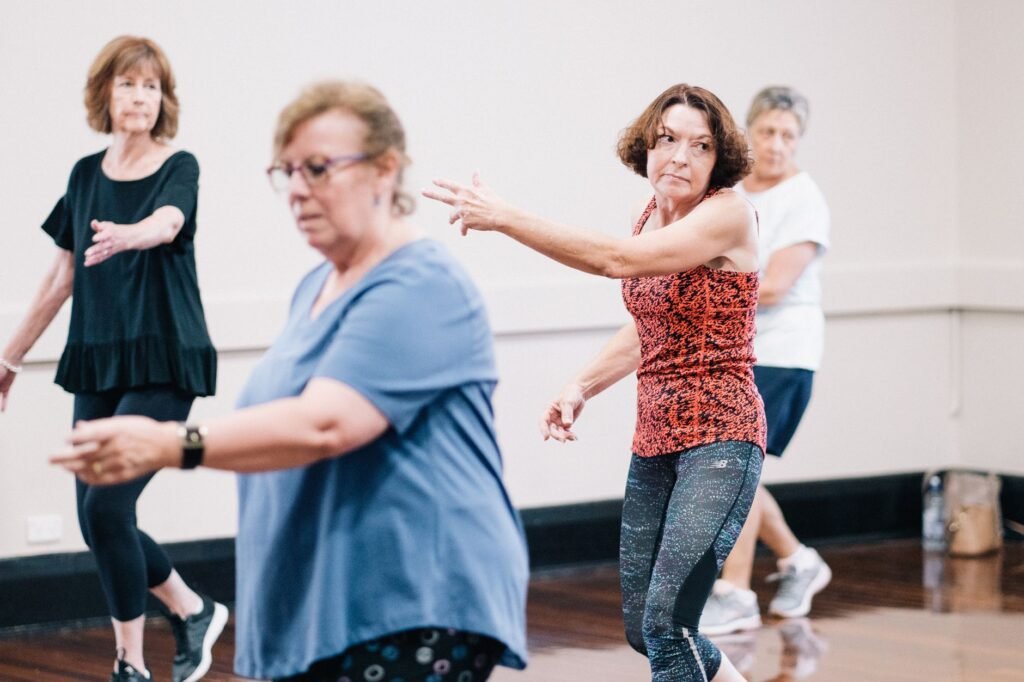
Table of Contents
Key Takeaways
- Low impact exercises reduce stress on joints.
- Ideal for individuals with injuries or chronic conditions.
- Variety of workouts available to maintain engagement.
- Can improve strength, flexibility, and cardiovascular health.
Understanding Low Impact Exercise
Low impact exercise refers to physical activities that are gentle on the joints and typically do not require excessive force or abrupt movements. This type of exercise is ideal for people of all ages, especially those who may have injuries, chronic health conditions, or are new to exercise. By prioritizing safety and sustainability, low impact workouts allow individuals to stay active while minimizing the risk of injury.
In contrast to high impact activities like running or aerobics, low impact exercises provide a more controlled environment for movement. This makes them suitable for various populations, including seniors, pregnant women, and those recovering from surgery or injury. Furthermore, low impact exercises can still deliver significant health benefits, including improved cardiovascular fitness, muscle strength, and flexibility.
Engaging in low impact exercise can also serve as a motivational tool for those who may feel intimidated by traditional forms of fitness. By focusing on activities that promote joint health and overall well-being, individuals can foster a positive relationship with exercise, enhancing their commitment to a healthier lifestyle.
Benefits of Low Impact Exercise
Low impact exercises provide a range of benefits that can enhance an individual’s physical and mental health. Here are some of the key advantages:
- Joint Protection: Low impact activities decrease the strain on joints, making them safer for those with existing joint issues or arthritis.
- Accessibility: Many low impact exercises can be modified to suit different fitness levels, making them inclusive for everyone.
- Improved Balance and Coordination: Low impact workouts often incorporate movements that enhance stability and coordination, which can be particularly beneficial for older adults.
- Stress Reduction: Engaging in low impact exercises, such as yoga or swimming, can help reduce stress levels and promote relaxation.
- Enhanced Endurance: Regular participation in low impact activities can gradually build endurance without overexerting the body.
Types of Low Impact Exercises
There are numerous types of low impact exercises to choose from, allowing individuals to find activities that they enjoy. Here’s a breakdown of some popular options:
1. Swimming
Swimming is a full-body workout that is easy on the joints. The buoyancy of water supports the body, reducing the risk of injury while providing resistance that strengthens muscles.
2. Cycling
Cycling, whether stationary or on the road, is another excellent low impact exercise. It helps improve cardiovascular fitness while building leg strength without stressing the joints.
3. Yoga
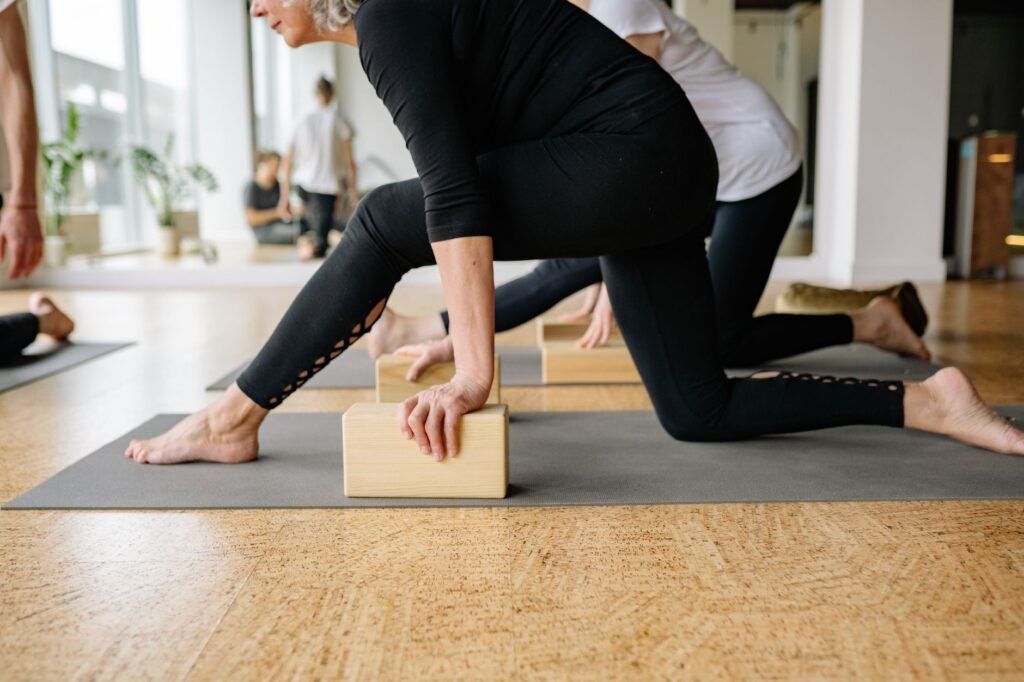
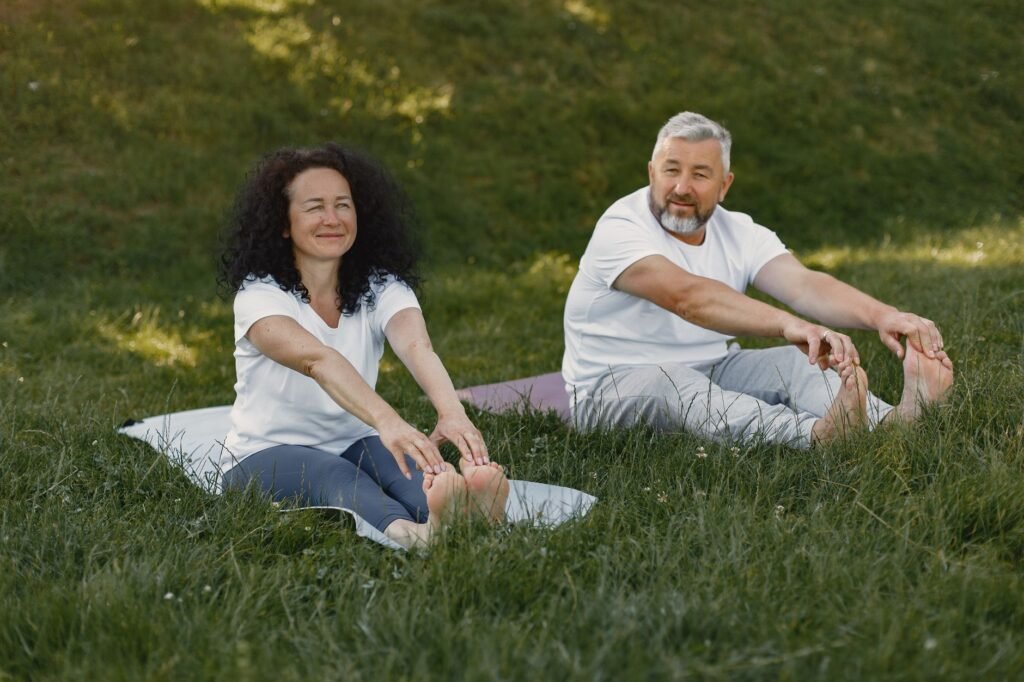
Yoga combines gentle movements, stretching, and breathing techniques that promote flexibility and relaxation. It can be adapted for individuals of all skill levels, making it a versatile option.
4. Pilates
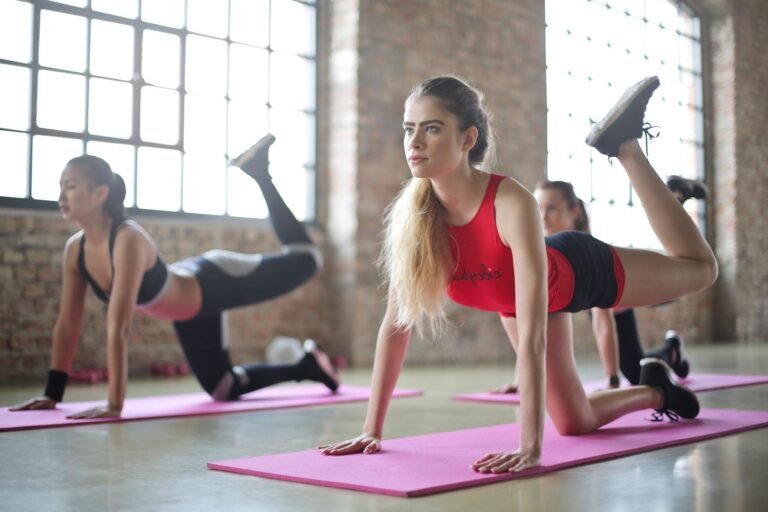
Pilates focuses on core strength, flexibility, and posture. Many exercises can be performed on a mat or with specialized equipment, accommodating various fitness levels.
5. Walking
Walking is one of the simplest and most accessible low impact exercises. It can be done anywhere, requires no special equipment, and can be easily incorporated into daily routines.
6. Low Impact Aerobics
This form of aerobics minimizes jumping and high-impact movements, focusing instead on sustained, rhythmic movements that elevate the heart rate while being easy on the joints.
Creating a Low Impact Workout Routine
Building a low impact workout routine can be straightforward and enjoyable. Here are some steps to consider:
1. Set Clear Goals
Establishing specific fitness goals will help guide your workout routine. Whether your aim is to lose weight, improve endurance, or enhance overall well-being, having defined objectives can keep you motivated.
2. Choose Activities You Enjoy
Select exercises that you find enjoyable. This could range from a fun dance class to serene yoga sessions. Enjoyment is crucial for maintaining consistency in your fitness journey.
3. Incorporate Variety
Mixing different types of low impact exercises can prevent boredom and work various muscle groups. For example, a weekly routine could include swimming, yoga, and walking.
4. Schedule Regular Workouts
Consistency is key to achieving fitness goals. Aim for at least 150 minutes of moderate-intensity exercise each week, spread across several days. This could equate to 30 minutes of low impact exercise five days a week.
5. Listen to Your Body
It’s essential to pay attention to how your body responds to exercise. If you experience discomfort or pain, consider adjusting your workouts or consulting a healthcare professional for guidance.
Real-Life Example of Low Impact Exercise
Consider a fictional character named Sarah. Sarah is a 57-year-old woman who loves to stay active but has recently developed knee pain. She is concerned about maintaining her fitness without exacerbating her condition.
After consulting a physical therapist, Sarah learns about low impact exercises that can help her strengthen her muscles and improve flexibility without putting additional strain on her knees. She starts a routine that includes swimming three times a week, participating in a gentle yoga class, and taking daily walks in her neighborhood.
Over time, Sarah notices improvements in her overall fitness, including enhanced mood, increased energy levels, and a gradual reduction in knee discomfort. By focusing on low impact exercises, she feels empowered to remain active and healthy.
Precautions and Considerations
While low impact exercises are generally safe, it’s essential to consider some precautions before beginning any new workout routine:
- Consult a Healthcare Professional: If you have pre-existing health conditions or concerns, consult your doctor before starting a new exercise program.
- Start Slowly: If you’re new to exercise, begin with shorter sessions and gradually increase duration and intensity.
- Focus on Proper Technique: Ensure that you use correct form to prevent injury. Consider working with a certified instructor if you’re unsure about your technique.
- Stay Hydrated: Drink plenty of water before, during, and after exercise to maintain hydration levels.
- Listen to Your Body: Pay attention to any signs of pain or discomfort. If something doesn’t feel right, stop and reassess.
Incorporating Mindfulness into Low Impact Exercise
The Connection Between Mindfulness and Exercise
Mindfulness is the practice of being present and fully engaged with the moment, which can greatly enhance the experience of low impact exercise. When you focus on your breath, movements, and body sensations, you create a deeper connection with your workout. This connection can lead to improved mental clarity and concentration, making your exercise more effective.
By incorporating mindfulness techniques, such as meditation before workouts or focusing on the rhythm of your breath during exercise, you can transform a simple workout into a holistic practice. This approach not only benefits your physical health but also contributes to your mental well-being.
Mindful Movement Practices
Several low impact exercises lend themselves well to mindfulness practices. Here are a few that can help you cultivate mindfulness while enjoying a workout:
- Yoga: Focuses on breath control and body awareness.
- Tai Chi: Involves slow, deliberate movements that promote mental calmness.
- Walking Meditation: Combines the act of walking with mindfulness techniques.
When practicing these activities, pay attention to how your body feels during each movement. Notice any tension or discomfort, and practice releasing it with your breath. This process not only enhances relaxation but also improves your overall performance.
Setting Intentions for Your Workouts
Setting clear intentions can make your low impact workout more meaningful and effective. Before starting your session, take a moment to reflect on what you want to achieve. Whether it’s improving flexibility, reducing stress, or simply enjoying movement, having a focused intention can guide your practice. Write down your intentions or say them out loud to solidify your commitment.
As you exercise, consistently remind yourself of your intentions. This practice can create a sense of purpose, making it easier to stay motivated and engaged throughout your workout.

Adapting Low Impact Workouts for Specific Conditions
Low Impact Workouts for Seniors
As we age, our bodies require different considerations during exercise. Low impact workouts are particularly beneficial for seniors, as they reduce the risk of injury while promoting strength, balance, and flexibility. Here are some effective low impact exercises tailored for older adults:
- Chair Yoga: Gentle poses that can be performed while seated, improving flexibility and relaxation.
- Water Aerobics: Provides resistance in a safe environment, enhancing muscle strength and cardiovascular health.
- Resistance Band Training: Helps build strength without the need for heavy weights, making it safer for joints.
Incorporating these types of exercises into a weekly routine can help seniors maintain independence and improve overall quality of life. It’s also essential to encourage social interaction, as group classes can foster a sense of community and support.
Low Impact Workouts for Individuals with Joint Pain
Joint pain can be a significant barrier to exercise, but low impact workouts can offer relief while keeping you active. Low impact exercises help strengthen the muscles surrounding the joints without causing added stress. Here are a few recommended activities:
- Swimming: Provides a full-body workout without pressure on the joints.
- Cycling: Offers cardiovascular benefits and strengthens leg muscles.
- Elliptical Training: Mimics running without the harsh impact on knees and hips.
Listening to your body is crucial. If you experience pain during any exercise, it’s advisable to adjust the intensity or consult with a healthcare professional to find a suitable alternative.
Low Impact Exercises for Postpartum Recovery
Returning to exercise after childbirth requires a careful approach. Low impact workouts can help new mothers regain strength and flexibility while being mindful of their bodies. Here are a few exercises that are particularly beneficial:
- Pelvic Floor Exercises: Strengthen the muscles that support the bladder and uterus.
- Walking: A gentle way to ease back into fitness while improving cardiovascular health.
- Modified Yoga: Focuses on gentle movements that promote relaxation and core strength.
New mothers should also be aware of their bodies’ signals during recovery. Gradually increasing the intensity and duration of workouts is key to avoiding injury and ensuring a sustainable fitness journey.
Creating a Supportive Environment for Low Impact Workouts
Choosing the Right Space
The environment in which you choose to work out plays a vital role in your motivation and performance. A supportive, comfortable space can enhance your low impact exercise experience. Consider the following factors when selecting your workout space:
- Lighting: Natural light can boost mood and energy levels.
- Temperature: Ensure the space is at a comfortable temperature to avoid overheating or chills.
- Accessibility: Choose a location that is easy to access to encourage consistency.
Whether you prefer exercising at home, in a gym, or outdoors, creating a positive environment can greatly impact your commitment to your fitness goals.
Building a Community
Finding a community can provide the support and encouragement needed to maintain a low impact exercise routine. Engaging with others who share similar fitness goals can enhance accountability and motivation. Consider these options to build a supportive network:
- Group Classes: Join local classes focused on low impact workouts, such as yoga or water aerobics.
- Online Communities: Participate in forums or social media groups dedicated to low impact exercise.
- Workout Buddies: Partner with friends or family members to make exercising more enjoyable.
Having a support system can make workouts more enjoyable and increase your likelihood of sticking with your routine. Share progress, celebrate achievements, and motivate each other to stay active.
Utilizing Technology for Motivation
Technology can play a significant role in enhancing your low impact exercise experience. From fitness apps to wearable devices, there are various tools available to keep you motivated and track your progress. Here are some tech options to consider:
- Fitness Apps: Many apps offer guided low impact workouts and track your progress.
- Wearable Fitness Trackers: Monitor your activity levels and set goals to stay accountable.
- Online Classes: Access a variety of low impact workout videos from the comfort of your home.
By leveraging these technologies, you can enhance your workout experience, stay motivated, and achieve your fitness goals more effectively.
For more information, see MedlinePlus.
Frequently Asked Questions
What is considered low impact exercise?
Low impact exercise includes activities that are gentle on the joints, such as swimming, cycling, walking, yoga, and low impact aerobics.
Can low impact exercise help with weight loss?
Yes, low impact exercise can contribute to weight loss when combined with a balanced diet. It helps burn calories while being easier on the body.
Is low impact exercise suitable for seniors?
Absolutely. Low impact exercises are often recommended for seniors as they promote physical activity without causing undue stress on joints.
How often should I do low impact exercise?
Aim for at least 150 minutes of moderate-intensity low impact exercise each week, which can be broken down into manageable sessions throughout the week.
The Bottom Line
Low impact exercise offers a valuable approach to fitness that prioritizes joint health while delivering essential health benefits. With various activities to choose from, individuals can create a personalized routine that aligns with their goals and preferences. By embracing low impact workouts, anyone can discover a sustainable path to improved physical and mental well-being.
Was this page helpful?
Thanks for your feedback! What could we improve?
Thank you! Your feedback helps us improve our articles.
True Impact Health articles are written by our editorial team and based on reliable sources such as public health agencies, clinical guidelines and peer-reviewed research. This article has not yet been medically reviewed. Read our editorial process.
This content is for general information and is not a substitute for professional medical advice, diagnosis or treatment.