Diet for Fatty Liver: Essential Foods for Recovery
Explore an effective diet for fatty liver that promotes liver health and aids recovery with practical tips and food choices.
By True Impact Health Editorial Team

Medical doctor and clinical researcher focused on preventive medicine, chronic disease and clear, evidence-based health communication.
Reviewed this article on November 11, 2026.
View profile How we reviewUpdated on November 9, 2026 10 min read

Table of Contents
Key Takeaways
- Understanding fatty liver and its causes.
- Key dietary changes to support liver health.
- Foods to include and avoid for optimal recovery.
- Practical tips for implementing dietary changes.
Fatty liver disease, characterized by excess fat accumulation in the liver, is becoming increasingly common worldwide. Often linked to obesity, diabetes, and high cholesterol, this condition can lead to more serious liver issues if not addressed through lifestyle changes, particularly diet. A well-planned diet for fatty liver can help reverse damage, support liver function, and improve overall health. This article aims to provide a comprehensive guide to the dietary adjustments necessary for managing fatty liver disease.
Understanding what foods can support liver health and which ones to avoid is crucial for anyone diagnosed with fatty liver. The good news is that many delicious and nutritious options can help improve liver function. This guide will delve into the essential components of an effective diet for fatty liver, practical tips for implementation, and real-life examples of dietary success in managing this condition.
Before making any significant changes to your diet, it’s advisable to consult with a healthcare professional or a registered dietitian. They can help tailor a plan that suits your individual health needs.
What is Fatty Liver Disease?
Fatty liver disease is categorized into two main types: alcoholic fatty liver disease (AFLD) and non-alcoholic fatty liver disease (NAFLD). AFLD results from excessive alcohol consumption, while NAFLD occurs in individuals who drink little or no alcohol. The latter is more prevalent and is often associated with metabolic syndrome, a cluster of conditions that increase the risk of heart disease, stroke, and diabetes.
NAFLD can progress from simple fatty liver (steatosis) to non-alcoholic steatohepatitis (NASH), which involves inflammation and can lead to liver fibrosis, cirrhosis, and liver cancer. Understanding the type of fatty liver disease and its progression is vital for determining the appropriate dietary approach.
Common symptoms of fatty liver disease may include fatigue, weight loss, and discomfort in the upper right abdomen. However, many individuals remain asymptomatic, making regular check-ups and blood tests essential for early detection.

Dietary Changes to Support Liver Health
Making dietary changes is one of the most effective ways to manage fatty liver disease. The primary goal is to reduce liver fat, inflammation, and improve insulin sensitivity. Here are several dietary strategies that can help:
- Reduce Caloric Intake: For those who are overweight or obese, losing even a small percentage of body weight can significantly reduce liver fat. Focus on portion control and mindful eating.
- Increase Fiber: Foods high in fiber, such as fruits, vegetables, whole grains, and legumes, can help reduce liver fat and improve overall digestive health.
- Limit Sugar and Refined Carbs: High sugar intake, especially from soft drinks and sweets, can contribute to liver fat accumulation. Opt for complex carbohydrates like whole grains instead.
Incorporating healthy fats, such as omega-3 fatty acids found in fish, walnuts, and flaxseeds, can also promote liver health. These fats can help reduce inflammation and fat levels in the liver.
Monitoring your diet regularly and keeping a food journal can assist in maintaining awareness of your nutritional intake and its effects on your liver health.
Foods to Include in Your Diet
When planning a diet for fatty liver, focus on nutrient-dense foods that support liver function. Here are some beneficial food groups:
- Fruits and Vegetables: Aim for a variety of colors to ensure a broad spectrum of nutrients. Berries, leafy greens, and cruciferous vegetables (like broccoli and Brussels sprouts) are especially beneficial.
- Whole Grains: Choose whole grains over refined options. Quinoa, brown rice, oats, and barley are excellent sources of fiber and essential nutrients.
- Lean Proteins: Incorporate lean protein sources such as chicken, turkey, fish, beans, and legumes. Fish is particularly beneficial due to its omega-3 fatty acids.
Additionally, incorporating healthy snacks like nuts and seeds can provide essential nutrients without excessive calories. For example, a handful of almonds or walnuts can be a satisfying and nutritious option.

Foods to Avoid
Just as important as knowing what to eat is understanding what to avoid. Certain foods can exacerbate liver conditions and should be limited or eliminated:
- Alcohol: Alcohol can be harmful to the liver, especially in individuals with fatty liver disease. Avoiding or minimizing alcohol consumption is crucial.
- Processed Foods: Foods high in trans fats, preservatives, and artificial ingredients can contribute to liver fat accumulation. Check labels and opt for whole, unprocessed foods whenever possible.
- Sugary Drinks: Soft drinks and fruit juices high in sugar can lead to increased liver fat. Replace them with water, herbal teas, or infused water.
Making small, gradual changes can make it easier to stick to a healthier diet. For example, if you typically consume soda, try replacing it with sparkling water or herbal tea. These adjustments can significantly impact your liver health.
Meal Planning for Fatty Liver
Planning meals can simplify sticking to a diet for fatty liver. Creating a weekly meal plan ensures that you have healthy options readily available. Here’s a sample meal plan to get you started:
| Day | Breakfast | Lunch | Dinner |
|---|---|---|---|
| Monday | Oatmeal with berries | Quinoa salad with vegetables | Baked salmon with steamed broccoli |
| Tuesday | Greek yogurt with nuts | Lentil soup with whole grain bread | Grilled chicken with sweet potatoes |
| Wednesday | Smoothie with spinach and banana | Brown rice with stir-fried vegetables | Turkey meatballs with zucchini noodles |
| Thursday | Whole grain toast with avocado | Chickpea salad with tomatoes and cucumbers | Fish tacos with cabbage slaw |
| Friday | Scrambled eggs with spinach | Vegetable wrap with hummus | Stuffed bell peppers with quinoa |
| Saturday | Fruit salad with cottage cheese | Grilled vegetable platter | Chicken stir-fry with brown rice |
| Sunday | Pancakes made with almond flour | Cauliflower rice with beans | Roasted vegetables with fish |
Meal prep can also save time during the week. Consider cooking large batches of grains, beans, and proteins to use throughout the week. This approach makes assembling meals quick and easy.

Real-Life Example of Dietary Success
Consider the case of Alex, a 45-year-old man diagnosed with non-alcoholic fatty liver disease. After consulting with a dietitian, Alex learned that his high-calorie, high-sugar diet was contributing to his condition. He decided to make a change.
Alex began by replacing sugary snacks with fruits and nuts, and he started meal prepping on Sundays. He focused on incorporating more vegetables into every meal and swapped out refined grains for whole grains. Within six months of these dietary changes, Alex had lost 10% of his body weight, significantly reduced his liver fat, and improved his overall energy levels.
This example illustrates that with commitment and the right dietary changes, it is possible to manage fatty liver disease effectively.
Practical Tips for Implementing Dietary Changes
Making dietary changes can feel overwhelming, but there are practical steps you can take to simplify the process:
- Set Realistic Goals: Start with small, achievable goals rather than drastic changes. For example, aim to include one additional serving of vegetables each day.
- Stay Hydrated: Drinking plenty of water is essential for liver health. Consider carrying a reusable water bottle to encourage consistent hydration.
- Seek Support: Involve family members or friends in your dietary changes. Having a support system can help you stay motivated and accountable.
Using apps or journals to track your food intake can also provide insight into your eating habits and highlight areas for improvement. Regularly revisiting your goals can help you stay focused on your journey to better liver health.

Understanding the Role of Antioxidants in Liver Health
What Are Antioxidants?
Antioxidants are compounds that help neutralize free radicals in the body. Free radicals can cause oxidative stress, which is damaging to cells, including liver cells. By consuming foods rich in antioxidants, individuals with fatty liver disease can help protect their liver from further damage and support its recovery.
Common types of antioxidants include vitamins A, C, and E, as well as other phytochemicals like flavonoids and polyphenols. These compounds are found in various fruits, vegetables, nuts, and seeds.
Foods High in Antioxidants
Incorporating antioxidant-rich foods into your diet can significantly aid liver health. Here are some excellent sources:
- Berries (blueberries, strawberries, and blackberries)
- Leafy greens (spinach, kale, and swiss chard)
- Nuts (walnuts and pecans)
- Seeds (chia seeds and flaxseeds)
- Fruits (oranges, kiwi, and pomegranates)
- Cruciferous vegetables (broccoli, Brussels sprouts, and cauliflower)
Adding these foods to your meals can provide necessary antioxidants that enhance liver function and overall health.
How Antioxidants Support Liver Recovery
Antioxidants play a crucial role in reducing inflammation in the liver, which can be particularly beneficial for individuals with fatty liver disease. Inflammation is a significant factor in the progression of liver disease, and by consuming antioxidant-rich foods, you can potentially decrease this inflammation.
Furthermore, antioxidants can help regenerate liver cells and improve liver function. Studies have shown that diets rich in antioxidants can lead to better liver enzyme levels, indicating improved liver health. Regularly including these foods in your diet not only aids recovery but also contributes to overall wellness.
The Importance of Hydration for Liver Health
How Water Affects Liver Function
Staying adequately hydrated is essential for optimal liver function. Water helps the liver to flush out toxins and facilitates the metabolic processes essential for breaking down fats. Dehydration can hinder these processes, leading to a buildup of toxins and further strain on the liver.
In addition, proper hydration supports the production of bile, which is vital for fat digestion. When the liver is functioning well, it can aid in maintaining healthy weight levels, which is crucial for individuals managing fatty liver disease.
Signs of Dehydration
Recognizing the signs of dehydration can help you take proactive steps to maintain adequate hydration. Common signs include:
- Thirst
- Dry mouth
- Fatigue
- Dark yellow urine
- Dizziness or lightheadedness
Monitoring these signs can help you determine when to increase your water intake.
Tips for Staying Hydrated
Here are several practical tips to ensure you stay hydrated throughout the day:
- Carry a reusable water bottle and set reminders to drink regularly.
- Infuse your water with fruits or herbs for added flavor.
- Incorporate hydrating foods into your diet, such as cucumbers, watermelon, and oranges.
- Limit caffeine and alcohol, as these can contribute to dehydration.
By following these tips, you can support your liver’s health and overall well-being.

The Impact of Fiber on Liver Function
Why Fiber Is Important
Fiber plays a pivotal role in digestive health and can significantly impact liver function. A high-fiber diet helps regulate blood sugar levels, which is essential for individuals with fatty liver disease. Additionally, fiber aids in the elimination of toxins and waste from the body, reducing the burden on the liver.
There are two types of fiber: soluble and insoluble. Both types are beneficial, but they serve different functions in the body. Soluble fiber helps to control cholesterol levels, while insoluble fiber aids in digestive regularity.
Sources of Fiber
Incorporating a variety of fiber-rich foods into your diet is crucial for liver health. Some excellent sources of fiber include:
- Whole grains (oats, quinoa, and brown rice)
- Legumes (beans, lentils, and chickpeas)
- Fruits (apples, pears, and berries)
- Vegetables (carrots, broccoli, and artichokes)
- Nuts and seeds (almonds, chia seeds, and flaxseeds)
Including these foods in your meals can help you achieve your daily fiber intake and support liver function.
How to Increase Fiber Intake
To reap the benefits of fiber for liver health, consider the following strategies:
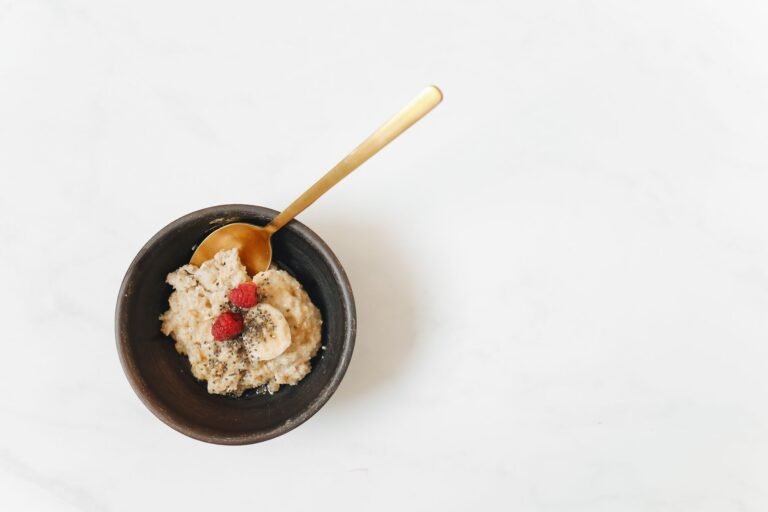
- Start your day with a high-fiber breakfast like oatmeal topped with fruit.
- Choose whole-grain products over refined grains.
- Add legumes to soups and salads for extra fiber.
- Snack on fruits, vegetables, or nuts instead of processed snacks.
By consciously increasing your fiber intake, you can enhance your liver health and support your overall recovery from fatty liver disease.
For more information, see MedlinePlus.
Frequently Asked Questions
What are the main causes of fatty liver disease?
Fatty liver disease is primarily caused by obesity, insulin resistance, high alcohol consumption, and certain medications. Other factors include rapid weight loss, poor diet, and specific medical conditions.
Can fatty liver disease be reversed?
Yes, fatty liver disease can often be reversed with dietary changes, weight loss, and lifestyle modifications. Early intervention is key to preventing further liver damage.
Is exercise important for managing fatty liver?
Absolutely. Regular physical activity can help reduce liver fat, improve insulin sensitivity, and support overall health. Aim for at least 150 minutes of moderate-intensity exercise each week.
Are there any medications for fatty liver disease?
Currently, there are no specific medications approved for fatty liver disease. Treatment focuses on lifestyle changes, including diet and exercise, to manage the condition effectively.
The Bottom Line
A diet for fatty liver plays a crucial role in managing and potentially reversing the condition. By focusing on whole, nutrient-dense foods, reducing sugar and unhealthy fats, and maintaining a balanced lifestyle, individuals can significantly improve their liver health. Working with healthcare professionals and making gradual dietary changes can lead to long-term success in managing fatty liver disease.
Was this page helpful?
Thanks for your feedback! What could we improve?
Thank you! Your feedback helps us improve our articles.
Medically reviewed by
Dr. Daniel HarringtonMedical doctor and clinical researcher focused on preventive medicine, chronic disease and clear, evidence-based health communication.
True Impact Health articles are written by our editorial team and based on reliable sources such as public health agencies, clinical guidelines and peer-reviewed research. This article has been checked by a doctor on our review panel. Read our editorial process.
This content is for general information and is not a substitute for professional medical advice, diagnosis or treatment.