










Can fiber help with bloating?
Can fiber help with bloating? Discover how different fibers affect gas, safe ways to add fiber, and when it might worsen symptoms.
By True Impact Health Editorial Team

Medical graduate of Girne American University with a focus on patient-centred care, clinical assessment and preventive health.
Reviewed this article on October 21, 2026.
View profile How we reviewUpdated on October 16, 2026 9 min read
Table of Contents
Key Takeaways
- Both soluble and insoluble fiber influence bloating, but in different ways.
- Gradual increase and adequate water are key to using fiber safely.
- Certain high‑FODMAP fibers can increase gas for some people.
- A balanced diet with varied fiber sources supports overall digestive health.
Many people wonder, Can fiber help with bloating? The short answer is yes, but the story is a little more nuanced. Fiber can both relieve and, in some cases, worsen bloating depending on the type of fiber, how quickly you add it to your diet, and your individual gut environment.
In this guide we will explore what bloating feels like, how fiber works inside your gut, which fibers are most likely to help, and practical steps you can take to make fiber a friend rather than a foe. The information is based on mainstream medical guidance from organisations such as the NHS and MedlinePlus. Always talk to a qualified health professional for personalised advice.
Understanding Bloating
What is bloating?
Bloating is a sensation of fullness or swelling in the abdomen. It can be visible as a distended belly, and it often comes with discomfort, gurgling sounds, or the urge to pass gas.
Common causes of bloating
Several everyday factors can lead to bloating, including:
- Eating too quickly and swallowing air.
- High‑sodium meals that cause water retention.
- Fermentable carbohydrates that gut bacteria break down into gas.
- Underlying medical conditions such as irritable bowel syndrome.
Identifying the trigger is the first step toward relief.
How Fiber Works in the Digestive System
Soluble vs insoluble fiber
Fiber is a plant‑derived carbohydrate that your body cannot digest. It comes in two main forms:
- Soluble fiber dissolves in water, forming a gel‑like substance. It can slow digestion and help regulate blood sugar.
- Insoluble fiber does not dissolve and adds bulk to stool, promoting regular bowel movements.
Both types have distinct effects on gas production and bloating.
Fermentation and gas production
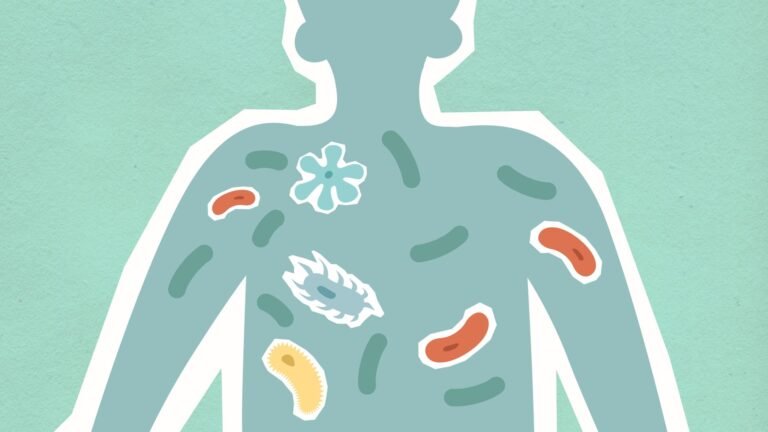
When soluble fiber reaches the large intestine, gut bacteria ferment it. This process creates short‑chain fatty acids that are beneficial, but it also releases carbon dioxide, hydrogen, and sometimes methane, gases that can cause bloating.
Insoluble fiber is less fermentable, so it generally produces less gas, but it can speed up transit time, which may reduce the feeling of fullness.
Benefits of Fiber for Bloating
When used correctly, fiber can alleviate bloating by normalising stool consistency, supporting a healthy microbiome, and preventing constipation, a major cause of abdominal distension.
| Fiber Type | Effect on Bloating | Typical Food Sources |
|---|---|---|
| Soluble (e.g., oat beta‑glucan) | Can reduce bloating over time by feeding beneficial bacteria; may cause short‑term gas. | Oats, barley, beans, apples, carrots |
| Insoluble (e.g., wheat bran) | Usually lowers bloating by speeding stool passage; minimal gas. | Whole wheat, nuts, seeds, cauliflower |
| Resistant starch (a type of soluble fiber) | May increase gas initially, but improves gut tolerance after adaptation. | Cooked‑and‑cooled potatoes, green bananas, legumes |
Notice that the benefits often appear after a few weeks of consistent intake, giving the gut microbiome time to adapt.
Choosing the Right Types of Fiber
Not all fiber is created equal for bloating relief. Here are some practical guidelines:
- Start with low‑FODMAP soluble fibers. Foods like oats and strawberries contain soluble fiber that is less likely to trigger excess gas for most people.
- Add insoluble fiber gradually. Whole grains, nuts, and seeds increase stool bulk without a large fermentation load.
- Watch portion size. A half‑cup of cooked beans provides about 7 g of fiber, which is a good starting point.
People with sensitive guts may find that certain beans, lentils, or cruciferous vegetables cause more bloating. In those cases, soaking beans, cooking them thoroughly, or choosing canned options can reduce the fermentable content.
Practical Ways to Increase Fiber Safely
Introducing more fiber should be a gradual process. Sudden large increases can overwhelm gut bacteria and lead to more gas.
- Swap white bread for whole‑grain bread, but keep the portion the same.
- Add a tablespoon of ground flaxseed to smoothies or yogurt.
- Include a serving of fruit with skin (like an apple) instead of fruit juice.
- Replace a snack of chips with a handful of raw almonds.
Remember to pair fiber with plenty of water. Fiber absorbs liquid, and without adequate hydration it can actually worsen constipation and bloating.

When Fiber Might Worsen Bloating
For some individuals, especially those with irritable bowel syndrome (IBS) or small intestinal bacterial overgrowth (SIBO), certain fibers can increase symptoms.
High‑FODMAP foods such as wheat, onions, and certain fruits contain fermentable sugars that can produce excess gas. If you notice that bloating spikes after adding a new fiber source, consider a short break and then re‑introduce the food in a smaller amount.
Medical conditions that affect motility, like gastroparesis, may also require a tailored fiber plan. In those cases, professional guidance is essential.
Fiber and Gut Microbiota Balance
How fiber feeds beneficial bacteria
Dietary fiber acts as a substrate for many commensal microbes that reside in the colon. When these bacteria ferment fiber, they produce metabolites that support the integrity of the intestinal lining. Research shows that a diverse microbial community is linked to reduced abdominal distension because it improves the efficiency of nutrient breakdown. Incorporating a variety of fiber sources helps maintain a stable ecosystem that can tolerate normal gas production.
Not all fibers are equal in their ability to nourish microbes. Soluble fibers such as inulin, oat β‑glucan, and pectin are especially fermentable, while insoluble fibers like wheat bran are less readily broken down. Selecting a mix of both types ensures that fast‑fermenting bacteria receive fuel without overwhelming the system with excess gas.
Short‑chain fatty acids and gas production
The primary by‑products of fiber fermentation are short‑chain fatty acids (SCFAs) such as acetate, propionate, and butyrate. SCFAs serve as an energy source for colonocytes and have anti‑inflammatory properties that can lessen sensations of bloating. At the same time, fermentation releases carbon dioxide, hydrogen, and, in some individuals, methane, which can contribute to a feeling of fullness.
Balancing SCFA production with gas output depends on the rate of fermentation. Slowly fermentable fibers provide a steady supply of SCFAs while limiting rapid gas spikes. This kinetic profile is why many clinicians advise patients to combine rapid and slow fermentable fibers throughout the day.
Modulating bloating through microbiome diversity
Individuals with low microbial diversity often report greater bloating after high‑fiber meals. Introducing novel fiber types can stimulate under‑represented bacterial strains, expanding the overall community. Over time, a more diverse microbiome can process fiber more efficiently, reducing the volume of gas that accumulates.
Practical steps include rotating sources such as legumes, berries, nuts, and whole grains every few weeks. Monitoring personal tolerance helps identify which fibers promote comfort and which may still cause discomfort.
- Prebiotic fibers: inulin, fructooligosaccharides, galactooligosaccharides
- Fermentable soluble fibers: oats, barley, apples, carrots
- Resistant starches: cooled potatoes, green bananas, cooked‑and‑cooled rice

Timing and Portion Strategies to Reduce Bloating
Gradual fiber introduction
Sudden increases in fiber intake can overwhelm the colon’s capacity to ferment without excess gas. A stepwise approach, adding roughly 5 grams of fiber per day, allows microbial populations to adapt. This method is supported by gastroenterology guidelines that emphasize pacing to minimize adverse gastrointestinal symptoms.
Patients often find it helpful to keep a simple log that records the type and amount of fiber consumed each day. Reviewing the log after a week can highlight patterns and guide further adjustments.
Meal sequencing with fiber‑rich foods
Consuming fiber alongside protein or healthy fats can slow gastric emptying, giving the small intestine more time to absorb nutrients before they reach the colon. This slower transit reduces the quantity of undigested carbohydrate that would otherwise be rapidly fermented.
For example, adding a tablespoon of chia seeds to a Greek‑yogurt breakfast or pairing a bean salad with avocado can create a balanced macronutrient profile. Such pairings have been shown to blunt post‑prandial bloating in clinical nutrition studies.
Hydration considerations
Water is essential for fiber to expand and move smoothly through the gastrointestinal tract. Inadequate fluid intake can cause fiber to become bulky and lead to constipation, which often worsens bloating. A general recommendation is to drink at least eight 8‑ounce glasses of water daily, adjusting upward when fiber intake rises.
Including hydrating foods, cucumbers, watermelon, and broth‑based soups, can supplement fluid needs without adding excess calories. Monitoring urine color (light straw) provides a quick visual cue that hydration levels are adequate.
- Day 1-3: Add 5 g soluble fiber (e.g., a half cup of berries)
- Day 4-6: Increase to 10 g (add a tablespoon of ground flaxseed)
- Day 7 onward: Maintain 15-20 g total fiber, spread across meals
Integrating Fiber with Other Lifestyle Measures
Physical activity and motility
Regular moderate‑intensity exercise stimulates intestinal peristalsis, helping fiber move efficiently through the colon. Walking, cycling, or yoga for 30 minutes most days can reduce the duration that gas remains trapped, thereby lessening bloating sensations.
Studies indicate that post‑meal walks of 10‑15 minutes are particularly effective at accelerating gastric emptying and reducing abdominal distension. Consistency is key; sporadic intense workouts do not provide the same steady benefit for gut motility.
Stress management and gut sensitivity
Psychological stress activates the brain‑gut axis, increasing visceral hypersensitivity and altering motility patterns. Techniques such as diaphragmatic breathing, progressive muscle relaxation, and mindfulness meditation have been shown to lower perceived bloating even when fiber intake remains constant.
Integrating a brief relaxation routine before meals can calm the enteric nervous system, allowing the digestive tract to process fiber with fewer spasms. Patients often report that a 5‑minute breathing exercise reduces the urgency to pass gas after a fiber‑rich dinner.
Avoiding common trigger foods while increasing fiber
Some foods are notorious for producing excess gas independent of fiber content, such as carbonated beverages, artificial sweeteners, and certain cruciferous vegetables. When transitioning to a higher‑fiber diet, it is prudent to limit these triggers to isolate the effect of fiber on bloating.
Keeping a short list of personal triggers helps prevent misattributing symptoms to fiber alone. Over time, many individuals can re‑introduce these foods in small amounts once their gut has adapted to the new fiber level.
- Limit: soda, sugar‑free gum, and excessive onions
- Replace with: herbal teas, fresh herbs, and low‑FODMAP vegetables
- Re‑introduce gradually after 4-6 weeks of stable fiber intake
Frequently Asked Questions
Can I eat fruit if I have bloating?
Yes, but choose low‑FODMAP fruits such as bananas, strawberries, and kiwi. Eat them with the skin on when possible, as the skin adds insoluble fiber that can aid regularity.
How much fiber should I aim for each day?
General guidelines suggest about 25 g per day for adult women and 38 g for adult men. If you are increasing intake, add 5 g per week and monitor how you feel.
Is a fiber supplement a good idea?
Supplements like psyllium husk can be helpful, especially for constipation‑related bloating. Choose a product with minimal added sugars and follow the label’s instructions for water intake.
Should I avoid all beans to reduce bloating?
No. Beans are a valuable source of protein and fiber. Soaking, rinsing, and cooking beans thoroughly can reduce the fermentable oligosaccharides that cause gas.
The Bottom Line
Fiber can be a powerful ally against bloating when you choose the right types, increase intake slowly, and stay well‑hydrated. While soluble fiber feeds beneficial bacteria, insoluble fiber adds bulk without a heavy gas load. Pay attention to your body’s signals, and seek professional advice if bloating persists or worsens.
Was this page helpful?
Thanks for your feedback! What could we improve?
Thank you! Your feedback helps us improve our articles.
Medically reviewed by
Dr. Oluwabusola Stella OkeMedical graduate of Girne American University with a focus on patient-centred care, clinical assessment and preventive health.
True Impact Health articles are written by our editorial team and based on reliable sources such as public health agencies, clinical guidelines and peer-reviewed research. This article has been checked by a doctor on our review panel. Read our editorial process.
This content is for general information and is not a substitute for professional medical advice, diagnosis or treatment.