










What are probiotics?
What are probiotics? Learn the basics, benefits, food sources, supplement tips, safety considerations and how they support gut health in everyday life.
By True Impact Health Editorial Team

Medical graduate of Girne American University with a focus on patient-centred care, clinical assessment and preventive health.
Reviewed this article on October 21, 2026.
View profile How we reviewUpdated on October 15, 2026 10 min read

Table of Contents
Key Takeaways
- Probiotics are live microorganisms that can benefit gut health when consumed in adequate amounts.
- Fermented foods like yogurt, kefir, sauerkraut and kimchi are natural sources of probiotics.
- Supplement choice matters – look for specific strains, colony forming units and quality testing.
- Most people tolerate probiotics well, but individuals with health conditions should consult a professional.
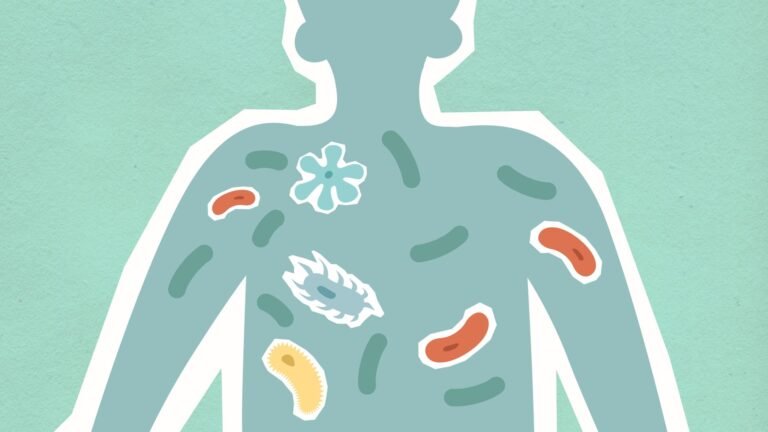
When you type “What are probiotics?” into a search engine, you are likely looking for a clear, simple answer that fits into a busy lifestyle. In short, probiotics are live bacteria and yeasts that, when taken in sufficient amounts, can provide health benefits, most often for the digestive system.
These tiny organisms have become a popular topic in nutrition and wellness because they help balance the community of microbes that naturally live in our intestines. A balanced gut microbiome can support digestion, immune function, and even mood.
In this guide we will explore what probiotics are, how they work, where to find them, and what to keep in mind before adding them to your routine.
Understanding Probiotics
Definition
Probiotics are defined by health authorities as “live microorganisms that, when administered in adequate amounts, confer a health benefit on the host.” The most common groups are bacteria from the Lactobacillus and Bifidobacterium families, and the yeast Saccharomyces boulardii.
Live Cultures
For a product to be considered a probiotic, the microorganisms must be alive when consumed. This is why storage conditions, such as temperature and moisture, are important for maintaining potency.
Difference from Prebiotics
Prebiotics are non‑digestible fibers that serve as food for beneficial microbes. While prebiotics help existing bacteria thrive, probiotics introduce new beneficial strains. Both can be part of a healthy diet.
For more detailed information, see the MedlinePlus page on probiotics.
How Probiotics Work in the Body
Colonisation
When you ingest probiotics, the organisms travel through the stomach, where many are killed by acid. Those that survive reach the intestines and may temporarily attach to the lining, influencing the existing microbial community.
Interaction with the Immune System
Probiotic bacteria can stimulate immune cells in the gut-associated lymphoid tissue. This interaction can help the body respond more effectively to pathogens while reducing unnecessary inflammation.
Metabolic Effects
Some strains produce short‑chain fatty acids, vitamins (such as B12 and K), and enzymes that aid the breakdown of certain foods. These metabolic by‑products can improve nutrient absorption and support overall gut health.

Common Sources of Probiotics
Probiotics are naturally present in many fermented foods. Including a variety of these foods in your diet can provide a diverse range of beneficial strains.
- Yogurt – contains live cultures like Lactobacillus bulgaricus and Streptococcus thermophilus.
- Kefir – a fermented milk drink with a broader spectrum of bacteria and yeasts.
- Sauerkraut – fermented cabbage that offers Lactobacillus plantarum.
- Kimchi – a spicy Korean side dish rich in Lactobacillus kimchii.
- Miso – a Japanese soybean paste that provides various Bacillus species.
- Tempeh – fermented soybeans with Rhizopus oligosporus, which can also host beneficial bacteria.
While these foods are generally safe for most people, the exact strains and amounts can vary widely between brands and preparation methods.
Choosing a Probiotic Supplement
Supplements can be a convenient way to ensure you receive specific strains that have been studied for particular health outcomes. Here are key factors to consider:
- Strain specificity – Look for the genus, species, and strain (e.g., Lactobacillus rhamnosus GG). Research often focuses on individual strains rather than whole genera.
- Colony forming units (CFUs) – Effective doses in studies typically range from 1 billion to 10 billion CFUs per day, but needs vary by condition.
- Third‑party testing – Independent verification of label claims can assure quality.
li>Shelf stability – Some products require refrigeration, while others are formulated to survive room temperature.
Below is a table that summarises several common probiotic strains and the health areas they have been most frequently studied for.
| Strain | Typical Benefits | Common Sources |
|---|---|---|
| Lactobacillus rhamnosus GG | Supports digestive comfort, may reduce the duration of acute diarrhea | Supplement, some yogurts |
| Bifidobacterium longum | Helps maintain intestinal barrier, may aid in IBS symptom relief | Fermented dairy, supplement |
| Saccharomyces boulardii | Prevents antibiotic‑associated diarrhea, supports gut flora balance | Supplement, some fermented drinks |
| Lactobacillus acidophilus | May improve lactose digestion, supports vaginal health | Yogurt, kefir, supplement |
Remember that the best probiotic for you depends on your personal health goals and any medical conditions you may have.
Safety and Side Effects
Probiotics are generally recognized as safe for healthy adults. Most people experience no adverse effects, and any mild symptoms, such as gas or bloating, are usually temporary.
Individuals with compromised immune systems, those who are critically ill, or people with central venous catheters should consult a healthcare professional before starting a probiotic, as rare cases of infection have been reported.
Pregnant or breastfeeding women are also advised to discuss probiotic use with their provider, especially if they plan to use high‑dose supplements.

Factors That Influence Effectiveness
Several variables determine how well a probiotic works for a given person:
- Strain compatibility – Not all strains survive the journey to the gut, and some are better suited to specific health concerns.
- Dosage and duration – Benefits often appear after several weeks of consistent use.
- Dietary context – Consuming prebiotic fibers (e.g., from bananas, onions, garlic) can help probiotic bacteria thrive.
- Medication interactions – Antibiotics can reduce probiotic populations; taking a probiotic a few hours after an antibiotic dose may help maintain levels.
- Individual microbiome – Each person’s existing gut flora influences how new strains establish themselves.
Probiotics and Digestive Disorders
Irritable Bowel Syndrome (IBS)
Clinical studies suggest that certain strains of Lactobacillus and Bifidobacterium can reduce abdominal pain and bloating in people with IBS. The proposed mechanism involves modulation of gut motility and a reduction in visceral hypersensitivity. Patients who receive a daily dose of a multi‑strain probiotic often report fewer urgent bowel movements and a more regular stool pattern. While results vary between individuals, the overall trend supports a modest benefit when probiotics are used as an adjunct to dietary changes.
When selecting a probiotic for IBS, strain specificity matters more than the total colony‑forming units. Research highlights Bifidobacterium infantis 35624 and Lactobacillus plantarum 299v as having the most consistent evidence for symptom relief. It is also advisable to start with a low dose and increase gradually to monitor tolerance. Combining a probiotic with a low‑FODMAP diet may enhance outcomes, but patients should discuss any changes with a health professional.
Antibiotic‑Associated Diarrhea
Antibiotics can disrupt the normal balance of intestinal microbes, leading to diarrhea in up to 30% of treated individuals. Probiotic supplementation during and after antibiotic courses has been shown to restore microbial diversity more quickly, reducing the incidence and duration of diarrhea. The most studied strains for this purpose are Saccharomyces boulardii and Lactobacillus rhamnosus GG, both of which have demonstrated efficacy in randomized trials.
Guidelines from several professional societies recommend taking a probiotic within two hours of each antibiotic dose, continuing for at least one week after the antibiotic course ends. This timing helps to repopulate the gut with beneficial bacteria before pathogenic species can dominate. Patients should choose a product that lists the exact strain and viable count on the label to ensure therapeutic relevance.
- Start probiotic within 2 hours of antibiotic dose
- Continue for at least 7 days post‑antibiotic
- Prefer strains with documented evidence (S. boulardii, L. rhamnosus GG)

Probiotics in Immune System Support
Modulation of Gut‑Associated Lymphoid Tissue
The gut houses the largest component of the body’s immune system, known as gut‑associated lymphoid tissue (GALT). Probiotic bacteria interact with GALT by stimulating regulatory T cells and enhancing the production of secretory IgA, which helps to neutralize pathogens at mucosal surfaces. Studies in healthy adults show that daily consumption of a multi‑strain probiotic can increase IgA levels in stool samples, indicating a strengthened first line of defense.
These immunomodulatory effects are strain dependent; for example, Lactobacillus casei Shirota has been linked to increased cytokine IL‑10 production, an anti‑inflammatory signal. Regular intake may therefore reduce the frequency of minor infections such as the common cold, although the magnitude of benefit is modest. Importantly, probiotics do not replace vaccines or other preventive measures but can complement them.
- Enhances secretory IgA production
- Promotes regulatory T‑cell activity
- Supports balanced cytokine response
Respiratory Tract Infections
Meta‑analyses of randomized controlled trials indicate that probiotic supplementation can lower the risk of acute upper respiratory infections in school‑age children and adults. The reduction is most evident with daily doses of at least 10^9 CFU of Lactobacillus or Bifidobacterium strains. Participants who took probiotics reported fewer sick days and a shorter duration of symptoms when infections did occur.
While the exact pathway remains under investigation, the leading hypothesis involves enhanced mucosal immunity in the nasopharynx, mediated by gut‑derived immune signals. Probiotic use is generally safe, but individuals with severe immunodeficiency should seek medical advice before starting supplementation. Consistency is key; benefits are observed with continuous daily intake rather than intermittent use.
- Daily intake of ≥1 billion CFU
- Most effective with Lactobacillus or Bifidobacterium strains
- Reduces sick days by approximately 1‑2 days per episode
Probiotics and the Gut‑Brain Axis
Stress and Mood Regulation
Emerging research links gut microbiota composition to emotional regulation through the gut‑brain axis. Certain probiotic strains, often termed “psychobiotics,” can influence neurotransmitter production, including serotonin and gamma‑aminobutyric acid (GABA). Clinical trials with healthy volunteers have shown modest reductions in perceived stress and improvements in mood scores after four weeks of daily probiotic intake.
Effective psychobiotic strains include Lactobacillus helveticus R0052 and Bifidobacterium longum R0175, which have been studied in double‑blind designs. The benefits appear to be most pronounced in individuals experiencing mild to moderate stress rather than severe psychiatric conditions. Incorporating a probiotic regimen alongside lifestyle interventions such as exercise and adequate sleep may amplify the positive effects on mental well‑being.
- L. helveticus R0052 and B. longum R0175 are well‑studied psychobiotics
- Typical study duration: 4‑8 weeks
- Observed outcomes: lower perceived stress, improved mood
Potential Role in Neurodevelopmental Conditions
Preliminary investigations suggest that early‑life probiotic exposure may influence neurodevelopmental trajectories, particularly in autism spectrum disorder (ASD). Small pilot studies report improvements in gastrointestinal symptoms and, in some cases, reductions in repetitive behaviors after a three‑month probiotic course. The hypothesized mechanism involves reduction of systemic inflammation and normalization of gut barrier integrity.
Because the evidence base is still limited, probiotics should be considered an adjunct rather than a primary therapy for ASD. Researchers emphasize the need for strain‑specific trials with larger sample sizes to confirm these early findings. Parents interested in trying probiotics for their children should consult a pediatrician to select appropriate strains and dosages.
- Focus on strains with anti‑inflammatory properties
- Monitor both GI and behavioral outcomes
- Use under clinical supervision for children
Frequently Asked Questions
Can I get enough probiotics from food alone?
Many people obtain beneficial bacteria through fermented foods, but the amount and variety of strains can be inconsistent. Supplements can provide a more predictable dose of specific strains when a targeted benefit is desired.
Do probiotics help with weight loss?
Research on probiotics and weight management shows mixed results. Some studies suggest certain strains may modestly influence metabolism, but probiotics should not replace a balanced diet and regular physical activity.
How long should I take a probiotic?
Most studies evaluate benefits after 4 to 12 weeks of daily use. If you notice improvement, you can continue long‑term, but it is wise to reassess your needs periodically with a health professional.
Are there any foods I should avoid while taking probiotics?
Highly processed foods low in fiber can limit the growth of beneficial bacteria. While not strictly prohibited, focusing on whole, fiber‑rich foods will support probiotic effectiveness.
The Bottom Line
Probiotics are live microorganisms that can support gut health, immune function, and overall well‑being when consumed in adequate amounts. Natural sources like yogurt, kefir, and fermented vegetables provide a tasty way to include them in your diet, while supplements offer precise strain selection for specific health goals. Most people tolerate probiotics well, but individuals with serious health conditions should seek medical advice before starting. By pairing probiotics with a fiber‑rich diet and mindful lifestyle choices, you can nurture a balanced microbiome for long‑term health.
Was this page helpful?
Thanks for your feedback! What could we improve?
Thank you! Your feedback helps us improve our articles.
Medically reviewed by
Dr. Oluwabusola Stella OkeMedical graduate of Girne American University with a focus on patient-centred care, clinical assessment and preventive health.
True Impact Health articles are written by our editorial team and based on reliable sources such as public health agencies, clinical guidelines and peer-reviewed research. This article has been checked by a doctor on our review panel. Read our editorial process.
This content is for general information and is not a substitute for professional medical advice, diagnosis or treatment.