










Does fiber help you poop?
Does fiber help you poop? Learn how dietary fiber works, the best sources, and practical tips for regular, comfortable bowel movements.
By True Impact Health Editorial Team

Medical graduate of Girne American University with a focus on patient-centred care, clinical assessment and preventive health.
Reviewed this article on October 21, 2026.
View profile How we reviewUpdated on October 16, 2026 9 min read
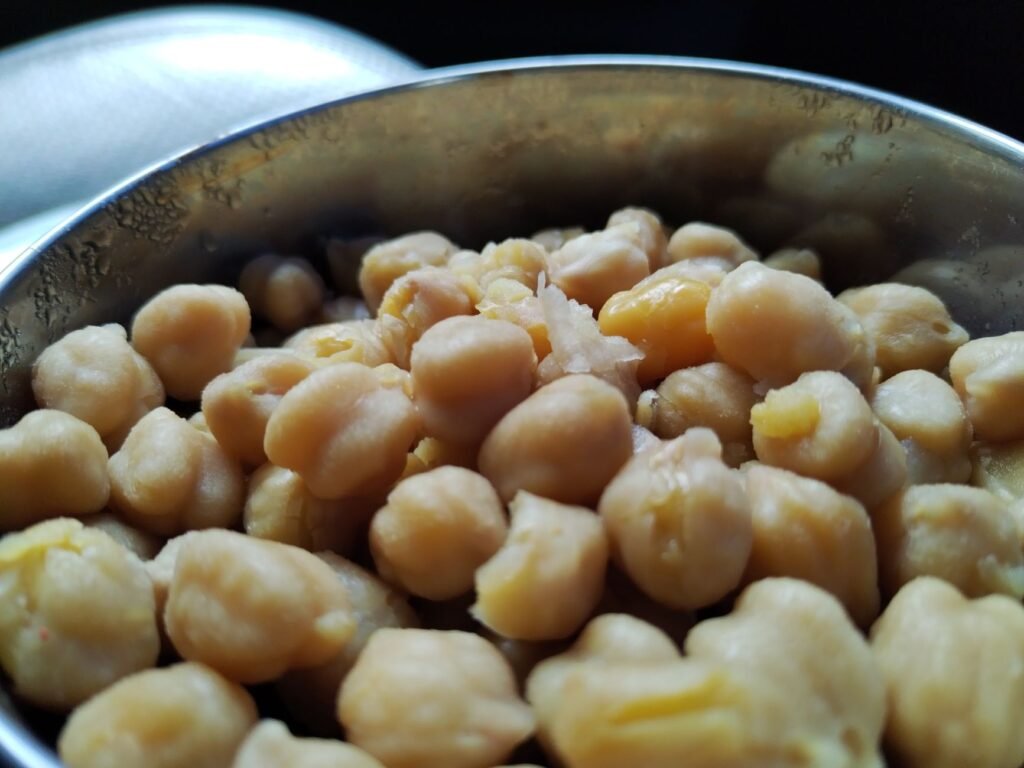
Table of Contents
Key Takeaways
- Fiber adds bulk and softens stool, making it easier to pass.
- Both soluble and insoluble fibers play distinct roles in digestion.
- Aim for 25‑30 g of fiber daily from a variety of foods.
- Increase fiber gradually and stay hydrated to avoid gas and bloating.
When you type the question “Does fiber help you poop?” into a search engine, you’re likely looking for a clear answer that can turn an uncomfortable situation into a regular, painless routine. The short answer is yes, dietary fiber is one of the most reliable, natural ways to promote healthy bowel movements. In this guide we’ll explore how fiber works, the types you should aim for, how much you need, and practical steps you can take today.
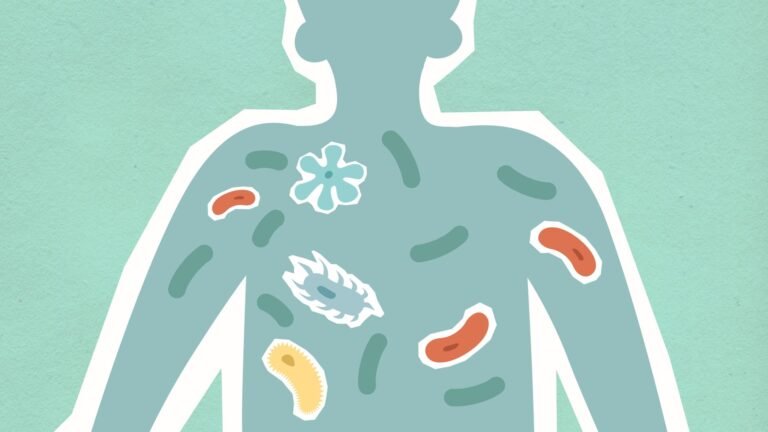
Understanding why fiber matters starts with the basics of digestion. Food travels through the stomach and small intestine where nutrients are absorbed, but the leftover material, mostly indigestible plant material, continues into the large intestine. Here, fiber plays a starring role by adding bulk, retaining water, and feeding beneficial gut bacteria. When these processes happen correctly, stool forms with the right consistency and moves smoothly toward elimination.
Does fiber help you poop? – The Science Explained
What is dietary fiber?
Dietary fiber refers to the parts of plant foods that your body cannot digest or absorb. Unlike sugars, fats, and proteins, fiber passes largely unchanged through the stomach and small intestine. It is classified into two broad categories: soluble fiber, which dissolves in water to form a gel‑like substance, and insoluble fiber, which remains largely intact and adds physical bulk.
How fiber adds bulk
Insoluble fiber, found in foods such as wheat bran, nuts, and many vegetables, acts like a broom sweeping through the colon. It absorbs water, swells, and increases the volume of stool. This bulk stimulates the walls of the colon, prompting rhythmic muscle contractions called peristalsis that push stool toward the rectum.
Fermentation and gut health
Soluble fiber, present in oats, beans, and some fruits, dissolves in water and becomes a viscous gel. This gel slows digestion, helping control blood sugar and cholesterol. More importantly for bowel health, soluble fiber is fermented by beneficial bacteria in the large intestine, producing short‑chain fatty acids that nourish colon cells and support regular motility.
Types of Fiber and Their Roles
Both soluble and insoluble fibers are needed for optimal bowel function. Below is a quick reference that shows common food sources and the primary benefit each type provides.
| Fiber Type | Common Sources | Key Benefit for Bowel Movements |
|---|---|---|
| Insoluble | Whole wheat, bran, nuts, carrots, cauliflower | Increases stool bulk and speeds transit |
| Soluble | Oats, barley, apples, beans, psyllium | Softens stool, feeds good bacteria |
| Resistant Starch | Cold potatoes, green bananas, legumes | Acts like soluble fiber, improves stool consistency |

Best Food Sources of Fiber
Incorporating a variety of high‑fiber foods into everyday meals is easier than you might think. Aim to include at least one source from each food group daily.
- Whole grains: oatmeal, brown rice, quinoa, whole‑wheat pasta.
- Legumes: lentils, chickpeas, black beans, split peas.
- Fruits: apples (with skin), pears, berries, oranges.
- Vegetables: broccoli, Brussels sprouts, carrots, sweet potatoes.
- Nuts and seeds: almonds, chia seeds, flaxseeds, pistachios.
When you combine these foods throughout the day, you’ll naturally reach the recommended fiber intake without feeling forced to eat huge portions.
How Much Fiber Do You Need?
General guidelines from health authorities suggest that adult women aim for about 25 g of fiber per day, while adult men should target roughly 30-38 g. These numbers can vary based on age, activity level, and individual health conditions. The CDC provides detailed recommendations for different age groups.
- Start with a modest goal, add an extra 5 g of fiber per week.
- Track your intake using a food diary or a nutrition app.
- Gradually increase to meet the target, spreading sources across meals.
Remember that fiber works best when paired with adequate fluid intake; aim for at least eight glasses of water daily.
Practical Tips for Adding Fiber to Your Diet
Changing eating habits can feel daunting, but small, consistent steps produce lasting results. Below are easy strategies you can try this week.
- Swap white bread for whole‑grain or sprouted‑grain varieties.
- Add a tablespoon of chia or ground flaxseed to smoothies, yogurt, or oatmeal.
- Replace a sugary snack with a piece of fruit and a handful of nuts.
- Include a legume‑based soup or salad at lunch or dinner.
- Top casseroles and stir‑fries with a sprinkle of wheat bran or oat bran.
Common Myths About Fiber
Many misconceptions can discourage people from using fiber as a natural laxative.
- Myth: All fiber works the same.
Fact: Soluble and insoluble fibers have distinct actions; both are needed. - Myth: Fiber supplements replace food.
Fact: Whole foods provide vitamins, minerals, and phytonutrients that supplements lack. - Myth: More fiber is always better.
Fact: Excessive fiber without enough fluid can cause constipation or bloating.

When Fiber Might Not Be Enough
For most people, dietary fiber resolves occasional irregularity. However, chronic constipation can stem from other factors such as medication side effects, thyroid disorders, or neurological conditions. If you’ve tried increasing fiber, staying hydrated, and moving regularly for several weeks without improvement, it’s wise to consult a healthcare professional.
Medical evaluation may include a review of your medications, a physical exam, and possibly tests to rule out underlying conditions. In some cases, a doctor may recommend a prescription‑strength laxative or a targeted therapy.
Potential Side Effects and How to Manage Them
Introducing more fiber suddenly can cause gas, abdominal cramping, and temporary bloating. These symptoms are usually mild and subside as your gut microbiome adapts.
- Increase fiber slowly, add 2-3 g per day until you reach your goal.
- Spread fiber intake throughout the day rather than loading a single meal.
- Pair fiber with plenty of water; fluids help the fiber swell and move smoothly.
- If gas is problematic, try a low‑FODMAP fiber source such as oats or carrots.
Fiber and the Gut Microbiome
How Fermentable Fibers Feed Beneficial Bacteria
Fermentable fibers such as inulin, resistant starch, and certain oligosaccharides escape digestion in the small intestine and become food for colonic microbes. When these bacteria metabolize the fibers they proliferate, increasing the diversity of the gut ecosystem. A richer microbial community is linked to more regular bowel movements because bacteria produce metabolites that stimulate muscle contraction in the colon. Clinical studies show that a diet high in fermentable fiber can shift the microbiome toward species that are associated with reduced constipation.
Short‑Chain Fatty Acids and Bowel Motility
The primary by‑products of fiber fermentation are short‑chain fatty acids (SCFAs) such as acetate, propionate, and butyrate. SCFAs lower the pH of the colon, which enhances water retention and softens stool. They also act on receptors in the intestinal wall to promote peristalsis, the wave‑like motion that moves waste forward. Regular intake of SCFA‑producing fibers therefore supports both stool consistency and transit speed.
- Inulin – found in chicory root, onions, and bananas
- Resistant starch – abundant in cooled potatoes, legumes, and green bananas
- Galactooligosaccharides – present in dairy and some fortified foods

Fiber’s Role in Blood Sugar and Metabolic Health
Slowing Glucose Absorption
Soluble fibers form a gel‑like matrix in the digestive tract that slows the breakdown of carbohydrates. This delayed digestion leads to a more gradual rise in blood glucose after meals, reducing the need for rapid insulin spikes. People with prediabetes often benefit from adding sources such as oats, barley, and psyllium to their meals. The effect is modest but consistent across randomized controlled trials.
Impact on Insulin Sensitivity
Beyond immediate glucose control, fiber influences long‑term insulin sensitivity by modulating gut hormones like GLP‑1 and peptide YY. These hormones improve the body’s response to insulin and also promote satiety, which can help with weight management. A diet rich in whole‑grain and legume fiber has been associated with lower rates of type 2 diabetes in large cohort studies. The mechanism appears to involve both the physical properties of fiber and the metabolic activity of the microbiome.
- Oats – high in beta‑glucan, a soluble fiber that lowers post‑prandial glucose
- Barley – contains both soluble and insoluble fibers that support glycemic control
- Legumes – provide resistant starch and soluble fiber to improve insulin response
Fiber Considerations for Specific Populations
Older Adults and Mobility
Age‑related changes in gut motility and muscle strength increase the risk of constipation in older adults. Adding fiber can help, but the type and amount must be balanced with adequate fluid intake to avoid hard stools. Soft, soluble fibers such as psyllium are often better tolerated than large amounts of coarse insoluble fiber. Healthcare providers frequently recommend a gradual increase of 5 grams per week to allow the digestive system to adapt.
Athletes and Performance
Endurance athletes may experience gastrointestinal distress during training, and fiber intake can be a double‑edged sword. Low‑fiber meals before intense exercise reduce the chance of bloating, while high‑fiber foods are valuable for recovery nutrition because they support glycogen replenishment and gut health. Timing is key: athletes often consume easily digestible, soluble fiber sources like fruit purees after workouts rather than before.
Pregnant Individuals
Pregnancy increases the demand for dietary fiber to accommodate slower intestinal transit and the growing uterus’s pressure on the bowel. Adequate fiber helps prevent hemorrhoids and gestational constipation, both common complaints. Safe sources include cooked vegetables, whole‑grain toast, and fruit with edible skins. Pregnant people should monitor fiber increments closely and maintain at least eight glasses of water daily to ensure smooth passage.
- Cooked carrots, sweet potatoes, and squash – gentle on the stomach and high in soluble fiber
- Whole‑grain toast or crackers – provide bulk without excessive gas production
- Fruit with skins – apples, pears, and berries add fiber and antioxidants
Frequently Asked Questions
Can I get enough fiber on a low‑carb diet?
Yes. Non‑starchy vegetables, nuts, seeds, and low‑carb fruits like berries provide fiber without many carbs. Psyllium husk is another low‑carb supplement that adds bulk.
Is it safe to take fiber supplements?
Fiber supplements such as psyllium or methylcellulose are generally safe for most adults, but they should be taken with plenty of water. People with certain gastrointestinal disorders should check with a doctor first.
How quickly can I expect to see results?
Many people notice softer stools within 2-3 days of increasing fiber, but regular, fully formed bowel movements may take up to two weeks as the gut adjusts.
Do I need to avoid any foods while increasing fiber?
There’s no need to eliminate foods, but highly processed items low in fiber (like white bread, sugary snacks, and fast food) can counteract your efforts. Reducing those while adding fiber‑rich options yields the best results.
The Bottom Line
Fiber is a proven, natural ally for promoting regular, comfortable bowel movements. By choosing a mix of soluble and insoluble sources, meeting daily intake goals, staying hydrated, and increasing gradually, most people can turn occasional constipation into a thing of the past. If problems persist despite these steps, seeking professional advice ensures that any deeper health issues are addressed promptly.
Was this page helpful?
Thanks for your feedback! What could we improve?
Thank you! Your feedback helps us improve our articles.
Medically reviewed by
Dr. Oluwabusola Stella OkeMedical graduate of Girne American University with a focus on patient-centred care, clinical assessment and preventive health.
True Impact Health articles are written by our editorial team and based on reliable sources such as public health agencies, clinical guidelines and peer-reviewed research. This article has been checked by a doctor on our review panel. Read our editorial process.
This content is for general information and is not a substitute for professional medical advice, diagnosis or treatment.