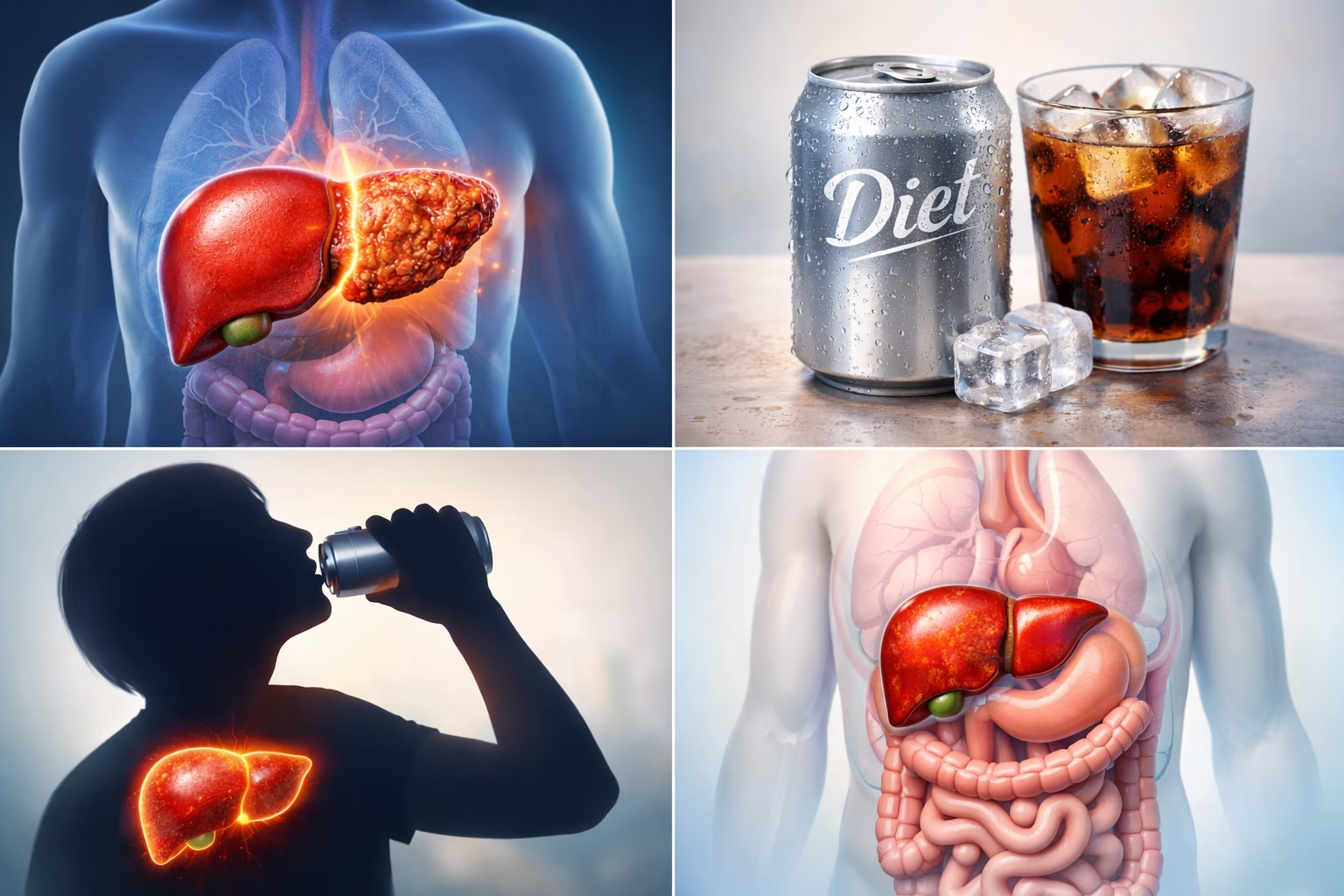
Diet soda is often marketed as the lighter alternative to regular soda. Because it contains little or no sugar, many people assume it has little relevance to liver health. However, the relationship is more complex. Current evidence does not show that diet soda damages the liver in the same direct way as heavy alcohol use, viral hepatitis, or certain toxins. At the same time, regular intake of artificially sweetened beverages has been linked in multiple observational studies to a higher likelihood of metabolic dysfunction-associated steatotic liver disease, or MASLD, which is the current name for what many people still call nonalcoholic fatty liver disease.
- Diet soda does not cause the direct liver toxicity seen with heavy alcohol use.
- Regular intake is linked in studies to higher MASLD risk through insulin resistance and weight gain.
- Artificial sweeteners may affect the gut microbiome, appetite regulation, and reinforce a high sweetness preference.
- Most research is observational and may reflect consumers' existing metabolic risks rather than proving causation.
- Switching from sugary soda to diet soda can lower sugar exposure, but water and unsweetened drinks are best long term.
That distinction matters. The present concern is usually not that diet soda instantly injures liver cells, but that regular use may fit into a broader metabolic pattern involving insulin resistance, excess body fat, altered appetite regulation, and possibly gut microbiome changes, all of which are relevant to liver fat accumulation and long term liver disease risk. The evidence remains mixed, and some of the observed risk may reflect the health profile of people who drink more diet beverages rather than the beverages alone. Therefore, the most accurate answer is nuanced rather than absolute.
First, What the Liver Actually Does
To understand why diet soda may matter, it helps to understand what the liver does every day. The liver is one of the body’s main metabolic control centers. It helps process carbohydrates, fats, and proteins, stores glycogen for energy, regulates blood sugar, produces bile, and helps neutralize or process many compounds that enter the body. When metabolic regulation is impaired, the liver is often one of the first organs affected.
One of the most common liver problems linked to metabolism is MASLD. This condition is strongly associated with obesity, insulin resistance, type 2 diabetes, abnormal cholesterol or triglycerides, and metabolic syndrome. In many people, the liver gradually accumulates excess fat. Over time, that can progress from simple steatosis to inflammation, fibrosis, cirrhosis, and in some cases liver cancer.
Diet Soda Does Not Usually Harm the Liver the Way Alcohol Does
This is the most important point to state clearly. There is no strong evidence that an approved artificial sweetener in normal dietary use causes the kind of direct, predictable liver toxicity seen with heavy alcohol exposure or classic hepatotoxic chemicals. Regulatory agencies such as the U.S. Food and Drug Administration and the European Food Safety Authority continue to state that approved sweeteners are considered safe within established acceptable daily intake limits. For aspartame, the FDA lists an acceptable daily intake of 50 mg per kilogram of body weight per day, while EFSA lists 40 mg per kilogram per day.
That means the main liver question is not usually acute toxicity. Instead, the more clinically relevant issue is whether regular diet soda consumption contributes indirectly to the metabolic conditions that commonly drive fatty liver disease.

The Main Liver Concern Is MASLD, Not Immediate Liver Poisoning
MASLD develops when excess fat builds up in the liver in the setting of metabolic dysfunction. Major risk factors include overweight or obesity, insulin resistance, type 2 diabetes, high triglycerides, low HDL cholesterol, high blood pressure, and metabolic syndrome. Gastroenterology guidance also identifies lack of physical activity, high sugar and starch intake, and drinking sugary beverages as lifestyle contributors.
Diet soda enters this discussion because several studies have found an association between high intake of artificially sweetened beverages and liver fat or incident fatty liver disease. For example, a 2023 study reported that excessive diet soft drink consumption was associated with MASLD and suggested that body mass index may mediate part of that relationship. Another 2023 study reported that sugar-sweetened beverages, artificially sweetened beverages, and pure fruit juice were all associated with NAFLD risk, with excessive intake of artificially sweetened beverages associated with higher incident risk.
However, these findings do not prove that diet soda alone causes liver disease. Observational studies can show associations, but they cannot fully separate the beverage itself from the broader lifestyle and metabolic characteristics of the people who consume it. The World Health Organization has also noted that long term non-sugar sweetener evidence can be confounded by baseline differences and patterns of use, which is one reason its recommendation on non-sugar sweeteners is conditional rather than absolute.
How Regular Diet Soda May Affect the Liver Indirectly
1. It May Be Linked to Insulin Resistance
Insulin resistance is one of the central metabolic drivers of fatty liver disease. When the body becomes less responsive to insulin, blood glucose regulation worsens, fat handling becomes less efficient, and the liver becomes more likely to accumulate fat. The AGA patient guidance identifies insulin resistance and type 2 diabetes as major MASLD risk factors.
Some mechanistic research discussed by the National Institute of Diabetes and Digestive and Kidney Diseases suggests that artificial sweeteners may affect insulin levels in the short term in humans. If this contributes to appetite dysregulation or altered metabolic signaling over time, it could indirectly support the conditions under which fatty liver develops. This does not establish a direct liver injury pathway, but it provides a plausible metabolic explanation for why artificially sweetened beverages remain under study in relation to liver health.
2. It May Be Part of a Weight Gain Pattern in Some People
Excess body weight, especially central adiposity, is one of the strongest risk factors for MASLD. If regular diet soda use contributes to overall dietary compensation, increased sweet preference, or greater calorie intake elsewhere, the liver may be affected indirectly through weight gain and worsening metabolic health. The WHO states that non-sugar sweeteners do not appear to provide long term benefit for reducing body fat and that observational evidence suggests potential links with type 2 diabetes and cardiovascular disease.
This does not mean every person who drinks diet soda will gain weight. Some people do successfully use it as a replacement for sugar-sweetened beverages. The concern is that in real-world behavior, the expected metabolic advantage may be smaller than many people assume, especially if the rest of the diet and lifestyle remain unchanged.
3. It May Influence the Gut-Liver Axis
One of the more discussed biological theories involves the gut-liver axis. The liver is closely connected to the gut through blood flow and immune signaling. Some reviews have suggested that artificial sweeteners may alter the composition or function of the gut microbiota, which in turn could affect intestinal permeability, inflammation, and liver fat regulation. Search summaries of recent reviews and articles continue to describe gut dysbiosis as a possible mechanism linking artificial sweeteners to fatty liver risk.
This mechanism is biologically plausible, but it is still an evolving area of science. The key point is that researchers are not only asking whether diet soda contains a directly harmful ingredient, but also whether long term intake may alter metabolic signaling systems that eventually affect the liver.
4. It May Reinforce a Preference for Very Sweet Drinks
The WHO’s guidance on non-sugar sweeteners emphasizes that people may need to reduce the overall sweetness of the diet rather than simply replace sugar with sweeteners. This matters because persistent preference for intense sweetness can make it harder to move toward water and less processed beverages. Over time, that pattern may keep a person anchored to a broader dietary pattern associated with poor metabolic health, even if the soda itself has no sugar.
For the liver, this is relevant because MASLD is strongly connected to the overall metabolic environment, not just to one nutrient in isolation. A beverage habit that keeps the rest of the diet highly processed or highly sweetened may still work against liver health indirectly.
What the Research Actually Shows
The current evidence base is mixed, but several themes are consistent.
First, sugar-sweetened sodas are more clearly linked to liver fat and MASLD risk than diet sodas. Gastroenterology guidance specifically advises avoiding drinks that contain large amounts of simple sugars, especially fructose, because sweetened soft drinks are a known concern for fatty liver disease.
Second, artificially sweetened beverages are not consistently neutral. Multiple cohort and observational studies published in recent years have found associations between higher intake of artificially sweetened beverages and incident NAFLD or MASLD. For example, PubMed-indexed studies from 2023 reported positive associations for excessive diet soft drink intake and for artificially sweetened beverage consumption more broadly.
Third, those associations must be interpreted carefully. People who drink more diet soda may already have obesity, diabetes, or other metabolic risks that independently increase liver disease risk. WHO explicitly notes that long term disease associations with non-sugar sweeteners may be influenced by confounding and user characteristics.
So the most balanced conclusion is this: regular diet soda is not clearly equivalent to alcohol-related liver injury, but it also cannot be assumed to be liver-neutral in every real-world setting, especially when intake is high and metabolic risk is already present.
What Might Happen to Your Liver Over Time if You Drink Diet Soda Regularly
If You Are Otherwise Metabolically Healthy
If you are lean, physically active, insulin sensitive, and your overall dietary pattern is strong, an occasional diet soda is unlikely to cause obvious liver damage by itself. Current regulatory safety assessments for approved sweeteners support this general view when intake remains within accepted limits.
However, even in this setting, using diet soda as the main daily beverage may not be the best choice for long term health if it crowds out water or reinforces a high-sweetness eating pattern. The concern is not immediate liver injury, but long term habit formation.
If You Have Obesity, Prediabetes, Type 2 Diabetes, or High Triglycerides
In this setting, the liver may already be vulnerable. Because MASLD risk rises with insulin resistance, type 2 diabetes, abnormal blood lipids, and metabolic syndrome, regular diet soda intake may be more relevant here, especially if it is part of a broader processed-food pattern. Observational studies suggest that high intake of artificially sweetened beverages is associated with greater fatty liver risk, and BMI may account for part of that relationship.
In practical terms, that means the liver may be more likely to accumulate fat over time, not because the soda acts like a toxin, but because it may coexist with and possibly support the metabolic conditions that drive fatty liver disease.
If You Replace Sugary Soda With Diet Soda
This is where nuance is especially important. Replacing regular sugary soda with diet soda can still reduce sugar and fructose exposure, which may be beneficial for liver fat risk compared with continuing sugar-sweetened soda use. Guidance for MASLD clearly warns against sugar-rich beverages, especially those high in simple sugars and fructose.
So, for someone who currently drinks multiple sugar-sweetened sodas every day, switching to diet soda may be a better interim step for the liver than staying with regular soda. But from a long term liver health perspective, the better endpoint is usually moving toward water, unsweetened tea, or other unsweetened beverages rather than relying on diet soda as a permanent daily staple.
Warning Signs That Your Liver May Need Attention
Many people with early MASLD have no symptoms at all. When symptoms do occur, they may include fatigue or discomfort in the upper right side of the abdomen. More advanced liver disease can cause abdominal swelling, leg swelling, vomiting blood, confusion, or jaundice. Doctors may use blood tests such as ALT and AST, imaging such as ultrasound or MRI, and sometimes biopsy to evaluate fatty liver disease and its severity.
Because fatty liver is often silent, people at higher risk, especially those with obesity, diabetes, metabolic syndrome, or elevated triglycerides, should not rely on symptoms alone. Regular medical review matters more than waiting for warning signs.
Is One Diet Soda a Day Too Much?
There is no single universally agreed cutoff at which diet soda becomes harmful to the liver in every person. The scientific issue is not settled that precisely. What can be said is that higher intake appears more concerning in observational studies, while approved sweeteners remain within regulatory safety frameworks when consumed below their acceptable daily intake limits.
For many people, the practical question is less about one exact can and more about the pattern. A daily habit of diet soda combined with poor sleep, low activity, central weight gain, frequent ultra-processed food intake, and insulin resistance is much more concerning for the liver than occasional intake in an otherwise healthy lifestyle.
What to Drink Instead if You Want to Protect Your Liver
If liver health is the goal, the most evidence-supported beverage choices are still the simplest ones:
Water remains the best baseline beverage for hydration and metabolic health. Unsweetened tea and coffee can also fit well for many people, depending on tolerance and the rest of the diet. By contrast, gastroenterology guidance specifically advises avoiding drinks high in simple sugars, especially sweetened soft drinks and juices high in fructose.
For someone who currently drinks a lot of soda, the most realistic progression may be:
regular soda to diet soda, then diet soda to mostly water and unsweetened beverages.
That gradual approach is often easier to maintain than trying to change everything at once.
Bottom Line
Regular diet soda does not appear to injure the liver in the same direct way as alcohol or hepatitis. However, it should not automatically be viewed as metabolically harmless. The strongest current concern is that regular intake, especially at higher levels, may be associated with fatty liver disease risk through indirect pathways involving insulin resistance, body weight, metabolic syndrome, gut-liver signaling, and broader dietary patterns. The evidence is largely observational and cannot prove that diet soda alone causes liver disease, but it is strong enough to justify caution, particularly in people who already have obesity, prediabetes, diabetes, or abnormal lipids.
The most practical takeaway is this: if diet soda is helping you move away from large amounts of sugary soda, it may be a useful transitional step. But if liver health is the long term goal, water and unsweetened beverages remain the safer foundation.
Medical Disclaimer
This article is for educational purposes only and does not replace medical advice. Anyone with known fatty liver disease, diabetes, obesity, abnormal liver tests, or persistent symptoms should discuss beverage habits and liver risk with a qualified healthcare professional.