Introduction
For many veterans who served during the Vietnam War era, the effects of military service did not end when they returned home. Decades later, many continue to face health challenges that have been linked to exposure to toxic substances encountered during their service. One of the most well-known of these substances is Agent Orange, a herbicide used extensively during the Vietnam War to remove dense vegetation and expose enemy positions.
While Agent Orange has long been associated with several cancers, neurological disorders, and other chronic illnesses, growing evidence has also highlighted a significant connection between Agent Orange exposure and hypertension, commonly known as high blood pressure. This association has become increasingly important because hypertension is one of the leading risk factors for heart disease, stroke, kidney disease, and premature death worldwide.
Understanding the relationship between hypertension and Agent Orange is essential for veterans, healthcare providers, caregivers, and family members. Greater awareness can lead to earlier diagnosis, improved treatment, and access to important healthcare benefits and compensation programs.
This comprehensive guide explores what hypertension is, how Agent Orange exposure occurred, the scientific evidence linking Agent Orange to high blood pressure, the biological mechanisms involved, available healthcare resources, and practical strategies for managing cardiovascular health after exposure.
Understanding Hypertension
What Is Hypertension?
Hypertension is a chronic medical condition characterized by persistently elevated blood pressure within the arteries.
Blood pressure measures the force exerted by circulating blood against the walls of blood vessels. While some pressure is necessary to move blood throughout the body, consistently high pressure places excessive strain on the heart, arteries, kidneys, and other organs.
Over time, uncontrolled hypertension can cause significant damage to the cardiovascular system and increase the risk of serious health complications.
Because hypertension often develops gradually and may produce no obvious symptoms for years, it is frequently referred to as the “silent killer.”
Many individuals do not realize they have high blood pressure until complications such as a heart attack, stroke, or kidney disease occur.
Understanding Blood Pressure Measurements
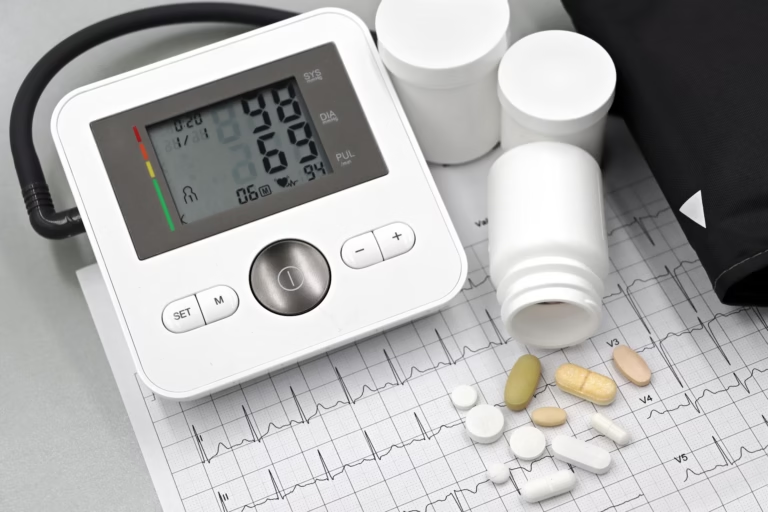
Blood pressure readings consist of two numbers:
Systolic Blood Pressure
The top number measures the pressure in the arteries when the heart contracts and pumps blood.
Diastolic Blood Pressure
The bottom number measures the pressure in the arteries when the heart relaxes between heartbeats.
For example, a blood pressure reading of 130/80 mm Hg means:
- Systolic pressure = 130 mm Hg
- Diastolic pressure = 80 mm Hg
Current Blood Pressure Categories
According to guidelines from the American Heart Association:
Normal Blood Pressure
Less than 120/80 mm Hg
This range is considered healthy and is associated with the lowest risk of cardiovascular disease.
Elevated Blood Pressure
120–129 mm Hg systolic and less than 80 mm Hg diastolic
Although not yet classified as hypertension, elevated blood pressure signals increased future risk.
Stage 1 Hypertension
130–139 mm Hg systolic or 80–89 mm Hg diastolic
Lifestyle modifications and, in some cases, medication may be recommended.
Stage 2 Hypertension
140/90 mm Hg or higher
This stage often requires medical treatment and close monitoring.
How Common Is Hypertension?
Hypertension affects hundreds of millions of people worldwide.
In the United States alone:
- Nearly one in three adults has hypertension.
- Many remain undiagnosed.
- Millions have poorly controlled blood pressure.
Among veterans, rates of hypertension are often even higher due to a combination of age, stress, service-related exposures, and lifestyle factors.
Common Risk Factors for Hypertension
Several factors increase the likelihood of developing high blood pressure.
Age
Blood vessels naturally become less flexible with age.
As arteries stiffen, blood pressure tends to rise.
Family History
Individuals with close relatives who have hypertension often face a greater risk themselves.
Genetics can influence:
- Blood vessel function
- Hormone regulation
- Salt sensitivity
Obesity
Excess body weight increases the workload placed on the heart.
Obesity is strongly associated with hypertension.
Physical Inactivity
Regular exercise helps maintain healthy blood pressure.
A sedentary lifestyle increases cardiovascular risk.
High-Sodium Diet
Excessive sodium intake promotes fluid retention and increases blood pressure.
Smoking
Tobacco damages blood vessels and contributes to arterial stiffness.
Excessive Alcohol Consumption
Heavy alcohol intake can raise blood pressure and damage the cardiovascular system.
Chronic Stress
Long-term stress stimulates hormones that increase heart rate and blood pressure.
Why Hypertension Matters for Veterans
Veterans often face unique circumstances that increase cardiovascular risk.
Combat-Related Stress
Military service frequently involves prolonged exposure to stressful situations.
Chronic stress can contribute to:
- Elevated blood pressure
- Increased heart rate
- Hormonal imbalances
Post-Traumatic Stress Disorder (PTSD)
PTSD affects many veterans and has been linked to:
- Higher rates of hypertension
- Increased cardiovascular disease risk
- Poor sleep quality
- Chronic inflammation
Environmental Exposures
Exposure to toxic chemicals such as Agent Orange may further increase cardiovascular risks beyond those seen in the general population.
What Is Agent Orange?
Origins and Purpose
Agent Orange was one of several herbicides used by the United States military during the Vietnam War between 1961 and 1971.
The primary goal was to:
- Remove dense jungle vegetation
- Eliminate enemy cover
- Destroy crops believed to support opposing forces
Millions of gallons were sprayed throughout Vietnam and surrounding regions.
Chemical Composition
Agent Orange contained two herbicides:
- 2,4-D (2,4-dichlorophenoxyacetic acid)
- 2,4,5-T (2,4,5-trichlorophenoxyacetic acid)
The major concern was contamination with a highly toxic compound called TCDD.
What Is TCDD?
TCDD stands for:
2,3,7,8-Tetrachlorodibenzo-p-dioxin
It is commonly referred to as dioxin.
TCDD is one of the most toxic environmental contaminants ever studied.
Research has linked dioxin exposure to:
- Cancer
- Endocrine disorders
- Immune dysfunction
- Reproductive problems
- Cardiovascular disease
How Exposure Occurred
Many veterans were exposed through various routes.
Direct Handling
Personnel involved in transportation, storage, or spraying often had direct contact with Agent Orange.
Contact with Contaminated Equipment
Dioxin residues could remain on:
- Aircraft
- Vehicles
- Clothing
- Protective equipment
Environmental Exposure
Veterans stationed near spraying operations could be exposed through:
- Airborne drift
- Soil contamination
- Water contamination
Food Chain Contamination
Dioxin accumulated in plants and animals, allowing exposure through consumption of contaminated food sources.
The Link Between Agent Orange and Hypertension
Over the past several decades, researchers have examined whether Agent Orange exposure contributes to high blood pressure.
Epidemiological Evidence
Numerous studies have found an association between Agent Orange exposure and increased rates of hypertension.
Veterans Affairs Research
Several studies involving Vietnam veterans have demonstrated:
- Higher rates of hypertension among exposed individuals.
- Increased cardiovascular disease risk.
- Greater prevalence of hypertension compared to non-exposed populations.
National Academy of Sciences Findings
The National Academy of Sciences reviewed extensive evidence regarding Agent Orange.
Their findings concluded that there is sufficient evidence to support an association between Agent Orange exposure and hypertension.
This recognition played a major role in expanding healthcare and disability benefits for affected veterans.
International Evidence
Evidence extends beyond military populations.
Studies involving industrial accidents and environmental dioxin exposure have also documented:
- Elevated blood pressure
- Increased cardiovascular disease rates
- Greater arterial dysfunction
These findings strengthen the biological plausibility of the association.
Biological Mechanisms Linking Agent Orange and Hypertension
Scientists have identified several ways dioxin may contribute to high blood pressure.
Oxidative Stress and Inflammation
What Is Oxidative Stress?
Oxidative stress occurs when harmful molecules called free radicals overwhelm the body’s natural defenses.
Dioxin exposure increases free radical production.
Impact on Blood Vessels
Oxidative stress damages:
- Artery walls
- Endothelial cells
- Vascular tissues
This damage contributes to:
- Arterial stiffness
- Reduced blood vessel flexibility
- Increased blood pressure
Chronic Inflammation
Persistent inflammation promotes:
- Plaque formation
- Vessel narrowing
- Cardiovascular disease
Endocrine Disruption
Interaction with Aryl Hydrocarbon Receptors
Dioxin binds to specialized proteins called aryl hydrocarbon receptors (AhR).
Activation of these receptors alters cellular function throughout the body.
Hormonal Effects
Disrupted hormone regulation may affect:
- Thyroid function
- Adrenal gland function
- Blood pressure control mechanisms
These hormonal changes can contribute to hypertension.
Kidney Damage
Role of the Kidneys
The kidneys play a crucial role in regulating blood pressure.
They control:
- Sodium balance
- Water retention
- Hormone production
Dioxin and Kidney Function
Research suggests dioxin can accumulate in kidney tissues.
This may impair:
- Filtration
- Sodium excretion
- Fluid regulation
As a result, blood pressure may rise.
Atherosclerosis Development
Dioxin may accelerate plaque formation within arteries.
This process:
- Narrows blood vessels
- Reduces blood flow
- Increases vascular resistance
Higher vascular resistance contributes directly to hypertension.
Complex Medical Challenges
Many veterans exposed to Agent Orange experience multiple health conditions simultaneously.
Common coexisting conditions include:
Managing these overlapping conditions requires coordinated healthcare.
Importance of Comprehensive Care
Effective management often includes:
- Regular blood pressure monitoring
- Laboratory testing
- Cardiovascular screening
- Mental health support
- Medication management
VA Benefits and Compensation
Recognition of Hypertension
The U.S. Department of Veterans Affairs now recognizes hypertension as a presumptive condition associated with Agent Orange exposure for eligible veterans.
This means veterans may not need to prove direct causation if qualifying service criteria are met.
Disability Compensation
Eligible veterans may receive:
- Monthly disability payments
- Increased compensation based on severity
- Additional benefits for dependents
Healthcare Access
Veterans may qualify for:
- Priority healthcare services
- Cardiovascular screening
- Medication coverage
- Specialist consultations
Reimbursement for Medical Costs
Certain healthcare expenses related to service-connected hypertension may be covered.
Prevention and Management Strategies
Although past exposure cannot be reversed, effective management can significantly reduce health risks.
Lifestyle Modifications
Follow the DASH Diet
The DASH diet is specifically designed to lower blood pressure.
It emphasizes:
- Fruits
- Vegetables
- Whole grains
- Lean proteins
- Low-fat dairy products
This dietary pattern has consistently been shown to reduce blood pressure.
Engage in Regular Exercise
Physical activity strengthens the heart and improves circulation.
Most adults should aim for:
At least 150 minutes of moderate-intensity exercise weekly.
Examples include:
Maintain a Healthy Weight
Even modest weight loss can significantly improve blood pressure.
Losing just 5% to 10% of body weight often produces measurable benefits.
Reduce Sodium Intake
Limiting sodium helps prevent fluid retention.
Most guidelines recommend:
1,500 to 2,300 mg of sodium daily.
Manage Stress
Stress management techniques may include:
- Meditation
- Deep breathing exercises
- Yoga
- Counseling
- Cognitive behavioral therapy
Medical Treatment
Antihypertensive Medications
Several medication classes effectively control blood pressure.
These include:
- ACE inhibitors
- ARBs
- Calcium channel blockers
- Beta-blockers
- Diuretics
Treatment plans should be individualized.
Regular Monitoring
Frequent blood pressure measurements help ensure treatment effectiveness.
Many patients benefit from home blood pressure monitors.
Managing Other Conditions
Controlling related diseases such as:
can further reduce cardiovascular risk.
Support and Resources
Agent Orange Registry Health Exam
The VA offers a free health evaluation for veterans concerned about Agent Orange exposure.
This examination helps identify exposure-related health issues early.
Veterans Service Organizations
Organizations such as:
- American Legion
- Veterans of Foreign Wars (VFW)
- Disabled American Veterans (DAV)
provide assistance with claims, appeals, and healthcare navigation.
Telehealth Services
Telemedicine has improved access to specialists, particularly for veterans living in rural communities.
Conclusion
The relationship between hypertension and Agent Orange highlights the long-lasting health consequences of toxic environmental exposures. Scientific evidence accumulated over several decades supports an association between dioxin exposure and elevated blood pressure, making hypertension an important concern for many Vietnam-era veterans.
Through mechanisms involving inflammation, oxidative stress, endocrine disruption, kidney dysfunction, and vascular damage, Agent Orange exposure may contribute to the development of chronic hypertension and increase the risk of cardiovascular disease.
Fortunately, awareness, early detection, modern medical treatments, and healthy lifestyle choices can significantly improve outcomes. Veterans who believe they may have been exposed to Agent Orange should discuss their concerns with their healthcare provider, undergo regular cardiovascular screening, and explore available VA benefits and healthcare resources.
By understanding the risks and taking proactive steps to manage blood pressure, veterans can protect their cardiovascular health, improve quality of life, and reduce the likelihood of serious complications in the years ahead.
Disclaimer
This article is for educational purposes only and does not replace professional medical advice, diagnosis, or treatment. Seizures, severe headache, confusion, visual changes, or blood pressure readings in the hypertensive crisis range require urgent medical evaluation.