
















Understanding Male Menopause: Symptoms and Solutions
Explore male menopause, its symptoms, causes, and practical solutions to manage this often-overlooked phase of life.

Table of Contents
Key Takeaways
- Male menopause involves hormonal changes similar to female menopause.
- Symptoms can affect emotional, physical, and sexual health.
- Lifestyle changes and medical treatments can help manage symptoms.
- Consulting a healthcare professional is crucial for diagnosis and treatment.
Male menopause, often referred to as andropause, is a term that describes the gradual hormonal changes men experience as they age. While menopause in women is a well-documented and often discussed phenomenon, male menopause tends to be less understood and frequently overlooked. It is essential to recognize that men can face significant changes in their hormonal levels, particularly testosterone, which can impact various aspects of their health and well-being.
The decline in testosterone levels in men occurs gradually, typically starting around the age of 30 and continuing as they age. Unlike the sudden hormonal changes women experience during menopause, the hormonal shifts in men are more gradual, leading to a range of physical, emotional, and sexual symptoms that can be challenging to navigate. Understanding male menopause is crucial for men to manage their health effectively, maintain a good quality of life, and seek appropriate medical advice when necessary.
This article will explore the symptoms, causes, and management strategies associated with male menopause. By gaining a better understanding of this condition, men can empower themselves with knowledge and take proactive steps toward maintaining their health.
Understanding Male Menopause
Male menopause is characterized by a gradual decline in testosterone levels, which can lead to a variety of symptoms. Testosterone is a vital hormone responsible for many functions in the male body, including maintaining muscle mass, bone density, and libido. As men age, their testosterone levels can decrease by approximately 1% per year after reaching the age of 30. This decline can result in notable changes in both physical and mental health.
Unlike female menopause, which is marked by a definitive end of menstruation, male menopause is more about a steady decline in hormone levels. This means that symptoms can vary widely from one individual to another. Some men may experience significant changes, while others may notice only mild effects. The difference in symptoms can be attributed to various factors, including genetics, lifestyle, and overall health.
Recognizing the signs of male menopause is essential for addressing the changes that come with aging. Common symptoms include fatigue, depression, irritability, reduced libido, and changes in body composition. It is important for men to be aware of these symptoms and to understand that they are not just a normal part of aging but rather a sign that hormone levels may be changing.
Symptoms of Male Menopause
Male menopause can manifest in several ways, affecting both physical and emotional health. While each man’s experience may differ, the following are some of the most common symptoms associated with this phase:
- Fatigue: Many men report feeling more tired than usual, even after a full night’s sleep. This fatigue can stem from hormonal changes, stress, or other factors.
- Depression and Anxiety: Mood swings, feelings of sadness, and increased anxiety can accompany hormonal fluctuations. Some men may feel less motivated or less engaged in activities they once enjoyed.
- Reduced Libido: A decrease in sexual desire is a hallmark symptom of male menopause. Men may notice a drop in their interest in sex or difficulty achieving erections.
- Changes in Body Composition: Many men experience an increase in body fat and a decrease in muscle mass. This can result in a change in physical appearance and may affect self-esteem.
- Sleep Disturbances: Hormonal changes can lead to difficulty sleeping or insomnia, which can further exacerbate feelings of fatigue and irritability.
- Hot Flashes: Some men may experience hot flashes similar to those experienced by women during menopause. These can involve sudden feelings of warmth and sweating.
- Difficulty Concentrating: Cognitive changes, such as difficulty focusing or memory lapses, can also occur as testosterone levels decline.
It is important to note that not all men will experience all of these symptoms, and the severity can vary widely. If you notice significant changes in your health or mood, it is advisable to consult a healthcare professional.

Causes of Male Menopause
The primary cause of male menopause is the gradual decline in testosterone production as men age. However, other factors can contribute to the onset and severity of symptoms associated with this hormonal shift:
- Aging: As mentioned earlier, testosterone levels typically begin to decline around age 30. This natural aging process is the most significant factor in male menopause.
- Health Conditions: Certain medical conditions, such as obesity, diabetes, and metabolic syndrome, can influence testosterone levels and exacerbate symptoms of male menopause.
- Medications: Some medications, particularly those used to treat prostate issues or other hormonal conditions, may affect testosterone levels.
- Stress: Chronic stress can lead to elevated levels of cortisol, a hormone that can inhibit testosterone production.
- Diet and Lifestyle: Poor dietary choices, lack of exercise, and unhealthy lifestyle habits can contribute to hormonal imbalances and overall health decline.
Understanding these causes can help men take proactive steps to manage their health and minimize the impact of male menopause.
Diagnosis of Male Menopause
Diagnosing male menopause can be challenging due to the gradual nature of the symptoms and the overlap with other health issues. Here are some common steps involved in the diagnosis process:
- Medical History: A healthcare professional will typically begin with a thorough medical history to understand the patient’s symptoms, lifestyle, and any pre-existing health conditions.
- Physical Examination: A physical examination may be conducted to assess overall health and identify any potential underlying issues affecting hormone levels.
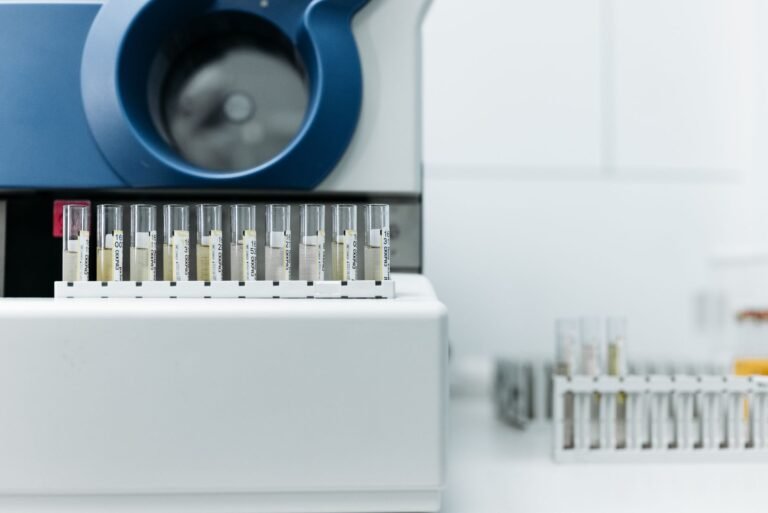
- Blood Tests: Blood tests are often necessary to measure testosterone levels and determine if they are within the normal range for the patient’s age. Other hormone levels may also be evaluated to identify potential imbalances.
- Assessment of Symptoms: A healthcare provider may use standardized questionnaires to evaluate the severity and impact of symptoms on the patient’s daily life.
It is essential for men experiencing symptoms associated with male menopause to seek a professional diagnosis. Self-diagnosis can lead to misunderstandings and inappropriate treatment approaches.
Treatment Options for Male Menopause
There are various treatment options available for managing the symptoms of male menopause. The most effective approach often depends on the severity of symptoms, overall health, and personal preferences. Here are some common treatment options:
- Lifestyle Changes: Making adjustments to diet and exercise can have a significant impact on hormone levels and overall well-being. Incorporating regular physical activity, maintaining a healthy weight, and eating a balanced diet rich in nutrients can help manage symptoms.
- Hormone Replacement Therapy (HRT): In some cases, testosterone replacement therapy may be recommended. This treatment aims to restore testosterone levels to a more normal range, potentially alleviating symptoms. However, HRT is not suitable for everyone and should be discussed thoroughly with a healthcare provider.
- Counseling and Support: Mental health support, including counseling or therapy, can be beneficial for managing mood swings, anxiety, and depression associated with male menopause.
- Medications: Depending on specific symptoms, medications may be prescribed to address issues such as erectile dysfunction or depression.
It is crucial for men to work closely with their healthcare providers to develop a personalized treatment plan that addresses their unique needs and health goals.

Real-Life Example
Consider the story of John, a 54-year-old man who began noticing significant changes in his life. He felt more fatigued, struggled with concentration at work, and experienced a decline in his sexual desire. Initially, he attributed these changes to the stresses of work and family life. However, as symptoms persisted, he decided to consult his healthcare provider.
After a thorough assessment, including blood tests, John discovered that his testosterone levels were lower than normal for his age. His doctor recommended a combination of lifestyle changes, including a new exercise routine and dietary adjustments, along with counseling to address his mood swings. John also discussed the possibility of testosterone replacement therapy but decided to start with lifestyle changes first.
Over several months, John noticed significant improvements in his energy levels, mental clarity, and overall mood. By taking proactive steps to address his symptoms, he was able to regain control over his health and improve his quality of life.
Impact of Lifestyle Changes on Male Menopause
Dietary Adjustments
Nutrition plays a crucial role in managing the symptoms of male menopause. A balanced diet rich in essential nutrients can help mitigate some of the hormonal fluctuations experienced during this transition. Foods that are high in antioxidants, such as berries, leafy greens, and nuts, can combat oxidative stress, which is often heightened during this period.
Additionally, incorporating healthy fats from sources like avocados, olive oil, and fatty fish can assist in hormone production and regulation. Reducing the intake of processed foods, sugars, and saturated fats is equally important, as these can exacerbate symptoms such as fatigue and mood swings.
- Focus on whole, unprocessed foods.
- Include a variety of fruits and vegetables.
- Consume lean proteins such as chicken, fish, and legumes.
- Limit sugar and refined carbohydrates.
- Stay hydrated by drinking plenty of water.
Physical Activity
Regular exercise is another vital component in managing male menopause. Engaging in physical activity can help alleviate symptoms such as weight gain, decreased energy levels, and mood changes. Aerobic exercises, strength training, and flexibility workouts are all beneficial in boosting testosterone levels and overall well-being.
Studies suggest that men who maintain a routine of physical activity report improved mood and energy levels. Activities such as walking, swimming, or cycling can increase endorphin levels, reducing feelings of anxiety and depression that may accompany male menopause.
- Aim for at least 150 minutes of moderate aerobic activity each week.
- Incorporate strength training exercises at least twice a week.
- Consider activities like yoga or tai chi for flexibility and stress relief.
- Stay consistent with your routine for optimal results.
Stress Management Techniques
Managing stress is essential during male menopause, as high stress levels can amplify symptoms. Techniques such as mindfulness, meditation, and deep-breathing exercises can help regulate emotional responses and improve mental clarity. Setting aside time each day for relaxation and reflection can foster a positive mindset.
Incorporating hobbies or activities that bring joy can also serve as a healthy outlet for stress. Whether it’s engaging in sports, reading, or spending time with loved ones, finding ways to unwind is crucial for emotional health during this transition.
- Practice deep-breathing exercises daily.
- Engage in mindfulness or meditation sessions.
- Set aside time for hobbies and interests.
- Connect with friends or family for support.

Exploring Alternative Therapies
Herbal Supplements
Herbal supplements have gained popularity as natural remedies for symptoms associated with male menopause. Some herbs, such as ginseng, fenugreek, and ashwagandha, may help in boosting testosterone levels and alleviating fatigue. However, it is essential to consult a healthcare professional before starting any supplement regimen.
Each herb comes with its potential benefits, but they can also have side effects or interact with other medications. Therefore, understanding the right dosage and the appropriate type of supplement is crucial in ensuring safety and effectiveness.
- Ginseng: May improve energy and reduce fatigue.
- Fenugreek: Some studies suggest it may increase testosterone levels.
- Ashwagandha: Known for its stress-reducing properties.
- Tribulus Terrestris: Often used to enhance libido.
Acupuncture and Massage Therapy
Acupuncture and massage therapy can also be effective alternative treatments for male menopause symptoms. Acupuncture involves inserting fine needles into specific points on the body to stimulate energy flow and alleviate various ailments, including stress and hormonal imbalances.
Massage therapy can provide relaxation, reduce muscle tension, and improve overall emotional well-being. Both therapies promote better sleep, which can be particularly beneficial for those experiencing insomnia or disrupted sleep patterns during this transitional phase.
- Consider weekly acupuncture sessions for stress management.
- Explore different types of massage, such as Swedish or deep tissue.
- Use relaxation techniques post-treatment to enhance benefits.
- Consult with certified practitioners for optimal results.
Mind-Body Practices
Mind-body practices, including yoga and tai chi, have shown promise in managing symptoms of male menopause. These activities not only improve physical strength and flexibility but also enhance mental clarity and emotional stability. Regular participation in such practices can lead to reductions in anxiety, depression, and stress-related symptoms.
Yoga, in particular, helps in fostering mindfulness and self-awareness, allowing individuals to connect with their emotions. Tai chi combines gentle movements with breathing and focus, creating a meditative experience that can be beneficial for overall health.
- Join yoga classes focusing on restorative poses.
- Practice tai chi in a group or solo setting.
- Incorporate breathwork techniques into daily routines.
- Explore online resources for guided practices.
Building a Support System
Finding Community
Establishing a support network is vital for men experiencing the challenges of menopause. Connecting with others who are going through similar experiences can provide emotional relief and practical advice. Support groups, both online and in-person, offer a space for sharing challenges, successes, and coping strategies.
Additionally, engaging with community resources, such as workshops or health seminars, can provide valuable insights and foster a sense of belonging. Social connections can significantly improve overall mental health during this transitional phase.
- Search for local support groups or online forums.
- Participate in community health workshops.
- Encourage open conversations with friends and family.
- Utilize social media platforms to connect with others.
Communicating with Loved Ones
Open communication with partners and family members about the changes occurring during male menopause is essential. Discussing feelings and concerns can alleviate misunderstandings and strengthen relationships. Encouraging loved ones to express their feelings can create a supportive environment conducive to healing.
Sharing experiences with a partner can also foster intimacy and mutual understanding. By working together to navigate the symptoms, couples can enhance their emotional connection and support each other through this transition.
- Schedule regular check-ins with partners.
- Express feelings openly and honestly.
- Encourage your partner to share their feelings as well.
- Consider couples counseling if needed.
Seeking Professional Guidance
Sometimes, the journey through male menopause may require professional help. Consulting with healthcare providers, including therapists or counselors, can provide additional support and coping strategies. Mental health professionals can assist in addressing emotional challenges and developing effective management techniques.
Furthermore, seeking guidance from a doctor specializing in men’s health can ensure that all physical symptoms are addressed appropriately. This comprehensive approach to care can lead to better outcomes and an improved quality of life.
- Research local mental health professionals specializing in men’s issues.
- Schedule regular check-ups with a healthcare provider.
- Consider therapy as a proactive measure.
- Ask for referrals from trusted sources.
For more information, see CDC.
Frequently Asked Questions
What is male menopause?
Male menopause refers to the gradual decline in testosterone levels as men age, leading to various physical and emotional symptoms, similar to female menopause.
At what age does male menopause typically begin?
Testosterone levels in men typically start to decline around the age of 30, with noticeable changes occurring in their 40s and 50s.
Are all men affected by male menopause?
No, not all men will experience symptoms of male menopause. The severity and presence of symptoms can vary widely based on individual health and lifestyle factors.
How can male menopause be treated?
Treatment options include lifestyle changes, hormone replacement therapy, counseling, and medications, depending on the individual’s symptoms and health conditions.
The Bottom Line
Male menopause is a complex phase of life that can significantly impact men’s health and well-being. Understanding the symptoms, causes, and treatment options is essential for managing this condition effectively. By seeking professional guidance and making informed lifestyle choices, men can navigate the challenges of male menopause and maintain a fulfilling and healthy life.
Was this page helpful?
Thanks for your feedback! What could we improve?
Thank you! Your feedback helps us improve our articles.
True Impact Health articles are written by our editorial team and based on reliable sources such as public health agencies, clinical guidelines and peer-reviewed research. This article has not yet been medically reviewed. Read our editorial process.
This content is for general information and is not a substitute for professional medical advice, diagnosis or treatment.