
















Understanding Skin Cancer: Symptoms, Types, and Treatments
Learn about skin cancer: its types, symptoms, treatments, and prevention strategies to stay informed and proactive about your health.
Table of Contents
Key Takeaways
- Skin cancer is the most common cancer in the U.S.
- Early detection significantly improves treatment outcomes.
- There are three main types: basal cell, squamous cell, and melanoma.
- Regular skin checks and sun protection are essential for prevention.
Skin cancer is a term that encompasses several types of cancer that form in the skin’s tissues. It arises from the uncontrolled growth of skin cells, often triggered by exposure to ultraviolet (UV) radiation from the sun or tanning beds. As the most prevalent form of cancer in the United States, understanding skin cancer is crucial for early detection and effective treatment.
This article will delve into the different types of skin cancer, their symptoms, risk factors, preventative measures, and treatment options. By being informed, you can take proactive steps to protect your skin and overall health.
With a rise in awareness, more individuals are becoming conscious of the importance of skin checks and sun safety practices. Whether you are seeking information for yourself or a loved one, this guide aims to provide practical and trustworthy insights about skin cancer.
Types of Skin Cancer
Skin cancer can be categorized into several types, the most common being basal cell carcinoma, squamous cell carcinoma, and melanoma. Each type has distinct characteristics, risk factors, and treatment approaches.
Basal Cell Carcinoma (BCC)
Basal cell carcinoma is the most frequently diagnosed form of skin cancer, accounting for approximately 80% of all skin cancer cases. It typically arises in areas of the skin that have been exposed to the sun, such as the face, neck, and arms. BCC develops in the basal cells, which are located in the outer layer of the skin. Though BCC rarely metastasizes (spreads to other parts of the body), it can cause significant local damage if left untreated.
Common symptoms of BCC include:
- A translucent or pearly bump on the skin
- A flat, brown, or scar-like lesion
- Bleeding or crusted areas that do not heal
Early diagnosis and treatment are crucial to prevent further complications. Treatments may include topical medications, cryotherapy, curettage, or surgical excision, depending on the size and location of the tumor.
Squamous Cell Carcinoma (SCC)
Squamous cell carcinoma is the second most common form of skin cancer, representing about 16% of cases. It arises in squamous cells, which are found in the upper layers of the skin. Like BCC, SCC is frequently associated with sun exposure and is more common in fair-skinned individuals.
Symptoms of SCC may include:
- A firm, red nodule
- A flat lesion with a scaly crust
- Ulcerated or bleeding areas on the skin
SCC has a higher risk of metastasis compared to BCC, making early detection essential. Treatment options often involve surgical removal, radiation therapy, or topical chemotherapy.
Melanoma
Melanoma is the least common but most aggressive type of skin cancer, accounting for only about 4% of skin cancer cases yet causing the majority of skin cancer deaths. Melanoma develops in melanocytes, the cells responsible for producing melanin, the pigment that gives skin its color. It can appear anywhere on the body, including areas not typically exposed to the sun.
Key warning signs of melanoma include:
- A mole that changes in size, shape, or color
- New growths on the skin that look different from existing moles
- Itching, bleeding, or crusting of moles
Melanoma is highly treatable when caught early, but it can spread to other parts of the body if not addressed promptly. Treatment may involve surgical excision, immunotherapy, targeted therapy, or chemotherapy.
Symptoms of Skin Cancer
Identifying skin cancer early can make a significant difference in treatment outcomes. While each type of skin cancer has its unique symptoms, there are general warning signs to watch for.
Some common symptoms of skin cancer include:
- A change in the appearance of a mole or spot on the skin
- New growths that are unusual or different from surrounding skin
- Itching, tenderness, or pain in a specific area of the skin
- Wounds that do not heal or that bleed easily
- Rough patches or scaly spots that persist
It is important to conduct regular skin self-exams, looking for any changes in your skin’s appearance. If you notice any suspicious spots or changes, consult a healthcare professional for further evaluation.

Risk Factors for Skin Cancer
Several factors can increase the likelihood of developing skin cancer. Understanding these risk factors can help you take preventive measures.
Ultraviolet (UV) Exposure
Prolonged exposure to UV radiation is the leading cause of skin cancer. This exposure can come from:
- Natural sunlight
- Tanning beds
- Artificial UV light sources
Individuals who spend significant time outdoors without adequate sun protection are at a higher risk of skin cancer.
Skin Type
People with fair skin, light-colored eyes, and red or blonde hair are at an increased risk. These individuals have less melanin, which provides some protection against UV radiation.
Family History
Having a family history of skin cancer can increase an individual’s chances of developing the disease. Genetics play a role in the susceptibility to skin cancer, making it essential for those with a family history to be vigilant about skin checks.
Preventing Skin Cancer
Prevention is key when it comes to skin cancer. Here are several effective strategies to reduce your risk:
- Use Sunscreen: Apply a broad-spectrum sunscreen with an SPF of at least 30 daily, even on cloudy days.
- Avoid Tanning Beds: Stay away from artificial tanning devices, as they increase the risk of skin damage and cancer.
- Wear Protective Clothing: Opt for long sleeves, wide-brimmed hats, and UV-protective sunglasses when outdoors.
- Seek Shade: Limit sun exposure, especially between 10 a.m. and 4 p.m. when UV rays are the strongest.
- Regular Skin Checks: Conduct self-exams and consult a dermatologist for professional evaluations.

Treatment Options for Skin Cancer
Treatment for skin cancer varies based on the type, size, and location of the cancer, as well as the patient’s overall health. Here are common treatment options:
Surgery
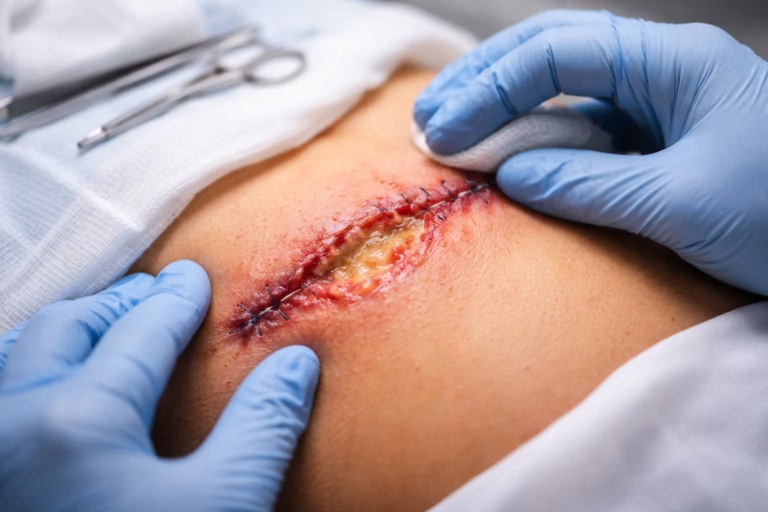
Surgical excision is often the first line of treatment for skin cancer. The goal is to remove the tumor along with a margin of healthy tissue. In some cases, Mohs surgery may be recommended, which involves removing the cancerous tissue layer by layer until no cancer cells remain.
Radiation Therapy
Radiation therapy uses high-energy rays to target and kill cancer cells. This treatment may be recommended for individuals who cannot undergo surgery or for those with certain types of skin cancer.
Topical Treatments
Topical chemotherapy or immunotherapy may be used for superficial skin cancers. These medications are applied directly to the skin and work by destroying cancer cells or stimulating the immune response.
Understanding Skin Cancer Staging and Prognosis
What is Skin Cancer Staging?
Staging is a critical process in understanding the extent of skin cancer in the body. It helps determine how far the cancer has spread and informs treatment options. The most common staging system used for skin cancer is the AJCC (American Joint Committee on Cancer) system, which categorizes cancer into stages from 0 (in situ) to IV (advanced). Each stage considers the tumor size, lymph node involvement, and the presence of metastasis.
The staging process typically involves imaging tests, biopsies, and examinations by medical professionals. Staging is vital because it provides a framework for prognosis and treatment planning. For example, earlier stages often have a higher survival rate and may only require localized treatments like excision or cryotherapy.
- Stage 0: Cancer in situ, localized and has not spread.
- Stage I: Small tumor, generally less than 2 cm, no lymph node involvement.
- Stage II: Larger tumor, may be more than 2 cm, still localized.
- Stage III: Cancer has spread to regional lymph nodes.
- Stage IV: Advanced cancer that has metastasized to distant organs.
Prognosis: What to Expect
The prognosis for skin cancer varies significantly based on type, stage, and individual patient factors. Generally, melanoma has a more variable prognosis compared to non-melanoma skin cancers like basal cell carcinoma (BCC) and squamous cell carcinoma (SCC). Early detection often leads to favorable outcomes, while more advanced stages may result in a less optimistic prognosis.
Factors influencing prognosis include age, overall health, and the specific characteristics of the cancer cells. For example, melanoma that has not yet spread has a high five-year survival rate, often exceeding 90%, while advanced melanoma can drop significantly, sometimes below 20% depending on the extent of metastasis. Regular follow-ups and monitoring are crucial for managing long-term outcomes.
- Early-stage melanoma: 90%+ five-year survival rate.
- Localized BCC and SCC: 95%+ five-year survival rate.
- Advanced melanoma: 15-20% five-year survival rate.
Follow-Up Care Post-Diagnosis
Follow-up care is essential for skin cancer survivors, as it helps in monitoring for recurrence and managing any long-term effects of treatment. The frequency of follow-up visits typically decreases over time but is essential in the first few years following treatment. Most patients will have follow-up appointments every three to six months during the first two years.
During these visits, healthcare providers will perform thorough skin examinations to check for any new lesions or changes in existing moles. Patients are also encouraged to self-examine their skin regularly and report any concerns. Additionally, education on maintaining skin health and sun protection strategies continue to be a crucial part of follow-up care.
- Schedule regular skin checks with a dermatologist.
- Perform monthly self-examinations.
- Stay informed about new treatments and research.

Emerging Treatments and Technologies for Skin Cancer
Targeted Therapy
Targeted therapy has emerged as a promising treatment option for certain types of skin cancer, especially advanced melanoma. This approach uses drugs that specifically target cancer cells without affecting healthy cells. For instance, BRAF inhibitors and MEK inhibitors have shown effectiveness in treating melanomas with specific genetic mutations.
By focusing on the genetic makeup of the tumor, targeted therapy can often lead to fewer side effects compared to traditional chemotherapy. However, it’s crucial for patients to undergo genetic testing to determine the best targeted treatment options available for their specific cancer type.
- Examples of targeted therapies include:
- BRAF inhibitors: Vemurafenib, Dabrafenib.
- MEK inhibitors: Trametinib, Cobimetinib.
Immunotherapy Advances
Immunotherapy represents a significant advancement in skin cancer treatment, utilizing the body’s immune system to fight cancer. Checkpoint inhibitors, such as pembrolizumab and nivolumab, have shown effectiveness in treating advanced melanoma by blocking proteins that prevent immune cells from attacking cancer.
Ongoing research is exploring combination therapies that may enhance the effectiveness of immunotherapy. For many patients, immunotherapy may provide a treatment option where traditional therapies have failed, offering hope for prolonged survival and quality of life. However, these treatments can also come with immune-related side effects that require careful monitoring.
- Common immune-related side effects include:
- Fatigue.
- Skin rashes.
- Gastrointestinal issues.
Innovative Surgical Techniques
Advancements in surgical techniques have improved outcomes for patients undergoing treatment for skin cancer. Mohs micrographic surgery is a highly effective technique for removing non-melanoma skin cancers while preserving as much healthy tissue as possible. This method involves excising the cancerous tissue layer by layer, allowing for immediate microscopic examination to ensure complete removal.
Additionally, newer technologies such as robotic-assisted surgery are being explored for their potential to enhance precision and reduce recovery times. These innovative surgical approaches can lead to better cosmetic results and less postoperative complications, making them appealing options for patients.
- Benefits of Mohs surgery include:
- Highest cure rate for non-melanoma skin cancers.
- Minimal scarring.
- Preservation of healthy skin.
Psychosocial Aspects of Skin Cancer
Emotional Impact of a Skin Cancer Diagnosis
A skin cancer diagnosis can have significant emotional and psychological effects on patients. Feelings of anxiety, fear, and depression are common as individuals confront the reality of their condition, treatment options, and potential changes in appearance. Support systems, including family, friends, and support groups, play a crucial role in helping individuals navigate these challenges.
Patients may benefit from counseling and therapy to address their emotional needs, providing them a platform to express their fears and concerns. Additionally, educational resources about their specific type of skin cancer can empower patients and alleviate some anxiety by making them feel more in control of their situation.
- Common emotional responses may include:
- Anxiety about treatment outcomes.
- Fear of recurrence.
- Concerns about body image and appearance.
Support Networks and Resources
Establishing a support network is essential for individuals facing skin cancer. Many organizations and online platforms offer resources, support groups, and forums where patients can connect with others experiencing similar challenges. These networks provide emotional support, share coping strategies, and offer information on treatment options.
Additionally, healthcare providers can help connect patients with local resources, including community support groups and counseling services. Engaging with these networks can encourage patients to share their experiences and feel less isolated during their journey.
- Resources for support may include:
- Local cancer support organizations.
- Online forums and support groups.
- Patient advocacy groups.
Managing Body Image Concerns
Body image concerns are a significant aspect of the psychosocial impact of skin cancer. Treatment may lead to visible changes, including scars, hair loss, or alterations in skin tone, which can affect self-esteem and confidence. Addressing these body image issues is important for overall mental health and well-being.
Patients can benefit from discussing their feelings with healthcare providers and seeking professional help if necessary. Engaging in self-care practices, such as skincare routines and exploring new fashion styles, can also help boost confidence. Many find that sharing their experiences with others can provide reassurance and foster a sense of community.
- Strategies for managing body image concerns include:
- Participating in support groups focused on body image.
- Engaging in activities that promote self-expression.
- Exploring options for cosmetic procedures if desired.
For more information, see Cleveland Clinic.
Frequently Asked Questions
What are the first signs of skin cancer?
The first signs of skin cancer can include changes in the appearance of existing moles, new growths on the skin, or sores that do not heal. It’s essential to monitor your skin for any unusual changes.
How can I reduce my risk of skin cancer?
To reduce the risk of skin cancer, use sunscreen, avoid tanning beds, wear protective clothing, seek shade, and conduct regular skin checks.
Is skin cancer treatable?
Yes, skin cancer is often treatable, especially when detected early. Treatment options include surgery, radiation therapy, and topical medications.
How often should I get a skin check?
It’s recommended to have a professional skin check at least once a year, but individuals at higher risk may need more frequent evaluations.
The Bottom Line
Skin cancer remains a significant health concern, with its prevalence continuing to rise. Understanding the types of skin cancer, recognizing symptoms, and being aware of risk factors are essential in the fight against this disease. Prevention strategies, including sun protection and regular skin checks, play a crucial role in reducing the risk of skin cancer. With proper knowledge and proactive measures, you can safeguard your health and well-being.
Was this page helpful?
Thanks for your feedback! What could we improve?
Thank you! Your feedback helps us improve our articles.
True Impact Health articles are written by our editorial team and based on reliable sources such as public health agencies, clinical guidelines and peer-reviewed research. This article has not yet been medically reviewed. Read our editorial process.
This content is for general information and is not a substitute for professional medical advice, diagnosis or treatment.