










Staph Infection Doctor
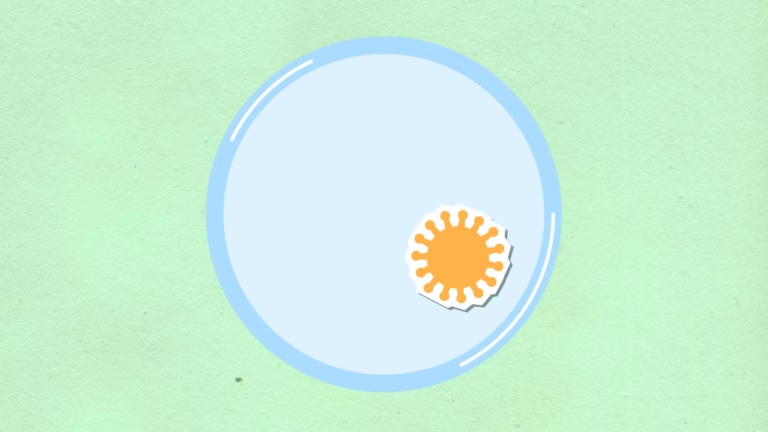
Today we will be talking about staph infection. Staph infection is caused by a group of bacteria known as Staphylococcus that commonly live on the skin...

Table of Contents
Key Takeaways
- Staph bacteria live on skin and can infect through cuts or wounds.
- Redness, swelling, pus, fever, and chills signal a staph infection.
- Regular handwashing, wound care, and not sharing personal items prevent infection.
- Seek medical care for fever, spreading redness, intense pain, or systemic signs.
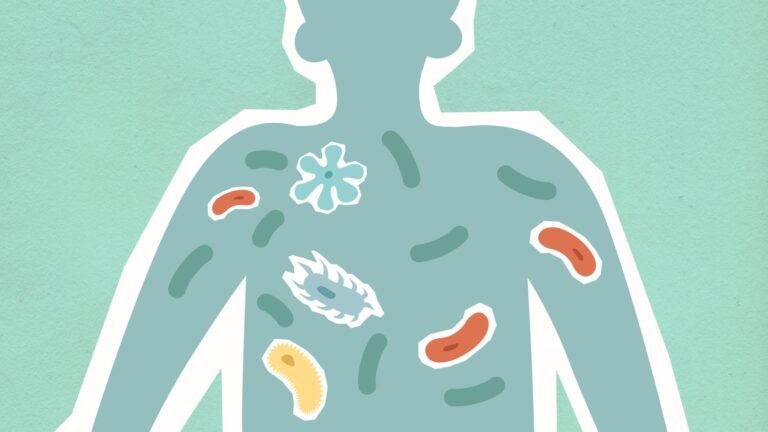
Today we will be talking about staph infection. Staph infection is caused by a group of bacteria known as Staphylococcus that commonly live on the skin and in the noses of healthy individuals. While there are many different strains of staph bacteria, most staph infections are mild and can be easily treated. However, some strains can cause serious skin infections, pneumonia, or bloodstream infections that may require immediate medical intervention. The severity of the infection often depends on the individual’s immune system and whether the bacteria have entered the body through a cut or sore. Awareness of staph infections, their symptoms, and treatment options is crucial for maintaining good health and preventing complications. In this article, we will explore staph infections in depth, providing detailed information on their causes, symptoms, risk factors, diagnosis, treatment options, and preventive measures.
What Causes Staph Infections?
Staph infections are primarily caused by the Staphylococcus aureus bacteria, which are part of the normal flora of the skin and nostrils. While these bacteria typically do not cause harm, they can lead to infections when they enter the body through breaks in the skin. It’s essential to understand that these bacteria can enter the body via cuts, scrapes, or other wounds, potentially leading to more serious conditions if left untreated.
Several risk factors can increase the likelihood of developing a staph infection. For instance, people with weakened immune systems, such as those undergoing chemotherapy, those with diabetes, or individuals living with HIV/AIDS, are at a higher risk. Additionally, close contact with someone who has a staph infection, participating in contact sports, and poor personal hygiene can all contribute to the spread of these bacteria. Addressing these risks through proper hygiene and caution can significantly reduce your chances of developing an infection.
Common Symptoms of Staph Infections
The symptoms of staph infections can vary depending on the type and site of the infection. Common symptoms include redness and swelling around a sore or cut, pus-filled blisters, fever, chills, and general malaise. Skin infections may manifest as boils, impetigo, or cellulitis, often accompanied by pain and tenderness in the affected area.
While most staph infections are manageable and result in mild symptoms, it’s crucial to recognize when an infection may be more severe. For instance, systemic infections can lead to fever, chills, and sweats, indicating that the bacteria have entered the bloodstream. If you experience these symptoms, it is important to seek medical help promptly. A timely diagnosis can help prevent serious complications, including sepsis or septic shock.

Risk Factors for Staph Infections
Understanding the risk factors associated with staph infections is vital for prevention. Certain individuals are more susceptible to these infections due to underlying health conditions or environmental factors. Some common risk factors include:
- Compromised Immune System: People with weakened immune systems are more likely to develop infections.
- Chronic Conditions: Diabetes, eczema, and chronic skin conditions can increase susceptibility.
- Personal Hygiene: Poor hygiene practices can increase the risk of staph infections.
- Close Living Quarters: Living in communal settings, such as dormitories, can facilitate the spread of bacteria.
- Contact Sports: Sports that involve physical contact can increase the risk of skin-to-skin transmission.
By identifying and mitigating these risk factors, individuals can better protect themselves against staph infections.
How Staph Infections Are Diagnosed
Diagnosing a staph infection typically involves a combination of physical examinations and laboratory tests. A healthcare professional will initially assess the symptoms, looking for indications of infection such as redness, swelling, or discharge from a wound. If a deeper infection is suspected, a doctor may order additional tests.
One of the most common diagnostic tools is a culture, where a sample of infected tissue or pus is taken and cultured in a lab to identify the bacterial strain. Blood tests may also be performed to check for any systemic infections, such as bacteremia. If necessary, imaging studies like X-rays can help evaluate the extent of the infection.
Timely diagnosis is key, as early identification and treatment can prevent complications and promote better health outcomes.
Treatment Options for Staph Infections
Treatment for staph infections largely depends on the severity and location of the infection. For minor skin infections, such as small boils or abscesses, a healthcare provider may drain the infected area and recommend proper wound care. Additionally, topical antibiotics may be prescribed to aid healing.
For more severe infections or systemic involvement, oral or intravenous antibiotics may be necessary. It’s important to follow the prescribed treatment plan and complete the full course of antibiotics, even if symptoms improve. In some cases, antibiotic resistance can be an issue, particularly with strains such as MRSA (Methicillin-Resistant Staphylococcus aureus). Infections caused by resistant strains may require specialized antibiotics and prolonged treatment.
Overall, collaboration with healthcare professionals is essential for effective management of staph infections.
Preventive Measures for Staph Infections
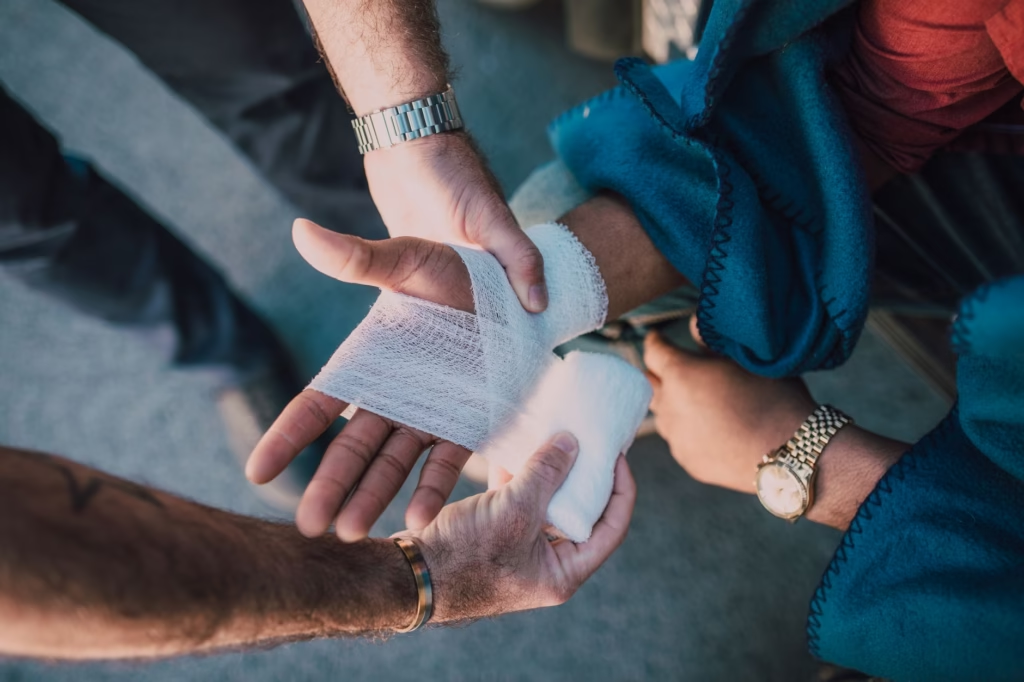
Effective prevention strategies can significantly reduce the risk of staph infections. Good personal hygiene is crucial; regular handwashing with soap and water, particularly after using the restroom or before eating, can help eliminate harmful bacteria. Keeping wounds clean and covered also reduces the chances of infection. Additionally, avoid sharing personal items such as towels, razors, and athletic gear, as staph bacteria can easily spread in communal settings.
For those involved in contact sports, wearing protective gear and maintaining cleanliness in shared equipment can further minimize risks. Building a strong immune system through a healthy diet, adequate sleep, and regular exercise can also support the body’s ability to fend off infections.
Staph Infections and Their Impact on Daily Life
Staph infections, while potentially mild, can impact daily life significantly, especially when they become more severe. Infections can lead to missed work or school days, the need for medical appointments, and prolonged recovery times. Individuals may experience pain, discomfort, and limitations in movement or activity, affecting their social life and emotional well-being.
Moreover, individuals with recurring staph infections may develop anxiety or stress regarding their health. Understanding their condition, working with healthcare providers for management, and employing consistent preventive strategies can empower individuals to take control of their health and mitigate these impacts.

Staph Infections in Children
Children are generally at risk for developing staph infections due to their active lifestyle and potential for cuts and scrapes. Parents should be observant of signs of infection, especially in school-age children who may not communicate discomfort effectively. Early intervention is key, and parents should educate their children about proper hygiene practices such as handwashing and wound care.
Moreover, children attending daycare or school should practice good personal hygiene to prevent the spread of infections to peers. Caregivers should reinforce the importance of not sharing personal items, as this can be a common pathway for staph bacteria transmission among children.
Living with Staph Infections
For individuals with chronic staph infections, adopting a proactive approach to health is crucial. Regular follow-ups with healthcare providers, ongoing education about symptoms, and building a supportive network can help manage living with infections. Many individuals also turn to online communities for support, sharing experiences and recommendations for living healthfully.
Holistic approaches, including stress management techniques, healthy diet practices, and maintaining an active lifestyle can support overall well-being. Staph infections shouldn’t define your life, but rather necessitate a strategy for health management, which can empower individuals to live fully.
Frequently Asked Questions
How long does a staph skin infection usually take to heal?
Mild skin infections often improve within a few days to a week with proper care. More extensive infections may require several weeks, especially if oral antibiotics are needed.
Can over-the-counter antibiotic ointments treat a staph infection?
Topical antibiotics can help minor superficial infections, but they may not be sufficient for deeper or more aggressive staph infections. Consulting a healthcare provider ensures appropriate treatment.
Is there a vaccine available to prevent staph infections?
Currently, no vaccine is approved for general use against Staphylococcus aureus. Research continues, but prevention relies on hygiene and wound management.
How does antibiotic resistance affect staph infection treatment?
Resistant strains like MRSA require specific antibiotics that may be stronger or taken for a longer period. Following the prescribed regimen fully helps limit resistance.
Conclusion
Staph infections are common yet can lead to significant health challenges if not addressed promptly. They arise from the Staphylococcus bacteria, which can be part of our normal body flora yet can pose risks when they breach the skin barrier. Recognizing the symptoms, understanding the risk factors, and employing preventive measures are vital in reducing the likelihood of infection.
Awareness around the diagnosis and treatment options is crucial, particularly as antibiotic resistance continues to grow. Individuals must advocate for their health, communicate effectively with healthcare providers, and adhere to prescribed treatments. Whether it’s through maintaining strong hygiene practices or seeking appropriate medical care, each step taken can help minimize the impact of staph infections on daily life.
Living healthily requires diligence, self-care, and a proactive approach. While the threat of staph infections remains, understanding how to navigate it can empower individuals and promote healthier living.
Here are some frequently asked questions:
- What is a staph infection? A staph infection is caused by Staphylococcus bacteria that can lead to a range of health issues, from mild skin infections to severe systemic infections.
- How do you get a staph infection? Staph infections often occur when the bacteria enter the body through cuts or wounds, but they can also spread through indirect contact with contaminated surfaces.
- Can staph infections be treated at home? Minor skin infections can be treated at home with proper care, but more severe infections require medical attention and possibly antibiotics.
- How can I prevent a staph infection? Maintaining good hygiene, keeping wounds clean and covered, and avoiding sharing personal items can help reduce the risk of staph infections.
- Are staph infections contagious? Yes, staph infections can be contagious, particularly in communal settings. It is essential to practice good hygiene to prevent spreading the infection.
For more information, see the MedlinePlus.
Was this page helpful?
Thanks for your feedback! What could we improve?
Thank you! Your feedback helps us improve our articles.
True Impact Health articles are written by our editorial team and based on reliable sources such as public health agencies, clinical guidelines and peer-reviewed research. This article has not yet been medically reviewed. Read our editorial process.
This content is for general information and is not a substitute for professional medical advice, diagnosis or treatment.