







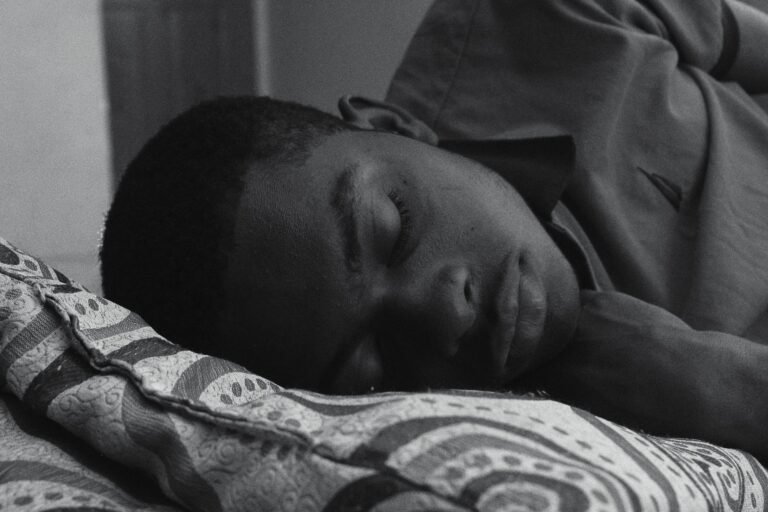











Understanding Sleep Cycle: Your Guide to Better Rest
Explore the intricacies of the sleep cycle and discover practical tips for improving your sleep quality and overall well-being.

Table of Contents
Key Takeaways
- The sleep cycle consists of multiple stages, crucial for restorative sleep.
- Understanding your sleep cycle can help improve your health and energy levels.
- Disruptions in the sleep cycle can lead to various health issues.
- Adopting healthy sleep habits can enhance your overall sleep quality.
Sleep is a fundamental aspect of our lives, yet many people overlook its complexities and importance. Understanding the sleep cycle is crucial for anyone looking to enhance their sleep quality and overall health. The sleep cycle refers to the various stages of sleep that our bodies go through during the night, each playing a unique role in physical and mental restoration.
Throughout this article, we’ll explore the intricacies of the sleep cycle, the importance of each stage, and how various factors can affect your sleep. By the end, you will better understand how to optimize your sleep cycle for improved well-being.
We will also discuss practical tips to help you establish a healthy sleep routine, ensuring you wake up feeling refreshed and rejuvenated each day.
What Is the Sleep Cycle?
The sleep cycle is a repetitive pattern that our bodies follow during sleep, typically lasting about 90 minutes and consisting of multiple stages. These stages are categorized into two main types: Non-Rapid Eye Movement (NREM) sleep and Rapid Eye Movement (REM) sleep. Each stage contributes differently to our health and recovery.
The sleep cycle can be divided into the following stages:
- Stage 1 (NREM): This is a light sleep stage lasting just a few minutes. It accounts for about 5% of your total sleep time and is the transitional phase where your body begins to relax.
- Stage 2 (NREM): Lasting about 20 minutes, this stage represents around 50% of your total sleep. Your heart rate slows, and your body temperature drops. Sleep spindles and K-complexes occur, which are thought to protect your sleep and aid memory consolidation.
- Stage 3 (NREM): Known as deep or slow-wave sleep, this stage is critical for physical recovery and growth. It makes up about 20% of your total sleep and is when the body repairs tissues and strengthens the immune system.
- REM Sleep: This stage occurs after about 90 minutes of sleep and typically lasts for 10 to 20 minutes. REM sleep is essential for cognitive functions such as learning and memory. During this stage, your brain is highly active, and vivid dreaming occurs.
Understanding these stages is essential because they are interconnected and cyclical. Disruptions in this cycle can impact your sleep quality and overall health.
The Importance of Each Sleep Stage
Each stage of the sleep cycle serves a unique purpose, contributing to your overall health in different ways. Let’s explore the significance of these stages in more detail.
Stage 1: The Gateway to Sleep
Stage 1 is the lightest phase of sleep, where your body transitions from wakefulness to sleep. It is characterized by a decrease in muscle activity and a slower pulse. Although this stage is brief, it is essential for easing into deeper sleep. If you are frequently disturbed during this stage, you may struggle to enter deeper sleep phases, leading to fatigue.
For example, consider someone who often checks their phone right before bed. The blue light emitted from screens can interfere with the body’s natural sleep-wake cycle, making it harder to transition smoothly into Stage 1.
Stage 2: The Preparation for Deeper Sleep
In Stage 2, your body temperature drops, and your heart rate slows down. This stage prepares your body for deeper sleep. It is crucial for restoring energy levels and supports processes such as memory consolidation and learning.
During this time, your brain produces sleep spindles and K-complexes that help protect your sleep from external disturbances. Disruptions in this stage can lead to increased sleepiness during the day and can affect cognitive functions.
Stage 3: The Healing Sleep
Stage 3 is vital for physical restoration and recovery. During this deep sleep phase, your body undergoes growth and repair processes. This stage is essential for muscle recovery, tissue growth, and immune function enhancement.
Research indicates that sleep deprivation, particularly a lack of deep sleep, can lead to chronic health issues such as obesity, diabetes, and cardiovascular diseases. Therefore, getting sufficient time in Stage 3 is critical for maintaining optimal health.
REM Sleep: The Brain’s Playground
REM sleep, often referred to as the dreaming phase, is crucial for cognitive functions such as memory, learning, and emotional regulation. During this stage, your brain is nearly as active as when you are awake, and your body experiences temporary paralysis to prevent acting out dreams.
Studies have shown that REM sleep plays a significant role in emotional processing and creativity. A lack of REM sleep can lead to mood disorders and impaired cognitive functions, affecting your overall mental health.

Factors Affecting the Sleep Cycle
Several factors can disrupt the natural sleep cycle, leading to poor sleep quality and health consequences. Understanding these factors can help you take steps to mitigate their effects.
Environmental Factors
The sleep environment plays a significant role in the quality of your sleep. Noise, light, and temperature can all impact your ability to fall asleep and stay asleep. For instance:
- Noise: Loud sounds or irregular noises can cause awakenings, especially during light sleep stages.
- Light: Exposure to artificial light, particularly blue light from screens, can interfere with melatonin production, making it harder to fall asleep.
- Temperature: A room that is too hot or too cold can disrupt sleep and prevent the body from reaching deeper sleep stages.
Lifestyle Choices
Your daily habits significantly influence your sleep quality. Certain lifestyle choices can contribute to disrupted sleep cycles:
- Caffeine Consumption: Consuming caffeine, especially in the afternoon or evening, can hinder your ability to fall asleep and reduce overall sleep duration.
- Alcohol Intake: While alcohol can help you fall asleep faster, it often leads to disrupted sleep patterns and reduced REM sleep.
- Irregular Sleep Schedule: Inconsistent sleep times can confuse your body’s internal clock, making it difficult to establish a regular sleep cycle.
Health Conditions
Certain medical conditions can also affect the sleep cycle. Conditions such as sleep apnea, anxiety, and depression can lead to fragmented sleep and impair the ability to progress through the sleep stages.
For example, individuals with sleep apnea may repeatedly wake up due to interrupted breathing, preventing them from reaching deeper sleep stages and leading to excessive daytime sleepiness.
Improving Your Sleep Cycle
To enhance your sleep cycle, consider implementing the following practical strategies to promote better sleep quality:
Establish a Sleep Routine
Creating a consistent sleep schedule can help regulate your body’s internal clock. Aim to go to bed and wake up at the same time every day, even on weekends. This consistency reinforces your body’s natural sleep-wake cycle.
Additionally, develop a relaxing bedtime routine. Activities such as reading, meditating, or taking a warm bath can signal to your body that it is time to wind down, making it easier to transition into sleep.
Optimize Your Sleep Environment
Make your bedroom a sanctuary for sleep. Consider the following:
- Darkness: Use blackout curtains to block out light and reduce exposure to artificial lighting during the evening.
- Quiet: If noise is an issue, consider using earplugs or a white noise machine to create a soothing sound environment.
- Comfort: Invest in a comfortable mattress and pillows that support your sleep position.
Limit Stimulants
Be mindful of your consumption of stimulants, such as caffeine and nicotine. Try to limit caffeine intake, especially in the hours leading up to bedtime. Additionally, avoid heavy meals and alcohol close to bedtime, as they can disrupt your sleep cycle.

The Role of Sleep in Mental Health
Understanding the Connection
Sleep and mental health are intricately connected, with research indicating that poor sleep patterns can exacerbate mental health issues such as anxiety and depression. During sleep, the brain processes emotions and consolidates memories, which plays a crucial role in emotional regulation. Insufficient sleep can lead to irritability, mood swings, and difficulty managing stress.
Moreover, mental health disorders can also disrupt sleep, creating a vicious cycle. Individuals suffering from anxiety may find it hard to fall asleep, while depression can lead to oversleeping or insomnia. Understanding this connection is vital for managing both sleep and mental health.
Sleep Hygiene Practices for Mental Well-Being
Implementing good sleep hygiene can significantly improve both sleep quality and mental health. Here are some effective practices:
- Maintain a consistent sleep schedule by going to bed and waking up at the same time every day.
- Create a relaxing bedtime routine that helps signal to your body that it’s time to wind down.
- Limit exposure to screens and bright lights at least an hour before bedtime to help regulate melatonin production.
- Engage in regular physical activity during the day, but avoid vigorous exercise close to bedtime.
By prioritizing these practices, individuals can foster an environment conducive to better mental health and improved sleep.
Seeking Professional Help
If sleep issues persist, it may be beneficial to consult a mental health professional. Cognitive Behavioral Therapy for Insomnia (CBT-I) is a recognized treatment that addresses the thoughts and behaviors that contribute to sleep difficulties. Moreover, medication may be an option, but this should always be discussed with a healthcare provider to weigh the benefits against potential side effects.
The Impact of Nutrition on Sleep Quality
Foods that Promote Better Sleep
The foods you consume can have a profound impact on your sleep quality. Certain nutrients help in the production of neurotransmitters that regulate sleep, such as serotonin and melatonin. Here are some food categories that can enhance sleep:
- Complex Carbohydrates: Foods like whole grains, oats, and quinoa can increase the availability of tryptophan, an amino acid that promotes sleep.
- Magnesium-Rich Foods: Leafy greens, nuts, seeds, and legumes are rich in magnesium, which has been shown to improve sleep quality.
- Lean Proteins: Fish, chicken, and turkey are good sources of tryptophan, which can aid in sleep onset.
Incorporating these foods into your diet may lead to improved sleep patterns, as they provide the necessary nutrients that facilitate restful sleep.
Foods to Avoid Before Bedtime
Just as certain foods can enhance sleep, others can hinder it. To promote better sleep, it’s advisable to avoid:
- Caffeine: Found in coffee, tea, and some sodas, caffeine can stay in your system for several hours and disrupt sleep.
- Heavy or Spicy Foods: These can cause discomfort or indigestion, making it difficult to fall asleep.
- Alcohol: While it may initially make you feel drowsy, alcohol can disrupt sleep cycles and lead to poorer quality sleep.
Being mindful of your dietary choices, particularly in the hours leading up to bedtime, can significantly influence your ability to achieve restorative sleep.
Hydration and Sleep
Staying hydrated is essential for overall health, but timing your fluid intake is critical for sleep quality. Dehydration can lead to dry mouth and nasal passages, which may cause discomfort during sleep. However, drinking large quantities of fluids right before bed can increase the likelihood of nighttime awakenings to use the bathroom.
To strike a balance, aim to hydrate adequately during the day and limit fluid intake in the evening. A small glass of water before bed is usually fine, but be cautious about overconsumption close to sleep time.

Understanding Sleep Disorders
Common Sleep Disorders
Sleep disorders can significantly impact your ability to achieve restful sleep. Here are some common types:
- Insomnia: Characterized by difficulty falling or staying asleep, insomnia can be acute or chronic and is often linked to stress or anxiety.
- Sleep Apnea: A serious condition where breathing repeatedly stops and starts during sleep, leading to fragmented sleep and daytime fatigue.
- Restless Legs Syndrome (RLS): An uncontrollable urge to move the legs, usually accompanied by uncomfortable sensations, which can disrupt sleep.
Recognizing the signs of these disorders is crucial for seeking appropriate treatment and improving sleep quality.
Diagnosis and Treatment Options
If you suspect you have a sleep disorder, a visit to a sleep specialist can provide clarity. Diagnosis often involves sleep studies, where your sleep patterns are monitored overnight. Treatment options may vary depending on the disorder:
- Insomnia: CBT-I and medications such as sleep aids may be recommended.
- Sleep Apnea: Continuous Positive Airway Pressure (CPAP) therapy is commonly prescribed.
- RLS: Lifestyle changes, iron supplements, or medication can be effective in managing symptoms.
Addressing sleep disorders promptly can significantly enhance overall well-being and quality of life.
When to Seek Professional Help
It’s essential to seek professional help if sleep issues persist despite self-help strategies. Signs that indicate you should consult a healthcare provider include:
- Chronic difficulty falling asleep or staying asleep.
- Excessive daytime sleepiness that affects daily activities.
- Frequent snoring or gasping for air during sleep.
Early intervention can lead to better management of sleep disorders and improve your quality of life.
For more information, see CDC.
Frequently Asked Questions
How long is a typical sleep cycle?
A typical sleep cycle lasts about 90 minutes, and most people experience four to six cycles per night, depending on their total sleep duration.
What happens if I don’t get enough REM sleep?
A lack of REM sleep can lead to cognitive impairments, emotional instability, and difficulty concentrating. Chronic deficits in REM sleep may contribute to mood disorders.
Can napping affect my sleep cycle?
Napping can impact your sleep cycle, especially if naps are too long or taken too late in the day. Short naps (20-30 minutes) can be refreshing without disrupting nighttime sleep.
How can I tell if I’m getting enough deep sleep?
While you may not be able to measure deep sleep directly, signs of adequate deep sleep include feeling refreshed upon waking, improved focus and mood during the day, and reduced daytime fatigue.
The Bottom Line
The sleep cycle is a complex but essential aspect of health that significantly impacts our physical and mental well-being. Understanding the stages of sleep and their importance can empower you to make informed choices for better sleep quality. By optimizing your sleep environment, establishing a routine, and being mindful of lifestyle factors, you can enhance your sleep cycle and overall health.
Was this page helpful?
Thanks for your feedback! What could we improve?
Thank you! Your feedback helps us improve our articles.
True Impact Health articles are written by our editorial team and based on reliable sources such as public health agencies, clinical guidelines and peer-reviewed research. This article has not yet been medically reviewed. Read our editorial process.
This content is for general information and is not a substitute for professional medical advice, diagnosis or treatment.