


















Recognizing Blood Clot Symptoms: A Practical Guide
Learn to recognize blood clot symptoms and understand when to seek medical help. Stay informed and protect your health.
By True Impact Health Editorial Team

Medical doctor and clinical researcher focused on preventive medicine, chronic disease and clear, evidence-based health communication.
Reviewed this article on November 11, 2026.
View profile How we reviewUpdated on November 11, 2026 10 min read

Table of Contents
Key Takeaways
- Blood clots can be life-threatening if not treated.
- Common symptoms include swelling, pain, and redness.
- Seek immediate medical assistance for severe symptoms.
- Preventive measures can significantly reduce risks.
Blood clots are a serious medical condition that can lead to severe complications, including heart attacks and strokes. Understanding blood clot symptoms is crucial for early detection and treatment. This guide aims to provide practical information about the signs of blood clots, how to recognize them, and what actions to take.
Blood clots form when blood changes from a liquid to a solid state, creating a mass that can obstruct blood flow. While some clots are harmless, others can pose significant health risks. Common locations for dangerous clots include the legs (deep vein thrombosis) and the lungs (pulmonary embolism). Recognizing symptoms early can save lives.
This article will cover the various symptoms associated with blood clots, the risk factors, and what to do if you suspect a clot. By being informed, you can take proactive measures to protect your health.
Understanding Blood Clots
Blood clots are part of the body’s natural healing process. When a blood vessel is injured, platelets and proteins in the blood work to form a clot to stop bleeding. However, problems arise when clots form without an injury or do not dissolve when they should. These abnormal clots can travel through the bloodstream and create blockages in vital areas.
There are two primary types of blood clots: venous and arterial clots. Venous clots occur in veins, often in the legs, and can lead to deep vein thrombosis. Arterial clots occur in arteries and can prevent blood flow to the heart or brain, leading to heart attacks or strokes. Understanding these differences is essential in recognizing the symptoms associated with each type.
Blood clots can develop due to various factors, including prolonged immobility, certain medical conditions, and lifestyle choices. Knowing your risk factors can help you take preventive measures.

Common Symptoms of Blood Clots
Recognizing blood clot symptoms can be challenging, as they may resemble other medical conditions. The symptoms often depend on the location and severity of the clot. Here are some common signs associated with blood clots:
- Swelling: Swelling in one leg, arm, or area can indicate a clot. This swelling is often accompanied by warmth and redness.
- Pain: Patients may experience pain or tenderness, typically in the affected area. This pain might feel like cramping or soreness.
- Skin changes: The skin over the area may appear discolored, red, or feel warmer than surrounding tissues.
These symptoms can vary in intensity. For instance, Jane, a 45-year-old office worker, experienced swelling and mild pain in her left leg after a long flight. Initially dismissing it as fatigue, she later sought medical attention when the symptoms persisted and worsened.
Symptoms of Deep Vein Thrombosis (DVT)
DVT occurs when a blood clot forms in a deep vein, usually in the legs. Symptoms of DVT include:
- Swelling: Noticeable swelling in one leg, often accompanied by a feeling of heaviness.
- Pain: A constant ache or cramp in the affected leg.
- Warmth: The skin in the area of the clot may feel warmer than the surrounding skin.
If you experience these symptoms, especially after prolonged immobility or surgery, seek medical advice promptly.
Symptoms of Pulmonary Embolism (PE)
PE is a more severe condition that occurs when a clot travels to the lungs. Symptoms can include:
- Shortness of breath: Sudden difficulty breathing, which may worsen with exertion.
- Chest pain: A sharp pain that may feel like a heart attack and worsen with deep breaths.
- Coughing: A persistent cough that may produce blood.
PE is a medical emergency. If you suspect a pulmonary embolism, call emergency services immediately.

Risk Factors for Blood Clots
Understanding your risk factors for blood clots can help in prevention. Numerous factors increase the likelihood of developing clots, such as:
- Prolonged immobility: Long periods of sitting or lying down, such as during long flights or bed rest.
- Medical conditions: Certain conditions like cancer, heart diseases, and autoimmune disorders can elevate risk.
- Hormonal factors: Hormonal changes from pregnancy, birth control pills, or hormone replacement therapy can increase clot risk.
Additionally, lifestyle factors such as obesity, smoking, and a sedentary lifestyle can contribute to clot formation. Recognizing these factors enables individuals to take preventative actions.
Preventive Measures
Preventing blood clots is possible through various lifestyle changes and medical interventions. Consider the following:
- Stay active: Regular physical activity promotes healthy circulation. Aim to move around every hour, especially during long periods of sitting.
- Hydrate: Staying well-hydrated can help keep blood flowing and prevent clotting.
- Avoid smoking: Quitting smoking significantly reduces the risk of blood clots.
If you are at high risk, your doctor may recommend medications or compression stockings to help prevent clots. Always discuss your risk factors and prevention strategies with a healthcare provider.
When to Seek Medical Attention
Recognizing when to seek medical attention for blood clot symptoms is crucial. If you experience any of the following, it’s essential to act quickly:
- Sudden swelling in one leg or arm.
- Persistent pain that worsens over time.
- Chest pain or difficulty breathing.
- A sudden cough that produces blood.
These symptoms may signal a serious condition that requires immediate medical intervention. Do not hesitate to seek help, as timely treatment can significantly improve outcomes.
Diagnostic Tests for Blood Clots
Medical professionals use several diagnostic tests to confirm the presence of blood clots:
- Doppler ultrasound: This non-invasive test uses sound waves to visualize blood flow in the veins, helping identify clots.
- CT scans: A CT pulmonary angiography can detect clots in the lungs.
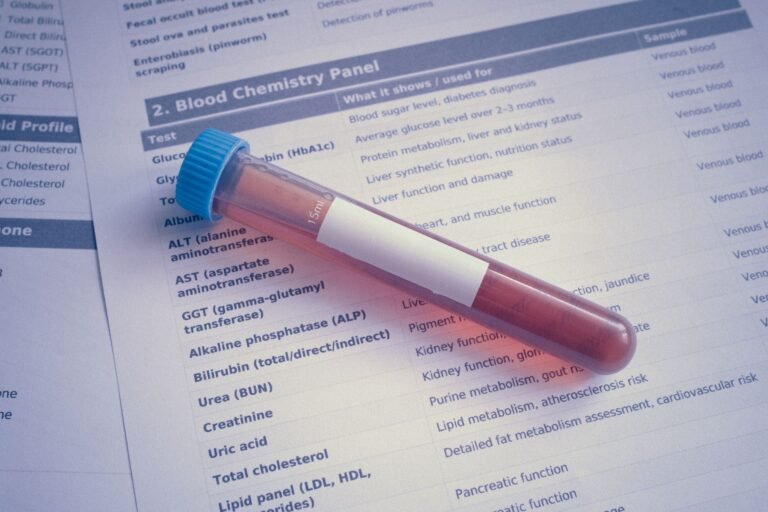
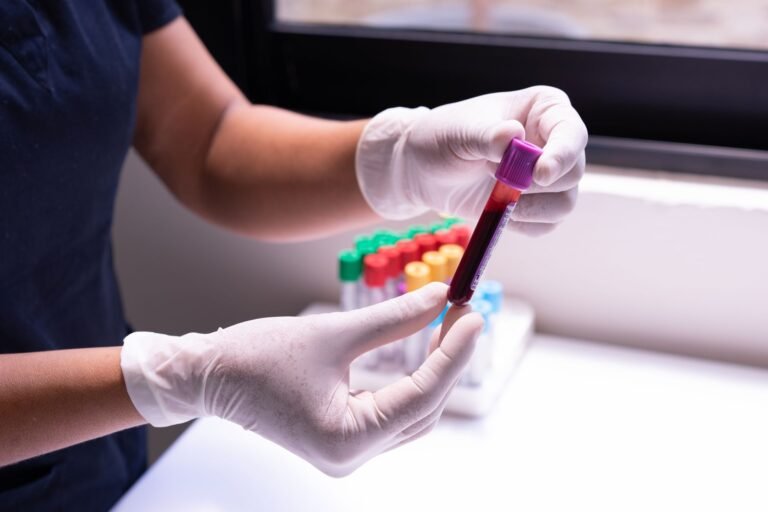
- Blood tests: Tests such as D-dimer can indicate the presence of an abnormal clotting process.
Consulting with a healthcare provider will determine the most appropriate tests based on your symptoms and risk factors.

Preventive Measures for Blood Clots
Preventing blood clots is a crucial aspect of maintaining overall health, especially for individuals at higher risk. By adopting certain lifestyle changes and being proactive about health management, you can significantly reduce your risk of developing blood clots.
Healthy Lifestyle Choices
Making healthy lifestyle choices is one of the most effective ways to prevent blood clots. Here are some key areas to focus on:
- Regular Exercise: Engaging in regular physical activity helps improve circulation and strengthens your cardiovascular system. Aim for at least 150 minutes of moderate-intensity exercise each week.
- Balanced Diet: A diet rich in fruits, vegetables, whole grains, lean proteins, and healthy fats can help manage body weight and overall health. Foods high in omega-3 fatty acids, such as fish, flaxseeds, and walnuts, are particularly beneficial for heart health.
- Hydration: Staying well-hydrated is essential. Dehydration can lead to thicker blood, increasing the risk of clot formation.
Monitoring Health Conditions
Chronic health conditions can increase the risk of blood clots. Regular monitoring and management of these conditions are vital:
- Diabetes: Keeping blood sugar levels within the recommended range can help reduce the risk of vascular complications.
- Hypertension: Managing high blood pressure through medication and lifestyle changes is essential for reducing the risk of clots.
- Cholesterol Levels: Regularly checking and managing cholesterol levels can help prevent the buildup of plaque in the arteries, which can contribute to clot formation.
Travel and Mobility Considerations
For individuals who travel frequently or have sedentary lifestyles, it’s important to take extra measures to prevent blood clots:
- Movement During Long Travels: If you’re traveling by plane or car for extended periods, make it a point to stand up and stretch every couple of hours. Simple leg stretches or walking can improve circulation.
- Compression Stockings: Wearing compression stockings can help promote blood flow in the legs, especially during long flights or car rides.
- Avoid Prolonged Immobility: If you have a job that requires long hours of sitting, take regular breaks to walk around and stretch your legs.

Understanding Blood Clot Types and Their Implications
Blood clots can occur in various forms and locations within the body, each with distinct implications for health. Understanding these types can help in early detection and treatment.
Deep Vein Thrombosis (DVT)
DVT is a type of blood clot that typically forms in the deep veins of the legs. Recognizing the symptoms and understanding the risks associated with DVT is key:
- Symptoms: Symptoms may include swelling, pain, tenderness, and a feeling of warmth in the affected leg.
- Risk Factors: Extended periods of immobility, recent surgery, and certain medical conditions can increase the risk of DVT.
- Complications: If a DVT breaks loose, it can travel to the lungs, causing a pulmonary embolism, which is a life-threatening condition.
Pulmonary Embolism (PE)
A pulmonary embolism occurs when a blood clot travels to the lungs, blocking a pulmonary artery. This condition can be fatal and requires immediate medical attention:
- Symptoms: Symptoms may include sudden shortness of breath, chest pain that worsens with deep breaths, and coughing up blood.
- Risk Factors: Similar to DVT, conditions like prolonged immobility, obesity, and certain genetic predispositions can increase the risk of PE.
- Treatment: Treatment may involve anticoagulants, thrombolytics, or in severe cases, surgical intervention to remove the clot.
Superficial Thrombophlebitis
This condition refers to the inflammation of a vein just below the surface of the skin due to a clot. While it is less serious than DVT, it can still cause discomfort and complications:
- Symptoms: Symptoms may include redness, swelling, and tenderness along the vein.
- Management: Treatment often involves warm compresses, anti-inflammatory medications, and elevation of the affected limb.
- When to Seek Help: If symptoms worsen or if there are signs of DVT, such as swelling and pain in the leg, seek medical attention promptly.

Impact of Medications on Blood Clot Risk
Certain medications can influence the risk of blood clots, either by increasing or decreasing that risk. Being aware of these medications is crucial for managing your health.
Anticoagulants
Anticoagulants are medications designed to prevent blood clots. Understanding their use and potential side effects is essential:
- Common Anticoagulants: Medications such as warfarin, rivaroxaban, and apixaban are commonly prescribed for individuals at risk of clots.
- Monitoring: Regular monitoring is necessary when taking anticoagulants to ensure they are working effectively without causing excessive bleeding.
- Diet Considerations: Certain foods and supplements can interact with anticoagulants, so it is important to consult with your healthcare provider about dietary restrictions.
Hormonal Medications
Hormonal medications, including birth control pills and hormone replacement therapy, can increase the risk of blood clots:
- Estrogen and Clots: Estrogen-containing contraceptives are associated with a higher risk of DVT, especially in women who smoke or have other risk factors.
- Alternatives: Discuss alternative birth control methods with your healthcare provider if you have a history of blood clots or other risk factors.
- Monitoring Side Effects: Be vigilant about any unusual symptoms while on hormonal medications, and report them to your healthcare provider.
Other Medications
Some medications can also contribute to clot risk, either directly or indirectly:
- Certain Cancer Treatments: Chemotherapy can increase the risk of blood clots. Patients should discuss their risk with their oncology team.
- Long-term Use of NSAIDs: Non-steroidal anti-inflammatory drugs can affect platelet function, potentially influencing clotting.
- Consult Your Doctor: Always consult with your healthcare provider about the risks associated with any new medications you are prescribed.
For more information, see Cleveland Clinic.
Frequently Asked Questions
What causes blood clots?
Blood clots can be caused by factors such as prolonged immobility, certain medical conditions, hormonal changes, and lifestyle factors like smoking and obesity.
Are blood clots hereditary?
Yes, certain genetic conditions can increase the risk of blood clots. If you have a family history of blood clotting disorders, discuss this with your healthcare provider.
Can blood clots be prevented?
Many blood clots can be prevented through lifestyle changes, such as staying active, maintaining a healthy weight, and avoiding smoking. Medications may also be prescribed for high-risk individuals.
What is the treatment for blood clots?
Treatment options may include anticoagulant medications, thrombolytics to dissolve clots, and, in some cases, surgical procedures to remove clots.
The Bottom Line
Understanding blood clot symptoms is vital for early detection and treatment. Symptoms such as swelling, pain, and changes in skin color can indicate the presence of a clot, especially in the legs or lungs. Recognizing risk factors and knowing when to seek medical attention can save lives. If you suspect you have a blood clot or experience severe symptoms, do not hesitate to seek immediate medical help.
Stay informed about blood clot symptoms and risk factors to take proactive measures for your health.[/m4p_tip>
Was this page helpful?
Thanks for your feedback! What could we improve?
Thank you! Your feedback helps us improve our articles.
Medically reviewed by
Dr. Daniel HarringtonMedical doctor and clinical researcher focused on preventive medicine, chronic disease and clear, evidence-based health communication.
True Impact Health articles are written by our editorial team and based on reliable sources such as public health agencies, clinical guidelines and peer-reviewed research. This article has been checked by a doctor on our review panel. Read our editorial process.
This content is for general information and is not a substitute for professional medical advice, diagnosis or treatment.