Fasting Before Blood Test: Essential Tips for Accurate Results
Learn why fasting before a blood test is crucial for accurate results and get practical tips to prepare effectively.
By True Impact Health Editorial Team

Medical graduate of Girne American University with a focus on patient-centred care, clinical assessment and preventive health.
Reviewed this article on November 11, 2026.
View profile How we reviewUpdated on November 10, 2026 10 min read
Table of Contents
Key Takeaways
- Fasting helps ensure accurate blood test results.
- Different tests may require varying fasting durations.
- Hydration is important even while fasting.
- Consult your doctor for specific fasting instructions.
Understanding Fasting Before Blood Tests
Fasting before a blood test is a common requirement that many healthcare providers emphasize. The purpose of fasting is to ensure that certain substances in your blood are not influenced by recent food intake, which can lead to inaccurate test results. This practice is critical for many metabolic tests, lipid profiles, and glucose tests. Understanding the importance of fasting and how to prepare for it can help you get the most accurate results from your blood tests.
When you eat, your body processes the nutrients from your food, which can alter the composition of your blood. For instance, eating a large meal can temporarily increase your blood sugar and triglyceride levels, giving healthcare providers a skewed view of your health. Therefore, it is essential to follow your healthcare provider’s instructions regarding fasting to ensure that the results of your blood tests reflect your true health status.
In this guide, we will explore the specifics of fasting before a blood test, including how long to fast, what to avoid, and tips for a smooth experience.
Why Fasting is Important
Fasting plays a vital role in ensuring the accuracy of blood test results. Here are some key reasons why:
- Eliminates Food Influence: When you fast, you minimize the influence of dietary substances on your blood, allowing for more accurate readings of glucose, cholesterol, and other critical markers.
- Standardizes Test Conditions: Fasting creates a standardized condition for tests, making it easier for healthcare providers to interpret results and make informed decisions.
- Identifies Health Issues: Certain conditions, such as diabetes or metabolic syndrome, can be better identified through fasting blood tests, helping guide treatment plans effectively.

Common Types of Blood Tests Requiring Fasting
Not all blood tests require fasting, but several do. Understanding which tests necessitate fasting can help you prepare effectively:
- Lipid Profile: This test measures cholesterol levels, including LDL (bad cholesterol) and HDL (good cholesterol). Fasting for 9-12 hours is typically required.
- Glucose Test: Often used to diagnose diabetes, this test measures blood sugar levels. Fasting for at least 8 hours is standard practice.
- Basic Metabolic Panel (BMP): This panel assesses various metabolic components, including glucose, calcium, and electrolytes. An overnight fast is usually recommended.
How Long Should You Fast?
The duration of fasting before a blood test can vary depending on the type of test being conducted. Here are some general guidelines:
- 8 to 12 hours: Most tests requiring fasting, such as glucose and lipid panels, typically require an overnight fast.
- 3 to 4 hours: Some tests may only need a short fasting period. Always confirm with your healthcare provider.
- No fasting: Certain tests, such as complete blood counts (CBC), do not require fasting. Always check the requirements beforehand.
What to Avoid While Fasting
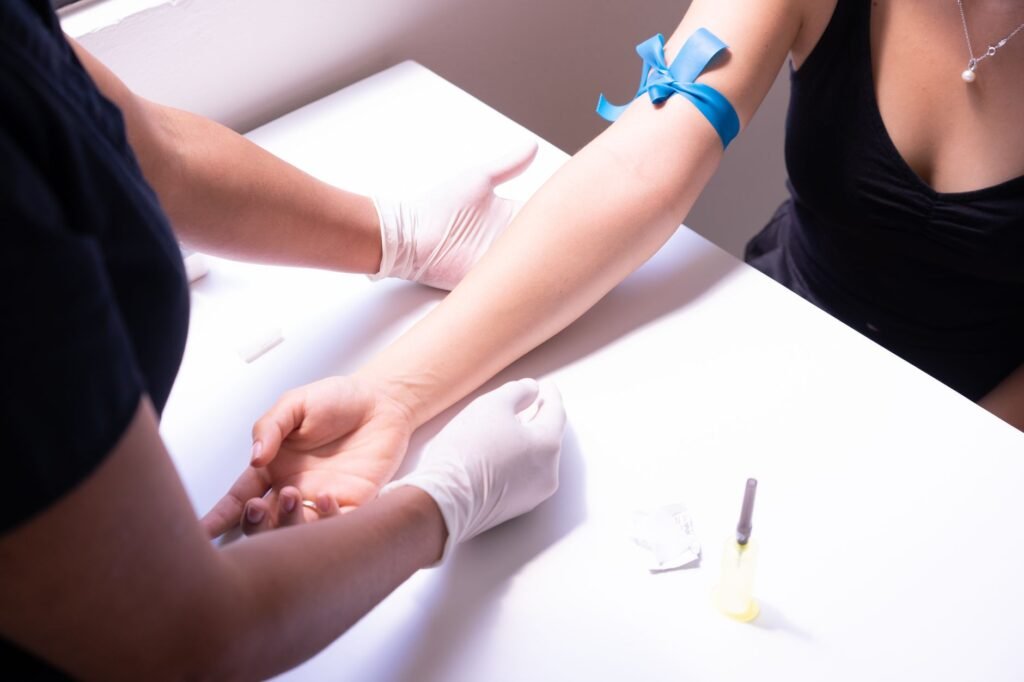
During your fasting period, there are specific substances and behaviors to avoid to ensure accurate test results:
- Food and Drinks: Avoid all food and beverages except for water. Even small snacks can affect test results.
- Caffeinated Beverages: Coffee, tea, and sodas are typically not recommended, as caffeine can influence blood sugar and other metabolic markers.
- Alcohol: Alcohol consumption can significantly alter blood test results, so it’s best to avoid it entirely before testing.
Hydration During Fasting
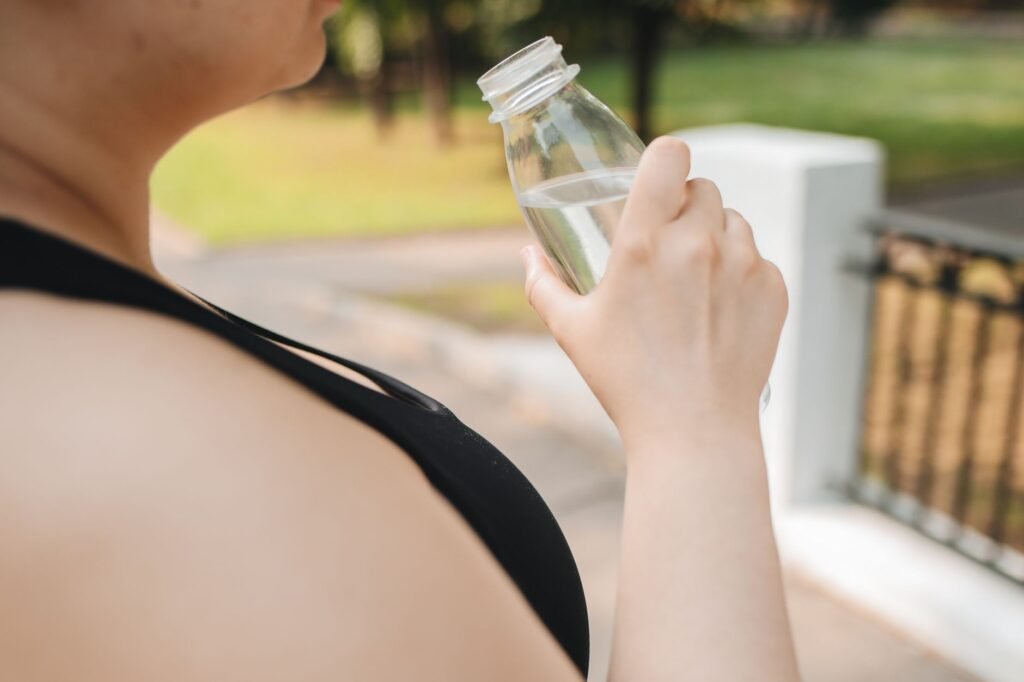
Staying hydrated is crucial even while fasting. Here’s how to approach hydration effectively:
- Drink Water: You can and should drink plenty of plain water. Hydration helps keep your veins accessible for drawing blood and can improve your overall feeling during fasting.
- Avoid Sugary Drinks: Even drinks labeled as ‘zero-calorie’ or ‘sugar-free’ should be avoided, as they can affect certain test results.
- Monitor Your Body: Pay attention to how you feel during the fasting period. If you start to feel unwell, reach out to your healthcare provider for guidance.

Preparing for Your Blood Test
Preparation is key to making your blood test experience smooth and successful:
- Schedule Wisely: Try to schedule your blood tests for early morning so that you can fast overnight, minimizing discomfort.
- Inform Your Provider: Make sure to inform your healthcare provider about any medications you are taking, as some may require special considerations.
- Plan for After the Test: Consider having a light snack or meal ready for after your blood test, especially if you have fasted for an extended period.
Real-Life Example: Navigating Fasting
Consider Sarah, a 45-year-old woman preparing for her annual health check-up. Her doctor ordered a fasting lipid profile and glucose test. Sarah was advised to fast for 12 hours prior to her appointment. To prepare, she scheduled her test first thing in the morning, ensuring she could fast overnight. She drank plenty of water the night before and set her alarm to wake up early to avoid feeling rushed.
On the day of her test, Sarah refrained from coffee and breakfast, opting instead for a glass of water. By the time she arrived at the clinic, she felt hydrated and ready. The technician was able to easily draw her blood, and Sarah felt confident that her results would be accurate. After the test, she enjoyed a hearty breakfast, pleased with how she navigated the fasting process.
Understanding the Impact of Medications on Fasting Blood Tests
Common Medications That Affect Blood Test Results
When preparing for a fasting blood test, it’s crucial to consider any medications you might be taking, as they can influence the results significantly. Certain medications, such as steroids, diuretics, and oral contraceptives, can alter blood glucose levels, lipid profiles, and other key indicators. For instance, corticosteroids can increase glucose levels, potentially leading to misleading results in diabetes screening tests.
- Steroids
- Diuretics
- Oral contraceptives
- Antibiotics
- Antidepressants
It’s advisable to consult your healthcare provider about all medications, including over-the-counter drugs and supplements, before your blood test. They can provide guidance on whether any medications should be paused or adjusted to ensure accurate test results.
Timing of Medication in Relation to Blood Tests
The timing of when to take your medication in relation to your fasting blood test can also be significant. Some medications may need to be taken with food, while others might not have any restrictions. Understanding the appropriate timing can help mitigate any potential impact on your test results. Always discuss with your healthcare provider whether you should take your medication before or after the test.
For example, if you are taking a medication that may cause increased glucose levels, your doctor might recommend adjusting the timing to ensure your test results are reflective of your normal health status. This could mean taking your medication after the blood draw instead of before.
Communicating with Your Healthcare Provider
Open communication with your healthcare provider about your medications is essential. Before your blood test, make sure to provide a comprehensive list of everything you are taking. This includes prescription medications, over-the-counter drugs, herbal supplements, and vitamins. Your healthcare provider will be able to consider these factors when interpreting your test results.
Additionally, if you experience any changes in your health or medication regimen leading up to the test, it’s important to inform your provider. This ensures that any potential variables are accounted for in the analysis of your blood work.
The Role of Diet in Preparing for Blood Tests
Foods to Avoid Before a Fasting Blood Test
Your diet in the days leading up to a fasting blood test can also impact your results. Certain foods can cause fluctuations in blood sugar and lipid levels, leading to inaccurate results. For instance, high-sugar foods and those rich in saturated fats should be avoided as they can elevate triglyceride levels and glucose readings.
- Processed sugars (sweets, pastries)
- High-fat meats and dairy products
- Fried foods
- Refined carbohydrates (white bread, pasta)
- Alcohol
Instead, focus on consuming a balanced diet rich in whole foods, including fruits, vegetables, lean proteins, and whole grains in the days leading up to your test. This can help stabilize your levels and contribute to more accurate results.
Hydration and Diet Combination
While hydration is crucial during fasting, what you eat before the fasting period also matters. Staying hydrated is important, but ensure that your last meal before fasting is well-balanced. A meal that includes healthy fats, fiber, and protein can help maintain stable blood sugar levels. For example, a meal of grilled chicken, quinoa, and steamed vegetables can provide sustained energy without spiking glucose levels.
Incorporating a good balance of macronutrients can prepare your body better for the fasting period and the blood test itself. It helps to keep your body functioning optimally, reducing the chances of feeling lightheaded or fatigued during fasting.
Meal Timing Before Fasting
When preparing for a fasting blood test, the timing of your last meal is just as important as what you consume. Ideally, your last meal should be consumed at least 8 to 12 hours before the test. This allows your body ample time to metabolize the food and stabilize your blood levels before the fasting period begins.
For example, if your blood test is scheduled for 8 AM, aim to have your last meal by 8 PM the night before. This ensures your fasting period is appropriately maintained, and you are more likely to receive accurate test results. Furthermore, if you’re unsure about the timing or what to eat, consult your healthcare provider for personalized advice.
Understanding the Psychological Aspects of Fasting Before Blood Tests
Managing Anxiety and Stress
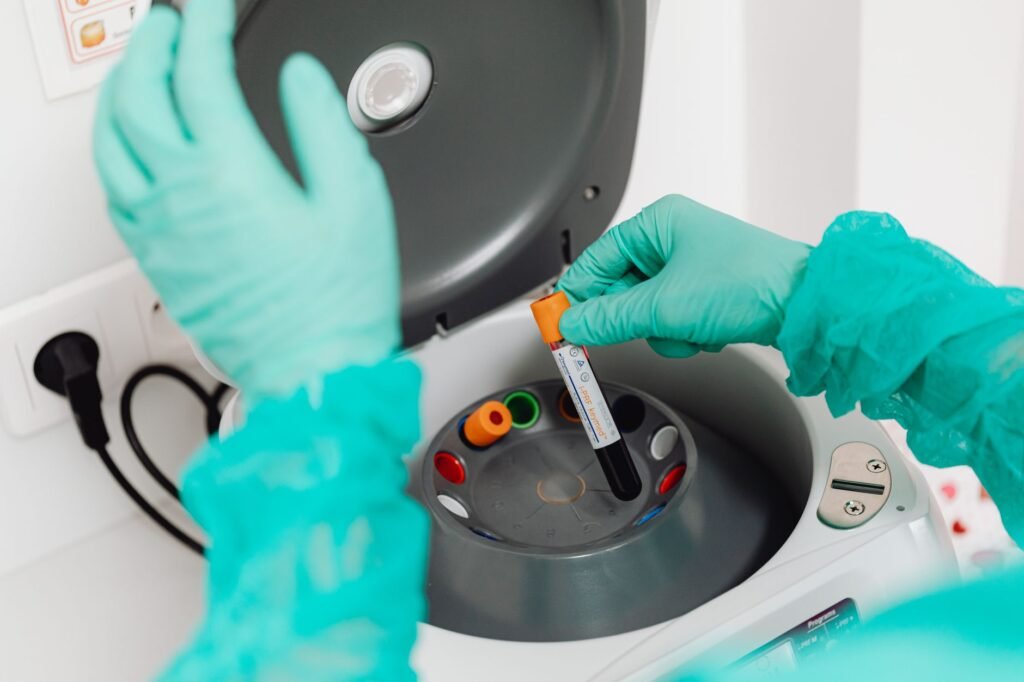
Many individuals experience anxiety and stress when facing a blood test. This anxiety can stem from the fear of needles, uncertainty about results, or the fasting requirement itself. It’s important to acknowledge these feelings and find ways to manage them. Techniques such as deep breathing exercises, meditation, or even light physical activity can help reduce anxiety levels leading up to the test.
Additionally, preparing mentally by understanding the process of the blood test can alleviate fears. Knowing what to expect during the test, including the procedure and potential outcomes, can help create a sense of control and reduce anxiety.
Support Systems
Having a support system in place can also make a difference in managing pre-test anxiety. Consider discussing your concerns with family or friends who can provide reassurance. Additionally, if you feel comfortable, you can ask a loved one to accompany you to the blood draw. Their presence can help calm nerves and provide moral support during the testing process.
Post-Test Mental Health Considerations
After the blood test, it is common to feel a sense of relief, but waiting for results can also lead to stress. Engaging in positive distractions, such as hobbies or social activities, can help keep your mind off the results while you wait. If you find that anxiety persists, consider speaking with a mental health professional who can assist in developing coping strategies.
Remember, prioritizing your mental well-being is just as important as your physical health. Taking care of your mind can enhance your overall experience with healthcare, including the process of fasting and undergoing blood tests.
For more information, see NIH.
Frequently Asked Questions
1. Can I drink coffee while fasting for a blood test?
No, it is generally advised to avoid coffee and other caffeinated beverages while fasting, as they can impact blood test results.
2. What if I forget to fast before my blood test?
If you forget to fast, inform your healthcare provider. They may reschedule the test or proceed with it while noting that fasting was not observed.
3. How can I manage hunger while fasting?
Staying busy and drinking plenty of water can help manage hunger during the fasting period. Focus on the purpose of the test to stay motivated.
4. Are there any exceptions to fasting requirements?
Some tests, such as a complete blood count (CBC), do not require fasting. Always check with your healthcare provider regarding specific test instructions.
The Bottom Line
Fasting before a blood test is essential for obtaining accurate and reliable results. By understanding the requirements, preparing effectively, and avoiding certain substances, you can ensure that your test reflects your true health status. Always follow your healthcare provider’s guidelines and consult them with any questions or concerns about fasting before your blood test.
Was this page helpful?
Thanks for your feedback! What could we improve?
Thank you! Your feedback helps us improve our articles.
Medically reviewed by
Dr. Oluwabusola Stella OkeMedical graduate of Girne American University with a focus on patient-centred care, clinical assessment and preventive health.
True Impact Health articles are written by our editorial team and based on reliable sources such as public health agencies, clinical guidelines and peer-reviewed research. This article has been checked by a doctor on our review panel. Read our editorial process.
This content is for general information and is not a substitute for professional medical advice, diagnosis or treatment.