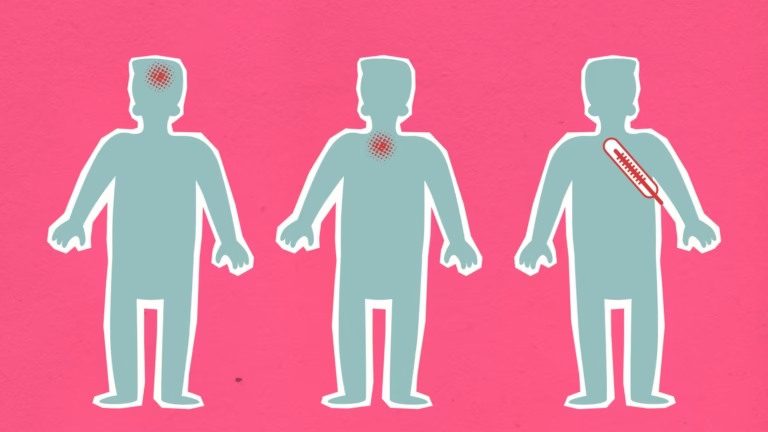
What Causes Tingling in Hands and Feet: Understanding the Symptoms
Discover what causes tingling in hands and feet, common conditions, symptoms, and practical advice for managing this sensation effectively.
By True Impact Health Editorial Team

Medical graduate of Girne American University with a focus on patient-centred care, clinical assessment and preventive health.
Reviewed this article on November 11, 2026.
View profile How we reviewUpdated on November 10, 2026 12 min read

Table of Contents
Key Takeaways
- Tingling can result from nerve damage or compression.
- Common causes include diabetes, vitamin deficiencies, and circulation issues.
- Lifestyle changes can help manage and reduce symptoms.
- Consult a healthcare provider for persistent or severe symptoms.
Tingling in the hands and feet is a common sensation that many people experience at some point in their lives. This feeling, often described as pins and needles, can be temporary or chronic and may indicate an underlying health issue. Understanding what causes tingling in the hands and feet is crucial for managing the symptoms effectively and seeking appropriate treatment.
The sensation can range from mild discomfort to severe pain, depending on the underlying cause. Some individuals may experience tingling after sitting in one position for too long, while others may face chronic tingling due to medical conditions requiring attention. This article explores the various causes of tingling in the hands and feet, along with practical advice for managing these sensations.
By breaking down the potential causes and symptoms, we aim to empower readers with trusted knowledge to understand their health better. If you or someone you know experiences persistent tingling, it is essential to consult a healthcare professional for proper diagnosis and treatment options.
Common Causes of Tingling in Hands and Feet
Tingling sensations can arise from a wide range of causes, many of which involve nerve function or circulation. Below are some of the most common causes:
- Diabetes: High blood sugar levels can lead to diabetic neuropathy, a condition that damages nerves, particularly in the extremities. People with diabetes often experience tingling or numbness in their hands and feet.
- Vitamin Deficiencies: A lack of essential vitamins, particularly B12, can lead to nerve damage and tingling sensations. Vegetarians and the elderly are at higher risk for this deficiency.
- Peripheral Neuropathy: This condition involves damage to the peripheral nerves, which can result from various factors, including injuries, infections, and exposure to toxins.
- Circulatory Issues: Conditions that affect blood flow, such as peripheral artery disease (PAD), can lead to tingling sensations due to reduced oxygen delivery to the nerves.
- Multiple Sclerosis (MS): MS is a chronic disease affecting the central nervous system, and it can cause a variety of symptoms, including tingling or numbness in the limbs.
- Carpal Tunnel Syndrome: This condition occurs when the median nerve is compressed as it travels through the wrist, leading to tingling in the hands.

Understanding the Mechanism Behind Tingling
The sensation of tingling is often linked to nerve signaling. When nerves are compressed or damaged, they can send abnormal signals to the brain, resulting in the characteristic sensation of tingling. Here’s a closer look at some mechanisms that may lead to this sensation:
Nerve Compression
Nerve compression occurs when pressure is applied to a nerve, whether due to repetitive movements, injury, or anatomical abnormalities. For instance, sitting awkwardly can compress nerves in the legs, leading to temporary tingling. Common examples include:
- Sitting Cross-Legged: This position can compress nerves in the legs, leading to tingling sensations.
- Repetitive Wrist Movements: Activities like typing or using a mouse can compress the median nerve in the wrist, causing carpal tunnel syndrome.
- Herniated Discs: Discs in the spine can bulge and press on nerves, leading to tingling in the arms or legs.
Nerve Damage
Chronic conditions, such as diabetes or autoimmune diseases, can lead to nerve damage over time. This damage interrupts normal nerve signaling and can result in persistent tingling. For example:
- Diabetic Neuropathy: This condition affects many people with diabetes, causing numbness and tingling in the feet and hands.
- Alcoholic Neuropathy: Excessive alcohol consumption can damage nerves, leading to similar symptoms.
- Infections: Certain infections, such as Lyme disease or shingles, can also damage nerves and cause tingling.
Circulatory Issues
Poor circulation can lead to tingling due to insufficient blood flow to the extremities. Conditions like PAD can restrict blood flow, resulting in tingling and pain during physical activity. Other contributing factors include:
- Blood Clots: Clots can obstruct blood vessels, leading to reduced circulation and tingling.
- Raynaud’s Disease: This condition causes blood vessels to constrict excessively in response to cold or stress, leading to tingling in the fingers and toes.
- Heart Conditions: Certain heart problems can affect blood flow, indirectly causing tingling sensations.

Identifying Symptoms and Associated Conditions
Recognizing the symptoms accompanying tingling in the hands and feet can help in identifying the underlying cause. While tingling itself is a key symptom, other associated signs may provide more context:
Common Symptoms
- Numbness: A lack of feeling in the affected area often accompanies tingling.
- Weakness: Some individuals may experience weakness or a loss of coordination in the hands or feet.
- Pain: Sharp or shooting pain may occur alongside tingling sensations, particularly in nerve-related conditions.
- Burning Sensation: Tingling may be accompanied by a burning feeling, often seen in conditions like diabetic neuropathy.
When to Seek Medical Attention
While occasional tingling is usually harmless, certain symptoms warrant immediate medical attention:
- Sudden Onset: Tingling that appears suddenly and is accompanied by weakness or difficulty speaking may indicate a stroke.
- Persistent Symptoms: Tingling that lasts for an extended period or worsens over time should be evaluated by a healthcare professional.
- Severe Pain: Intense pain associated with tingling may indicate a serious underlying condition.
Real-Life Example
Consider the case of Sarah, a 45-year-old office worker who began experiencing tingling in her fingers after long hours of typing. Initially, she dismissed it as a result of poor posture. However, as the tingling persisted and was accompanied by numbness, she sought medical advice. Upon evaluation, Sarah was diagnosed with carpal tunnel syndrome. With appropriate treatment and lifestyle adjustments, including ergonomic changes to her workspace, Sarah was able to manage her symptoms effectively.
Lifestyle Changes to Manage Tingling
Making certain lifestyle changes can help manage or reduce the sensation of tingling in the hands and feet. Here are several practical steps:
Ergonomic Adjustments
Improving your posture and workspace ergonomics can reduce the risk of nerve compression:
- Use an Ergonomic Keyboard: This can help minimize strain on your wrists while typing.
- Adjust Your Chair: Ensure your chair supports proper posture and that your feet are flat on the floor.
- Take Regular Breaks: Stand up and stretch your arms and legs every hour to relieve pressure on nerves.
Diet and Nutrition
Eating a well-balanced diet rich in essential vitamins and minerals can help prevent deficiencies that lead to tingling sensations:
- Include B Vitamins: Foods like fish, poultry, eggs, and dairy can help maintain nerve health.
- Stay Hydrated: Proper hydration supports overall health and circulation.
- Avoid Excessive Alcohol: Limiting alcohol can help prevent nerve damage associated with alcoholic neuropathy.
Physical Activity
Regular physical activity can promote better circulation and overall nerve health:
- Engage in Cardiovascular Exercise: Activities like walking, swimming, or cycling improve blood flow and reduce the risk of conditions like PAD.
- Incorporate Stretching and Strength Training: This can help maintain flexibility and strength in the hands and feet.
- Practice Stress Management: Techniques like yoga and meditation can help reduce stress, which may contribute to tingling sensations.
 massage therapy session indoors" width="800" height="533" srcset="https://trueimpacthealth.com/wp-content/uploads/2026/11/hands-of-a-masseur-applying-oil-during-a-5888070-1024x682.jpg 1024w, https://trueimpacthealth.com/wp-content/uploads/2026/11/hands-of-a-masseur-applying-oil-during-a-5888070-300x200.jpg 300w, https://trueimpacthealth.com/wp-content/uploads/2026/11/hands-of-a-masseur-applying-oil-during-a-5888070-768x512.jpg 768w" sizes="(max-width: 800px) 100vw, 800px" />
Alternative Therapies for Managing Tingling Sensations
Acupuncture and Acupressure
Acupuncture is a traditional Chinese medicine technique that involves inserting thin needles into specific points on the body to promote healing and alleviate pain. Some individuals experiencing tingling in their hands and feet have reported relief after undergoing acupuncture treatments. The theory behind acupuncture suggests that it helps to restore the flow of energy or “qi” throughout the body, which can help alleviate symptoms.
Similarly, acupressure applies pressure to these points without needles, making it a more accessible option for those who are uncomfortable with acupuncture. This method involves using fingers or other tools to stimulate specific areas associated with nerve pathways.
- Potential benefits of acupuncture include:
- Improved circulation
- Reduction of inflammation
- Enhanced nerve function
Chiropractic Care
Chiropractic care focuses on the diagnosis and treatment of musculoskeletal disorders, particularly those related to the spine. Misalignments in spinal vertebrae can lead to nerve compression, which may cause tingling sensations in the extremities. Regular chiropractic adjustments can help to realign the spine, potentially alleviating pressure on nerves and improving overall nerve function.
Many patients have found relief from tingling in their hands and feet through targeted chiropractic techniques. A thorough assessment by a chiropractor can identify areas of concern and tailor treatment plans to address specific symptoms.
- Benefits of chiropractic care may include:
- Improved posture
- Enhanced mobility
- Reduction in nerve irritation
Massage Therapy
Massage therapy is another alternative treatment that can help manage tingling sensations. By increasing blood flow and relaxing muscle tension, massage can alleviate pressure on nerves that may be causing tingling. Techniques such as deep tissue massage, Swedish massage, and trigger point therapy can target specific areas of discomfort.
Regular sessions with a licensed massage therapist can help maintain muscle elasticity and reduce the frequency of tingling sensations. It’s essential to communicate with the therapist about the specific areas of concern to ensure they can tailor the massage to your needs.
- Potential benefits of massage therapy include:
- Reduced muscle tension
- Improved circulation
- Enhanced relaxation

Dietary Considerations for Nerve Health
Nutrients Essential for Nerve Function
Diet plays a crucial role in maintaining nerve health and preventing conditions that may lead to tingling sensations. Certain vitamins and minerals are particularly important for nerve function, including B vitamins, vitamin E, and magnesium. A diet rich in these nutrients can help support nerve repair and regeneration.
Vitamin B12, in particular, is vital for nerve health. A deficiency in this vitamin can lead to neuropathy, which is often characterized by numbness and tingling in the hands and feet. Incorporating foods such as meat, fish, dairy, and fortified cereals can help ensure adequate intake of B12.
- Key nutrients for nerve health include:
- B Vitamins (especially B1, B6, B12)
- Vitamin E
- Magnesium
Foods to Include and Avoid
In addition to focusing on specific nutrients, it’s essential to consider the overall quality of your diet. A balanced diet that includes plenty of fruits, vegetables, whole grains, and lean proteins can provide the necessary nutrients for nerve health. Omega-3 fatty acids, found in fatty fish, flaxseeds, and walnuts, are beneficial for reducing inflammation and promoting nerve health.
Conversely, certain foods can exacerbate nerve issues. Sugar, processed foods, and excessive alcohol intake can lead to inflammation and worsen symptoms. It is wise to limit these foods and focus on a whole-foods-based diet to support nerve function.
- Foods to include in your diet:
- Dark leafy greens
- Fatty fish (like salmon and sardines)
- Nuts and seeds
- Whole grains
Hydration and Nerve Health
Staying hydrated is vital for overall health, including nerve function. Dehydration can lead to a variety of health issues, including reduced circulation and increased nerve sensitivity. Adequate water intake helps maintain blood volume and circulation, ensuring that nerves receive the oxygen and nutrients they need to function correctly.
It’s essential to drink enough water daily, particularly if you are physically active or live in a hot climate. Monitoring your fluid intake and being mindful of signs of dehydration can help maintain optimal nerve health.
- Tips for staying hydrated include:
- Carry a water bottle throughout the day
- Include hydrating foods, such as cucumbers and watermelon
- Set reminders to drink water regularly
Psychological Factors and Their Impact on Tingling
Stress and Anxiety
Psychological factors such as stress and anxiety can manifest physically in various ways, including tingling sensations in the hands and feet. When the body experiences stress, it enters a fight-or-flight mode, which can lead to increased muscle tension and circulation changes. This physical response can result in a tingling sensation, often felt in the extremities.
Moreover, heightened anxiety levels can lead to hyperventilation, which can reduce carbon dioxide levels in the blood and contribute to sensations of tingling or numbness. Addressing mental health through relaxation techniques and therapy can help mitigate these symptoms.
- Effective stress management techniques include:
- Meditation
- Deep breathing exercises
- Mindfulness practices
Depression and Neuropathy
Depression can also have physical effects on nerve health. Chronic stress and negative emotional states can contribute to inflammation and exacerbate existing nerve issues. For some, depression may lead to lifestyle changes that negatively affect diet, exercise, and overall health, further worsening tingling sensations.
It’s essential to seek appropriate treatment for depression, which may include therapy, medication, or lifestyle changes. Addressing mental health can lead to improved overall well-being and potentially alleviate physical symptoms such as tingling.
- Signs that may indicate depression includes:
- Persistent sadness or low mood
- Loss of interest in activities
- Changes in appetite or sleep patterns
Seeking Professional Help
If tingling sensations are persistent or accompanied by other concerning symptoms, it’s crucial to consult a healthcare professional. They can help determine the underlying cause of the tingling and recommend appropriate treatment options. Early intervention is key to managing potential issues and preventing further complications.
Beyond general practitioners, specialists such as neurologists, orthopedic doctors, or mental health professionals may be necessary to address complex cases of tingling. A multi-disciplinary approach can provide comprehensive care and lead to more effective management of symptoms.
- Consider seeking help if you experience:
- Persistent or worsening tingling
- Weakness or loss of function in your hands or feet
- Other neurological symptoms such as dizziness or difficulty speaking
For more information, see MedlinePlus.
Frequently Asked Questions
What is the most common cause of tingling in hands and feet?
One of the most common causes of tingling in the hands and feet is peripheral neuropathy, often associated with diabetes. This condition damages nerves, leading to sensations of tingling, numbness, and pain.
Can stress cause tingling in hands and feet?
Yes, stress can lead to physical symptoms, including tingling in the hands and feet. Stress can cause muscle tension and changes in blood flow, leading to these sensations.
Is tingling in hands and feet serious?
While occasional tingling is usually not serious, persistent or severe tingling could indicate a medical issue that requires evaluation. It is essential to consult a healthcare professional if symptoms are concerning.
How can I prevent tingling sensations?
Preventing tingling sensations can involve ergonomic adjustments, maintaining a healthy diet, staying hydrated, and engaging in regular physical activity to improve circulation and nerve health.
The Bottom Line
Tingling in the hands and feet can arise from various causes, including nerve damage, circulatory issues, and vitamin deficiencies. Understanding these factors is essential for effective management. While occasional tingling may not be a cause for concern, persistent or severe symptoms warrant a consultation with a healthcare professional for proper diagnosis and treatment. By making lifestyle adjustments and staying informed, individuals can take proactive steps to address and manage this common health issue.
Was this page helpful?
Thanks for your feedback! What could we improve?
Thank you! Your feedback helps us improve our articles.
Medically reviewed by
Dr. Oluwabusola Stella OkeMedical graduate of Girne American University with a focus on patient-centred care, clinical assessment and preventive health.
True Impact Health articles are written by our editorial team and based on reliable sources such as public health agencies, clinical guidelines and peer-reviewed research. This article has been checked by a doctor on our review panel. Read our editorial process.
This content is for general information and is not a substitute for professional medical advice, diagnosis or treatment.