



















Understanding Ulcerative Colitis Symptoms: A Detailed Overview
Explore the various ulcerative colitis symptoms, their impact, and practical management strategies for better health.
By True Impact Health Editorial Team

Medical graduate of Girne American University with a focus on patient-centred care, clinical assessment and preventive health.
Reviewed this article on November 11, 2026.
View profile How we reviewUpdated on November 7, 2026 12 min read

Table of Contents
Key Takeaways
- Ulcerative colitis causes inflammation in the colon.
- Common symptoms include abdominal pain, diarrhea, and fatigue.
- Symptoms can vary in severity and frequency among individuals.
- Early diagnosis and management can improve quality of life.
Ulcerative colitis (UC) is a chronic inflammatory bowel disease (IBD) that primarily affects the colon, leading to a range of symptoms that can significantly impact daily life. Understanding ulcerative colitis symptoms is crucial for early diagnosis and management. Those experiencing these symptoms should consult healthcare professionals for appropriate treatment.
The following sections will delve into the common symptoms associated with ulcerative colitis, their potential complications, and practical tips for managing them effectively. This information aims to empower individuals with trusted knowledge, enabling better health decisions.
As symptoms may vary from person to person, it is essential to recognize the signs early and seek medical advice. A real-life scenario illustrates this: Sarah, a 28-year-old teacher, began experiencing frequent abdominal pain and persistent diarrhea. Initially dismissing these symptoms, she eventually sought medical attention, leading to her diagnosis of ulcerative colitis. This experience emphasizes the importance of awareness and proactive health management.
Common Symptoms of Ulcerative Colitis
Ulcerative colitis presents a variety of symptoms, which can fluctuate in intensity. Below are some of the most prevalent symptoms:
- Abdominal Pain and Cramping: Many individuals with UC experience abdominal discomfort, which can range from mild to severe. This discomfort often occurs in conjunction with bowel movements.
- Diarrhea: Frequent, loose stools are a hallmark of ulcerative colitis. Diarrhea may be accompanied by blood or mucus, indicating inflammation in the colon.
- Fatigue: Chronic inflammation and the body’s efforts to fight it can lead to persistent fatigue. This can impact daily activities and overall quality of life.
- Weight Loss: Unintentional weight loss may occur due to a reduced appetite, malabsorption of nutrients, or diarrhea.
- Urgency to Defecate: Individuals may feel an overwhelming need to have a bowel movement, often resulting in accidents.
- Fever: Some patients may experience low-grade fever, especially during flare-ups of ulcerative colitis.
- Rectal Bleeding: Blood in the stool can be alarming and is often one of the more distressing symptoms of ulcerative colitis.
Symptom Severity and Flare-Ups
The severity of ulcerative colitis symptoms can vary widely among individuals. Some may experience mild symptoms that are manageable, while others may face severe flare-ups that require hospitalization. Flare-ups can occur unpredictably and are often triggered by factors such as stress, diet changes, or infections.
During a flare-up, symptoms may become more pronounced. Individuals might find themselves rushing to the bathroom multiple times a day, experiencing debilitating pain, or encountering significant fatigue. In contrast, periods of remission may allow for a reprieve from these challenging symptoms, but this does not indicate a cure.
Monitoring symptom patterns can provide valuable insights for healthcare providers. Keeping a symptom diary that logs frequency, severity, and potential triggers can assist in managing ulcerative colitis. Here’s a simple template for tracking symptoms:
| Date | Symptoms Experienced | Severity (1-10) | Possible Triggers |
|---|---|---|---|
| MM/DD/YYYY | Abdominal pain, diarrhea | 7 | Stress, spicy food |
| MM/DD/YYYY | Fatigue, urgency | 5 | Change in routine |
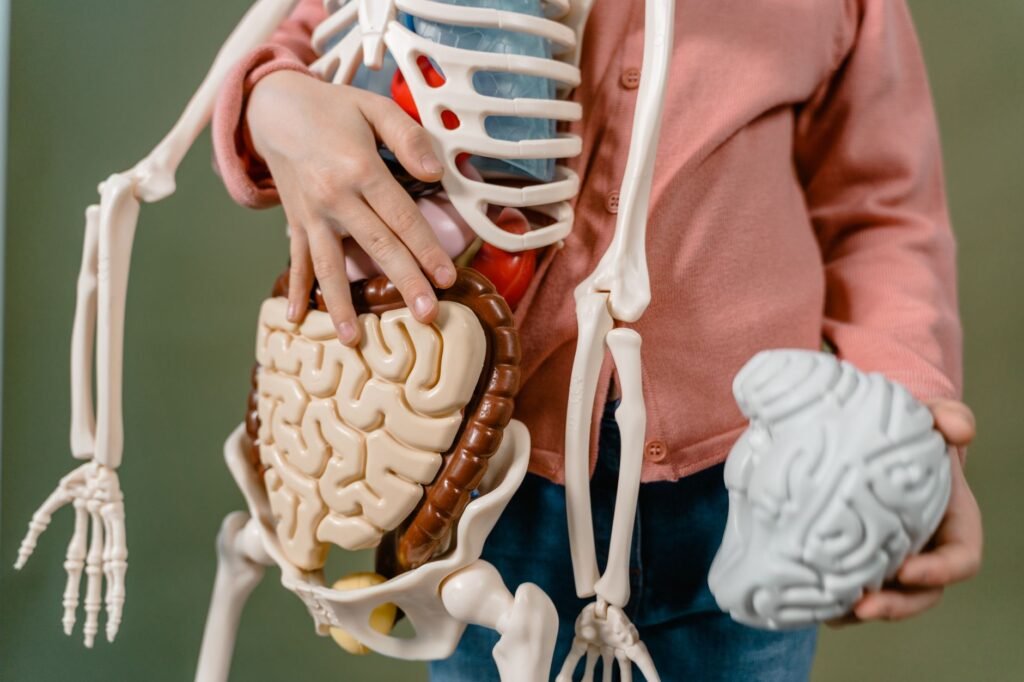
Possible Complications of Ulcerative Colitis Symptoms
While ulcerative colitis primarily affects the colon, it can lead to complications that may extend beyond gastrointestinal symptoms. Understanding these potential complications is crucial for proactive health management.
Some complications include:
- Colon Cancer: Individuals with long-standing ulcerative colitis have an increased risk of developing colorectal cancer. Regular screenings are essential for early detection.
- Severe Dehydration: Chronic diarrhea can lead to dehydration, which may require medical attention, especially if accompanied by other symptoms like fever.
- Perforated Colon: In severe cases, inflammation can lead to a perforation in the colon, necessitating immediate medical intervention.
- Extraintestinal Manifestations: Symptoms may also appear outside the gastrointestinal tract, including joint pain, skin rashes, and eye inflammation.
Understanding these complications highlights the importance of regular follow-ups with healthcare providers. Individuals experiencing severe or unusual symptoms should seek immediate medical attention.
Managing Ulcerative Colitis Symptoms
While there is currently no cure for ulcerative colitis, various management strategies can help alleviate symptoms and improve quality of life. These strategies often include medication, dietary adjustments, and lifestyle changes.
Medications: Treatment for ulcerative colitis typically involves anti-inflammatory drugs, immunosuppressants, and biologics. These medications aim to reduce inflammation and manage symptoms. It’s essential to work closely with a healthcare provider to find the most effective regimen.
Dietary Adjustments: Some individuals find that certain foods trigger their symptoms. Keeping a food diary can help identify these triggers. Commonly recommended dietary changes include:
- Avoiding high-fiber foods during flare-ups.
- Limiting dairy and fatty foods.
- Incorporating low-residue foods to reduce bowel movement frequency.
- Staying hydrated, especially during episodes of diarrhea.
Lifestyle Changes: Stress management is crucial in controlling ulcerative colitis symptoms. Techniques such as yoga, meditation, or regular exercise can help reduce stress and improve overall well-being. Additionally, establishing a routine can create a sense of stability, which may help in managing symptoms.

Living with Ulcerative Colitis
Living with ulcerative colitis can be challenging, but many individuals lead fulfilling lives with the right support and management strategies. Building a support network is vital for emotional and practical assistance. Support groups or online communities can provide valuable resources and understanding.
Additionally, educating oneself about the condition is empowering. The more individuals know about ulcerative colitis and its symptoms, the better equipped they are to manage their health. Engaging in open dialogues with healthcare providers can lead to personalized care plans that address specific needs.
Real-life examples of individuals managing ulcerative colitis effectively highlight the importance of resilience and adaptability. For instance, Mark, a 35-year-old graphic designer, has learned to navigate his career while managing his symptoms. By maintaining open communication with his employer about his condition and working flexible hours during flare-ups, he has found a balance that allows him to thrive professionally.
Psychological Impact of Ulcerative Colitis Symptoms
Understanding the Mental Health Connection
Ulcerative colitis (UC) is not just a physical ailment; it carries significant psychological implications. Patients often experience anxiety and depression as they navigate the unpredictable nature of their symptoms. The fear of flare-ups can lead to avoidance behaviors, impacting social interactions and overall quality of life. Research indicates that chronic inflammation in the body can affect mental health, creating a challenging cycle for patients.
Recognizing the mental health aspects of UC is crucial for holistic management. It is important to address not just the physical symptoms but also the emotional distress. Therapy, support groups, and mindfulness techniques can be beneficial in managing these psychological challenges.
Common Psychological Symptoms
The psychological symptoms associated with ulcerative colitis can vary widely among individuals. Here are some common issues that patients may face:
- Anxiety: Worrying about when the next flare-up will occur.
- Depression: Feelings of sadness or hopelessness related to the chronic nature of the disease.
- Stress: Increased stress levels due to the demands of managing UC.
- Social Isolation: Avoidance of social situations due to embarrassment or discomfort.
It is essential for patients to seek support from mental health professionals who understand the complexities of living with a chronic illness.
Strategies for Improving Mental Well-being
Here are several effective strategies to enhance mental health for those living with ulcerative colitis:
- Therapy: Cognitive-behavioral therapy (CBT) can help patients address negative thought patterns.
- Support Groups: Joining a UC support group can foster a sense of community and understanding.
- Mindfulness and Relaxation Techniques: Practices such as yoga, meditation, and deep-breathing exercises can reduce stress.
- Physical Activity: Regular exercise has been shown to improve mood and reduce anxiety.
Implementing these strategies can significantly improve a patient’s overall mental health and enhance their ability to cope with the challenges of UC.

Dietary Considerations for Managing Symptoms
The Role of Nutrition in Ulcerative Colitis
Nutrition plays a pivotal role in managing ulcerative colitis symptoms. While there is no one-size-fits-all diet for UC patients, certain foods can exacerbate symptoms, while others may provide relief. Understanding the relationship between diet and UC symptoms is essential for effective management.
Many patients benefit from keeping a food diary to track their dietary intake and correlate it with symptom flare-ups. This personalized approach allows individuals to identify specific triggers and make informed dietary choices.
Foods to Consider Eliminating
While every patient is different, some foods are commonly reported to worsen symptoms. Consider eliminating the following from your diet:
- Dairy Products: Many people with UC are lactose intolerant, which can exacerbate symptoms.
- High-Fiber Foods: During flare-ups, high-fiber foods such as whole grains and beans may be difficult to digest.
- Spicy Foods: Spices can irritate the gastrointestinal tract and provoke symptoms.
- Caffeinated Beverages: Caffeine can stimulate bowel activity, potentially worsening diarrhea.
Consultation with a registered dietitian can help tailor dietary choices to individual needs while ensuring nutritional adequacy.
Beneficial Foods for Ulcerative Colitis
On the flip side, certain foods may help soothe the digestive tract and provide essential nutrients. Here are some beneficial options:
- Low-Fiber Fruits: Bananas, applesauce, and canned peaches are gentle on the digestive system.
- Cooked Vegetables: Steamed carrots, zucchini, and spinach can provide nutrients without causing irritation.
- Lean Proteins: Chicken, turkey, and fish are easier to digest and provide necessary protein.
- Healthy Fats: Olive oil and avocados can be anti-inflammatory and provide essential fatty acids.
Incorporating these foods into the diet can help manage symptoms and improve overall health for those with ulcerative colitis.
Alternative Therapies for Ulcerative Colitis Symptoms
Exploring Complementary Approaches
Many patients with ulcerative colitis seek alternative therapies alongside conventional treatments to alleviate symptoms and improve quality of life. While these therapies should not replace medical treatment, they can complement traditional approaches and provide additional support.
Alternative therapies vary widely and may include practices such as acupuncture, herbal medicine, and probiotics. It’s vital to discuss these options with a healthcare professional to ensure safety and avoid interactions with prescribed medications.
Acupuncture and Its Benefits
Acupuncture is an ancient Chinese practice that involves inserting thin needles into specific points on the body. Studies suggest that acupuncture may help reduce inflammation and alleviate some gastrointestinal symptoms associated with UC. Patients often report experiencing reduced pain and improved quality of life after sessions.
While acupuncture might not work for everyone, it is generally considered safe and can be an effective adjunctive therapy. Patients should seek qualified practitioners who specialize in treating gastrointestinal disorders.
Herbal Remedies and Probiotics
Herbal remedies have been used for centuries in various cultures to treat digestive issues. Some herbs, such as turmeric and slippery elm, have anti-inflammatory properties that may benefit UC patients. Additionally, probiotics may help restore the balance of gut bacteria, potentially alleviating symptoms and promoting remission.
However, the efficacy and safety of herbal remedies can vary. Patients should consult their healthcare providers before starting any new supplements, as some herbs can interact with medications or worsen symptoms.
In summary, alternative therapies like acupuncture, herbal remedies, and probiotics offer potential benefits for managing ulcerative colitis symptoms. Each patient’s experience is unique, and a tailored approach is essential for effective management.

Understanding the Role of Triggers in Ulcerative Colitis Symptoms
Identifying Common Triggers
Many individuals with ulcerative colitis experience flare-ups influenced by certain triggers. These triggers can vary significantly between patients, making it essential to maintain a symptom diary. This diary can help identify specific foods, stressors, or environmental factors that may exacerbate symptoms. Common triggers include:
- High-fiber foods
- Spicy foods
- Alcohol and caffeine
- Processed foods
- Stressful life events
By recognizing these triggers, individuals can take proactive steps to minimize their exposure, potentially reducing the frequency and severity of flare-ups.
Environmental Factors
In addition to dietary triggers, environmental factors can significantly impact ulcerative colitis symptoms. Changes in climate, seasonal allergies, and exposure to pollutants may play a role in symptom exacerbation. For example, some patients report worsened symptoms during pollen season or after traveling to areas with high air pollution. Keeping track of environmental changes alongside symptom patterns can provide insights into managing flare-ups.
The Impact of Medication on Symptoms
Types of Medications
Medications prescribed for ulcerative colitis can significantly influence symptom management. Common classes of drugs include:
- 5-aminosalicylic acid (5-ASA) compounds
- Corticosteroids
- Immunomodulators
- Biologics
Understanding how each medication works and its potential side effects is crucial for effective symptom management. Patients should communicate openly with their healthcare providers about their experiences with these medications to ensure optimal treatment plans.
Side Effects and Their Management
While medications are essential for controlling ulcerative colitis symptoms, they can also lead to various side effects. Common side effects include nausea, fatigue, and increased risk of infections. Patients should be educated about these potential side effects and strategies to alleviate them, such as dietary adjustments or the use of supplements. Regular follow-ups with healthcare providers are essential to monitor any adverse effects and adjust treatment as necessary.

Integrating Support Systems for Better Symptom Management
The Importance of Support Networks
Living with ulcerative colitis can be challenging, and having a strong support network is vital for emotional and practical support. Family, friends, and support groups can provide understanding and encouragement. Patients should consider joining local or online support groups where they can share experiences and coping strategies with others facing similar challenges.
Professional Guidance
In addition to personal support, seeking professional guidance from a dietitian, psychologist, or counselor can be beneficial. These professionals can help create tailored dietary plans, manage stress, and address the emotional aspects of living with a chronic illness. Regular consultations can help patients feel more empowered and informed about their condition.
For more information, see CDC.
Frequently Asked Questions
What are the first signs of ulcerative colitis?
The initial signs of ulcerative colitis often include persistent diarrhea, abdominal pain, and rectal bleeding. Individuals may also experience fatigue and weight loss.
How is ulcerative colitis diagnosed?
Diagnosis typically involves a combination of medical history, physical examinations, laboratory tests, and imaging studies. A colonoscopy may also be performed to visualize the colon and take biopsies.
Can diet affect ulcerative colitis symptoms?
Yes, certain dietary choices can trigger or worsen symptoms. Keeping a food diary can help identify specific foods that may exacerbate symptoms.
Is ulcerative colitis curable?
Currently, there is no cure for ulcerative colitis. However, effective management strategies can help control symptoms and improve quality of life.
The Bottom Line
Understanding ulcerative colitis symptoms is essential for effective management and early intervention. By recognizing signs, seeking appropriate medical care, and implementing lifestyle changes, individuals can lead fulfilling lives despite their condition. Knowledge is power in navigating the complexities of ulcerative colitis.
Was this page helpful?
Thanks for your feedback! What could we improve?
Thank you! Your feedback helps us improve our articles.
Medically reviewed by
Dr. Oluwabusola Stella OkeMedical graduate of Girne American University with a focus on patient-centred care, clinical assessment and preventive health.
True Impact Health articles are written by our editorial team and based on reliable sources such as public health agencies, clinical guidelines and peer-reviewed research. This article has been checked by a doctor on our review panel. Read our editorial process.
This content is for general information and is not a substitute for professional medical advice, diagnosis or treatment.