

















Understanding Telogen Effluvium: Causes and Solutions
Learn about telogen effluvium, its causes, symptoms, and effective solutions for hair loss in this comprehensive guide.
By True Impact Health Editorial Team

Medical graduate of Girne American University with a focus on patient-centred care, clinical assessment and preventive health.
Reviewed this article on November 11, 2026.
View profile How we reviewUpdated on November 10, 2026 11 min read
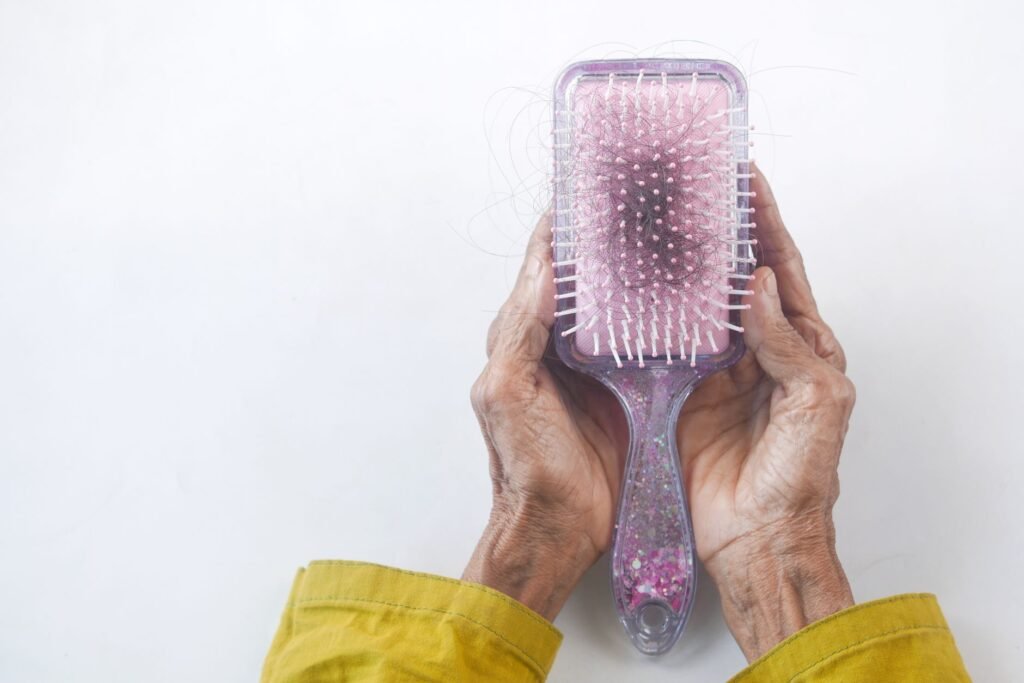
Table of Contents
Key Takeaways
- Telogen effluvium is a common form of hair loss.
- It often occurs after stress, illness, or hormonal changes.
- The condition is usually temporary and reversible.
- Identifying the cause is crucial for effective treatment.
Telogen effluvium is a prevalent condition that leads to temporary hair loss, often causing significant concern for those affected. This condition can be triggered by a variety of factors, ranging from physical stressors to emotional upheavals. Understanding telogen effluvium is essential for anyone experiencing hair thinning or loss, as it can be a sign of an underlying issue.
This article aims to provide a comprehensive overview of telogen effluvium, including its causes, symptoms, and the various treatment options available. By gaining a clearer understanding of this condition, individuals can take proactive steps to address their hair loss and promote healthier hair growth.
Hair growth is a cyclical process involving three main phases: anagen (growth), catagen (transition), and telogen (rest). Telogen effluvium occurs when a significant number of hair follicles prematurely enter the telogen phase, leading to increased shedding and noticeable hair loss.
What Is Telogen Effluvium?
Telogen effluvium is characterized by diffuse hair shedding and is one of the most common forms of hair loss. Unlike androgenetic alopecia, which is hereditary and progressive, telogen effluvium is often triggered by external factors and is usually reversible. The condition can be categorized into two types: acute and chronic.
Acute telogen effluvium typically manifests within three to six months after a triggering event, such as stress, illness, or surgery. On the other hand, chronic telogen effluvium lasts for six months or longer, often indicating ongoing stress or underlying health issues. Both types share similar symptoms, primarily noticeable thinning of hair across the scalp.
During a typical hair growth cycle, about 5-15% of hair follicles are in the telogen phase at any given time. However, in telogen effluvium, this percentage can increase dramatically, resulting in excessive hair shedding.
Causes of Telogen Effluvium
Numerous factors can contribute to the onset of telogen effluvium. Understanding these causes is crucial for effective management and treatment. Below are some common triggers:
- Physical Stress: Events such as surgery, severe illness, or significant weight loss can shock the body, prompting a larger proportion of hair follicles to enter the telogen phase.
- Emotional Stress: High levels of emotional stress, such as the loss of a loved one or extreme anxiety, can also lead to hair shedding.
- Hormonal Changes: Hormonal fluctuations due to pregnancy, childbirth, menopause, or thyroid disorders can influence hair growth cycles.
- Medications: Certain medications, including those for blood pressure, gout, and chemotherapy, can have hair loss as a side effect.
- Nutritional Deficiencies: A lack of essential nutrients, such as iron or protein, can hinder hair growth and contribute to hair loss.
- Infections: Some infections can disrupt the normal hair growth cycle, leading to telogen effluvium.
It’s important to note that telogen effluvium can be multifactorial, meaning more than one trigger may be at play. Identifying the specific cause can help tailor effective treatment strategies.

Symptoms of Telogen Effluvium
The primary symptom of telogen effluvium is noticeable hair shedding. Individuals may observe hair falling out in clumps when brushing or washing their hair. Here are some common signs:
- Increased Hair Shedding: A significant increase in hair loss, often noticeable during grooming or in the shower.
- Thin Hair: Overall thinning of hair across the scalp, with a wider parting or exposed scalp in some areas.
- Frustration and Anxiety: The sudden change in hair density can lead to feelings of distress or anxiety about appearance.
Individuals experiencing these symptoms should consult a healthcare professional for a thorough evaluation and diagnosis, as hair loss can sometimes indicate more serious health issues.
Diagnosing Telogen Effluvium
Diagnosing telogen effluvium typically involves a combination of medical history, physical examination, and sometimes laboratory tests. The following steps are commonly taken during the diagnostic process:
- Medical History Review: The healthcare provider will inquire about recent events that may have triggered hair loss, such as stressors, illnesses, or medication use.
- Physical Examination: A scalp examination can help assess the extent of hair thinning and identify any other scalp conditions.
- Blood Tests: In some cases, blood tests may be recommended to check for nutritional deficiencies, thyroid function, or hormonal imbalances.
- Pull Test: A pull test may be conducted, where a small number of hairs are gently pulled to evaluate hair shedding.
Accurate diagnosis is essential for developing an effective treatment plan. If left unaddressed, telogen effluvium can lead to prolonged hair loss.

Treatment Options for Telogen Effluvium
Treatment for telogen effluvium focuses on addressing the underlying causes and promoting hair regrowth. Here are some common approaches:
- Stress Management: Techniques such as mindfulness, yoga, or counseling can help manage emotional stressors. Reducing stress levels can significantly impact hair regrowth.
- Nutritional Support: Ensuring adequate intake of essential nutrients, particularly iron, vitamin D, and protein, can aid in hair health. A balanced diet or supplements may be beneficial.
- Medications: In some cases, topical treatments like minoxidil may be recommended to stimulate hair growth. However, this should be discussed with a healthcare provider.
- Hair Care Practices: Gentle hair care practices, such as avoiding tight hairstyles and minimizing heat styling, can help reduce additional stress on the hair.
- Patience: Since telogen effluvium is often temporary, allowing time for the hair to naturally return to its growth cycle can be effective.
Real-life example: Consider Jane, a 32-year-old woman who experienced significant hair loss following a stressful divorce. After consulting a dermatologist, she learned that her hair loss was due to telogen effluvium. By adopting stress management techniques, improving her diet, and using gentle hair care practices, Jane noticed her hair began to regrow within a few months.
Preventing Telogen Effluvium
While it may not be possible to prevent telogen effluvium entirely, certain lifestyle choices can minimize the risk of triggering this condition:
- Manage Stress: Incorporating stress-reducing activities into daily life, such as exercise, hobbies, or relaxation techniques, can help lessen the impact of stress on the body.
- Maintain a Balanced Diet: Eating a varied diet rich in vitamins and minerals supports overall health and may promote stronger hair.
- Avoid Harsh Hair Treatments: Limiting the use of chemical treatments, heat styling, and tight hairstyles can help protect hair from unnecessary damage.
- Consult Healthcare Professionals: Regular check-ups can help identify and address any underlying health issues that may contribute to hair loss.
Taking proactive steps can help individuals maintain healthy hair and reduce the likelihood of experiencing telogen effluvium.

Understanding the Psychological Impact of Telogen Effluvium
Emotional Toll of Hair Loss
Experiencing hair loss, even if temporary, can significantly affect an individual’s emotional well-being. The psychological repercussions often include feelings of embarrassment, anxiety, and low self-esteem. Many individuals report that their identity is closely tied to their hair, and losing it can lead to a crisis of self-image.
Research has shown that hair loss can trigger a range of emotional responses, from sadness to anger. This emotional distress can sometimes exacerbate the condition, creating a cycle of stress and hair loss. It’s crucial to address these feelings in conjunction with the physical aspects of telogen effluvium.
- Feelings of inadequacy
- Social withdrawal
- Increased anxiety and depression
- Changes in sleep patterns
Coping Mechanisms and Support
Finding effective coping mechanisms is essential for those affected by telogen effluvium. Support groups can provide a safe space to share experiences and find solace among others facing similar challenges. Online forums, local meetups, and even therapy groups can facilitate shared understanding and support.
Practicing mindfulness and stress-reduction techniques can also be beneficial. Techniques such as meditation, yoga, and deep-breathing exercises help to alleviate stress, which can, in turn, improve overall hair health. Engaging in creative activities, such as painting or writing, may also serve as an emotional outlet.
- Join a support group
- Practice mindfulness and relaxation techniques
- Engage in creative hobbies
- Seek professional counseling if necessary
Nutrition and Hair Health: The Role of Diet in Telogen Effluvium
Essential Nutrients for Hair Growth
A balanced diet plays a crucial role in maintaining hair health and may help mitigate the effects of telogen effluvium. Key nutrients that are particularly beneficial for hair health include protein, iron, vitamins A, C, D, E, and various B vitamins, especially biotin. These nutrients work synergistically to promote healthy hair follicles and a robust hair growth cycle.
Protein is essential, as hair is primarily made of a protein called keratin. Foods rich in protein, such as lean meats, fish, eggs, and legumes, should be included in the diet. Iron facilitates oxygen transport in the blood, which is vital for hair growth, so incorporating iron-rich foods like spinach, lentils, and red meat is beneficial.
- Protein sources: chicken, fish, tofu
- Iron-rich foods: spinach, beans, nuts
- Vitamins: fruits (for vitamin C) and leafy greens (for vitamin A)
- Healthy fats: avocados, olive oil, nuts
Hydration and Hair Health
Hydration is often overlooked but is essential for overall health, including hair health. Dehydration can lead to dry, brittle hair, making it more susceptible to breakage and loss. Drinking adequate amounts of water daily can help maintain the moisture balance in the body, supporting hair follicles and scalp health.
In addition to water, consuming hydrating foods such as cucumbers, oranges, and watermelon can contribute to overall hydration. A well-hydrated body can better absorb nutrients, improving hair growth and reducing the severity of telogen effluvium.
- Drink at least 8 glasses of water daily
- Include hydrating foods in your diet
- Avoid excessive caffeine and alcohol, which can dehydrate
- Monitor your hydration levels, especially during exercise
Exploring Alternative Therapies for Telogen Effluvium
Herbal Remedies and Supplements
Many individuals explore alternative therapies to support their hair health and manage telogen effluvium. Herbal remedies such as saw palmetto, ginseng, and rosemary oil are often touted for their potential benefits in promoting hair growth and reducing hair loss. While research on their efficacy is limited, some users report positive effects.
Before starting any herbal supplement, it is advisable to consult with a healthcare provider, as interactions with medications may occur. Additionally, ensure that the source of the herbal products is reputable to avoid contamination or ineffective formulations.
- Herbal options: saw palmetto, ginseng, rosemary oil
- Vitamins: biotin, folic acid
- Minerals: zinc, selenium
Acupuncture and Massage Therapy
Alternative therapies like acupuncture and massage may provide benefits for those dealing with telogen effluvium. Acupuncture can help stimulate blood circulation to the scalp, which may enhance nutrient delivery to hair follicles. Some studies suggest that acupuncture might help alleviate stress, which is significant considering the emotional impact of hair loss.
Similarly, scalp massages can improve blood flow and promote relaxation. Incorporating essential oils during scalp massages can further enhance the experience. Regularly scheduled sessions can be a soothing way to manage stress and promote a healthier scalp environment.
- Consider acupuncture for stress relief and blood circulation
- Practice regular scalp massages with essential oils
- Explore massage therapy for overall relaxation
- Consult with practitioners who specialize in hair-related issues
Understanding the Different Types of Hair Loss
Types of Hair Loss Beyond Telogen Effluvium
While telogen effluvium is a common form of hair loss, it is essential to understand that there are several other types, each with distinct causes and characteristics. For instance, androgenetic alopecia, commonly known as male or female pattern baldness, is hereditary and results from hormonal changes. Alopecia areata is an autoimmune condition that causes sudden hair loss in patches.
- Androgenetic Alopecia
- Alopecia Areata
- Traction Alopecia
Recognizing these other types of hair loss is crucial for effective treatment and management. Each type may require a specific approach, emphasizing the importance of a thorough diagnosis.
Impact of Hormonal Changes on Hair Health
Hormonal fluctuations can significantly affect hair health and are a key factor in various forms of hair loss. Conditions such as pregnancy, menopause, and thyroid disorders can lead to changes in hair growth cycles, potentially triggering telogen effluvium. Understanding these hormonal influences can assist individuals in managing their hair health more effectively.
- Pregnancy
- Menopause
- Thyroid Disorders
Consulting with healthcare providers to monitor hormonal levels can be beneficial for those experiencing hair loss linked to hormonal changes.

Psychological Strategies for Coping with Hair Loss
Building a Support Network
Coping with hair loss can be emotionally challenging. Building a support network of friends, family, or support groups can provide encouragement and understanding. Sharing experiences with others who face similar challenges can foster a sense of community and belonging.
- Join online forums
- Attend local support groups
- Seek professional counseling
These supportive environments can help individuals express their feelings and develop coping strategies.
Mindfulness and Stress Reduction Techniques
Incorporating mindfulness practices such as meditation, yoga, or deep-breathing exercises can help manage the stress associated with hair loss. These techniques can promote mental well-being, allowing individuals to cope more effectively with their condition. Regular practice can aid in reducing anxiety and improving overall quality of life.
- Daily meditation sessions
- Yoga classes
- Journaling thoughts and feelings
By integrating these practices into daily routines, individuals can foster resilience and improve their emotional health.
For more information, see NIH.
Frequently Asked Questions
Can telogen effluvium be permanent?
Telogen effluvium is generally a temporary condition. Most individuals experience regrowth within six months to a year after the triggering factor is addressed. However, chronic cases may require ongoing management.
How long does telogen effluvium last?
The duration of telogen effluvium varies, with acute cases resolving in a few months, while chronic cases can persist for six months or longer. Individual recovery times may differ based on the underlying causes.
Is there a specific diet to follow for hair regrowth?
A balanced diet rich in vitamins and minerals, particularly iron, biotin, and protein, can support hair health. Foods like leafy greens, eggs, nuts, and lean meats are beneficial.
When should I see a doctor about hair loss?
If you notice significant or sudden hair loss, especially if it persists for several weeks, it’s advisable to consult a healthcare professional for evaluation and diagnosis.
The Bottom Line
Telogen effluvium is a common and often reversible form of hair loss that can be triggered by various stressors or health issues. Understanding the causes and symptoms is vital for effective management. With proper care, many individuals can successfully navigate this condition and promote healthy hair regrowth.
Consider keeping a journal of events or stressors to help identify potential triggers for telogen effluvium.[/m4p_tip>
Was this page helpful?
Thanks for your feedback! What could we improve?
Thank you! Your feedback helps us improve our articles.
Medically reviewed by
Dr. Oluwabusola Stella OkeMedical graduate of Girne American University with a focus on patient-centred care, clinical assessment and preventive health.
True Impact Health articles are written by our editorial team and based on reliable sources such as public health agencies, clinical guidelines and peer-reviewed research. This article has been checked by a doctor on our review panel. Read our editorial process.
This content is for general information and is not a substitute for professional medical advice, diagnosis or treatment.