
















Understanding Childhood Illnesses: Essential Insights for Parents
Explore childhood illnesses: common types, symptoms, and prevention tips to keep your child healthy and thriving.
By True Impact Health Editorial Team

Medical doctor and clinical researcher focused on preventive medicine, chronic disease and clear, evidence-based health communication.
Reviewed this article on November 11, 2026.
View profile How we reviewUpdated on November 9, 2026 11 min read

Table of Contents
Key Takeaways
- Childhood illnesses range from mild to severe.
- Early detection is crucial for better outcomes.
- Prevention strategies can safeguard children's health.
- Consult healthcare professionals for persistent symptoms.
Childhood illnesses encompass a variety of health issues that can affect children from infancy through adolescence. Understanding these illnesses is essential for parents and caregivers to ensure their child’s well-being. With many different types of illnesses, ranging from common colds to more serious conditions, knowledge is power in recognizing symptoms and seeking appropriate care.
In this guide, we will explore common childhood illnesses, their symptoms, prevention strategies, and when to seek medical attention. This information is designed to empower parents with the knowledge needed to support their children’s health effectively.
As children grow and develop, they may encounter various health challenges. Being informed about these potential illnesses allows parents to respond promptly and effectively, ensuring their children remain healthy and happy.
Common Types of Childhood Illnesses
Childhood illnesses can be categorized into infectious diseases, chronic conditions, and developmental disorders. Understanding these categories helps in recognizing symptoms and knowing when to seek medical help.
Infectious Diseases
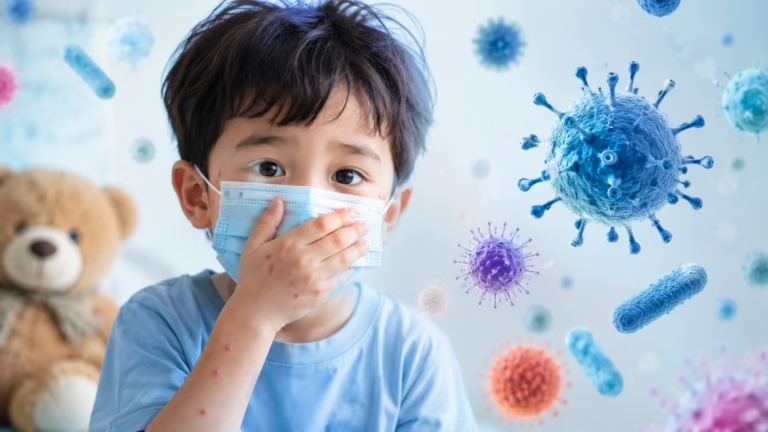
Infectious diseases are caused by pathogens such as bacteria, viruses, fungi, or parasites. Common infectious diseases in children include:
- Common Cold: Caused by various viruses, this is the most frequent illness in children. Symptoms include a runny nose, cough, and mild fever.
- Influenza: Often confused with a cold, influenza is more severe, with symptoms like high fever, body aches, and fatigue. Vaccination is recommended.
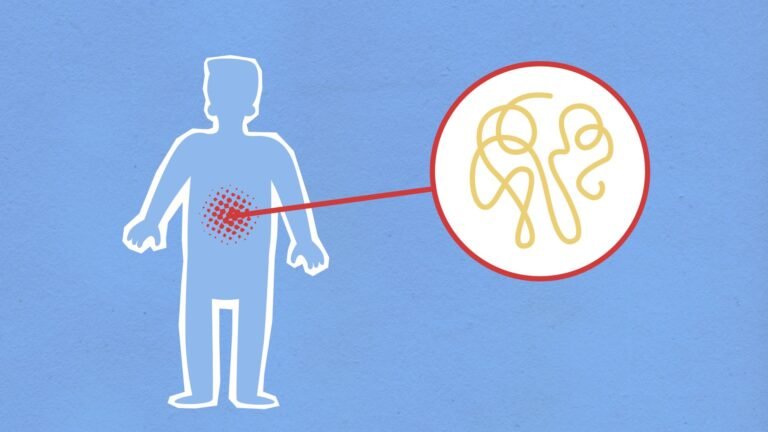
- Stomach Flu (Gastroenteritis): An inflammation of the stomach and intestines, causing vomiting and diarrhea. It’s highly contagious.
- Chickenpox: A viral infection marked by an itchy rash and flu-like symptoms. Vaccination can prevent this illness.
- Hand, Foot, and Mouth Disease: Common in young children, this viral illness causes sores in the mouth and a rash on the hands and feet.
Chronic Conditions
Chronic conditions require ongoing management and may significantly affect a child’s daily life. Some common chronic conditions include:
- Asthma: A respiratory condition that causes wheezing, shortness of breath, and coughing. It can be triggered by allergens or respiratory infections.
- Allergies: Allergic reactions can occur in response to food, pollen, or pet dander, leading to symptoms such as hives, swelling, or difficulty breathing.
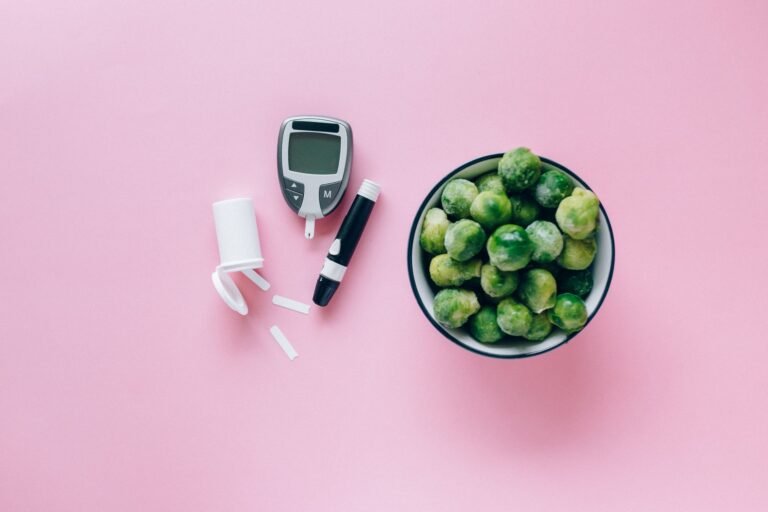
- Diabetes: Type 1 diabetes is an autoimmune condition that affects insulin production. It requires careful monitoring of blood sugar levels.
- Attention Deficit Hyperactivity Disorder (ADHD): A behavioral condition characterized by inattention, hyperactivity, and impulsivity, affecting a child’s ability to function in school and social settings.
- Epilepsy: A neurological disorder that leads to recurrent seizures, requiring long-term management and care.
Developmental Disorders
Developmental disorders can impact a child’s physical, learning, language, or behavior development. Examples include:
- Autism Spectrum Disorder (ASD): A range of conditions affecting social skills, communication, and behavior.
- Learning Disabilities: Conditions like dyslexia can affect a child’s ability to read, write, or perform mathematical tasks.
- Speech and Language Disorders: These can hinder a child’s ability to communicate effectively, impacting social interactions.

Recognizing Symptoms of Childhood Illnesses
Identifying symptoms early can lead to prompt treatment and better outcomes for children. Symptoms can vary widely depending on the illness, but some general signs parents should be aware of include:
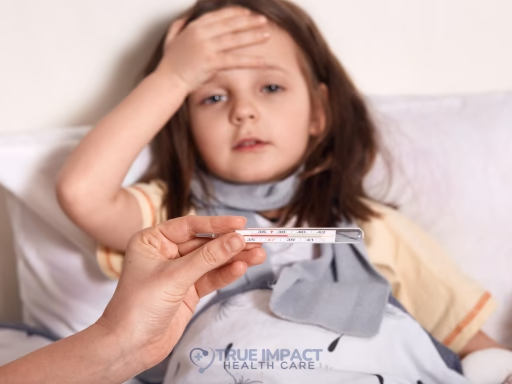
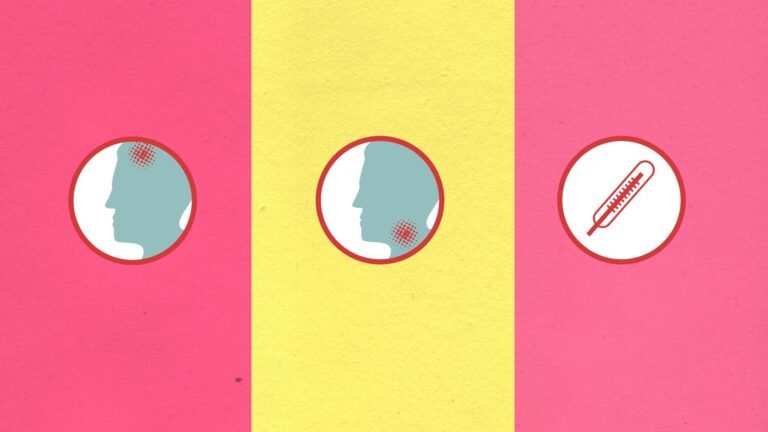
- Fever: A high temperature can indicate an underlying infection or illness. Knowing acceptable temperature ranges and when to contact a doctor is crucial.
- Coughing or Difficulty Breathing: Persistent coughing or wheezing may signal respiratory issues that require medical evaluation.
- Rashes: Skin rashes can stem from allergic reactions, infections, or other conditions that need assessment.
- Changes in Appetite or Energy Levels: A sudden decrease in appetite or energy can be a sign of illness.
- Behavioral Changes: Increased irritability, withdrawal from activities, or changes in sleep patterns can indicate that a child is not feeling well.
Preventing Childhood Illnesses
Prevention plays a vital role in keeping children healthy. While not all illnesses can be prevented, several strategies can reduce the risk:
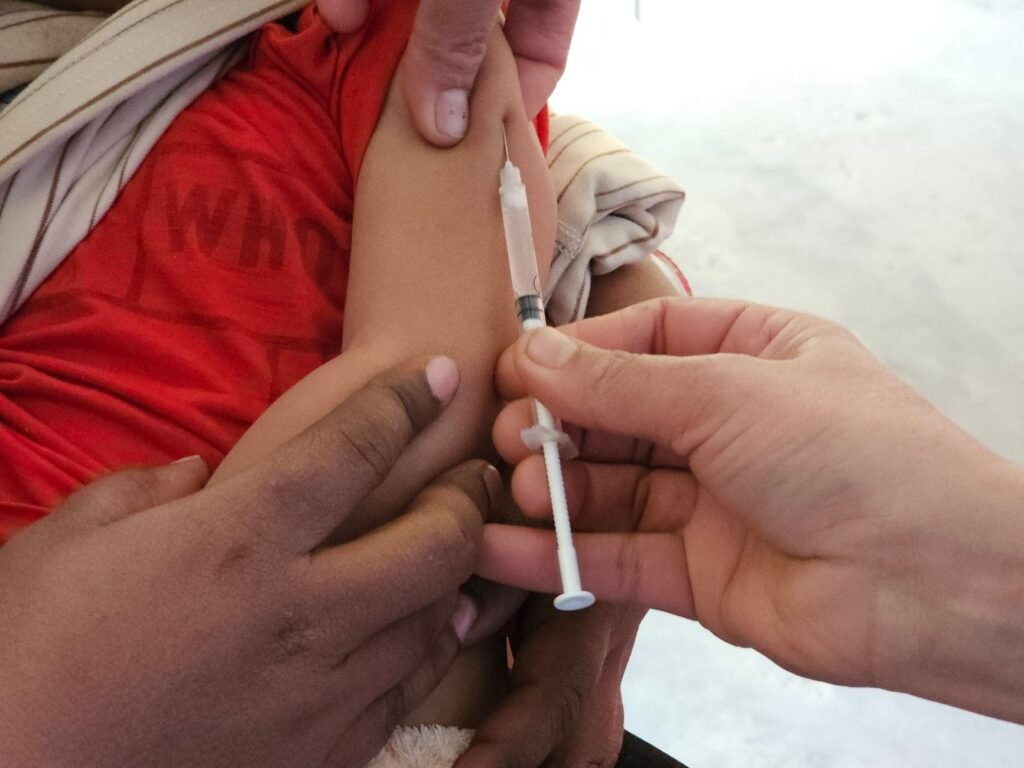
- Vaccination: Keeping up-to-date with vaccinations is one of the most effective ways to prevent many infectious diseases.
- Hand Hygiene: Teaching children the importance of handwashing before meals and after using the restroom can significantly decrease the spread of germs.
- Healthy Eating: A balanced diet rich in fruits, vegetables, whole grains, and proteins supports a strong immune system.
- Regular Check-ups: Routine medical check-ups can help monitor a child’s growth and development while catching potential issues early.
- Safe Environment: Ensuring a safe home and school environment, free from hazards and toxins, is essential for a child’s health.

When to Seek Medical Attention
Knowing when to seek medical attention can be a challenge for parents. Here are guidelines to help determine when to contact a healthcare professional:
- Persistent Symptoms: If symptoms persist for more than a few days without improvement, it’s time to consult a doctor.
- Severe Symptoms: Symptoms such as high fever, difficulty breathing, or severe pain warrant immediate medical assessment.
- Behavioral Changes: If a child exhibits unusual behavior, such as extreme lethargy or withdrawal, this may indicate a serious issue.
- Injuries: Any significant injury, especially head injuries, should be evaluated promptly.
- Concerns About Development: If parents notice delays in milestones or significant changes in behavior, a professional evaluation may be necessary.

Real-Life Example of Managing a Childhood Illness
Consider the case of a fictional family, the Millers. Their five-year-old son, Jake, suddenly developed a high fever and a rash on his torso. Initially, they thought it was just a common cold. However, when Jake’s symptoms worsened, including a persistent cough and irritability, they decided to take him to the pediatrician.
At the clinic, the doctor diagnosed Jake with chickenpox. The Millers were relieved to find out that chickenpox is typically mild in healthy children. They were advised on how to manage the symptoms at home, including providing plenty of fluids, using oatmeal baths for itching, and ensuring Jake rested. They were also informed about the importance of keeping him away from other children until he was no longer contagious.
This experience taught the Millers the importance of monitoring symptoms closely and not hesitating to seek medical advice when necessary. It was a valuable lesson in the management of childhood illnesses.

Understanding the Role of Nutrition in Childhood Health
Nutrition is a cornerstone of childhood health. A well-balanced diet can significantly influence a child’s immune system, physical development, and overall well-being. Parents should be aware of how different nutrients contribute to a child’s health and how dietary choices can help prevent illnesses.
The Importance of Micronutrients
Micronutrients, including vitamins and minerals, play crucial roles in supporting a child’s immune function and development. Deficiencies in these nutrients can lead to various health issues, increasing the susceptibility to infections.
- Vitamin A: Essential for maintaining healthy vision and immune function.
- Vitamin C: An antioxidant that supports the immune system and aids in wound healing.
- Zinc: Vital for immune response and cell growth.
Ensuring that children receive adequate amounts of these micronutrients can be achieved through a varied diet rich in fruits, vegetables, whole grains, and lean proteins. Parents should consider incorporating foods like carrots, citrus fruits, nuts, and seeds into their child’s meals.
Balancing Macronutrients for Optimal Growth
Macronutrients, namely carbohydrates, proteins, and fats, are essential for providing energy and supporting growth. Each macronutrient plays a specific role:
- Carbohydrates: The primary energy source for children, necessary for their daily activities and brain function.
- Proteins: Crucial for growth, muscle development, and the repair of tissues.
- Fats: Important for brain development and the absorption of fat-soluble vitamins.
Parents should focus on providing balanced meals that include a variety of macronutrients. For instance, a well-rounded breakfast might include whole-grain toast, scrambled eggs, and avocado, offering a good mix of carbohydrates, protein, and healthy fats.
Hydration and Its Impact on Health
Staying hydrated is another critical aspect of childhood health that is often overlooked. Water is essential for maintaining bodily functions, regulating temperature, and preventing dehydration, which can lead to serious health complications.
- Children should be encouraged to drink water regularly throughout the day, especially during physical activities.
- Limit sugary drinks as they can contribute to obesity and dental problems.
- Parents can make hydration fun by introducing fruit-infused water or using colorful cups to encourage kids to drink more.
Teaching children about the importance of hydration from an early age can instill healthy habits that last a lifetime.
Emotional and Psychological Factors in Childhood Illnesses
Childhood illnesses are not solely physical; emotional and psychological factors can also contribute to a child’s overall health. Understanding these aspects can help parents support their children more effectively during illness.
Impact of Stress on Health
Children experience stress just like adults, though their sources may differ. Academic pressures, social dynamics, and family changes can all lead to significant stress. High levels of stress can weaken the immune system, making children more susceptible to illnesses.
- Encourage open communication: Create an environment where children feel safe discussing their feelings and concerns.
- Teach coping strategies: Introduce relaxation techniques such as deep breathing, mindfulness, or yoga.
- Promote a balanced lifestyle: Ensure children have time for play, rest, and social interaction to mitigate stress.
Recognizing the signs of stress in children, such as changes in behavior or mood, can help parents intervene early and provide necessary support.
The Role of Mental Health in Physical Well-Being
Mental health is intrinsically linked to physical health. Conditions such as anxiety and depression can manifest in physical symptoms, including fatigue, headaches, or stomachaches. Parents need to be vigilant and recognize when their child’s mental health may be affecting their physical well-being.
- Watch for behavioral changes: A sudden withdrawal from activities or changes in appetite can indicate underlying mental health issues.
- Seek professional help: Don’t hesitate to consult a pediatrician or mental health professional if you notice concerning signs.
- Foster resilience: Encourage problem-solving skills and a positive mindset to help children cope with challenges.
By supporting mental health, parents can help reduce the risk of physical illnesses and promote overall well-being.
Building a Supportive Environment
A supportive home environment can significantly impact a child’s health and recovery from illness. Emotional support, love, and understanding are vital for helping children cope with health challenges.
- Encourage family bonding: Spend quality time together to strengthen relationships and provide emotional security.
- Maintain routines: Consistent daily routines can provide a sense of stability and predictability, which is comforting during times of illness.
- Be an active listener: Validate your child’s feelings and let them know it’s okay to express their emotions.
Creating a nurturing and understanding environment can foster resilience and help children navigate the ups and downs of health challenges.
Understanding the Long-term Effects of Childhood Illnesses
Many childhood illnesses can have long-term effects on a child’s health and development. Understanding these potential long-term implications can help parents make informed decisions and provide appropriate care.
Chronic Illnesses and Their Impact
Chronic illnesses, such as asthma, diabetes, and allergies, require ongoing management and can affect a child’s daily life and development. These conditions can lead to missed school days, affect social interactions, and require lifestyle adjustments.
- Regular check-ups: Ensure consistent monitoring and management of chronic conditions with healthcare providers.
- Educate your child: Teach them about their condition and empower them to manage it effectively.
- Support networks: Connect with support groups for children and families dealing with similar conditions.
Addressing chronic illnesses holistically can help minimize their impact on a child’s life.
Impact of Early Illness on Development
Some illnesses during critical growth periods can lead to developmental delays or complications. For example, respiratory illnesses can affect lung development, while infections can impact cognitive development.
- Early intervention: Seek prompt medical attention for any concerning symptoms to reduce potential long-term effects.
- Monitor developmental milestones: Keep track of your child’s growth and development and discuss any concerns with your pediatrician.
- Provide enriching environments: Stimulate cognitive and physical development through play, educational activities, and social interactions.
Being proactive can help mitigate the long-term effects of illnesses on a child’s development.
The Importance of Follow-Up Care
After a child recovers from an illness, follow-up care is essential to ensure they are returning to their baseline health and to monitor any lingering effects. Ongoing assessments can help catch potential complications early.
- Schedule follow-up appointments: Ensure regular visits to the healthcare provider to assess recovery and address any new concerns.
- Encourage a healthy lifestyle: Promote good nutrition, physical activity, and mental well-being to support overall health.
- Stay informed: Educate yourself about your child’s health condition to understand potential long-term effects and management strategies.
By prioritizing follow-up care, parents can help their children thrive after illness and support their long-term health journeys.
For more information, see MedlinePlus.
Frequently Asked Questions
What are the most common childhood illnesses?
The most common childhood illnesses include the common cold, influenza, gastroenteritis, chickenpox, and hand, foot, and mouth disease.
How can I prevent my child from getting sick?
Preventing illness can be achieved through vaccinations, good hygiene practices, a healthy diet, regular medical check-ups, and creating a safe environment.
When should I take my child to the doctor?
Seek medical attention if your child has persistent symptoms, severe symptoms, unusual behavioral changes, or any significant injuries.
Are childhood illnesses always serious?
Not all childhood illnesses are serious. Many are mild and self-limiting. However, some can lead to complications, so it’s essential to monitor symptoms and consult a healthcare professional as needed.
The Bottom Line
Understanding childhood illnesses is crucial for parents and caregivers. By recognizing common types of illnesses, knowing the symptoms, and implementing preventive strategies, parents can significantly contribute to their child’s health. Always remember to consult healthcare professionals for persistent symptoms or concerns, ensuring that your child receives the best possible care.
Was this page helpful?
Thanks for your feedback! What could we improve?
Thank you! Your feedback helps us improve our articles.
Medically reviewed by
Dr. Daniel HarringtonMedical doctor and clinical researcher focused on preventive medicine, chronic disease and clear, evidence-based health communication.
True Impact Health articles are written by our editorial team and based on reliable sources such as public health agencies, clinical guidelines and peer-reviewed research. This article has been checked by a doctor on our review panel. Read our editorial process.
This content is for general information and is not a substitute for professional medical advice, diagnosis or treatment.