Vegan Nutrition: Essential Tips for a Balanced Diet
Discover practical advice on vegan nutrition to ensure a balanced and healthy diet, rich in essential nutrients and delicious foods.
By True Impact Health Editorial Team

Physician with experience in patient care and preventive medicine, focused on early detection, disease prevention and long-term wellness.
Reviewed this article on November 11, 2026.
View profile How we reviewUpdated on November 8, 2026 11 min read
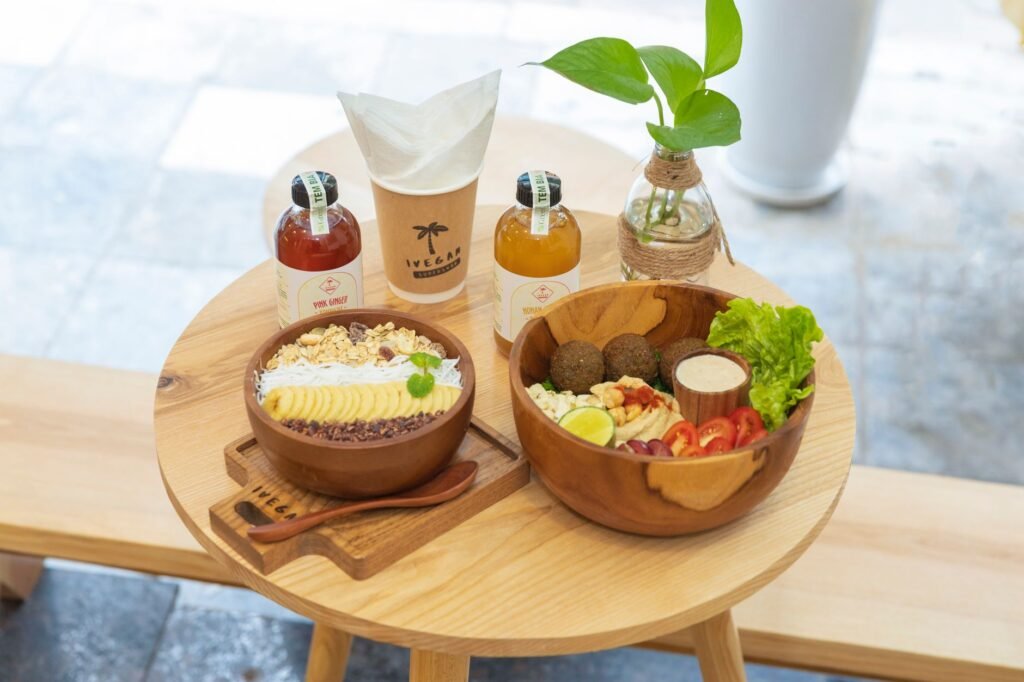
Table of Contents
Key Takeaways
- Vegan diets can meet all nutritional needs with careful planning.
- Key nutrients include protein, iron, calcium, and vitamin B12.
- Whole foods and diverse plant-based options enhance health.
- Consulting a nutritionist can help optimize your vegan diet.
Vegan nutrition is a vital topic for those considering or currently following a plant-based diet. With increasing awareness of environmental concerns and health benefits associated with veganism, many individuals are exploring how to nourish their bodies without animal products. This guide aims to provide comprehensive insights into vegan nutrition, ensuring that you can make informed choices while enjoying a variety of delicious plant-based foods.
Transitioning to a vegan diet often raises questions about nutritional adequacy. Are you getting enough protein? What about essential vitamins and minerals? Understanding the fundamentals of vegan nutrition will help alleviate these concerns and empower you to create balanced meals that support your health.
In this article, we will explore key nutrients, meal planning strategies, myths surrounding veganism, and practical tips for maintaining a healthy lifestyle without animal products. Whether you are a seasoned vegan or just starting, this guide will provide you with valuable information.
Understanding Vegan Nutrition
Vegan nutrition focuses on consuming only plant-based foods, which can provide all necessary nutrients when carefully planned. Essential components of vegan nutrition include carbohydrates, proteins, fats, vitamins, and minerals. Each group plays a unique role in maintaining health and wellness.
Carbohydrates are the body’s primary energy source, found in fruits, vegetables, grains, and legumes. Whole grains like quinoa and brown rice, along with fruits and vegetables, offer complex carbohydrates that provide sustained energy.
Proteins are crucial for muscle repair and growth. While meat, dairy, and eggs are common protein sources, vegans can obtain protein from beans, lentils, tofu, tempeh, nuts, and seeds. Understanding the importance of combining different protein sources can help ensure adequate intake.
Essential Nutrients in Vegan Diets
Several nutrients require special attention in a vegan diet:
- Protein: Aim for a variety of sources to meet daily requirements, such as legumes, soy products, and nuts.
- Iron: Plant-based iron sources include lentils, chickpeas, and fortified cereals. Pairing them with vitamin C-rich foods like oranges can enhance absorption.
- Calcium: Crucial for bone health, calcium can be found in fortified plant milks, tofu, and leafy greens.
- Vitamin B12: This vitamin is primarily found in animal products. Vegans should consider fortified foods or supplements to meet their needs.
- Omega-3 Fatty Acids: Essential for heart health, these can be obtained from flaxseeds, chia seeds, and walnuts.

Meal Planning for a Vegan Diet
Effective meal planning is vital for ensuring nutritional adequacy on a vegan diet. It helps to prioritize whole foods and diverse options. A balanced plate should include a variety of colors and types of foods to maximize nutrient intake.
Start by focusing on whole grains, vegetables, fruits, legumes, nuts, and seeds. Incorporating these components into each meal can help balance macronutrients and micronutrients.
Here’s a sample meal plan for a day on a vegan diet:
| Meal | Options |
|---|---|
| Breakfast | Oatmeal topped with fruits and nuts |
| Lunch | Quinoa salad with chickpeas, spinach, and avocado |
| Dinner | Stir-fried tofu with mixed vegetables and brown rice |
| Snacks | Hummus with carrot sticks and a handful of almonds |
Common Myths About Vegan Nutrition
There are numerous myths surrounding vegan diets that can deter individuals from making the switch. Addressing these misconceptions is essential for promoting a positive view of veganism.
One common myth is that vegans cannot get enough protein. In reality, a varied vegan diet can provide ample protein through legumes, nuts, seeds, and whole grains. Another misconception is that vegan diets lack essential nutrients. With careful planning, vegans can meet their nutritional needs and even thrive.
Additionally, some believe that veganism is overly restrictive or bland. However, the diversity of plant-based foods allows for creative cooking and delicious meals. Exploring world cuisines can introduce exciting flavors and ingredients that keep meals interesting.

Practical Tips for Vegan Nutrition Success
To ensure a balanced vegan diet, consider the following practical tips:
- Diversify Your Diet: Incorporate a wide range of foods to cover all nutrient bases. Experiment with different fruits, vegetables, grains, and legumes.
- Read Labels: When buying packaged foods, check for hidden animal products and ensure they are fortified with essential nutrients like B12.
- Meal Prep: Prepare meals ahead of time to avoid last-minute unhealthy choices. Make large batches of staples like soups, stews, and grains.
- Stay Informed: Keep learning about vegan nutrition through credible sources, blogs, or nutrition courses to stay updated on best practices.
- Consider Supplements: If needed, consult with a healthcare provider about taking supplements for nutrients like B12, vitamin D, or omega-3s.

Vegan Nutrition for Different Life Stages
Vegan nutrition should be tailored to different life stages, including childhood, pregnancy, and older adulthood. Each stage has unique nutritional needs that must be met through careful dietary choices.
For children, a vegan diet can support healthy growth and development when planned appropriately. Ensure their meals are rich in protein, iron, calcium, and essential vitamins. Foods like fortified cereals, nut butters, and a variety of fruits and vegetables are beneficial.
Pregnant women following a vegan diet must pay particular attention to nutrient intake, especially folic acid, iron, and calcium. Consulting a healthcare professional can help develop a suitable meal plan that supports both maternal and fetal health.
Older Adults and Vegan Nutrition
Older adults can also thrive on a vegan diet, but they must focus on nutrient-dense foods to prevent deficiencies. Including high-quality protein sources, fortified foods, and plenty of fruits and vegetables is essential. Additionally, staying hydrated and consuming enough fiber can aid digestion and overall health.
Vegan Protein Sources: Building Blocks for a Healthy Diet
Legumes: The Powerhouses of Protein
Legumes are an essential component of a vegan diet, providing not only protein but also fiber, vitamins, and minerals. Common legumes include lentils, chickpeas, black beans, and kidney beans. These versatile foods can be incorporated into soups, stews, salads, and even blended into dips. For instance, a simple chickpea salad can be made with diced vegetables, olive oil, and lemon juice for a refreshing meal.
- Lentils: Approximately 18 grams of protein per cooked cup
- Chickpeas: Roughly 15 grams of protein per cooked cup
- Black Beans: About 15 grams of protein per cooked cup
Incorporating a variety of legumes into your meals can help ensure you get a broad spectrum of amino acids, which are crucial for muscle repair and overall health. Consider preparing a large batch of beans or lentils at the beginning of the week to simplify meal preparation.
Seeds and Nuts: Nutrient-Dense Additions
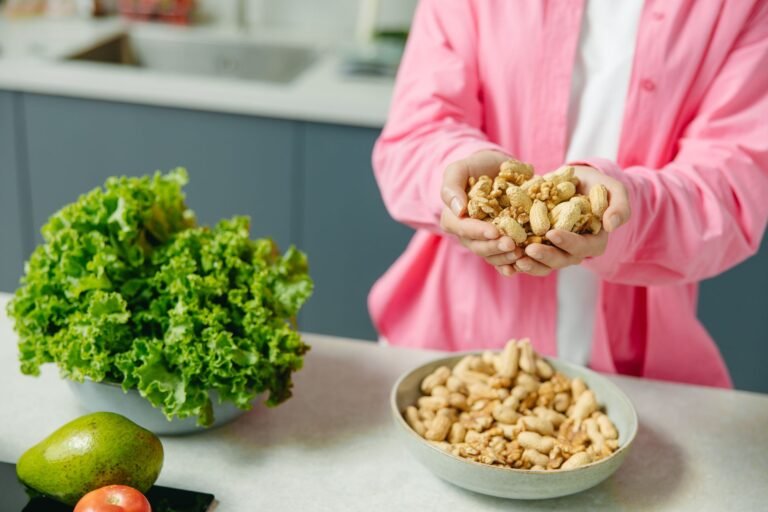
Seeds and nuts are excellent sources of protein, healthy fats, and essential nutrients. They can be easily added to smoothies, salads, and baked goods. Popular choices include chia seeds, flaxseeds, hemp seeds, almonds, and walnuts. For instance, adding a tablespoon of chia seeds to your morning oatmeal not only enhances the protein content but also provides omega-3 fatty acids.
- Hemp Seeds: Approximately 10 grams of protein per 3 tablespoons
- Almonds: About 6 grams of protein per ounce
- Chia Seeds: Roughly 5 grams of protein per 2 tablespoons
In addition to their protein content, nuts and seeds are rich in antioxidants and can help reduce inflammation. However, it’s important to consume them in moderation due to their high calorie density.
Grains: The Unsung Heroes of Vegan Nutrition
Whole grains are often overlooked but are a vital part of a balanced vegan diet. They provide carbohydrates for energy, fiber for digestive health, and a decent amount of protein. Quinoa, farro, brown rice, and barley are excellent choices. Quinoa is particularly noteworthy because it is a complete protein, meaning it contains all nine essential amino acids.
- Quinoa: Approximately 8 grams of protein per cooked cup
- Brown Rice: About 5 grams of protein per cooked cup
- Farro: Roughly 6 grams of protein per cooked cup
Try to make whole grains the base of your meals, pairing them with legumes or vegetables for a complete and satisfying dish. For example, a quinoa and black bean bowl topped with avocado and salsa makes for a nutritious and filling meal.
Vegan Supplements: Filling Nutritional Gaps
Vitamin B12: Understanding the Importance
Vitamin B12 is crucial for nerve function and the production of DNA and red blood cells. It is primarily found in animal products, making supplementation vital for vegans. A deficiency in B12 can lead to anemia and neurological issues. Therefore, it’s recommended for vegans to consume fortified foods or take a B12 supplement, especially if they have limited access to fortified options.
- Fortified plant milks
- Fortified nutritional yeast
- B12 supplements (consult with a healthcare provider for appropriate dosage)
Regularly checking your B12 levels through blood tests can help ensure you’re maintaining adequate levels, and adjusting your diet or supplementation as needed is essential for overall health.
Omega-3 Fatty Acids: Sources and Benefits
Omega-3 fatty acids are essential fats that have numerous health benefits, including supporting heart health and reducing inflammation. Vegans can obtain omega-3s from sources like flaxseeds, chia seeds, walnuts, and algae-based supplements. Flaxseed oil and chia pudding are simple ways to incorporate these beneficial fats into your diet.
- Flaxseeds: 2.4 grams of ALA per tablespoon
- Chia Seeds: 5 grams of ALA per ounce
- Walnuts: 2.5 grams of ALA per ounce
Incorporating these sources can aid in achieving optimal omega-3 levels, which are particularly important for brain health and mental well-being.
Iron: Absorption and Sources
Iron is another nutrient that requires attention in a vegan diet, as it is found in plant foods in a form called non-heme iron, which is less readily absorbed by the body compared to heme iron from animal sources. Good vegan sources of iron include lentils, beans, tofu, quinoa, and fortified cereals. Pairing iron-rich foods with vitamin C sources like citrus fruits or bell peppers can enhance absorption.
- Lentils: 6.6 mg of iron per cooked cup
- Tofu: Approximately 3.4 mg of iron per half-cup
- Quinoa: About 2.8 mg of iron per cooked cup
Regularly incorporating these foods into your meals will help maintain healthy iron levels and prevent deficiencies.

Mindful Eating: Cultivating a Healthy Relationship with Food
Listening to Your Body’s Hunger Cues
Mindful eating involves being present and fully engaged while eating, focusing on the experience of the food and your body’s hunger signals. This practice encourages individuals to listen to their bodies and eat when hungry, rather than out of boredom or emotional triggers. Start by slowing down your eating pace and savoring each bite.
- Take a moment to appreciate the colors and textures of your food.
- Chew your food thoroughly and put your utensils down between bites.
- Reflect on how different foods make you feel after eating.
By becoming more in tune with your body, you may find it easier to make healthier food choices and avoid overeating.
Creating a Positive Eating Environment
Your eating environment can significantly impact how you perceive and enjoy your meals. A cluttered or stressful environment can lead to rushed meals and poor digestion. Aim to create a calm and inviting space for your meals. This can include setting the table, dimming the lights, or playing soft music.
- Eliminate distractions such as phones or TVs during meals.
- Consider having meals as a family or with friends to enhance enjoyment and connection.
- Use beautiful dishes and utensils to elevate the experience.
Fostering a positive eating environment can greatly enhance your overall relationship with food and promote healthier eating habits.
Exploring New Vegan Recipes and Cultures
One of the joys of a vegan diet is the opportunity to explore diverse cuisines and ingredients. Trying new recipes from different cultures can help prevent meal monotony and introduce you to unique flavors and nutrients. Consider exploring Middle Eastern, Indian, or Asian cuisines, which often feature a variety of plant-based ingredients and spices.
- Middle Eastern: Hummus, falafel, tabbouleh
- Indian: Chana masala, vegetable curry, dosa
- Asian: Stir-fried tofu, vegetable sushi, pho
Experimenting with different recipes can also enhance your cooking skills and make healthy eating more exciting and enjoyable. Embrace the journey of discovering new tastes and cooking methods!
For more information, see CDC.
Frequently Asked Questions
Can a vegan diet provide enough protein?
Yes, a vegan diet can provide sufficient protein through a variety of sources such as legumes, nuts, seeds, and whole grains. Combining different protein sources can enhance amino acid profiles.
What should vegans do to get enough vitamin B12?
Vegans should consider consuming fortified foods such as plant milks, cereals, or nutritional yeast that contain vitamin B12. Supplements may also be necessary to meet daily requirements.
Are there any health risks associated with a vegan diet?
While a vegan diet can be very healthy, if not properly planned, it may lead to deficiencies in key nutrients. It’s important to ensure a balanced intake of essential vitamins and minerals to minimize health risks.
How can I transition to a vegan diet?
Start by gradually eliminating animal products from your diet, replacing them with plant-based alternatives. Research recipes, meal plans, and vegan foods to ease the transition and maintain variety in your meals.
The Bottom Line
Vegan nutrition is entirely feasible with proper planning and knowledge. By focusing on a varied diet rich in whole foods, individuals can meet their nutritional needs while enjoying the flavors and benefits of plant-based eating. Whether you are transitioning to veganism or refining your current diet, understanding the components of vegan nutrition will empower you to make informed choices for a healthier lifestyle.
Was this page helpful?
Thanks for your feedback! What could we improve?
Thank you! Your feedback helps us improve our articles.
Medically reviewed by
Dr. Bernard ReynoldsPhysician with experience in patient care and preventive medicine, focused on early detection, disease prevention and long-term wellness.
True Impact Health articles are written by our editorial team and based on reliable sources such as public health agencies, clinical guidelines and peer-reviewed research. This article has been checked by a doctor on our review panel. Read our editorial process.
This content is for general information and is not a substitute for professional medical advice, diagnosis or treatment.