
















Recognizing Symptoms of Sleep Apnea in Adults: A Guide
Explore the symptoms of sleep apnea in adults, including common signs and practical advice for detection and management.
By True Impact Health Editorial Team

Medical graduate of Girne American University with a focus on patient-centred care, clinical assessment and preventive health.
Reviewed this article on November 11, 2026.
View profile How we reviewUpdated on November 8, 2026 12 min read

Table of Contents
Key Takeaways
- Sleep apnea can disrupt sleep, leading to fatigue.
- Common symptoms include loud snoring and gasping for air.
- Diagnosis often requires a sleep study.
- Treatment options are available and can improve quality of life.
Understanding Sleep Apnea
Sleep apnea is a serious sleep disorder that occurs when a person’s breathing is interrupted during sleep. This condition affects millions of adults worldwide and can lead to various health complications if left untreated. It is characterized by repeated pauses in breathing or shallow breaths during sleep, which can last from a few seconds to minutes. These interruptions can happen multiple times a night, leading to fragmented sleep and reduced oxygen supply to the body.
There are three main types of sleep apnea: obstructive, central, and complex sleep apnea. Obstructive sleep apnea (OSA) is the most common form, caused by a blockage of the airway, usually when the soft tissue at the back of the throat collapses and closes during sleep. Central sleep apnea occurs when your brain fails to send proper signals to the muscles that control breathing. Complex sleep apnea syndrome, also known as treatment-emergent central sleep apnea, is a combination of both obstructive and central sleep apnea.
Recognizing the symptoms of sleep apnea in adults is crucial for early diagnosis and effective treatment. The longer the condition goes untreated, the greater the risk of serious health problems, such as heart disease, high blood pressure, diabetes, and stroke. This article aims to provide a comprehensive overview of the symptoms associated with sleep apnea in adults.

Common Symptoms of Sleep Apnea
Identifying sleep apnea can be challenging because many symptoms may be overlooked or attributed to other health issues. Here are some of the most common symptoms experienced by adults with sleep apnea:
- Loud Snoring: One of the most recognizable signs of sleep apnea is loud and chronic snoring, often accompanied by gasping or choking sounds. These sounds may be disruptive to both the individual and their partner.
- Gasping for Air: Individuals with sleep apnea may wake up suddenly, gasping for breath or feeling as if they are choking. This can occur numerous times throughout the night, leading to a feeling of panic and distress.
- Excessive Daytime Sleepiness: Due to the fragmented sleep caused by interruptions in breathing, many individuals experience excessive daytime sleepiness. This can affect productivity, mood, and overall quality of life.
- Mood Changes: Sleep apnea can lead to irritability, mood swings, and even depression or anxiety due to the lack of restorative sleep.
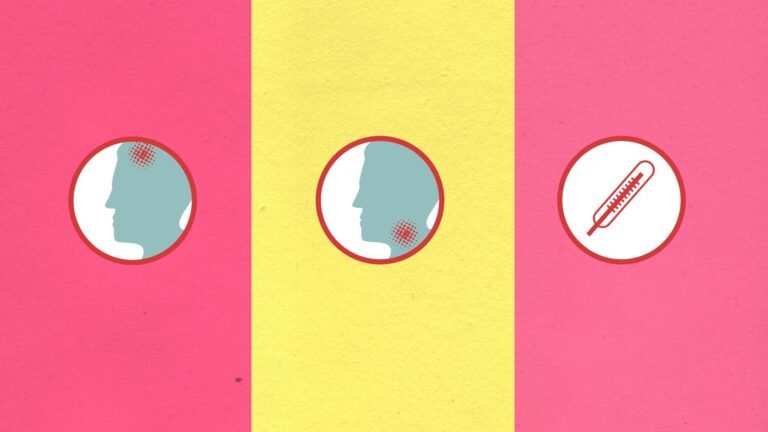
- Morning Headaches: Frequent morning headaches can be a sign of sleep apnea, often resulting from oxygen deprivation during sleep.
- Difficulty Concentrating: Individuals may experience difficulty focusing, memory problems, and a general lack of mental clarity, which can impact work and daily activities.
These symptoms can vary in severity and may not all be present in every individual. It is essential to keep track of any occurrences and discuss them with a healthcare professional.
Real-Life Example of Sleep Apnea
Consider the case of John, a 45-year-old male who had been experiencing chronic fatigue for several months. He noticed that he often woke up feeling unrefreshed, despite spending a full eight hours in bed. His partner complained about his loud snoring, which frequently disrupted her sleep. After discussing these concerns with his doctor, John underwent a sleep study and was diagnosed with obstructive sleep apnea. With the help of continuous positive airway pressure (CPAP) therapy, he was able to significantly improve his sleep quality and overall well-being.
Risk Factors for Sleep Apnea
While sleep apnea can affect anyone, certain factors may increase the likelihood of developing the condition. Understanding these risk factors can help individuals take preventive measures or seek help sooner. Here are some common risk factors associated with sleep apnea:
- Obesity: Excess body weight, particularly around the neck, can increase the risk of airway obstruction during sleep.
- Age: Sleep apnea is more prevalent in older adults, as the body’s muscle tone decreases with age, increasing the likelihood of airway collapse.
- Gender: Men are more likely to develop sleep apnea than women, although the risk for women increases after menopause.
- Family History: A family history of sleep apnea may increase the likelihood of developing the condition.
- Smoking: Smoking can increase inflammation and fluid retention in the upper airway, leading to a higher risk of sleep apnea.
- Alcohol and Sedatives: The use of alcohol and sedative medications can relax the muscles in the throat, worsening sleep apnea symptoms.
Identifying these risk factors can help individuals recognize their vulnerability to sleep apnea and take proactive steps to mitigate them.

Diagnosis of Sleep Apnea
If you suspect that you or a loved one may have sleep apnea, it is crucial to consult a healthcare professional for an accurate diagnosis. Diagnosis typically involves a comprehensive assessment, including the following steps:
- Medical History Review: The healthcare provider will review your medical history, including any symptoms, sleep patterns, and risk factors.
- Physical Examination: A physical exam may be conducted to check for signs of sleep apnea, such as enlarged tonsils or a thick neck.
- Sleep Study: A polysomnography (sleep study) is often the most definitive test for diagnosing sleep apnea. This study may be conducted in a sleep lab or at home and measures various parameters, including breathing patterns, oxygen levels, and brain activity during sleep.
The results of these assessments will help the healthcare provider determine the presence and severity of sleep apnea, guiding appropriate treatment options.

Treatment Options for Sleep Apnea
Treatment for sleep apnea aims to restore normal breathing during sleep and improve overall sleep quality. The appropriate treatment will depend on the severity of the condition and its underlying causes. Here are some common treatment options:
- Lifestyle Changes: Making healthy lifestyle choices can significantly impact sleep apnea. Weight loss, regular exercise, avoiding alcohol and sedatives, and establishing a consistent sleep routine can help manage symptoms.
- Continuous Positive Airway Pressure (CPAP): CPAP therapy is the most common treatment for moderate to severe sleep apnea. This device delivers a continuous stream of air through a mask, keeping the airway open during sleep.
- Oral Appliances: Dental devices, often referred to as mandibular advancement devices, can help reposition the jaw and tongue to keep the airway open.
- Surgery: In certain cases, surgical options may be considered, especially if anatomical issues contribute to obstructive sleep apnea. Procedures may involve removing excess tissue from the throat or correcting structural abnormalities.
Discussing treatment options with a healthcare provider is essential to determine the most suitable approach based on individual circumstances.
Consider keeping a sleep diary to track symptoms and patterns, which can help your healthcare provider diagnose sleep apnea more effectively.

Impact of Sleep Apnea on Mental Health
Connection Between Sleep Quality and Mood Disorders
Research has shown a significant connection between poor sleep quality and the development or exacerbation of mood disorders such as depression and anxiety. Individuals suffering from sleep apnea often experience disrupted sleep cycles, leading to insufficient restorative sleep. This lack of quality rest can result in irritability, mood swings, and heightened stress levels, creating a vicious cycle that can be difficult to break.
Furthermore, the constant fatigue associated with sleep apnea can lead to feelings of hopelessness and helplessness, which are common in depressive disorders. The relationship is bidirectional; not only can sleep apnea contribute to mental health issues, but existing mental health problems can also worsen the symptoms of sleep apnea.
- Increased anxiety levels
- Higher risk for depression
- Difficulty concentrating and cognitive decline
Effects on Cognitive Function
Sleep apnea can have a profound impact on cognitive function, often manifesting as memory loss, decreased attention span, and impaired decision-making abilities. This cognitive decline occurs due to repeated interruptions in sleep, which prevent the brain from entering the deep sleep stages necessary for memory consolidation and mental clarity.
Individuals may find themselves struggling with daily tasks, which can lead to decreased productivity at work and affect personal relationships. Cognitive impairments related to sleep apnea are sometimes mistaken for age-related decline, making it crucial for adults experiencing these symptoms to seek evaluation and treatment.
- Memory lapses
- Difficulty with problem-solving
- Increased likelihood of accidents due to decreased alertness
Strategies for Managing Mental Health with Sleep Apnea
Managing mental health in conjunction with sleep apnea is essential for improving overall well-being. Here are some effective strategies that can help:
- Cognitive Behavioral Therapy (CBT): This therapy can be particularly effective for addressing sleep-related issues and anxiety, helping individuals develop healthier thought patterns and coping mechanisms.
- Mindfulness and Relaxation Techniques: Practices such as meditation, yoga, and deep-breathing exercises can help reduce anxiety and stress, making it easier to fall asleep and maintain sleep quality.
- Regular Exercise: Engaging in physical activity can alleviate symptoms of depression and anxiety, improve sleep quality, and enhance overall mood.
Understanding the Role of Lifestyle Factors in Sleep Apnea
Weight Management and Sleep Quality
Excess weight is a significant risk factor for sleep apnea. Fat deposits around the neck can impede airflow during sleep, leading to obstructive sleep apnea. Therefore, weight management is crucial for individuals at risk. Losing even a small percentage of body weight can lead to a noticeable improvement in symptoms.
Incorporating a balanced diet and regular physical activity can aid in weight loss efforts. Focusing on whole foods, such as fruits, vegetables, lean proteins, and whole grains, can also improve overall health and may alleviate some sleep apnea symptoms.
- Eat smaller, more frequent meals
- Avoid high-calorie snacks before bedtime
- Limit alcohol and caffeine intake
The Importance of Sleep Hygiene
Practicing good sleep hygiene can help mitigate the symptoms of sleep apnea and improve overall sleep quality. Sleep hygiene encompasses various habits and environmental factors that promote restful sleep. Establishing a consistent sleep schedule, creating a comfortable sleep environment, and limiting screen time before bed are all essential components of good sleep hygiene.
In addition to these practices, it is vital to minimize distractions in the bedroom. This includes keeping the room dark, cool, and quiet to create an ideal sleeping environment. Additionally, refraining from engaging in stimulating activities before bed can help signal to the body that it is time to wind down.
- Establish a consistent sleep schedule
- Create a comfortable sleep environment
- Limit screen time and avoid stimulants
Avoiding Harmful Substances
Certain substances can exacerbate sleep apnea symptoms and should be avoided. Smoking is one such substance, as it can lead to inflammation and fluid retention in the upper airway, making it harder to breathe during sleep. Additionally, alcohol consumption can relax the throat muscles, increasing the likelihood of airway obstruction.
It’s essential to evaluate lifestyle habits and make necessary adjustments for better sleep health. Seeking support from healthcare providers can be beneficial for individuals looking to quit smoking or reduce alcohol intake.
- Avoid smoking and seek support for cessation
- Limit alcohol consumption, especially before bedtime
- Be cautious with medications that may affect breathing
Long-Term Health Consequences of Untreated Sleep Apnea
Cardiovascular Health Risks
Untreated sleep apnea can have serious long-term implications for cardiovascular health. The repeated interruptions in breathing during sleep can lead to increased blood pressure and strain on the heart. This can elevate the risk of developing heart-related conditions such as hypertension, heart attack, and stroke.
Moreover, individuals with sleep apnea often experience oxygen deprivation during the night, which can contribute to inflammation and damage to blood vessels. The cumulative effects of these conditions can significantly impact overall cardiovascular health.
- Increased risk of hypertension
- Higher likelihood of heart disease
- Elevated risk of stroke
Metabolic Consequences
Sleep apnea has also been linked to various metabolic conditions, including insulin resistance and type 2 diabetes. Disrupted sleep can affect the body’s metabolism and hormone regulation, leading to increased cravings for unhealthy foods and a higher likelihood of weight gain.
Additionally, the stress on the body from poor sleep can lead to chronic inflammation, further complicating metabolic health. Individuals with sleep apnea should be aware of these potential consequences and work with healthcare providers to monitor and manage their metabolic health.
- Increased risk of developing type 2 diabetes
- Higher propensity for obesity
- Potential for increased cholesterol levels
Impact on Quality of Life
The long-term consequences of untreated sleep apnea can significantly affect an individual’s quality of life. Chronic fatigue, cognitive decline, and increased risk of serious health conditions can lead to reduced productivity, strained relationships, and diminished overall well-being. The emotional toll of living with untreated sleep apnea can also lead to feelings of isolation and hopelessness.
For those with untreated sleep apnea, it is crucial to recognize the potential for improvement through proper diagnosis and treatment. Seeking help can lead to better health outcomes and a more fulfilling life.
- Decreased productivity at work
- Strained personal relationships
- Increased risk of mental health issues
For more information, see MedlinePlus.
Frequently Asked Questions
What causes sleep apnea in adults?
Sleep apnea in adults can be caused by a variety of factors, including obesity, anatomical issues (such as enlarged tonsils or a deviated septum), age, and lifestyle choices like smoking and alcohol use.
How is sleep apnea diagnosed?
Sleep apnea is diagnosed through a combination of medical history review, physical examination, and a sleep study (polysomnography) that monitors breathing patterns and other physiological parameters during sleep.
Can sleep apnea be treated without a CPAP machine?
Yes, there are several treatment options for sleep apnea, including lifestyle changes, oral appliances, and surgery. CPAP is a common treatment but not the only one.
What are the long-term effects of untreated sleep apnea?
Untreated sleep apnea can lead to serious health issues, including cardiovascular problems, high blood pressure, diabetes, and increased risk of accidents due to excessive daytime sleepiness.
The Bottom Line
Understanding the symptoms of sleep apnea in adults is essential for early detection and effective management. Common symptoms include loud snoring, gasping for air, excessive daytime sleepiness, and mood changes. Recognizing risk factors and seeking professional help for diagnosis and treatment can significantly improve quality of life and reduce the risk of serious health complications. If you suspect you or a loved one may have sleep apnea, do not hesitate to consult a healthcare provider for guidance and support.
Was this page helpful?
Thanks for your feedback! What could we improve?
Thank you! Your feedback helps us improve our articles.
Medically reviewed by
Dr. Oluwabusola Stella OkeMedical graduate of Girne American University with a focus on patient-centred care, clinical assessment and preventive health.
True Impact Health articles are written by our editorial team and based on reliable sources such as public health agencies, clinical guidelines and peer-reviewed research. This article has been checked by a doctor on our review panel. Read our editorial process.
This content is for general information and is not a substitute for professional medical advice, diagnosis or treatment.