













Pulmonary Hypertension Survival Rate
Pulmonary hypertension (PH) is a serious and progressive condition that affects the blood vessels connecting the heart and lungs. It develops when...
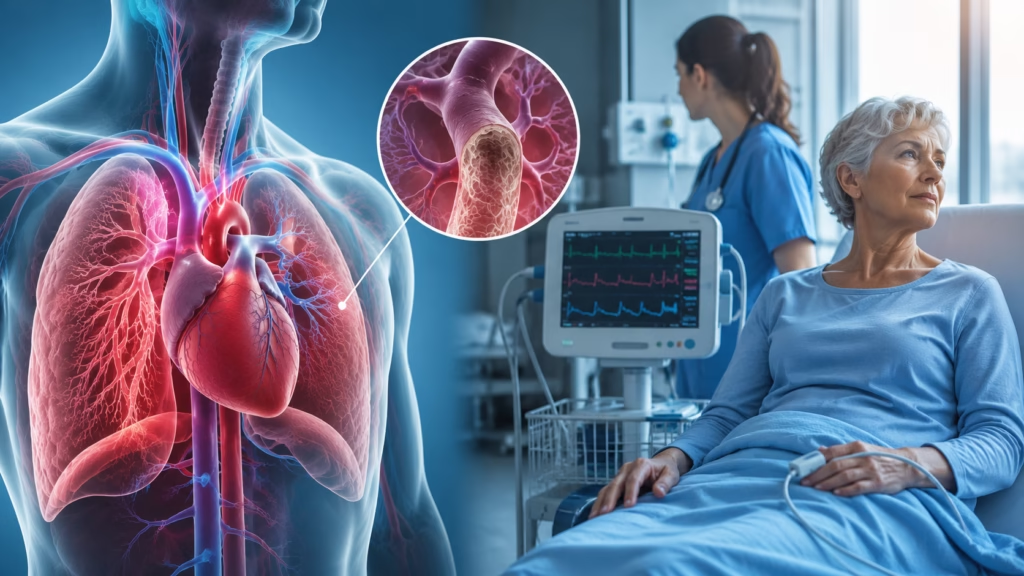
Table of Contents
Introduction
Pulmonary hypertension (PH) is a serious and progressive condition that affects the blood vessels connecting the heart and lungs. It develops when pressure within the pulmonary arteries becomes abnormally elevated, forcing the heart to work much harder to pump blood through the lungs. Over time, this extra strain can weaken the right side of the heart and lead to potentially life-threatening complications.
For individuals who have recently been diagnosed, one of the most common concerns is understanding the pulmonary hypertension survival rate and what it means for their future. While pulmonary hypertension was once associated with very poor outcomes, significant advances in diagnosis, treatment, and ongoing patient management have dramatically improved survival and quality of life over the past two decades.
The outlook for people living with pulmonary hypertension varies considerably depending on the underlying cause, severity of disease, response to treatment, and overall health status. Understanding the factors that influence survival can help patients and caregivers make informed decisions, actively participate in treatment plans, and maintain realistic yet hopeful expectations.
This comprehensive guide explores pulmonary hypertension survival rates, factors affecting prognosis, modern treatment options, and practical strategies that can help patients achieve the best possible outcomes.
Understanding Pulmonary Hypertension
Pulmonary hypertension is not a single disease but rather a condition characterized by elevated blood pressure within the pulmonary arteries. These arteries are responsible for transporting blood from the right side of the heart to the lungs, where oxygen is absorbed before the blood is circulated throughout the body.
When these blood vessels become narrowed, stiffened, inflamed, or blocked, blood flow through the lungs becomes more difficult. As a result, pressure inside the pulmonary arteries rises. The right ventricle of the heart must then generate more force to overcome this resistance and maintain adequate circulation.
Initially, the heart can compensate for this increased workload. However, over time, the right ventricle may enlarge, weaken, and eventually fail. This progression is one of the primary reasons pulmonary hypertension can become a life-threatening condition if not properly managed.
Symptoms often develop gradually and may include shortness of breath, fatigue, chest discomfort, dizziness, fainting episodes, swelling in the legs, and reduced exercise tolerance. Because these symptoms can resemble many other conditions, pulmonary hypertension is frequently diagnosed later than desired.
Types of Pulmonary Hypertension
Healthcare professionals classify pulmonary hypertension into five major groups based on its underlying cause and disease mechanism.
Group 1: Pulmonary Arterial Hypertension (PAH)
Pulmonary arterial hypertension occurs when the small pulmonary arteries become narrowed or damaged. This form includes idiopathic pulmonary arterial hypertension, heritable pulmonary arterial hypertension, and cases associated with connective tissue diseases, congenital heart disease, or certain medications.
Group 2: Pulmonary Hypertension Due to Left Heart Disease
This is the most common form of pulmonary hypertension. It develops when conditions affecting the left side of the heart cause pressure to back up into the pulmonary circulation. Common causes include heart failure, valve disorders, and cardiomyopathy.
Group 3: Pulmonary Hypertension Associated with Lung Disease
Chronic lung conditions such as chronic obstructive pulmonary disease (COPD), interstitial lung disease, and sleep apnea can reduce oxygen levels and contribute to elevated pulmonary pressures.
Group 4: Chronic Thromboembolic Pulmonary Hypertension (CTEPH)
This type develops when blood clots become permanently lodged in the pulmonary arteries, creating chronic obstruction and increased pressure within the lung circulation.
Group 5: Pulmonary Hypertension with Multifactorial Causes
This category includes cases associated with complex or unclear mechanisms, such as certain blood disorders, metabolic conditions, and systemic diseases.
Each group carries a different prognosis, making accurate diagnosis essential when discussing survival rates.
Why Survival Rates Matter
Survival statistics provide valuable information for patients, families, and healthcare providers. They help clinicians evaluate disease severity, guide treatment decisions, and assess the effectiveness of therapies.
However, survival rates should never be viewed as a prediction for a specific individual. These statistics represent averages across large groups of patients. Many people live significantly longer than expected due to early diagnosis, excellent treatment response, healthy lifestyle choices, and advances in medical care.
Modern survival rates are considerably better than those reported several decades ago, largely because of earlier recognition of the disease and the development of targeted therapies.
Factors That Influence Survival
Several important factors influence how pulmonary hypertension progresses and ultimately affect long-term survival.
Functional Status
The World Health Organization Functional Classification system categorizes patients according to the severity of their symptoms.
Patients in Functional Class I or II typically experience mild limitations and generally have better survival rates. Individuals in Functional Class III or IV often experience significant symptoms during routine activities or even at rest, which is associated with a less favorable prognosis.
Right Heart Function
One of the strongest predictors of survival is the health of the right ventricle. When the right side of the heart remains strong and able to compensate for increased pulmonary pressure, outcomes tend to be more favorable.
Conversely, evidence of right ventricular dysfunction or right heart failure often indicates more advanced disease.
Hemodynamic Measurements
Measurements obtained during right heart catheterization provide valuable prognostic information. Higher pulmonary artery pressures, elevated pulmonary vascular resistance, and lower cardiac output are generally associated with worse outcomes.
Underlying Cause
The prognosis varies significantly depending on the type of pulmonary hypertension. For example, patients with chronic thromboembolic pulmonary hypertension may experience excellent outcomes after successful surgery, while individuals with advanced pulmonary arterial hypertension may require lifelong specialized treatment.
Response to Treatment
Patients who demonstrate significant improvement in symptoms, exercise capacity, and hemodynamic measurements after therapy generally have better long-term survival compared with those who experience persistent disease progression.
Current Pulmonary Hypertension Survival Rates
Thanks to advances in treatment, survival rates for pulmonary hypertension have improved substantially over the past twenty years.
For patients with idiopathic pulmonary arterial hypertension, current registry data suggest:
- One-year survival rates range from approximately 85% to 90%.
- Three-year survival rates range from approximately 65% to 75%.
- Five-year survival rates typically range from 55% to 65%.
Many patients receiving modern combination therapies and expert care at specialized pulmonary hypertension centers are living significantly longer than these averages.
Survival rates differ among the various pulmonary hypertension groups. Patients with Group 2 pulmonary hypertension often have outcomes influenced primarily by their underlying heart disease. Those with Group 3 disease are more affected by the severity of their lung condition. Meanwhile, appropriately treated patients with chronic thromboembolic pulmonary hypertension may achieve survival rates approaching those of the general population.
How Modern Treatments Improve Survival
The introduction of targeted pulmonary hypertension therapies has transformed patient outcomes.
Endothelin Receptor Antagonists
These medications block endothelin-1, a substance that causes blood vessel narrowing and abnormal vessel growth. Drugs such as bosentan, ambrisentan, and macitentan help reduce pulmonary artery pressure and improve exercise capacity.
Phosphodiesterase-5 Inhibitors
Medications such as sildenafil and tadalafil promote relaxation of pulmonary blood vessels by enhancing nitric oxide signaling pathways. These therapies improve blood flow through the lungs and reduce strain on the heart.
Prostacyclin Therapies
Prostacyclin medications are among the most potent treatments available for pulmonary arterial hypertension. They dilate blood vessels, inhibit clot formation, and reduce abnormal cell growth within the pulmonary arteries.
Soluble Guanylate Cyclase Stimulators
Riociguat enhances blood vessel relaxation and improves pulmonary circulation, particularly in selected patients with pulmonary arterial hypertension and chronic thromboembolic pulmonary hypertension.
Combination Therapy
Many specialists now recommend combining multiple medication classes early in treatment. Research consistently shows that combination therapy can improve symptoms, slow disease progression, and enhance survival compared with single-drug approaches.
Lifestyle Measures That Support Survival
Medical therapy is only one component of successful pulmonary hypertension management. Lifestyle modifications can significantly improve both survival and quality of life.
Maintaining a heart-healthy diet helps reduce fluid retention and supports cardiovascular health. Many patients benefit from limiting sodium intake and monitoring daily fluid consumption.
Supervised exercise programs specifically designed for pulmonary hypertension patients can improve endurance, reduce symptoms, and enhance overall physical function. Exercise should always be performed under medical guidance.
For patients with low oxygen levels, supplemental oxygen therapy may reduce strain on the heart and improve daily functioning.
Vaccinations against influenza and pneumonia help prevent respiratory infections that can trigger serious complications.
Additionally, emotional support, counseling, and participation in patient support groups can improve mental health and promote better adherence to treatment plans.
Practical Tips for Patients and Caregivers
Successful management of pulmonary hypertension requires active participation from both patients and caregivers.
Taking medications exactly as prescribed is one of the most important factors influencing long-term outcomes. Missing doses can lead to worsening symptoms and disease progression.
Regular follow-up appointments with pulmonary hypertension specialists allow early detection of changes in disease status and timely adjustments to treatment plans.
Keeping a daily record of symptoms, body weight, blood pressure, oxygen saturation, and physical activity levels can help identify problems before they become emergencies.
Building a multidisciplinary healthcare team that includes cardiologists, pulmonologists, nurses, pharmacists, rehabilitation specialists, and mental health professionals often provides the most comprehensive care.
Conclusion
Pulmonary hypertension remains a serious condition, but the outlook for patients today is far more encouraging than it was in the past. Advances in diagnostic techniques, targeted medications, surgical interventions, and comprehensive care programs have significantly improved survival rates and quality of life for many individuals living with this disease.
While survival statistics provide useful information, they do not define any single person’s future. Factors such as early diagnosis, effective treatment, preserved heart function, healthy lifestyle habits, and strong medical support can dramatically influence outcomes.
Patients who remain engaged in their care, follow treatment recommendations, attend regular medical appointments, and maintain healthy lifestyle practices often experience better symptom control and longer survival.
If you or a loved one has been diagnosed with pulmonary hypertension, working closely with a specialized pulmonary hypertension team can make a meaningful difference. With continued advances in research and treatment, there is more hope than ever before for individuals facing this challenging condition.
Disclaimer
This article is for educational purposes only and does not replace professional medical advice, diagnosis, or treatment. Seizures, severe headache, confusion, visual changes, or blood pressure readings in the hypertensive crisis range require urgent medical evaluation.
Was this page helpful?
Thanks for your feedback! What could we improve?
Thank you! Your feedback helps us improve our articles.
True Impact Health articles are written by our editorial team and based on reliable sources such as public health agencies, clinical guidelines and peer-reviewed research. This article has not yet been medically reviewed. Read our editorial process.
This content is for general information and is not a substitute for professional medical advice, diagnosis or treatment.