Plantar fasciitis
Learn what plantar fasciitis is, its causes, symptoms, diagnosis, treatment options and prevention tips in this comprehensive guide.
By True Impact Health Editorial Team

Medical doctor and clinical researcher focused on preventive medicine, chronic disease and clear, evidence-based health communication.
Reviewed this article on November 2, 2026.
View profile How we reviewUpdated on October 31, 2026 10 min read
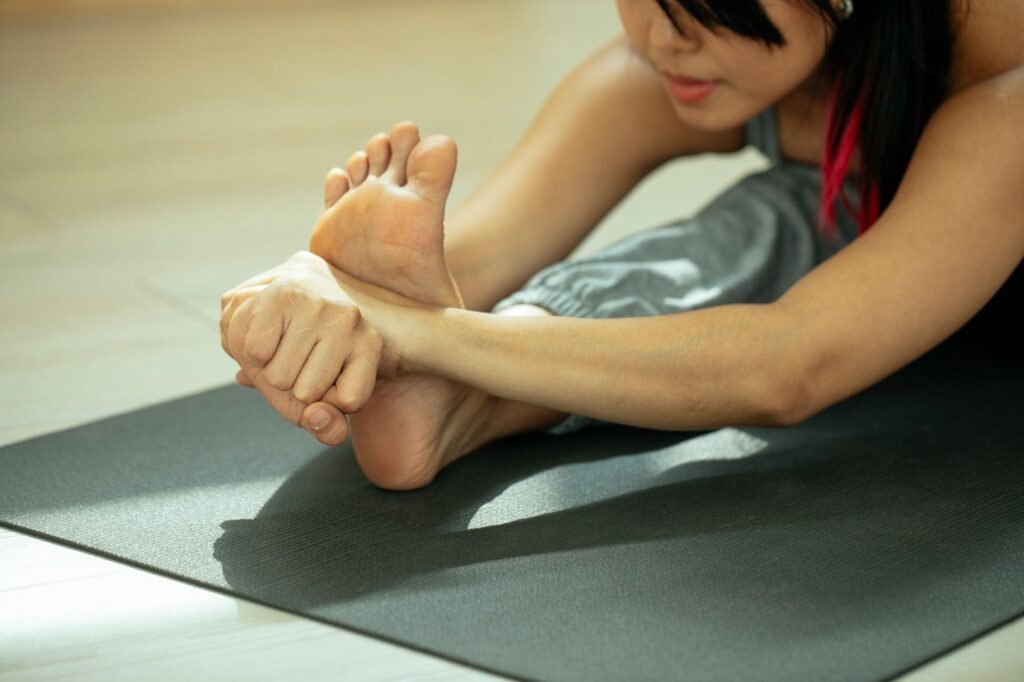
Table of Contents
Key Takeaways
- Plantar fasciitis is a common cause of heel pain caused by inflammation of the foot’s plantar fascia.
- Most cases improve with home care, stretching, and proper footwear.
- Professional treatment may include physical therapy, orthotics, or injections if symptoms persist.
- Early diagnosis and prevention strategies can reduce the need for surgery.
Plantar fasciitis is one of the most frequent foot problems that brings people to a doctor’s office. It causes sharp or aching pain in the heel, especially with the first steps after a period of rest. If you have ever wondered why your heel hurts after getting out of bed, this guide will explain the condition in plain language and give you practical steps to feel better.
The good news is that plantar fasciitis is usually not a sign of a serious disease. Most people recover with simple home measures, proper footwear, and a few targeted stretches. However, understanding why it happens and how to treat it early can prevent weeks or months of discomfort.
What Is Plantar Fasciitis?
Definition
The plantar fascia is a thick band of connective tissue that runs along the bottom of the foot from the heel bone (calcaneus) to the toes. Its job is to support the arch and absorb the forces of walking and running. When this band is overstressed, tiny tears develop and inflammation follows, producing the pain known as plantar fasciitis.
Who Gets It?
Anyone can develop plantar fasciitis, but certain groups are more likely to be affected. Runners, people who are overweight, and those who spend long periods standing on hard surfaces see the highest rates. Age is also a factor; the condition most often appears in adults between 40 and 60 years old.
Causes and Risk Factors
Mechanical Causes
Repeated strain on the plantar fascia is the primary trigger. Activities that involve a lot of heel‑to‑toe motion, such as running, jumping, or dancing, can overload the tissue. Flat feet or very high arches change the way weight is distributed across the foot, creating extra tension on the fascia.
Lifestyle Factors
Wearing shoes with little arch support or thin soles increases stress on the heel. Sudden changes in activity level, such as starting a new workout routine without a gradual build‑up, also raise the risk. Additionally, tight calf muscles (the gastrocnemius and soleus) limit ankle flexibility, pulling the fascia tighter with each step.

Recognizing the Symptoms
Typical Pain Patterns
The hallmark of plantar fasciitis is pain at the bottom of the heel that is worst with the first steps in the morning or after a period of sitting. The pain often eases after a few minutes of walking as the fascia warms up, then may return after prolonged standing or activity.
When to Seek Help
If the pain lasts more than a few weeks, worsens despite rest, or is accompanied by swelling, bruising, or numbness, it is time to see a health professional. These signs could indicate another condition, such as a stress fracture or nerve compression.
Diagnosis
Physical Exam
A clinician will usually start with a visual inspection and ask you to walk, stand on tip‑toes, and flex your foot. Pressing on the medial side of the heel often reproduces the pain. The doctor may also assess your gait and check for tight calf muscles.
Imaging Tests
Imaging is not always needed, but an X‑ray can rule out bone problems, and an ultrasound or MRI can show thickening of the plantar fascia and any associated inflammation. These tests are reserved for cases that do not improve with standard care.
Treatment Options
First‑line Home Care
Most cases improve with self‑management. The following steps are recommended:
- Rest the foot and avoid high‑impact activities for a few days.
- Apply ice to the heel for 15‑20 minutes, several times a day, to reduce swelling.
- Perform gentle calf and plantar fascia stretches at least three times daily.
- Use over‑the‑counter pain relievers such as ibuprofen or acetaminophen, following package directions.
- Wear supportive shoes or orthotic inserts that cushion the heel and support the arch.
Professional Therapies
If home measures do not bring relief within two to three weeks, a health professional may suggest:
- Physical therapy focused on strengthening foot muscles and improving flexibility.
- Custom orthotics crafted from a mold of your foot.
- Night splints that keep the foot in a dorsiflexed position while you sleep.
- Corticosteroid injections for short‑term pain control, used sparingly because of potential tissue weakening.
When Surgery May Be Considered
Surgery is rarely needed, reserved for people who have persistent pain after six months of comprehensive conservative treatment. The most common procedure releases part of the plantar fascia to relieve tension. Recovery can take several months, and the risks include infection and altered foot mechanics.
| Treatment | How It Works | Typical Duration | Pros | Cons |
|---|---|---|---|---|
| Rest & Ice | Reduces inflammation and mechanical load | Days to weeks | Simple, no cost | May not address underlying tightness |
| Stretching | Lengthens calf and fascia fibers | Ongoing | Highly effective when done regularly | Requires discipline |
| Orthotics | Provides arch support and heel cushioning | Weeks to months | Immediate biomechanical change | Cost of custom devices |
| Physical Therapy | Improves strength, flexibility, and gait | 4‑6 weeks | Targeted, supervised care | Session fees |
| Injections | Delivers anti‑inflammatory medication | Single visit | Rapid pain relief | Potential tissue weakening |
| Surgery | Partial release of the fascia | Months of rehab | Can resolve chronic cases | Invasive, recovery time |
Prevention Strategies
Footwear Choices
Choosing shoes with a firm heel counter, good arch support, and a cushioned sole can dramatically lower stress on the plantar fascia. Avoid walking barefoot on hard surfaces, and replace athletic shoes every 300‑500 miles, as the midsole loses its shock‑absorbing properties.
Stretching Routine
Incorporate these two stretches into your daily routine:
- Calf stretch: Stand facing a wall, place one foot behind the other, keep the back heel on the ground, and lean forward until a stretch is felt in the back of the lower leg. Hold 30 seconds, repeat three times per leg.
- Plantar fascia stretch: While seated, cross one leg over the opposite knee, grab the toes, and gently pull them toward you while keeping the knee straight. Hold 15‑20 seconds, repeat three times per foot.
Lifestyle Adjustments
Maintaining a healthy weight reduces the load on the feet. If you run, increase mileage gradually, no more than a 10% rise per week, and include rest days. For those who stand for long periods, take short walking breaks and consider a cushioned anti‑fatigue mat.
Rehabilitation Exercises
Stretching the Plantar Fascia
Gentle stretching reduces tension in the plantar fascia and can improve pain tolerance over weeks of consistent practice. One common technique involves seated calf stretches: sit with the leg extended, loop a towel around the forefoot, and gently pull the towel toward the shin while keeping the knee straight. Hold the stretch for 15 to 30 seconds and repeat three to five times on each side, ideally after a warm‑up activity. Performing the stretch before rising from bed can also lessen morning stiffness, a hallmark of the condition.
Strengthening the Intrinsic Foot Muscles
Weak intrinsic foot muscles allow excessive arch collapse, placing additional load on the plantar fascia. Simple strengthening drills, such as toe‑towel curls, involve placing a small towel on the floor and using the toes to scrunch it toward the heel. Another effective exercise is the marble pick‑up, where a marble is lifted with the toes and placed in a container repeatedly for 2 minutes per foot. These activities are low impact, require no equipment, and can be performed daily to restore muscular balance.
Progressive Load Management
While stretching and strengthening are essential, gradually re‑introducing weight‑bearing activities prevents overload. Begin with short, flat‑surface walks, monitoring pain levels; increase distance by no more than 10 percent each week. If symptoms flare, reduce activity intensity and return to the stretching routine before advancing again. This graduated approach aligns with physical‑therapy guidelines for soft‑tissue injuries.

Footwear and Orthotic Considerations
Selecting Appropriate Shoes
Footwear that provides adequate arch support and heel cushioning mitigates strain on the plantar fascia. Look for shoes with a firm midsole, a slightly raised heel (approximately 0.5 inches), and a roomy toe box to avoid compression. Athletic shoes designed for walking or running often meet these criteria, whereas high‑heeled or completely flat sandals should be avoided during symptomatic periods.
Custom vs. Over‑the‑Counter Orthotics
Both custom‑made and over‑the‑counter (OTC) orthotic inserts can redistribute plantar pressure, but their suitability depends on individual anatomy and severity. OTC inserts are cost‑effective and work well for mild to moderate cases; they typically feature a semi‑rigid arch and a cushioned heel cup. Custom orthotics, fabricated from a cast or 3‑D scan of the foot, address specific biomechanical abnormalities such as excessive pronation and may be recommended when OTC options fail to provide relief.
- Start with OTC inserts and assess symptom change after two weeks.
- If pain persists, consult a podiatrist for a custom assessment.
- Replace orthotics regularly, generally every 12 to 18 months, to maintain effectiveness.
Night Splints
Night splints hold the ankle in a neutral or slightly dorsiflexed position while sleeping, preventing the plantar fascia from tightening overnight. This passive stretch can reduce morning pain for many patients. Splints should be fitted comfortably; excessive pressure may cause skin irritation. Use the device for 6 to 8 hours, and discontinue if severe discomfort develops.
Managing Plantar Fasciitis in Specific Populations
Athletes and Runners
High‑impact sports increase repetitive loading of the plantar fascia, making targeted prevention essential. Athletes should incorporate cross‑training activities such as swimming or cycling to lower foot impact while maintaining cardiovascular fitness. Additionally, a structured warm‑up that includes dynamic calf raises and ankle circles prepares the foot for sudden accelerations.
- Replace worn‑out running shoes every 300‑500 miles.
- Integrate hill or interval training gradually to avoid abrupt load spikes.
- Use cushioned insoles during training sessions that involve prolonged standing.
Older Adults
Age‑related loss of collagen elasticity can predispose seniors to plantar fascia strain. Low‑impact activities such as walking on even surfaces, water aerobics, or gentle yoga support mobility without overloading the foot. Strength training that emphasizes the lower leg, like seated heel raises, helps maintain tissue resilience.
Individuals with Diabetes
People with diabetes must monitor foot health closely because reduced sensation can mask early signs of plantar fasciitis and increase ulcer risk. Daily inspection of the feet for redness, swelling, or callus formation is recommended. When selecting footwear, prioritize shoes with a wide toe box, breathable material, and a firm sole to distribute pressure evenly.
- Schedule regular podiatry visits for preventive care.
- Maintain blood glucose within target ranges to support tissue healing.
- Avoid barefoot walking, especially on hard or uneven surfaces.
Frequently Asked Questions
Is plantar fasciitis the same as heel spurs?
No. A heel spur is a bony growth that sometimes accompanies plantar fasciitis, but many people with heel spurs never have pain. The pain of plantar fasciitis comes from inflammation of the fascia, not the bone.
Can I run while I have plantar fasciitis?
Running can worsen the condition in the early stages. Most clinicians advise a temporary break from high‑impact activities. Low‑impact options like swimming or cycling can maintain fitness without stressing the heel.
How long does it take to heal?
Recovery varies. With diligent home care, many people feel better within 6‑12 weeks. Some cases may take several months, especially if risk factors such as tight calf muscles are not addressed.
Are there any natural remedies that work?
Gentle massage of the heel with a tennis ball, night splints, and consistent stretching are supported by clinical experience. There is limited high‑quality evidence for herbal supplements, so it is best to focus on proven mechanical strategies.
The Bottom Line
Plantar fasciitis is a common, usually self‑limiting source of heel pain that responds well to simple measures like rest, ice, stretching, and supportive footwear. Early attention, consistent self‑care, and professional guidance when needed can prevent chronic discomfort and avoid surgery. If your heel pain persists despite these steps, consult a health professional for a thorough evaluation.
For further reliable information, you can visit the MedlinePlus website.
Was this page helpful?
Thanks for your feedback! What could we improve?
Thank you! Your feedback helps us improve our articles.
Medically reviewed by
Dr. Daniel HarringtonMedical doctor and clinical researcher focused on preventive medicine, chronic disease and clear, evidence-based health communication.
True Impact Health articles are written by our editorial team and based on reliable sources such as public health agencies, clinical guidelines and peer-reviewed research. This article has been checked by a doctor on our review panel. Read our editorial process.
This content is for general information and is not a substitute for professional medical advice, diagnosis or treatment.