Introduction
Maintaining a healthy lawn requires more than regular mowing and watering. One of the most destructive threats to turfgrass health is a grub infestation. Grubs are the larval stage of various beetles, including Japanese beetles, June bugs, and European chafers. These larvae feed beneath the soil surface, targeting grass roots and weakening the structural integrity of the lawn.
- Confirm infestation before treating: lift a one square foot sod piece and count grubs; treat if more than five per square foot.
- Time treatments by life cycle: preventive in early summer for tiny grubs; curative in late summer or early autumn for larger, feeding larvae.
- Maintain healthy turf: mow taller, water deeply but infrequently, aerate, control thatch, and avoid excessive summer nitrogen.
- Use biologicals when possible: beneficial nematodes, milky spore, and Bt products target grubs with minimal environmental impact.
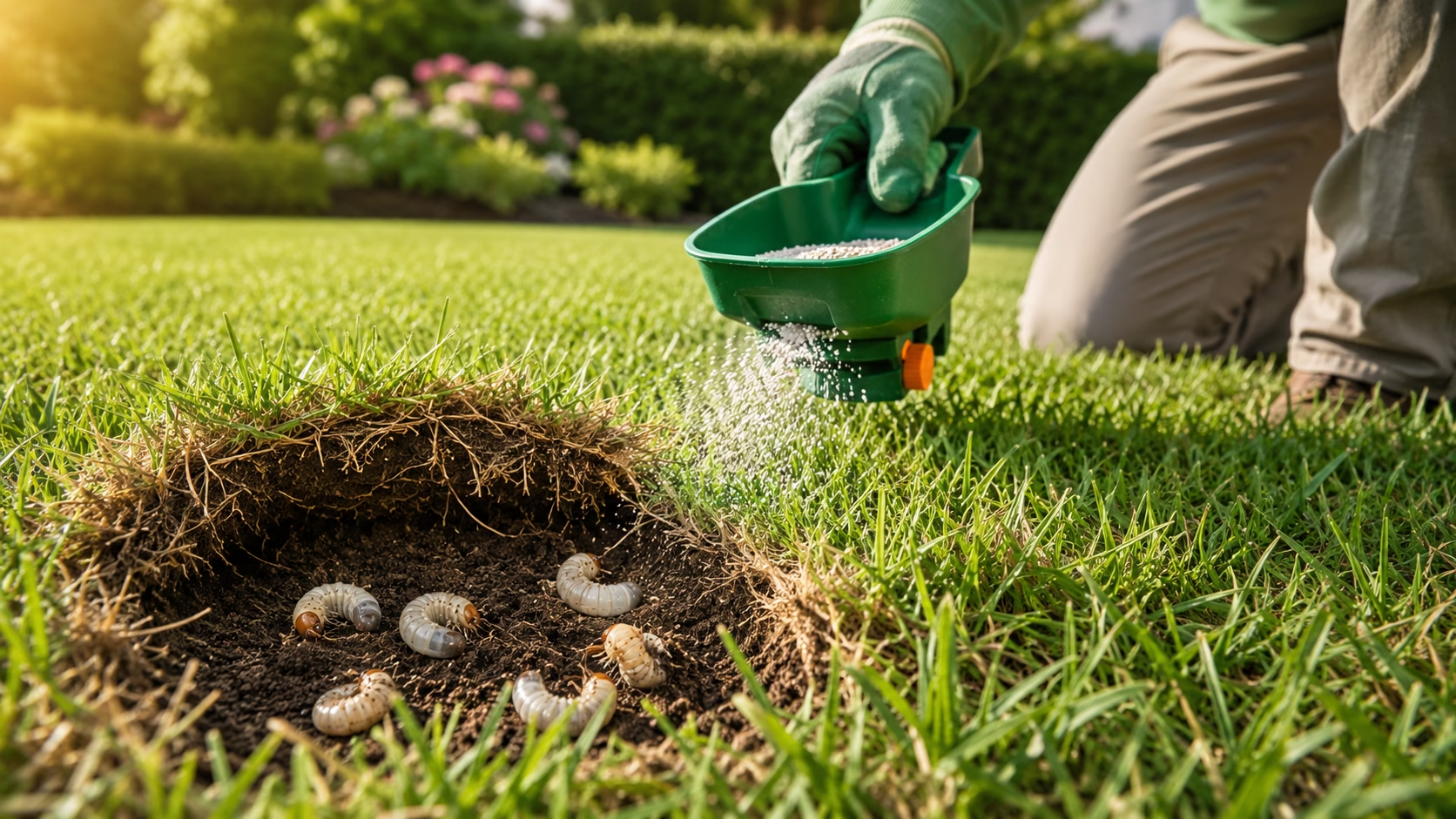
- Apply chemical controls only as needed; choose preventive or curative products, follow label directions, and water lightly after application.
The damage caused by grubs often appears suddenly and can spread rapidly if not addressed. Lawns affected by heavy infestations may develop brown patches, become soft underfoot, and attract animals such as raccoons, skunks, and birds that dig into the soil searching for larvae. Understanding how to identify, prevent, and treat grub infestations is therefore essential for preserving a healthy and visually appealing lawn.
Identifying Grub Damage
Accurate identification is the first and most important step in effective grub management. Many lawn conditions, including drought stress and fungal diseases, can produce symptoms similar to grub damage. Therefore, confirmation of grub activity is necessary before beginning treatment.
One of the most common signs is the appearance of irregular brown or yellow patches in the grass. Unlike drought affected turf, these damaged areas often lift easily from the soil because the roots have been consumed. The lawn may also feel unusually soft or spongy when walked upon, indicating weakened root systems beneath the surface.
Another important indicator is increased activity from animals that feed on grubs. Skunks, raccoons, and birds may dig into the lawn searching for larvae, leaving visible holes and disturbed turf.
To inspect for grubs directly, a section of grass approximately one square foot in size should be cut along three sides and carefully lifted. Examining the top few inches of soil will reveal whether white, C shaped larvae are present. A small number of grubs is generally tolerable, but populations exceeding five grubs per square foot often indicate a damaging infestation that requires intervention.
Understanding the Grub Life Cycle
Effective grub control depends heavily on understanding the life cycle of the insects involved. Most lawn damaging beetles follow a similar seasonal pattern, and treatment timing is critical for success.
During mid summer, adult beetles lay eggs in moist turfgrass areas. These eggs hatch in late summer, producing young grubs that immediately begin feeding on grass roots. This stage is particularly destructive because larvae consume large quantities of root tissue while remaining close to the soil surface.
As temperatures decline during winter, grubs move deeper into the soil to survive colder conditions. In spring, they return nearer to the surface and resume feeding before eventually pupating and emerging as adult beetles in early summer. The cycle then repeats.
Preventive treatments are most effective during early summer when newly hatched grubs are small and vulnerable. Curative treatments are typically applied later in summer or early autumn before larvae move deeper into the soil for winter. Timing treatments correctly significantly increases effectiveness while reducing unnecessary pesticide use.
Cultural Practices for Grub Prevention
A healthy and resilient lawn is naturally more resistant to grub damage. Proper lawn maintenance practices strengthen root systems and improve the turf’s ability to recover from stress.
Maintaining appropriate mowing height is particularly important. Taller grass shades the soil surface, reducing heat stress and helping retain moisture. Deeper root systems also develop under these conditions, improving the lawn’s tolerance to minor grub feeding.
Watering practices influence root development as well. Deep but infrequent watering encourages roots to grow deeper into the soil, creating a stronger and more drought resistant lawn. In contrast, shallow and frequent watering weakens root systems and increases vulnerability to pests.
Aeration improves soil structure and enhances the movement of air, water, and nutrients into the root zone. This process supports healthier turf growth and reduces conditions favorable for pest development.
Excessive thatch accumulation should also be managed carefully. Thick thatch layers provide shelter for pests and may prevent treatments from reaching the soil effectively. Periodic dethatching improves treatment penetration and promotes healthier turf conditions.
Balanced fertilization further supports lawn resilience. Overuse of nitrogen fertilizers during summer can produce rapid but weak growth that is more susceptible to pest damage. Proper nutrient management strengthens root systems and enhances overall turf health.
Biological Control Methods
Biological controls provide environmentally friendly alternatives for managing grub populations. These methods target grubs specifically while minimizing harm to beneficial organisms and surrounding ecosystems.
Beneficial nematodes are microscopic organisms that actively seek out and infect grubs in the soil. Once inside the larvae, they release bacteria that kill the host. These nematodes are most effective when soil temperatures remain above sixty degrees Fahrenheit and soil moisture levels are adequate. Thorough watering after application helps move the organisms into the root zone where grubs are feeding.
Milky spore disease is another biological option used primarily against Japanese beetle grubs. This bacterial disease infects larvae and gradually reduces grub populations over time. Although it may take several years to establish fully, it can provide long term suppression with minimal environmental impact.
Certain bacterial products, such as Bacillus thuringiensis galleriae, specifically target scarab beetle larvae. These products are particularly effective against young grubs and perform best under moist soil conditions.
For optimal results, biological treatments should generally be applied during cooler parts of the day, such as early evening or cloudy conditions, to protect living organisms from excessive heat and sunlight exposure.
Chemical Treatment Options
When grub infestations become severe or immediate control is necessary, chemical insecticides may provide effective results. These products are generally categorized as preventive or curative treatments.
Preventive insecticides are designed to target newly hatched larvae before significant damage occurs. Products containing active ingredients such as imidacloprid or chlorantraniliprole are commonly used for this purpose. These treatments are typically applied in early to mid summer and remain active in the soil as eggs hatch.
Curative insecticides are intended for larger, actively feeding grubs that are already causing visible lawn damage. Active ingredients such as carbaryl and trichlorfon act more rapidly and are usually applied during late summer or early autumn.
Proper application is essential to ensure effectiveness and reduce environmental risks. Overapplication can harm beneficial insects, contaminate groundwater, and negatively affect surrounding ecosystems. Following label instructions carefully is therefore critical. Watering lightly after application helps move the product into the soil where grubs are feeding.
Natural and Home-Based Remedies
Some homeowners prefer natural or low chemical approaches to grub management. While these methods are generally less reliable than professional biological or chemical treatments, they may provide supplemental benefits when integrated into broader lawn care strategies.
Neem oil products may help reduce beetle activity and interfere with egg laying. Compost teas rich in beneficial microorganisms can improve soil health and encourage ecological balance within the lawn environment. Corn gluten meal is sometimes used as a natural soil amendment that may contribute modestly to pest suppression while also functioning as a weed control product.
Although these approaches may support overall lawn health, they are rarely sufficient as standalone treatments for severe infestations. Their effectiveness tends to vary depending on environmental conditions and infestation levels.
Lawn Recovery After Treatment
Following successful grub control, restoring lawn health becomes the next priority. Damaged areas may require reseeding or patching with high quality grass seed to encourage uniform turf recovery.
Appropriate fertilization during autumn supports root regeneration and improves long term resilience. Watering should continue consistently but without over saturating the soil, as excessive moisture can encourage disease development.
Ongoing monitoring is essential because grub populations can return in future seasons. Annual inspection of vulnerable areas allows early detection and simplifies future management efforts.
Conclusion
Grub infestations can cause extensive damage to lawns by destroying root systems and weakening turf structure. However, successful management is achievable through a combination of accurate identification, proper timing, preventive lawn care practices, and appropriate treatment strategies.
An integrated approach that combines cultural maintenance, biological control, and targeted chemical intervention when necessary provides the most effective and sustainable results. By understanding the grub life cycle and maintaining healthy turf conditions, homeowners can significantly reduce the risk of future infestations and preserve a strong, vibrant lawn throughout the growing season.