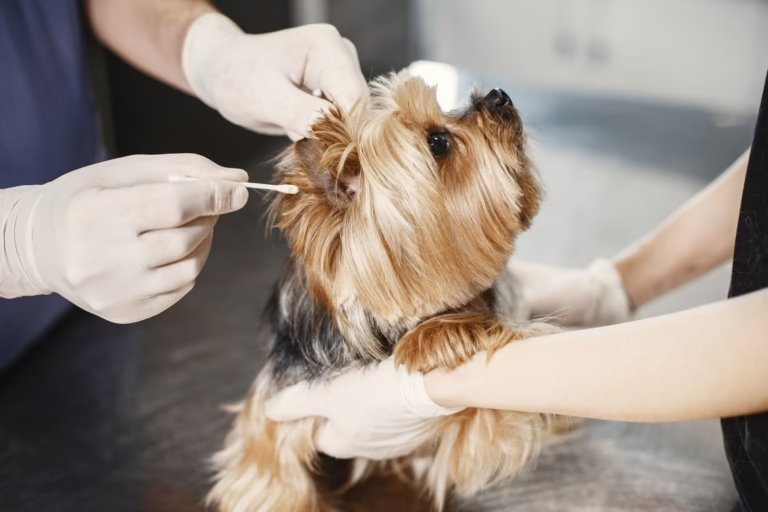
How to Treat Mange in Dogs at Home
Learn safe home care for canine mange, including hygiene, soothing topicals, nutrition, and when to seek veterinary help.
By True Impact Health Editorial Team

Doctor of Veterinary Medicine (DVM) who reviews the pet and animal health articles on True Impact Health.
Reviewed this article on October 10, 2026.
View profile How we reviewUpdated on October 9, 2026 6 min read
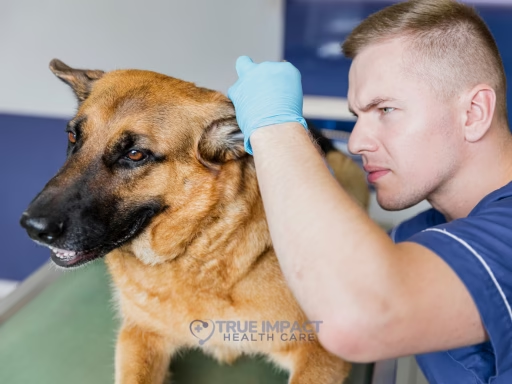
Table of Contents
Quick answer
Mange in dogs can be managed at home by keeping the environment clean, using gentle topical treatments like diluted apple cider vinegar or oatmeal baths, and supporting skin health with proper nutrition and omega‑3 supplements. However, severe itching, spreading lesions, or any signs of infection still require veterinary evaluation.
Introduction
Mange is a frustrating and uncomfortable skin condition that affects dogs of all breeds and ages. Characterized by itching, hair loss, and irritated skin, mange can make both you and your pup miserable. While a veterinarian’s guidance is crucial especially for severe cases, there are safe, supportive measures you can take at home to ease symptoms, complement professional treatment, and help prevent re-infestation. In this guide, we’ll walk you through everything you need to know about how to treat mange in dogs at home: from identifying the type of mange and recognizing warning signs to natural remedies, hygiene tips, nutritional support, and knowing when to seek veterinary care.
What Is Mange?
Mange is caused by microscopic mites burrowing into a dog’s skin. The two most common forms are:
• Sarcoptic Mange (Scabies)
– Highly contagious between dogs and even to humans
– Intense itching, red bumps, crusts, often around the ears, elbows, abdomen
• Demodectic Mange (Demodex)
– Associated with an overgrowth of normally present mites
– Localized patches of hair loss, primarily on the face and front legs; can become generalized
Despite the difference in contagiousness, both types can lead to inflammation, secondary infections, and serious discomfort if left untreated.
Signs and Symptoms of Mange
Keep a close eye out for these telltale indicators:
• Hair loss in circular patches, often starting on the face, ears, or paws
• Redness, flakiness, or crusty lesions
• Intense itching (especially with sarcoptic mange)
• Thickened or darkened skin in chronic cases
• Restlessness, scratching, licking or biting at affected areas
Accurate diagnosis is the first step toward effective treatment, so you’ll want to confirm whether mites are the cause of your dog’s distress.
Diagnosing Mange: Home Checks vs. Veterinary Tests
While a vet visit is always recommended, these at-home observations can help you decide whether to schedule an appointment:
- Skin Scrape Test (Vet-administered)
– A small sample of skin cells is scraped and examined under a microscope
– Confirms presence and type of mites - Observation of Lesion Patterns
– Sarcoptic mange often leads to widespread red bumps and severe itching
– Demodectic mange usually appears as localized spots of hair loss without extreme scratching
A veterinarian can also rule out other causes of skin irritation—like allergies, fungal infections, or bacterial hotspots—that mimic mange symptoms.
Home Treatment Strategies for Mange
Once mange is confirmed or strongly suspected, you can implement these at-home remedies and supportive measures. Remember: these should complement, not replace, any medications or treatments prescribed by your vet.
- Environment and Hygiene
• Thoroughly wash and disinfect bedding, blankets, toys, and grooming tools.
• Vacuum floors, carpets, and furniture to remove loose hairs and mites.
• Isolate the infected dog from other pets until treatment is well underway (especially with sarcoptic mange). - Topical Natural Remedies
a. Apple Cider Vinegar Spray
– Dilute 50/50 with water in a clean spray bottle.
– Gently mist the affected areas once or twice a day to help soothe itching and create an inhospitable environment for mites.
b. Coconut Oil Application
– Warm unrefined coconut oil until liquid.
– Massage small amounts into lesions to moisturize skin, reduce inflammation, and deliver natural antifungal and antibacterial benefits.
c. Oatmeal Baths with Benzoyl Peroxide Shampoo
– Combine colloidal oatmeal (ground finely) with a mild benzoyl peroxide shampoo.
– Bathe your dog once or twice weekly, leaving the lather on for 10 minutes before rinsing thoroughly.
- Nutritional and Immune Support
• High-Quality Protein: Helps skin regenerate and repair.
• Omega-3 Fatty Acids (Fish Oil or Flaxseed Oil): Reduce inflammation and support skin health.
• Probiotics: Balance gut flora to bolster overall immunity.
• Vitamin and Mineral Supplements (e.g., zinc, vitamin E): Promote healthy skin barrier function. - Over-the-Counter Medicated Shampoos and Sprays
• Look for products containing pyrethrins or lime sulfur (follow label instructions carefully).
• Allow proper contact time (usually 10–15 minutes) before rinsing.
• Always rinse thoroughly to avoid irritation. - Itch Relief Measures
• Cool compresses to soothe red, inflamed areas.
• Oral antihistamines (e.g., diphenhydramine) only under veterinary guidance and at vet-approved dosages.
Preventing Re-Infestation
Preventing a second outbreak of mange revolves around good hygiene, stress reduction, and ongoing skin care:
• Routine grooming (brushing at least weekly).
• Regular bathing with a gentle, skin-nourishing shampoo.
• Keeping stress levels low, stress can weaken a dog’s immune response, making mange more likely to flare.
• Avoiding contact with stray or untreated dogs known to carry mites.
When to Consult Your Veterinarian
While at-home care is valuable, certain scenarios demand professional intervention:
• Widespread or rapidly spreading lesions
• Extreme discomfort, self-trauma (bleeding sores), or secondary bacterial infections
• No improvement after 2–3 weeks of consistent home treatment
• Puppies, elderly, immunocompromised dogs, or dogs with other health issues
Your vet might prescribe oral or injectable medications—such as ivermectin, milbemycin, or selamectin—and perform follow-up skin scrapings to ensure full mite eradication.
Conclusion
Treating mange in dogs at home requires diligence, patience, and a multi-pronged approach: confirm the diagnosis, maintain a pristine environment, apply soothing topical remedies, and support your dog’s skin health from the inside out. While many mild cases respond well to natural treatments and over-the-counter products, never hesitate to involve your veterinarian if symptoms worsen or linger. With attentive care, balanced nutrition, and proper hygiene, you can help your canine companion emerge from the misery of mange with a healthy, itch-free coat and a wagging tail.
When to see a vet
- Intense, constant itching or scratching that damages the skin
- Rapid spread of hair loss or red lesions across the body
- Signs of secondary infection such as pus, foul odor, or swelling
- Puppies, elderly or immunocompromised dogs showing any mange symptoms
- Any worsening condition after 2–3 weeks of home care
If your pet collapses, struggles to breathe or is in severe pain, contact an emergency vet straight away.
Frequently asked questions
Can I use over‑the‑counter flea and tick products to treat mange?
Most flea and tick products do not contain ingredients effective against mange mites. While some contain pyrethrins, they are not a reliable substitute for veterinary‑prescribed treatments and may not reach deep skin layers where mites reside.
How long does it take for home remedies to show improvement?
Mild cases may show reduced itching and hair regrowth within 2–4 weeks of consistent care, but full resolution often takes several weeks to months, especially for demodectic mange.
Is it safe to give my dog human antihistamines for itch relief?
Diphenhydramine can be used in dogs under veterinary guidance, but dosage must be calculated by a vet. Giving human doses without supervision can cause toxicity.
Will my dog’s coat return to normal after mange heals?
With proper nutrition, skin care, and time, most dogs regrow a healthy coat. Persistent patches may need additional topical therapy or a vet‑prescribed medication.
Sources and further reading
Was this page helpful?
Thanks for your feedback! What could we improve?
Thank you! Your feedback helps us improve our articles.
Veterinary reviewed by
Dr. Hannah Silvanus, DVMDoctor of Veterinary Medicine (DVM) who reviews the pet and animal health articles on True Impact Health.
True Impact Health articles are written by our editorial team and based on reliable sources such as public health agencies, clinical guidelines and peer-reviewed research. This article has been checked by a veterinarian on our review panel. Read our editorial process.
This content is for general information and is not a substitute for professional medical advice, diagnosis or treatment.