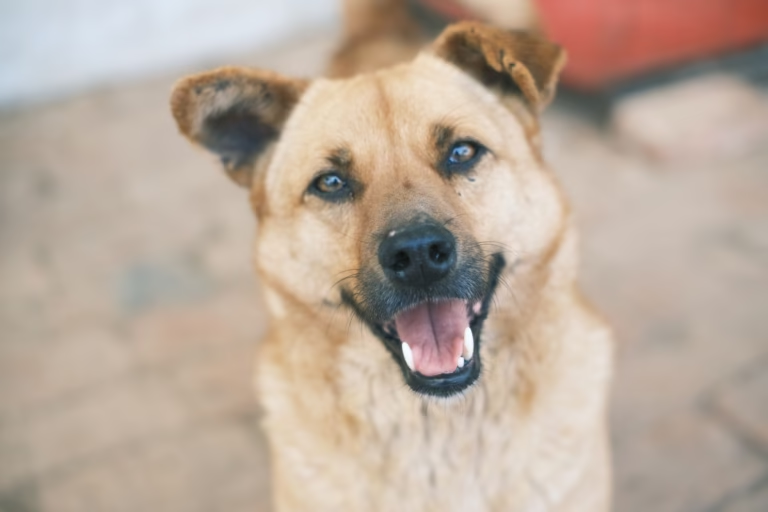












Yeast Dog Ear Infection Picture
Yeast ear infections in dogs cause itching, dark discharge and odor; caused by moisture, allergies or skin issues and need veterinary care.
By True Impact Health Editorial Team

Doctor of Veterinary Medicine (DVM) who reviews the pet and animal health articles on True Impact Health.
Reviewed this article on October 10, 2026.
View profile How we reviewUpdated on October 10, 2026 8 min read
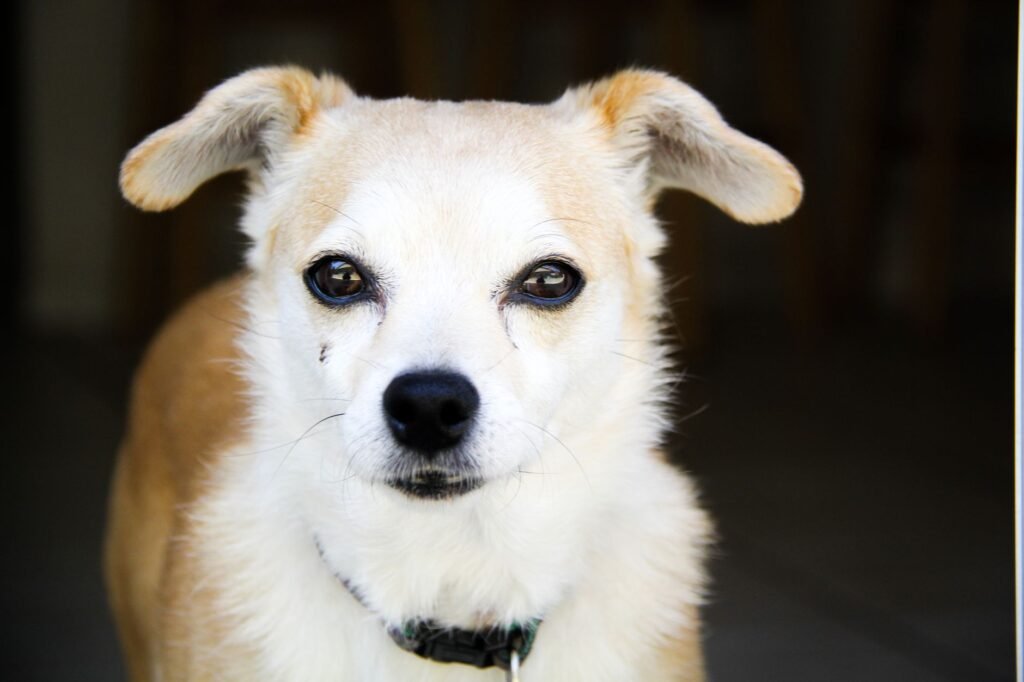
Table of Contents
Quick answer
- Common causes include allergies, compromised immunity, poor ear hygiene, trapped moisture, and frequent swimming or bathing.
- Signs include intense itching, head shaking, dark waxy discharge, redness, and behavioral changes.
- Diagnosis uses a veterinary exam and cytology of ear discharge to confirm yeast and rule out bacterial causes.
- Treatment involves antifungal medications, medicated ear cleaning, addressing allergies or skin issues, and sometimes dietary changes or probiotics.
- Prevent yeast by regular vet-approved ear cleaning, thoroughly drying after water exposure, a balanced diet, and routine veterinary check-ups.
Yeast ear infections in dogs are caused by an overgrowth of normal skin yeast, often Malassezia pachydermatis, triggered by allergies, moisture, or skin problems. They produce itching, a dark waxy discharge and a foul smell. Prompt veterinary diagnosis and treatment are needed to relieve discomfort and prevent complications.
Today we will be talking about yeast infections in dogs’ ears. Yeast infections, especially those caused by species like Candida and Malessezia, are quite common in dogs. These conditions arise when there is an overgrowth of yeast organisms, commonly due to factors such as allergies, warm climates, or underlying health issues. When yeast proliferates in the ear canal, it can lead to various symptoms including itching, inflammation, and even a foul odor. It’s essential for dog owners to be aware of these infections, as untreated ear problems can lead to more severe health complications for their furry companions. Proper care and timely intervention can help mitigate these issues significantly.
Understanding Yeast Infections in Dogs
Yeast infections in dogs are primarily due to the overgrowth of yeast organisms that inhabit their skin and ears. Malessezia pachydermatis is the primary yeast that typically resides on a healthy dog’s skin. However, various environmental and health factors can trigger an imbalance that allows yeast to proliferate. This overgrowth can cause inflammation, irritation, and discomfort for dogs. Common signs include excessive scratching, shaking of the head, and discharge from the ears. Providing an understanding of these infections is vital for dog owners to ensure they recognize the symptoms early and seek appropriate veterinary care.
Common Causes of Yeast Infections
Yeast infections can arise due to numerous factors that compromise the natural balance of yeast in a dog’s body. One of the primary causes is an allergic reaction to food or environmental allergens, which can lead to skin inflammation and a conducive environment for yeast growth. Additionally, if a dog has a compromised immune system, they may be more susceptible to yeast overgrowth. Warm and humid climates can also encourage yeast proliferation, as can poor ear hygiene or moisture getting trapped in the ear canal. Frequent swimming or bathing without proper drying can further exacerbate these issues.
Symptoms of Yeast Infections in Dogs
Identifying the symptoms of yeast infections in dogs is crucial for timely treatment. Common signs include itchiness in the ears, with dogs often shaking their heads or scratching at their ears. You may also notice a dark, waxy discharge with an unpleasant odor, which indicates a buildup of yeast. In some cases, the skin around the ears may become red and inflamed. Other symptoms can include behavioral changes, such as increased agitation or discomfort, as well as changes in appetite or lethargy due to the infection’s pain. Recognizing these symptoms early can lead to quicker veterinary visits and more effective treatments.
Diagnosing Yeast Infections
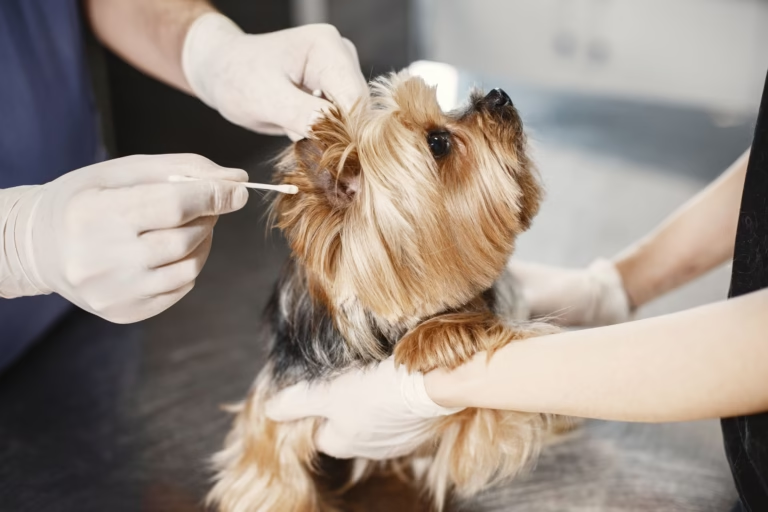
When diagnosing yeast infections in dogs, veterinarians will typically conduct a physical examination of your dog, focusing on the ears and skin. A specific test called a cytological examination can be performed, where a sample of the ear discharge is taken and evaluated under a microscope for the presence of yeast organisms. This process helps confirm the diagnosis and distinguish yeast infections from bacterial infections or other potential conditions that may cause similar symptoms. Accurate diagnosis is essential, as it guides treatment choices and ensures the most effective approach to restoring your dog’s health.
Treatment Options for Yeast Infections
Treatment for yeast infections in dogs usually involves antifungal medications, which can be administered in various forms such as topical solutions, oral medications, or ear drops. Your veterinarian may recommend cleaning the dog’s ears with a medicated cleanser to remove debris and excess wax, which creates a more favorable environment for healing. Additionally, addressing underlying issues like allergies or skin problems is crucial to prevent future yeast infections from occurring. In some cases, dietary adjustments or supplements, like probiotics, may be advised to enhance your dog’s immune system and restore the balance of flora in their system.
Preventing Yeast Infections
Preventing yeast infections in dogs involves maintaining good ear hygiene. Regular cleaning of the ears with veterinarian-approved products can help minimize the buildup of wax and debris that can foster yeast growth. It’s also essential to keep your dog’s ears dry, especially after baths or swimming. Additionally, being attentive to any changes in your dog’s skin condition or allergic reactions can help mitigate the risk of developing yeast infections. Maintaining a balanced diet and regular vet check-ups will further enhance your dog’s overall health and immunity against infections.
Impact of Allergies on Yeast Infections
Allergies are one of the leading precursors to yeast infections in dogs. When dogs suffer from allergies—whether related to food, environmental factors, or flea bites—their immune systems react by producing inflammation. This inflammation can disrupt the skin’s natural barriers, making it easier for yeast to multiply and lead to infections. Identifying and treating these allergies is essential for reducing the likelihood of recurrent yeast infections. Consultation with your veterinarian regarding allergy testing and treatment options can be beneficial for your dog’s long-term health.
Diet and Yeast Infections
The diet of your dog can significantly influence the likelihood of yeast infections. Foods high in carbohydrates can contribute to yeast overgrowth, as the yeast thrive on sugars. It’s vital to consult your vet to create a diet plan that supports your dog’s health without encouraging yeast proliferation. Incorporating high-quality proteins and reducing carbohydrate content can help combat yeast overgrowth. Additionally, including supplements such as omega-3 fatty acids or probiotics may improve skin health and enhance your dog’s immune response, making them less prone to infections.
When to Seek Veterinary Care
If you notice any signs of a yeast infection in your dog—such as persistent itching, unusual ear discharge, or changes in behavior—it is essential to seek veterinary care promptly. Delaying treatment can lead to worsening conditions and more complicated health issues. Your vet can provide the necessary diagnostic tests and recommend effective treatment options tailored to your dog’s specific needs. Early intervention will facilitate a faster recovery and minimize discomfort for your pet.
Conclusion
In conclusion, yeast infections in dog ears are a common yet manageable condition that can cause significant discomfort for our furry friends. Recognizing the symptoms early, understanding the causes, and implementing preventive measures are crucial for maintaining your dog’s ear health. Treatment typically involves antifungal medications and addressing underlying issues, such as allergies or dietary concerns. It is essential for dog owners to be proactive, ensuring regular veterinary visits and maintaining proper ear hygiene. By taking these necessary steps, you can help your dog lead a healthier, happier life and minimize future occurrences of yeast infections.
Frequently Asked Questions
1. How can I tell if my dog has a yeast infection in their ears?
Typical signs include itchy ears, excessive head shaking, a foul-smelling discharge, and redness or inflammation around the ear area. If you notice these symptoms, consider consulting your veterinarian for a proper diagnosis.
2. Are yeast infections in dogs contagious?
No, yeast infections are not contagious. They occur due to an overgrowth of yeast that is naturally present on the dog’s skin and ears.
3. Can diet affect yeast infections in dogs?
Yes, a diet high in carbohydrates can contribute to yeast overgrowth. Consult with your veterinarian to create a balanced diet that reduces the risk of yeast infections.
4. How often should I clean my dog’s ears?
Ear cleaning frequency can vary based on your dog’s ear health and breed. Typically, it is advisable to clean your dog’s ears every few weeks, but some dogs may require more frequent cleaning due to their anatomy or susceptibility to infections.
5. Can I treat my dog’s yeast infection at home?
While there are home remedies available, it is vital to consult your veterinarian for proper diagnosis and treatment options. They can recommend the safest and most effective treatments specifically tailored for your dog.
For more information, see the MedlinePlus.
When to see a vet
- Persistent foul odor or dark discharge from the ears
- Redness, swelling or pain in the ear canal
- Head shaking or ear scratching that doesn’t improve with cleaning
- Signs of hearing loss, balance problems or sudden collapse
If your pet collapses, struggles to breathe or is in severe pain, contact an emergency vet straight away.
Frequently asked questions
Can I treat a yeast ear infection at home?
Mild cases may improve with regular ear cleaning, but most infections require antifungal medication prescribed by a vet. Home care alone often fails to eliminate the underlying yeast overgrowth and can allow the problem to worsen.
How long does treatment usually take?
Treatment duration varies; topical antifungals often require daily application for 2‑4 weeks, while oral medications may be needed longer. Follow‑up exams ensure the infection has cleared.
Will my dog’s diet affect ear yeast infections?
High‑carbohydrate diets can promote yeast growth, but diet alone rarely causes ear infections. A balanced, low‑sugar diet and occasional probiotics may support skin health alongside veterinary treatment.
Can ear infections recur after treatment?
Yes, if underlying factors such as allergies, moisture, or skin disease aren’t addressed, yeast can return. Ongoing ear hygiene and managing predisposing conditions help reduce recurrence.
Sources and further reading
Was this page helpful?
Thanks for your feedback! What could we improve?
Thank you! Your feedback helps us improve our articles.
Veterinary reviewed by
Dr. Hannah Silvanus, DVMDoctor of Veterinary Medicine (DVM) who reviews the pet and animal health articles on True Impact Health.
True Impact Health articles are written by our editorial team and based on reliable sources such as public health agencies, clinical guidelines and peer-reviewed research. This article has been checked by a veterinarian on our review panel. Read our editorial process.
This content is for general information and is not a substitute for professional medical advice, diagnosis or treatment.