
















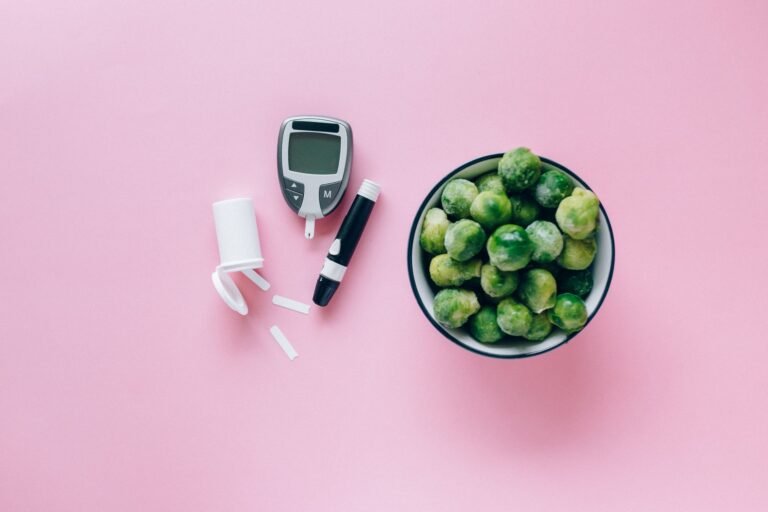





Fiber Rich Foods: Discover Their Health Benefits and Sources
Explore fiber rich foods and how they benefit your health, along with tips on incorporating them into your diet.
By True Impact Health Editorial Team

Physician with experience in patient care and preventive medicine, focused on early detection, disease prevention and long-term wellness.
Reviewed this article on November 7, 2026.
View profile How we reviewUpdated on November 6, 2026 11 min read

Table of Contents
Key Takeaways
- Fiber aids digestion and promotes gut health.
- It can help manage weight and control blood sugar levels.
- Great sources of fiber include fruits, vegetables, and whole grains.
- Incorporating fiber rich foods can improve overall health.
Fiber rich foods are an essential part of a healthy diet, offering a multitude of benefits for digestion and overall wellness. Fiber, a type of carbohydrate that the body cannot digest, plays a crucial role in maintaining digestive health, regulating blood sugar levels, and even supporting heart health. In this article, we will explore the various types of fiber, the health benefits associated with fiber rich foods, and practical tips on how to incorporate them into your diet.
Many people struggle to consume enough fiber on a daily basis, often falling short of the recommended intake. Understanding which foods are high in fiber can help you make better dietary choices. Whether you are looking to improve your gut health, manage your weight, or simply lead a healthier lifestyle, fiber rich foods are a key component.
This guide will provide you with comprehensive information about fiber, including its different types, sources, and ways to add it to your meals. Let’s dive into the world of fiber and discover how you can benefit from it.
What is Fiber?
Fiber is a type of carbohydrate that the body cannot digest. It passes through the digestive system relatively intact, providing bulk to stool and helping to keep the digestive tract healthy. There are two main types of fiber: soluble and insoluble.
Types of Fiber
Soluble Fiber: This type of fiber dissolves in water, forming a gel-like substance in the gut. It can help lower blood cholesterol and glucose levels. Foods rich in soluble fiber include oats, beans, lentils, apples, and citrus fruits.
Insoluble Fiber: This fiber does not dissolve in water and adds bulk to the stool, helping food pass more quickly through the stomach and intestines. It is found in whole grains, nuts, seeds, and the skins of fruits and vegetables.
Health Benefits of Fiber
- Supports Digestive Health: Fiber helps regulate bowel movements and prevent constipation.
- Controls Blood Sugar Levels: Soluble fiber slows down the absorption of sugar, helping to control blood sugar levels.
- Aids in Weight Management: High-fiber foods are often more filling, helping to reduce appetite and calorie intake.
- Reduces Risk of Chronic Diseases: A diet rich in fiber has been associated with a lower risk of heart disease, stroke, and certain types of cancer.
Top Fiber Rich Foods
Incorporating a variety of fiber rich foods into your diet is essential for achieving the recommended daily intake of fiber. Here are some of the best sources of dietary fiber:
Fruits
- Raspberries: One cup contains about 8 grams of fiber.
- Pears: A medium pear provides around 5-6 grams of fiber.
- Apples: One medium apple has about 4 grams of fiber, especially if you eat the skin.
Vegetables
- Broccoli: One cup cooked offers about 5 grams of fiber.
- Brussels Sprouts: One cup cooked provides around 4 grams of fiber.
- Carrots: One cup raw has about 3.5 grams of fiber.
Whole Grains
Whole grains are a great source of fiber, as they contain the entire grain kernel.
- Quinoa: One cup cooked quinoa has about 5 grams of fiber.
- Brown Rice: One cup cooked has approximately 3.5 grams of fiber.
- Oats: A cup of cooked oatmeal provides around 4 grams of fiber.
Legumes
Legumes are among the richest sources of fiber. Here are some examples:
- Chickpeas: One cup cooked contains about 12 grams of fiber.
- Lentils: One cup cooked offers around 15 grams of fiber.
- Black Beans: One cup cooked has approximately 15 grams of fiber.

How to Increase Fiber Intake
Increasing your fiber intake can be simple and delicious. Here are some practical tips to help you add more fiber rich foods to your diet:
Start Slow
If you’re not used to eating a lot of fiber, it’s important to increase your intake gradually. Sudden increases can lead to gas, bloating, and discomfort. Aim to add one or two high-fiber foods to your meals each day.
Incorporate Whole Grains
Instead of refined grains, choose whole grain options. For example, opt for whole grain bread, brown rice, and whole wheat pasta. These choices provide more fiber and nutrients than their white counterparts.
Snack Smart
Choose fiber-rich snacks to help meet your daily intake. Some great options include raw vegetables with hummus, a piece of fruit, or a handful of nuts. These snacks are not only healthy but also satisfying.
Plan Your Meals
When planning meals, think about how you can include fiber rich ingredients. For instance, add beans to salads, include vegetables in your stir-fries, or top your yogurt with fruits and nuts.
Potential Challenges with Fiber
While fiber has numerous health benefits, some people may experience challenges when increasing their fiber intake.
Digestive Discomfort
Some individuals may experience gas, bloating, or cramping when they consume more fiber. This is often temporary as your body adjusts. Drinking plenty of water can help alleviate these symptoms.
Balancing Fiber and Nutrients
It’s important to remember that not all foods rich in fiber are low in calories. Be mindful of portion sizes and balance your fiber intake with other essential nutrients to maintain a healthy diet.
Medical Considerations
If you have specific health conditions, such as irritable bowel syndrome (IBS) or other gastrointestinal disorders, consult with a healthcare professional before making significant changes to your fiber intake. They can provide personalized guidance based on your needs.
Understanding the Different Types of Dietary Fiber
Soluble Fiber
Soluble fiber dissolves in water to form a gel-like substance. This type of fiber is found in foods such as oats, barley, nuts, seeds, beans, lentils, peas, and some fruits and vegetables. Soluble fiber is particularly beneficial for heart health as it can help lower blood cholesterol levels and regulate blood sugar levels. This occurs because soluble fiber slows digestion, which allows for a more gradual release of glucose into the bloodstream.
Some key benefits of soluble fiber include:
- Lowering LDL cholesterol levels
- Regulating blood sugar levels
- Improving gut health by promoting the growth of beneficial bacteria
Insoluble Fiber
Insoluble fiber does not dissolve in water and adds bulk to the stool, which helps food pass more quickly through the stomach and intestines. This type of fiber is primarily found in whole grains, wheat bran, nuts, beans, and vegetables such as cauliflower, green beans, and potatoes. Insoluble fiber is essential for maintaining digestive health and preventing constipation.
Benefits of insoluble fiber include:
- Preventing constipation by promoting regular bowel movements
- Reducing the risk of developing diverticulitis
- Supporting weight management by increasing satiety

The Role of Fiber in Weight Management
Feeling Fuller for Longer
One of the main benefits of fiber is its ability to promote satiety, which can help with weight management. High-fiber foods tend to require more chewing and take longer to eat, which can lead to a natural reduction in calorie intake. Additionally, because fiber slows the absorption of nutrients, it can help maintain steady energy levels and prevent spikes in hunger.
Foods that are high in fiber include:
- Fruits such as apples, bananas, and berries
- Vegetables like broccoli, carrots, and Brussels sprouts
- Whole grains including quinoa, brown rice, and barley
- Legumes such as lentils, chickpeas, and black beans
Fiber and Metabolism
Research suggests that a higher intake of dietary fiber may be linked to a more favorable metabolic profile. Fiber can impact the body’s metabolism by influencing hormone levels and improving insulin sensitivity. This is significant for individuals trying to lose weight or maintain a healthy weight. By reducing insulin spikes, fiber helps maintain energy levels and encourages the body to burn fat more effectively.
Moreover, the fermentation of soluble fiber in the gut produces short-chain fatty acids, which have been associated with enhanced metabolic health. These compounds may also promote the health of the gut lining and reduce inflammation.
Fiber and Gut Health: The Gut Microbiome Connection
The Importance of a Healthy Gut Microbiome
The gut microbiome consists of trillions of microorganisms that play an essential role in our overall health. A diverse and balanced gut microbiome is associated with improved digestive health, better immune function, and even mental well-being. A diet rich in fiber can significantly influence the composition of gut bacteria, promoting the growth of beneficial strains while inhibiting harmful ones.
High-fiber foods can serve as prebiotics, which are non-digestible food components that support the growth of healthy gut bacteria. The fermentation of fiber by gut bacteria results in the production of beneficial short-chain fatty acids that nourish the cells lining the gut and reduce inflammation.
How to Support Gut Health with Fiber
To promote a healthy gut microbiome, consider incorporating a variety of fiber-rich foods into your diet. Aim for a range of both soluble and insoluble fibers, as this diversity can help optimize gut health. Here are some fiber-rich foods to include:
- Whole grains like oats, barley, and whole-wheat bread
- Legumes such as lentils, beans, and peas
- A variety of fruits including apples, pears, and berries
- Vegetables like artichokes, broccoli, and carrots
Additionally, hydration is essential when increasing fiber intake, as it helps fiber do its job effectively and prevents digestive discomfort.
Fiber and Heart Health
The Role of Soluble Fiber
Soluble fiber plays a crucial role in heart health by helping to lower cholesterol levels. Foods rich in soluble fiber, such as oats, beans, and citrus fruits, can bind with cholesterol in the digestive system, preventing its absorption into the bloodstream. This process not only helps reduce LDL cholesterol, often referred to as ‘bad’ cholesterol, but also contributes to overall cardiovascular health.
Studies have shown that a diet high in soluble fiber can lead to significant reductions in total cholesterol levels. For instance, incorporating just 5 to 10 grams of soluble fiber per day can lower LDL cholesterol by up to 5%. This reduction is beneficial for individuals at risk of heart disease and can be a simple yet effective dietary change.
Fiber’s Impact on Blood Pressure
In addition to cholesterol management, fiber may also play a role in regulating blood pressure. Research suggests that dietary fiber can improve heart health by positively influencing blood pressure levels. A high-fiber diet is often rich in fruits, vegetables, whole grains, and legumes, which are also packed with potassium and magnesium, two minerals known to support healthy blood pressure.
- Fruits like bananas, oranges, and kiwi
- Vegetables such as spinach, sweet potatoes, and carrots
- Whole grains including quinoa, brown rice, and barley
These potassium-rich foods, combined with their fiber content, can help combat hypertension, making fiber an essential component of a heart-healthy diet.

Fiber and Diabetes Management
How Fiber Affects Blood Sugar Levels
Incorporating fiber into the diet can be particularly beneficial for individuals managing diabetes. Dietary fiber, especially soluble fiber, can slow the absorption of sugar into the bloodstream. This gradual absorption helps prevent spikes in blood sugar levels, which is crucial for diabetes management.
High-fiber foods can improve glycemic control and insulin sensitivity. For those with type 2 diabetes, incorporating fiber-rich foods can lead to better blood sugar management and reduced reliance on medication. It is recommended to aim for at least 25 to 30 grams of fiber per day to achieve these benefits.
Types of Fiber Beneficial for Diabetics
While both soluble and insoluble fibers have health benefits, soluble fiber is especially useful for diabetics. Foods high in soluble fiber include:
- Legumes (beans, lentils, chickpeas)
- Oats and barley
- Fruits (apples, pears, berries)
These foods not only help in regulating blood sugar but also provide other essential nutrients, making them a vital part of a balanced diet for individuals with diabetes.
Fiber’s Role in Digestive Disorders
Managing Constipation and Diarrhea
Fiber is well-known for its ability to alleviate constipation, as it adds bulk to the stool and promotes regular bowel movements. Insoluble fiber, found in whole grains, nuts, and vegetables, is particularly effective in this regard. It helps to speed up the passage of food through the digestive tract, preventing constipation and discomfort.
Conversely, fiber can also be beneficial for those experiencing diarrhea. Soluble fiber can absorb excess water in the intestines, helping to solidify stool. Foods such as bananas, applesauce, and oatmeal are high in soluble fiber and can be particularly soothing during bouts of diarrhea.
Fiber and Irritable Bowel Syndrome (IBS)
Individuals with Irritable Bowel Syndrome (IBS) often find dietary fiber to be a double-edged sword. While fiber is essential for digestive health, certain types can exacerbate symptoms in some individuals. It is crucial for those with IBS to identify which fibers work best for them. Low-FODMAP fibers, such as those found in oats and quinoa, may be better tolerated.
- Oats
- Quinoa
- Chia seeds
Consulting with a healthcare provider or dietitian can help tailor a fiber-rich diet that accommodates individual digestive issues while maximizing health benefits.
Frequently Asked Questions
What are the best sources of fiber?
The best sources of fiber include fruits, vegetables, whole grains, legumes, nuts, and seeds. Incorporating a variety of these foods can help you meet your fiber needs.
How much fiber do I need daily?
Generally, women need about 25 grams of fiber per day, while men require around 38 grams. This can vary based on age and individual health needs.
Can too much fiber be harmful?
While fiber is beneficial, consuming excessive amounts can lead to digestive issues like gas and bloating. It’s best to increase fiber intake gradually and ensure adequate hydration.
Is fiber good for weight loss?
Yes, fiber can aid in weight loss by promoting feelings of fullness and reducing overall calorie intake. High-fiber foods are often lower in calories compared to processed foods.
The Bottom Line
Fiber rich foods are incredibly beneficial for your health, promoting digestive health, weight management, and reducing the risk of chronic diseases. By including a variety of fruits, vegetables, whole grains, and legumes in your diet, you can easily boost your fiber intake. Remember to increase your fiber gradually and drink plenty of water to support your digestive system. For more information on nutrition and health, visit MedlinePlus.
Was this page helpful?
Thanks for your feedback! What could we improve?
Thank you! Your feedback helps us improve our articles.
Medically reviewed by
Dr. Bernard ReynoldsPhysician with experience in patient care and preventive medicine, focused on early detection, disease prevention and long-term wellness.
True Impact Health articles are written by our editorial team and based on reliable sources such as public health agencies, clinical guidelines and peer-reviewed research. This article has been checked by a doctor on our review panel. Read our editorial process.
This content is for general information and is not a substitute for professional medical advice, diagnosis or treatment.