

















Diet for Kidney Disease: Essential Foods and Guidelines
Explore effective dietary strategies and essential foods for managing kidney disease in this comprehensive guide on diet for kidney disease.
By True Impact Health Editorial Team

Medical doctor and clinical researcher focused on preventive medicine, chronic disease and clear, evidence-based health communication.
Reviewed this article on November 11, 2026.
View profile How we reviewUpdated on November 11, 2026 12 min read

Table of Contents
Key Takeaways
- Understanding kidney disease and its dietary needs.
- Essential foods to include for kidney health.
- Foods to avoid to protect kidney function.
- Practical tips for meal planning and preparation.
Understanding Kidney Disease and Nutrition
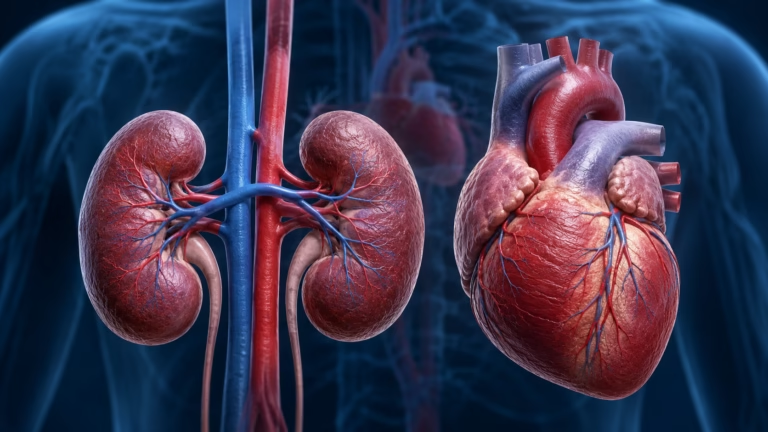
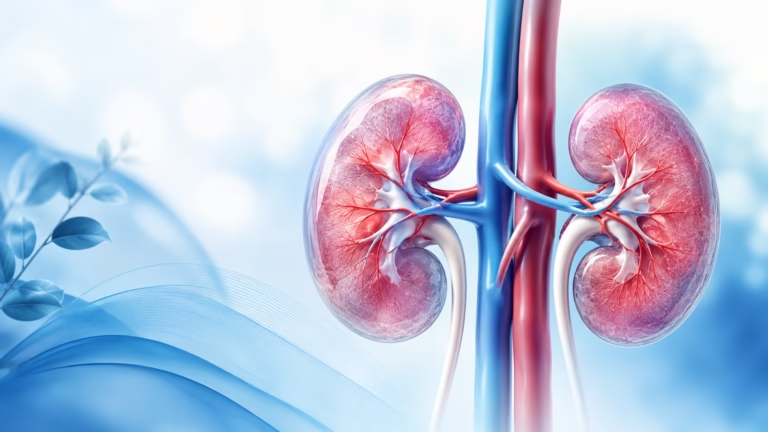
Kidney disease affects millions of people worldwide, and dietary choices play a crucial role in managing this condition. The kidneys filter waste from the blood, regulate electrolyte balance, and maintain fluid levels. When kidney function declines, these processes can become impaired. As a result, a specific diet can help alleviate stress on the kidneys and promote overall health.
Managing kidney disease through diet involves understanding the condition’s stages and how nutritional needs change accordingly. For instance, patients in the early stages may have different dietary restrictions than those in advanced stages. It is essential to work closely with healthcare providers and registered dietitians to tailor dietary plans suited to individual needs.
In this article, we will explore the best foods to include in a kidney-friendly diet, what to avoid, and practical tips for meal planning. By making informed dietary choices, individuals with kidney disease can improve their quality of life and potentially slow the progression of their condition.
Essential Foods for Kidney Health
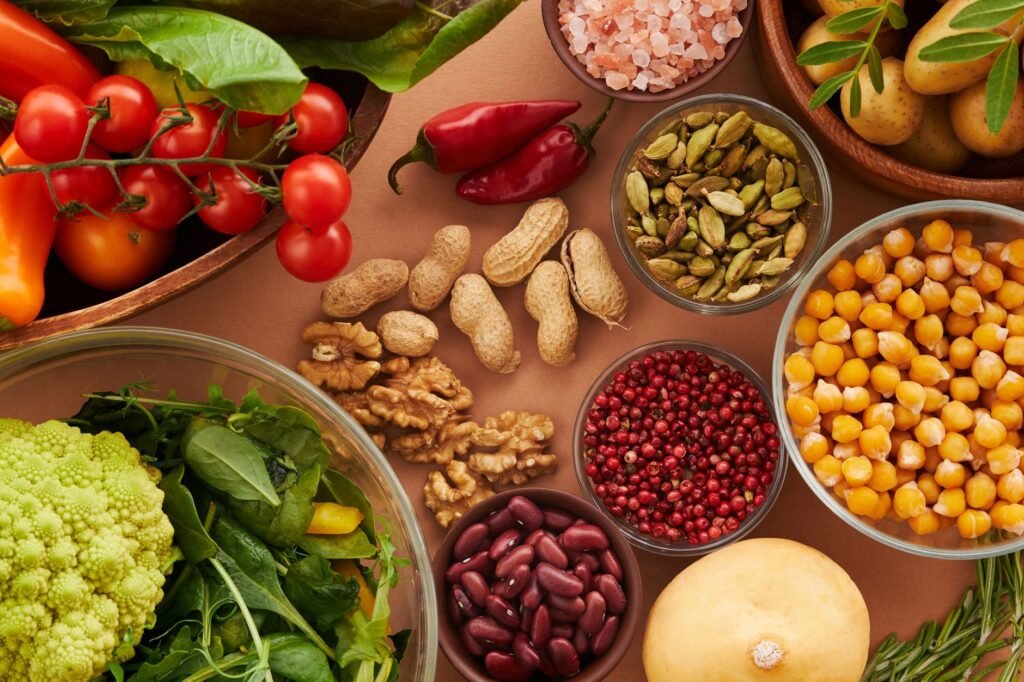
When it comes to a diet for kidney disease, certain foods can help support kidney function while providing necessary nutrients. Here are some essential foods to consider:
1. Fresh Fruits and Vegetables
- Apples: Low in potassium, apples are a great snack option and can help reduce cholesterol levels.
- Cauliflower: This vegetable is rich in vitamin C, fiber, and has anti-inflammatory properties, making it beneficial for kidneys.
- Blueberries: Packed with antioxidants, blueberries can help reduce inflammation and protect against cell damage.
Incorporating a variety of fruits and vegetables can ensure you receive a broad spectrum of vitamins and minerals necessary for overall health. Aim for organic produce when possible to avoid exposure to pesticides.
2. Whole Grains
Whole grains provide essential nutrients, including fiber, which is important for digestive health. Consider these options:
- Quinoa: A complete protein source, quinoa is gluten-free and versatile for various dishes.
- Brown rice: This whole grain is a good source of magnesium and can help regulate blood sugar levels.
- Oats: Rich in soluble fiber, oats can help lower cholesterol and improve heart health.
Choose whole grains over refined grains to maximize nutrient intake and support kidney health.
3. Lean Proteins
Protein is vital, but those with kidney disease may need to limit their intake. Opt for high-quality, lean protein sources:
- Skinless poultry: Chicken and turkey provide essential proteins without excess fat.
- Fish: Fatty fish like salmon and mackerel are rich in omega-3 fatty acids, which can help reduce inflammation.
- Eggs: A rich source of protein, eggs can be included in moderation, providing essential amino acids.
It’s crucial to balance protein intake, especially as kidney function declines, so consult with a healthcare professional to determine the right amount.
Foods to Avoid for Kidney Health
While some foods are beneficial, others can be harmful to kidney health. Here are key foods to limit or avoid:
1. High-Potassium Foods
Excess potassium can lead to serious heart problems in individuals with kidney disease. Foods high in potassium include:
- Bananas
- Oranges
- Potatoes
- Spinach
Monitoring potassium intake is essential, especially in advanced stages of kidney disease.
2. High-Phosphorus Foods
Phosphorus is another mineral that can accumulate in the blood when kidneys are not functioning properly. Limit these foods:
- Processed meats
- Nuts and seeds
- Whole grains
High-phosphorus levels can lead to bone problems, hence it is essential to be aware of phosphorus-rich foods.
3. Sodium-Rich Foods
Reducing sodium intake can help manage blood pressure and fluid retention. Common high-sodium foods include:
- Canned soups
- Processed snacks
- Fast food
Opting for fresh ingredients and cooking at home can significantly decrease sodium consumption.
Meal Planning for Kidney Disease
Creating a kidney-friendly meal plan can seem daunting, but with some practical tips, it can be manageable:
1. Understand Portion Sizes
Portion control is crucial in managing nutrient intake. Using measuring cups or a food scale can help ensure appropriate servings, especially for proteins and carbohydrates.
2. Plan Balanced Meals
A balanced meal should include a variety of food groups. A sample plate might consist of:
- 1/4 of the plate filled with lean protein
- 1/2 of the plate filled with vegetables
- 1/4 of the plate filled with whole grains
This balance helps ensure you are getting the necessary nutrients while keeping portion sizes in check.
3. Prepare Meals in Advance
Meal prepping can save time and reduce the temptation to resort to unhealthy options. Consider preparing meals for the week on weekends, storing them in portioned containers for easy access.

Real-Life Example of Meal Planning
To illustrate, consider Sarah, a 52-year-old woman diagnosed with stage 2 chronic kidney disease. After consulting with her dietitian, she made the following changes to her diet:
- Each day, she included a variety of fruits and vegetables, focusing on apples, blueberries, and cauliflower.
- She swapped out white rice for quinoa and increased her intake of skinless chicken and fish.
- Sarah monitored her potassium and phosphorus intake, avoiding high-potassium foods like bananas and potatoes.
By planning her meals and preparing them in advance, Sarah successfully managed her kidney disease while enjoying a diverse and nutritious diet.
Understanding the Role of Hydration in Kidney Health
Importance of Water Intake
Hydration plays a crucial role in maintaining kidney function. The kidneys are responsible for filtering waste from the blood, and adequate water intake helps them perform this function efficiently. When dehydrated, the kidneys have to work harder, which can lead to further complications in individuals with kidney disease. Drinking enough water can help dilute the concentration of waste products in the urine, thereby reducing the risk of kidney stones and urinary tract infections.
It is essential to monitor your fluid intake, especially if you are on a restricted diet. An individualized approach based on your specific health needs is necessary. The general recommendation for water intake varies, but a good starting point is to drink at least 8 cups of water daily, increasing or decreasing based on your doctor’s advice.
Signs of Dehydration
Recognizing the signs of dehydration is vital for individuals with kidney disease. Symptoms may include:
- Dry mouth
- Fatigue
- Dark yellow urine
- Dizziness or lightheadedness
- Decreased urine output
If you experience any of these symptoms, it is essential to increase your fluid intake. However, some individuals may need to limit their fluid consumption, particularly those with advanced kidney disease. Always consult with your healthcare provider to determine the appropriate amount of fluids for your specific condition.
Best Hydration Practices
To maintain optimal hydration for kidney health, consider the following best practices:
- Set reminders to drink water throughout the day.
- Consume hydrating foods such as cucumbers, watermelon, and oranges.
- Avoid excessive caffeine and alcohol, as they can contribute to dehydration.
- Track your fluid intake to ensure you are meeting your hydration goals.
Implementing these strategies can help ensure that your kidneys remain healthy and function optimally.

Understanding the Impact of Sodium on Kidney Health
The Role of Sodium in Diet
Sodium is an essential mineral that plays a vital role in maintaining fluid balance, nerve function, and muscle contraction. However, excessive sodium intake can have detrimental effects, especially for individuals with kidney disease. The kidneys are responsible for filtering sodium from the blood, and when their function is compromised, high sodium levels can lead to fluid retention, high blood pressure, and increased strain on the kidneys.
For those with kidney disease, it is generally recommended to limit sodium intake to less than 2,300 mg per day, and in some cases, even lower based on medical advice. Reducing sodium can help manage blood pressure and decrease the risk of further kidney damage.
Sources of Sodium in the Diet
Sodium can be found in a variety of foods, often in higher concentrations than one might expect. Here are common sources of sodium:
- Processed foods (e.g., canned soups, frozen meals)
- Snack foods (e.g., chips, pretzels)
- Condiments (e.g., soy sauce, ketchup)
- Pickled foods
- Restaurant meals and fast food
Being aware of these sources can help individuals with kidney disease make informed dietary choices and avoid high-sodium options.
Tips for Reducing Sodium Intake
Here are several practical tips to help reduce sodium intake in your diet:
- Read nutrition labels to check for sodium content.
- Choose fresh or frozen fruits and vegetables over canned versions.
- Use herbs, spices, and lemon juice for flavor instead of salt.
- Opt for low-sodium or no-salt-added versions of products.
- Prepare meals at home to control the ingredients used.
By incorporating these strategies, individuals can effectively manage their sodium intake, promoting better kidney health.
Nutritional Supplements and Kidney Health
When Supplements are Necessary
For individuals with kidney disease, obtaining adequate nutrition can sometimes be challenging due to dietary restrictions and changes in appetite. In these cases, nutritional supplements may be necessary to ensure an adequate intake of essential vitamins and minerals. Supplements can help bridge the gap for nutrients that may be lacking in the diet due to restrictions on certain food groups.
Common supplements for individuals with kidney disease may include protein powders, vitamin D, iron, and omega-3 fatty acids. However, it’s crucial to consult with a healthcare provider before starting any supplementation, as some vitamins and minerals can accumulate to toxic levels in individuals with kidney impairment.
Types of Nutritional Supplements
Common types of nutritional supplements that may benefit individuals with kidney disease include:
- Protein supplements: Useful for those needing additional protein without excessive phosphorus.
- Vitamin D: Important for bone health, especially if kidney function is impaired.
- Iron supplements: May be required for those experiencing anemia related to kidney disease.
- Omega-3 fatty acids: May help reduce inflammation and support cardiovascular health.
Each of these supplements serves a unique purpose and should be considered based on individual health needs.
Potential Risks of Supplements
While supplements can be beneficial, there are potential risks associated with unsupervised use. Some important considerations include:
- Excessive intake of certain vitamins and minerals can lead to toxicity.
- Some supplements may interact with medications.
- Over-reliance on supplements may lead to neglect of a balanced diet.
To mitigate these risks, it is essential to work closely with a healthcare provider or a registered dietitian to create a tailored supplement plan that complements dietary needs without compromising kidney function.

Understanding the Role of Potassium in Kidney Health
Potassium and Its Function in the Body
Potassium is an essential mineral that plays a critical role in various bodily functions, including nerve transmission, muscle contraction, and maintaining fluid balance. In healthy individuals, potassium levels are regulated effectively by the kidneys, which filter excess amounts from the bloodstream. However, for those with kidney disease, maintaining appropriate potassium levels becomes crucial, as impaired kidney function can lead to hyperkalemia, a condition characterized by elevated potassium levels that can be life-threatening.
Foods High in Potassium to Limit
Individuals with kidney disease may need to limit their intake of high-potassium foods. Some common foods that are high in potassium include:
- Bananas
- Oranges and orange juice
- Potatoes (especially with skins)
- Spinach and Swiss chard
- Avocados
It’s essential to be aware of these foods and consult a healthcare provider for personalized dietary recommendations based on potassium levels.
Lower-Potassium Alternatives
While limiting potassium intake is vital, it is also important to ensure adequate nutrition. There are several lower-potassium alternatives that can be incorporated into the diet:
- Apples and pears
- Berries (such as strawberries and blueberries)
- White rice and pasta
- Green beans and cauliflower
- Cabbage and lettuce
These foods can provide essential nutrients while helping to manage potassium levels effectively.
Understanding Phosphorus and Its Impact on Kidney Disease
Phosphorus and Bone Health
Phosphorus plays a crucial role in bone health by working alongside calcium. However, when kidney function declines, phosphorus is not adequately excreted, leading to an accumulation in the blood. High phosphorus levels can cause bone disease and cardiovascular issues. Therefore, managing phosphorus intake is essential for individuals with kidney disease.
High-Phosphorus Foods to Avoid
Patients with kidney disease should be aware of the following high-phosphorus foods that may need to be limited:
- Processed foods (often contain phosphate additives)
- Cheese and dairy products
- Meat and poultry
- Fish and seafood
- Nuts and seeds
Lower-Phosphorus Options
Incorporating lower-phosphorus foods into the diet can help maintain better health. Some alternatives include:
- Fruits and vegetables (fresh, frozen, or canned without sauce)
- Rice milk or almond milk (check labels for additives)
- White bread and pasta
- Eggs (in moderation)
- Lean cuts of meat in smaller portions

The Importance of Protein Quality in Kidney Disease
Protein Needs for Kidney Patients
Protein is crucial for maintaining muscle mass and overall health, but individuals with kidney disease may need to adjust their protein intake based on their stage of disease and treatment modality. While protein is necessary, it is important to prioritize high-quality protein sources that are easier for the kidneys to process.
High-Quality Protein Sources
Opting for high-quality proteins can help meet nutritional needs without overburdening the kidneys. Some excellent sources include:
- Lean meats (such as chicken and turkey)
- Fish (like salmon and tuna)
- Eggs
- Low-fat dairy products (in moderation)
Avoiding Low-Quality Protein
Low-quality protein sources, such as processed meats and high-fat meats, should be limited due to their potential negative effects on kidney health. These foods can contribute to higher levels of urea and other waste products in the blood. Instead, focusing on balanced meals that include a variety of nutrients is essential for optimal kidney health.
For more information, see NIH.
Frequently Asked Questions
What is the best diet for kidney disease?
The best diet for kidney disease typically includes low-sodium, low-potassium, and low-phosphorus foods, with a focus on fresh fruits, vegetables, whole grains, and lean proteins.
Can I eat dairy products if I have kidney disease?
It depends on the stage of your kidney disease. Low-fat dairy products can be included in moderation, but high-phosphorus dairy should be limited.
How much protein can I have on a kidney diet?
Protein intake should be personalized based on the stage of kidney disease and individual health needs. It’s essential to consult a healthcare provider for specific recommendations.
Are there any supplements I should take?
Before starting any supplements, consult a healthcare professional. Some individuals may benefit from vitamins or minerals, but others may need to avoid them based on their condition.
The Bottom Line
Managing kidney disease through diet involves understanding what foods to include and what to avoid. By focusing on fresh fruits, vegetables, whole grains, and lean proteins while limiting high-potassium, high-phosphorus, and high-sodium foods, individuals can take proactive steps toward better kidney health. Always consult with a healthcare professional or registered dietitian to create a personalized plan that meets your specific needs.
Was this page helpful?
Thanks for your feedback! What could we improve?
Thank you! Your feedback helps us improve our articles.
Medically reviewed by
Dr. Daniel HarringtonMedical doctor and clinical researcher focused on preventive medicine, chronic disease and clear, evidence-based health communication.
True Impact Health articles are written by our editorial team and based on reliable sources such as public health agencies, clinical guidelines and peer-reviewed research. This article has been checked by a doctor on our review panel. Read our editorial process.
This content is for general information and is not a substitute for professional medical advice, diagnosis or treatment.