



















Chlamydia Symptoms: Recognizing Signs for Early Treatment
Learn to identify chlamydia symptoms for early detection and treatment, ensuring better health outcomes and reducing complications.
By True Impact Health Editorial Team

Physician with experience in patient care and preventive medicine, focused on early detection, disease prevention and long-term wellness.
Reviewed this article on November 11, 2026.
View profile How we reviewUpdated on November 8, 2026 11 min read

Table of Contents
Key Takeaways
- Chlamydia often presents no symptoms initially.
- Early detection is crucial for effective treatment.
- Symptoms can vary between genders.
- Regular screenings are recommended for sexually active individuals.
Understanding Chlamydia
Chlamydia is a common sexually transmitted infection (STI) caused by the bacterium Chlamydia trachomatis. It is often referred to as a silent infection because many people do not show symptoms. This makes awareness and knowledge about chlamydia symptoms crucial for early detection and treatment. Without treatment, chlamydia can lead to serious health issues, including infertility and pelvic inflammatory disease.
This guide will explore the symptoms associated with chlamydia, how they differ between genders, the potential complications if left untreated, and the importance of regular testing.
Recognizing chlamydia symptoms early can significantly impact your health and wellbeing. Let’s delve into the specific signs to watch for.
Common Symptoms of Chlamydia
Chlamydia symptoms can vary widely among individuals. Some may experience noticeable signs, while others might not show any symptoms at all. Here are the most common symptoms associated with chlamydia:
- Discharge: One of the most common symptoms of chlamydia is abnormal genital discharge. In women, this might be a change in the consistency or color of vaginal discharge, while men might notice a discharge from the penis.
- Burning Sensation: A burning sensation during urination is another frequent symptom. This discomfort can be mild to severe and often prompts individuals to seek medical attention.
- Pain During Intercourse: Women may experience pain during sexual intercourse, which can be distressing and may lead to avoidance of sexual activity.
- Lower Abdominal Pain: Both men and women can experience abdominal pain, which may indicate a more serious complication if left untreated.

Symptoms in Women
Women are often more severely affected by the long-term complications of chlamydia. The symptoms can manifest differently compared to men:
- Irregular Bleeding: Women may experience bleeding between menstrual periods or after sexual intercourse.
- Vaginal Odor: An unusual odor accompanying vaginal discharge can also be a sign of a chlamydia infection.
- Painful Periods: Increased pain during menstruation can occur in women with untreated chlamydia.
It’s important to note that many women may not exhibit noticeable symptoms until the infection has progressed. For instance, Sarah, a 28-year-old woman, initially dismissed her irregular bleeding as part of her menstrual cycle. However, after experiencing lower abdominal pain, she sought medical advice and was diagnosed with chlamydia.
Symptoms in Men
Men may also experience symptoms unique to their physiology:
- Testicular Pain: Some men report pain or swelling in one or both testicles, which can be a symptom of chlamydia.
- Penile Discharge: A clear or cloudy discharge from the penis is a common symptom that prompts many men to seek treatment.
- Urinary Issues: Men might experience frequent urination or a burning sensation while urinating, similar to women.
John, a 30-year-old man, noticed a burning sensation while urinating and a discharge from his penis. After consulting his healthcare provider, he learned that these were symptoms of chlamydia. Early treatment helped him avoid further complications.

Asymptomatic Chlamydia
A significant issue with chlamydia is that many individuals do not show any symptoms at all. This asymptomatic nature can lead to the infection spreading unknowingly. It is estimated that approximately 70-90% of women and about 50% of men with chlamydia do not experience symptoms.
This lack of symptoms can result in untreated infections, leading to severe health complications. For women, untreated chlamydia can cause pelvic inflammatory disease (PID), which can result in infertility. Men may develop epididymitis, an inflammation of the tube that carries sperm, which can also lead to infertility.
Possible Complications from Untreated Chlamydia
If chlamydia is not treated promptly, it can lead to several complications:
- Pelvic Inflammatory Disease (PID): In women, this can result in chronic pain, infertility, and complications in future pregnancies.
- Infertility: Both men and women can suffer long-term infertility due to untreated chlamydia.
- Increased Risk of HIV: Individuals with untreated chlamydia are at a higher risk of contracting HIV.
Understanding these complications emphasizes the importance of recognizing symptoms and seeking treatment.
Testing and Diagnosis
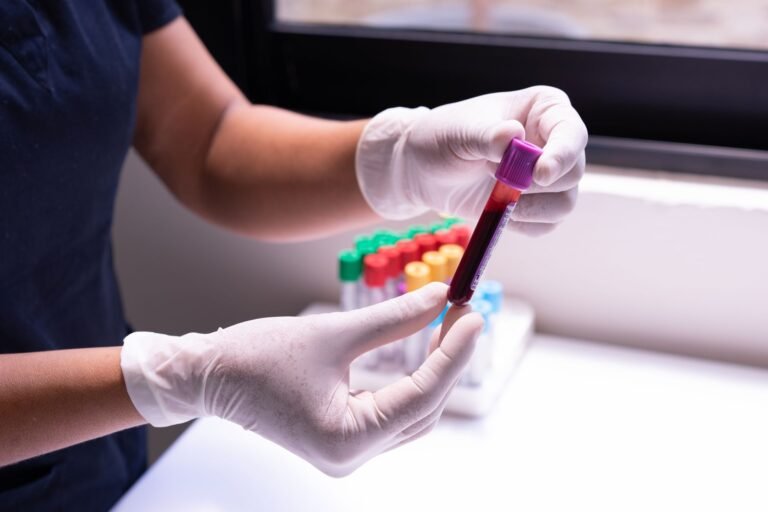
Testing for chlamydia typically involves a urine sample or a swab from the infected area. It is essential to get tested if you suspect exposure to the infection or if you are sexually active, especially with multiple partners.
Regular screenings are recommended for sexually active individuals, particularly for those under 25 years old and those with new or multiple sexual partners. The Centers for Disease Control and Prevention (CDC) advises annual testing for high-risk populations.
Getting tested can be a straightforward process, often conducted during routine health check-ups. Many healthcare providers offer discreet and confidential testing options.
 sexual health issues with a doctor" width="800" height="571" srcset="https://trueimpacthealth.com/wp-content/uploads/2026/11/men-discussing-sexual-health-issues-with-a-doctor-5915433-1024x731.jpg 1024w, https://trueimpacthealth.com/wp-content/uploads/2026/11/men-discussing-sexual-health-issues-with-a-doctor-5915433-300x214.jpg 300w, https://trueimpacthealth.com/wp-content/uploads/2026/11/men-discussing-sexual-health-issues-with-a-doctor-5915433-768x549.jpg 768w" sizes="(max-width: 800px) 100vw, 800px" />
Treatment for Chlamydia
Chlamydia is treatable with antibiotics. The most common treatment involves a single dose of azithromycin or a week-long course of doxycycline. It is essential to complete the entire course of antibiotics as prescribed, even if symptoms resolve earlier.
After treatment, it is advisable to get retested after three months to ensure the infection has cleared, especially if you have had unprotected sex or a new partner. Partners should also be informed and treated to prevent reinfection.
Maintaining open communication with sexual partners about testing and infections is crucial for reducing the spread of STIs.
Understanding Chlamydia Transmission
Modes of Transmission
Chlamydia is primarily transmitted through sexual contact, but understanding the various modes of transmission can help individuals take preventive measures. The most common route is through vaginal, anal, or oral sex with an infected partner. Additionally, the infection can be passed from a pregnant person to their newborn during childbirth, which can lead to complications such as neonatal conjunctivitis and pneumonia.
It is crucial to recognize that Chlamydia can be contracted even if the infected partner does not exhibit any symptoms. This asymptomatic nature of the infection can lead to unintentional transmission, making regular check-ups vital for sexually active individuals.
Reducing Risk of Transmission
There are several effective strategies to reduce the risk of contracting Chlamydia. These include:
- Consistent and correct use of condoms during sexual activity, which significantly decreases the likelihood of transmission.
- Limiting the number of sexual partners can help reduce exposure to the infection.
- Regular screenings for sexually transmitted infections (STIs) for sexually active individuals, especially those with multiple partners, can assist in early detection and treatment.
- Communicating openly with partners about STI testing and sexual health history promotes a safer sexual environment.
Myths About Chlamydia Transmission
There are several myths surrounding Chlamydia transmission that can lead to misinformation. It is important to debunk these myths to promote better understanding:
- Myth: You can get Chlamydia from toilet seats.
Fact: Chlamydia is not transmitted through casual contact, such as using shared bathrooms. - Myth: You can only get Chlamydia if you have multiple sexual partners.
Fact: Even one sexual encounter with an infected person can result in transmission. - Myth: Symptoms are always present, so you know if you have it.
Fact: Many people with Chlamydia do not show symptoms, making testing essential.
Chlamydia and Its Impact on Reproductive Health
Long-Term Effects of Untreated Chlamydia
Chlamydia can have significant long-term effects on reproductive health if left untreated. In women, untreated Chlamydia can lead to pelvic inflammatory disease (PID), which may cause chronic pelvic pain and can result in infertility. In severe cases, it can also lead to ectopic pregnancies, where a fertilized egg implants outside the uterus, posing serious health risks.
In men, while complications are less common, untreated Chlamydia can lead to epididymitis, an inflammation of the tube that carries sperm. This condition can result in pain and swelling in the testicles and, in rare cases, infertility.
Chlamydia’s Psychological Impact
The diagnosis of Chlamydia can also have psychological repercussions. Many individuals experience feelings of shame, anxiety, or fear when diagnosed with an STI. This can lead to avoidance of healthcare services, further compounding health risks. Addressing these feelings and understanding that STIs are common and treatable is crucial for mental well-being.
Support from healthcare providers and counseling can help individuals cope with the psychological impact of an STI diagnosis. Educational resources can also empower individuals to make informed decisions about their sexual health.
Importance of Open Communication in Relationships
Communication plays a vital role in managing sexual health and preventing the spread of STIs like Chlamydia. Discussing sexual health openly with partners can help establish trust and ensure that both parties are informed about potential risks and preventive measures.
Key points to consider during these discussions include:
- Sharing STI testing history and results to ensure both partners are aware of their health status.
- Discussing the importance of consistent condom use and agreeing on sexual boundaries.
- Encouraging regular check-ups and screenings to maintain sexual health.

Chlamydia in Special Populations
Chlamydia in Adolescents
Adolescents are disproportionately affected by Chlamydia infections due to various factors such as lack of awareness, limited access to healthcare, and risky sexual behaviors. Education around sexual health is critical for this age group to understand the importance of prevention and regular testing.
Healthcare providers often recommend that sexually active adolescents undergo annual screenings for STIs. Engaging parents and guardians in discussions about sexual health can also help reduce the stigma and encourage open dialogues.
Chlamydia and LGBTQ+ Communities
Chlamydia infections can be prevalent in LGBTQ+ communities, particularly among men who have sex with men (MSM). Understanding the unique challenges faced by these communities can aid in creating targeted prevention strategies. Stigma surrounding sexual health can prevent individuals from seeking necessary testing and treatment.
Access to inclusive healthcare services that are sensitive to the needs of LGBTQ+ individuals is essential. Community outreach programs can also play a role in educating about safe practices and the importance of regular screenings.
Chlamydia in Pregnant Individuals
Chlamydia poses specific risks for pregnant individuals, including premature birth and transmission to the newborn. Regular screenings during pregnancy are vital to ensure both maternal and infant health. If diagnosed, prompt treatment with antibiotics is necessary to mitigate risks.
Healthcare providers should emphasize the importance of discussing sexual health before and during pregnancy. This can help ensure the health of both the mother and the baby and promote a safe delivery process.
Recognizing Chlamydia in Diverse Populations
Adolescents and Young Adults
Chlamydia is particularly prevalent among adolescents and young adults, largely due to factors such as high rates of sexual activity and inconsistent condom use. This age group may exhibit symptoms differently, with many remaining asymptomatic. Awareness and education about sexual health are crucial in this demographic to prompt timely testing and treatment.
Key symptoms to watch for include:
- Pain during urination
- Abnormal genital discharge
- Pelvic pain
Elderly Individuals
While younger individuals are often the focus of chlamydia awareness campaigns, elderly individuals can also be at risk. Symptoms in older adults may be mistaken for normal aging or other health issues, leading to underdiagnosis.
For older adults, signs might include:
- Unexplained pain in the lower abdomen
- Changes in urinary habits
- Discomfort during sexual activity
Pregnant Women
Pregnant women are particularly vulnerable to chlamydia, which can have significant implications for both maternal and fetal health. Asymptomatic infections in pregnant women can lead to complications, including preterm labor and transmission to the newborn during delivery.
Pregnant women should be vigilant for symptoms such as:
- Vaginal discharge
- Genital irritation
- Abdominal pain

Long-term Effects of Untreated Chlamydia
Impact on Fertility
One of the most serious long-term effects of untreated chlamydia is its potential to cause infertility. In women, the infection can lead to pelvic inflammatory disease (PID), which may permanently damage the reproductive organs. In men, it can lead to epididymitis, which also poses risks for fertility.
Chronic Pain
Chlamydia can also lead to chronic pain conditions, particularly pelvic pain in women. This condition can significantly affect quality of life, making early detection and treatment essential.
Increased Risk of Other STIs
Having chlamydia increases the risk of contracting other sexually transmitted infections. This is partly due to the inflammation caused by the chlamydia infection, which can make it easier for other pathogens to enter the body.
Importance of Regular Testing
Who Should Get Tested?
Regular testing is crucial for sexually active individuals, especially those with multiple partners or who do not use protection consistently. The Centers for Disease Control and Prevention (CDC) recommends annual testing for sexually active women under 25 and for older women with risk factors.
When to Seek Medical Help
If you experience any symptoms or have concerns about potential exposure to chlamydia, seeking medical advice promptly is vital. Early intervention can prevent complications and facilitate effective treatment.
Understanding the Testing Process
The testing process for chlamydia is straightforward and involves either a urine sample or a swab from the affected area. It is essential to communicate openly with healthcare providers about any symptoms or concerns to ensure accurate diagnosis and treatment.
For more information, see CDC.
Frequently Asked Questions
What are the most common symptoms of chlamydia?
The most common symptoms include abnormal discharge, burning sensation during urination, and pain during intercourse.
Can chlamydia be asymptomatic?
Yes, many individuals with chlamydia do not show any symptoms, making regular testing important.
How is chlamydia diagnosed?
Chlamydia is diagnosed through urine tests or swabs from the infected area. It is a straightforward process.
What are the treatment options for chlamydia?
Chlamydia is treated with antibiotics, commonly azithromycin or doxycycline. It is essential to complete the full course as prescribed.
The Bottom Line
Chlamydia symptoms can be subtle or even nonexistent, making awareness crucial for early detection and treatment. Regular screenings are vital for sexually active individuals to prevent complications like infertility and chronic pain. If you suspect you have been exposed to chlamydia or are experiencing symptoms, seek medical advice promptly. Early intervention can lead to better health outcomes and help you maintain your sexual health.
Was this page helpful?
Thanks for your feedback! What could we improve?
Thank you! Your feedback helps us improve our articles.
Medically reviewed by
Dr. Bernard ReynoldsPhysician with experience in patient care and preventive medicine, focused on early detection, disease prevention and long-term wellness.
True Impact Health articles are written by our editorial team and based on reliable sources such as public health agencies, clinical guidelines and peer-reviewed research. This article has been checked by a doctor on our review panel. Read our editorial process.
This content is for general information and is not a substitute for professional medical advice, diagnosis or treatment.