



















Tail Pocket Infection
Tail pocket infections are skin fold infections in dogs that cause redness, swelling, discharge and odor; proper hygiene and vet care are essential.
By True Impact Health Editorial Team

Doctor of Veterinary Medicine (DVM) who reviews the pet and animal health articles on True Impact Health.
Reviewed this article on October 10, 2026.
View profile How we reviewUpdated on October 10, 2026 9 min read
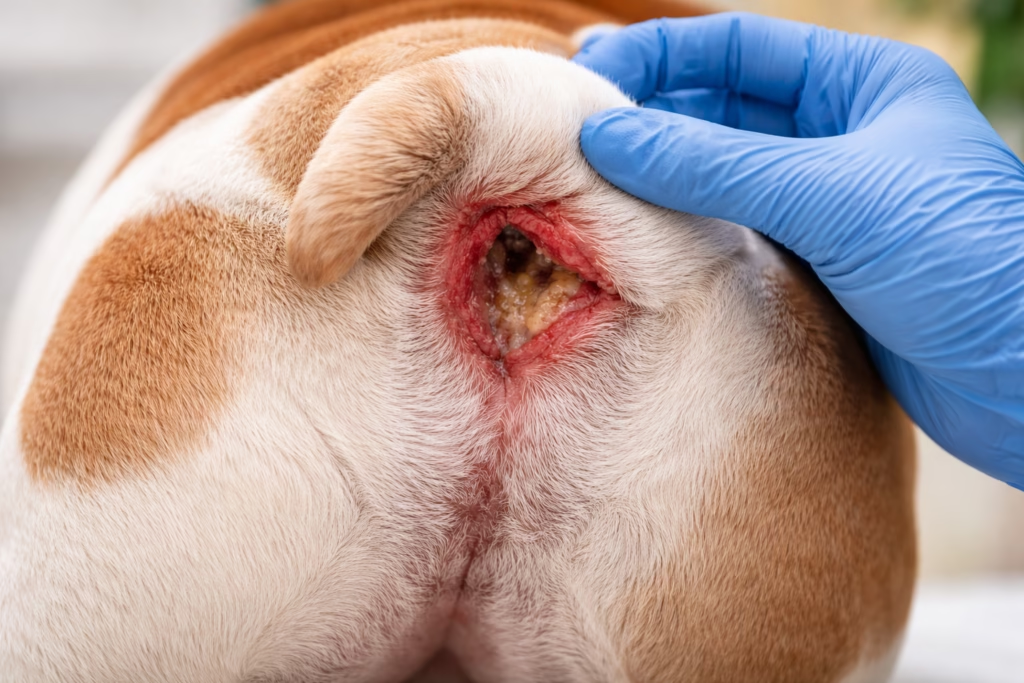
Table of Contents
Quick answer
A tail pocket infection is an inflammation of the skin fold at the base of the tail, common in breeds with loose skin. It occurs when moisture, debris and microbes build up, causing redness, swelling, discharge or odor and may need cleaning and veterinary treatment.
Today we will be talking about tail pocket infections. A tail pocket infection is a condition commonly observed in certain dog breeds with loose skin around the tail area, particularly those with a significant amount of excess skin, like Bulldogs, Shar Peis, and certain Spaniel breeds. The “tail pocket” is the small indentation or fold of skin at the base of the tail, which can accumulate moisture, dirt, and debris. If not cleaned regularly, this area can become the perfect breeding ground for bacteria and yeast, leading to infections. Symptoms of a tail pocket infection may include redness, swelling, discharge, and an unpleasant odor. Treatment typically involves cleaning the area, topical or oral medications, and sometimes veterinary guidance for ongoing management. Understanding tail pocket infections is essential for pet owners, particularly those with predisposed breeds, as maintaining hygiene can be a crucial factor in preventing such infections.
Understanding Tail Pocket Infections
Tail pocket infections occur when bacteria or yeast grow in the moisture collected in the tail pocket of certain dog breeds. The tail pocket is formed due to a fold of skin at the tail’s base that may be too loose, creating an area where debris and moisture can conveniently accumulate. It’s important for pet owners to recognize that these infections can quickly develop into more severe issues if not treated promptly. The prevalence of these infections correlates with specific canine breeds known for their physical characteristics that lead to undercarriage pockets. Owners need to understand the anatomy of their pet’s tail, the signs of infection, and the necessary care required to keep the area clean and healthy.
Signs and Symptoms of Tail Pocket Infections
Recognizing the signs and symptoms of a tail pocket infection is vital for early intervention. Common indicators include:
- Redness and Inflammation: The skin around the tail pocket may appear red and inflamed, signaling irritation and potential infection.
- Odor: A foul odor emanating from the tail pocket can indicate a buildup of bacteria or yeast.
- Discharge: Unusual discharge, which may be pus-like or waxy, can be a sign of infection.
- Discomfort: The dog may exhibit signs of discomfort or pain, especially when the area is touched.
- Frequent Licking: Dogs may lick the area more frequently in an attempt to alleviate discomfort.
If you observe these signs, it’s essential to consult your veterinarian for an accurate diagnosis and treatment plan. Early recognition can lead to better outcomes.
Causes of Tail Pocket Infections
Several factors contribute to the development of tail pocket infections. The primary cause is inadequate hygiene and care of the tail pocket itself. This area can trap moisture and dirt, particularly in breeds with skin folds. Other potential causes include:
- Excess Moisture: Life in humid conditions or inadequate drying after bathing can lead to excess moisture.
- Improper Grooming: Not brushing or cleaning the tail pocket area regularly can allow debris accumulation.
- Skin Allergies: Dogs with allergies may experience more irritation and sensitivity, leading to infection.
- Underlying Health Issues: Conditions that weaken the immune system can increase susceptibility to infections.
Understanding these causes can help owners take proactive measures to prevent infections in their furry companions through routine care.
Preventing Tail Pocket Infections
Prevention of tail pocket infections involves regular cleaning and monitoring of the tail pocket area. Here are some effective strategies:
- Regular Cleaning: Use warm water and a soft cloth or hypoallergenic wipes to clean the tail pocket at least once a week, or more often if your dog plays outside.
- Thorough Drying: After bathing or a swim, ensure the area is dried thoroughly to prevent moisture retention.
- Grooming: Regular grooming can help keep the fur around the tail pocket trimmed and clean, allowing for better air circulation.
- Monitor Health: Regular veterinary check-ups can help catch any health issues early, potentially preventing infections.
- Diet and Supplements: A healthy diet and possibly supplements can strengthen your dog’s immune system, offering better resistance against infections.
Being proactive in your dog’s care can significantly reduce the risk of tail pocket infections.
Treatment Options for Tail Pocket Infections
If a tail pocket infection has occurred, prompt treatment is necessary to alleviate symptoms and resolve the infection. The treatment may include the following:
- Cleaning: Your veterinarian might recommend an antiseptic wash to clean the area effectively.
- Topical Medications: Antibiotic or antifungal ointments can be prescribed to reduce swelling and infection.
- Oral Medications: Depending on the severity, antibiotics or antifungal medication may be necessary for internal treatment.
- Weight Management: Managing your dog’s weight can reduce skin fold issues and the likelihood of infections.
- Regular Monitoring: After treatment, maintaining regular follow-ups will help ensure the infection does not recur.
In treatment, early intervention yields the best results. Consult your veterinarian if you suspect your dog has a tail pocket infection.
Diet and Tail Pocket Health
A dog’s diet can significantly impact skin health and overall well-being. A balanced diet rich in omega fatty acids can promote healthy skin, reducing the likelihood of infections. Consider the following:
- Nutrient-Rich Foods: Include high-quality protein sources and omega-3 fatty acids found in fish oils to support skin health.
- Hydration: Ensure your pet has access to clean, fresh water to help maintain skin hydration and overall health.
- Allergy Management: If your dog has known allergies, managing these through diet can reduce skin sensitivities and infections.
- Weight Control: Maintaining a healthy weight can prevent skin folds from forming, helping to avoid tail pocket issues.
Discuss dietary needs and supplements with your veterinarian to enhance your dog’s health and prevent infections.
Breed-Specific Concerns and Tail Pocket Management
Some dog breeds, such as Bulldogs and Shar Peis, are more prone to tail pocket infections due to their physical structure. Owners of such breeds should enhance their understanding of specific care needs:
- Tail Pocket Anatomy: Familiarize yourself with the unique anatomy of your breed to assess risks more effectively.
- Regular Veterinary Visits: Breeds prone to tail pocket infections may require more frequent veterinary care to monitor for early signs of health issues.
- Specific Cleaning Regimens: Establish tailored cleaning routines according to your dog’s needs and breed characteristics.
- Support Groups: Joining breed-specific online forums or communities can provide additional tips and experiences shared by other owners.
Tail pocket management should devote special attention to breed-specific needs, ensuring optimal health for your pet.
The Importance of Regular Vet Check-Ups
Regular veterinary check-ups are crucial for preventing and managing tail pocket infections. These visits can help identify potential issues before they escalate. During a check-up, your vet can:
- Assess the Tail Pocket: Your vet can evaluate your dog’s tail pocket, providing advice tailored to your dog’s specific needs.
- Health Screening: General health screenings can help detect any underlying conditions that may affect skin and immune health.
- Vaccination Updates: Keeping your dog’s vaccinations up to date supports overall health and reduces disease risk.
- Owner Education: Veterinarians can educate pet owners on the best practices for cleaning and maintaining the tail pocket, along with other necessary grooming.
Investing in regular veterinary visits leads to better health outcomes and longer, happier lives for your pets.
When to Seek Veterinary Care
Understanding when to seek veterinary care for a suspected tail pocket infection can impact treatment outcomes significantly. Here are some situations to consider:
- Persistent Symptoms: If your dog demonstrates continued symptoms like redness, discharge, or odor despite home care, a vet visit is warranted.
- Severe Discomfort: If your dog seems to be in severe pain or discomfort around their tail pocket, don’t hesitate to consult a professional.
- Changes in Behavior: Behavioral changes such as lethargy, loss of appetite, or unusual biting at the area indicate that veterinary attention is necessary.
- Recurrent Infections: If your dog experiences multiple infections in a short period, a vet visit is crucial to address underlying health issues.
Proactive measures often prevent serious complications, making it essential to remain vigilant about your dog’s health.
Conclusion
Understanding tail pocket infections is essential for pet owners with breeds susceptible to this condition. Regular observation and hygiene play pivotal roles in preventing infections that can cause discomfort and more severe health issues for pets. Recognizing the signs and symptoms ensures prompt treatment that can significantly enhance recovery outcomes.
The education surrounding the causes of tail pocket infections helps pet owners create effective prevention strategies. Routine cleaning of the tail pocket, combined with regular veterinary check-ups, keeps pets safe from these infections. In addition, considering dietary influences ensures that your pet’s overall health is robust, providing adequate support against skin infections.
For breeds such as Bulldogs and Shar Peis, tailored approaches to grooming and health management are vital. Such breeds require increased vigilance and proactive strategies to maintain their overall health.
Ultimately, caring for your dog’s tail pocket is part of ensuring their general well-being. Armed with this understanding, dog owners can create a supportive environment conducive to their pet’s health. Encouraging dialogue with veterinarians and other dog owners also enhances knowledge and support networks to navigate potential health concerns.
In conclusion, maintaining proper care for your dog’s tail pocket is a crucial aspect of responsible pet ownership, promoting health and happiness in our furry companions. A fitted standard of care leads to healthier, happier pets and more profound relationships between pets and their owners.
Frequently Asked Questions
- What breeds are prone to tail pocket infections?Breeds with loose skin around the tail, such as Bulldogs, Shar Peis, and certain Spaniels, are more susceptible to tail pocket infections.
- How can I prevent tail pocket infections in my dog?Regularly clean your dog’s tail pocket, keep the area dry, and monitor for signs of irritation. Routine veterinary check-ups also help in prevention.
- What should I do if I suspect my dog has a tail pocket infection?Consult your veterinarian for proper diagnosis and treatment options. Early intervention can help prevent further complications.
- Are tail pocket infections contagious to other dogs?No, tail pocket infections are not contagious. They are caused by bacteria or yeast that thrive in the moist environment of the tail pocket.
- Can a tail pocket infection lead to more severe health issues?Yes, if left untreated, tail pocket infections can lead to serious skin infections or other systemic issues, underscoring the importance of timely care.
Further Reading
3.5 tog sleeping bag temperature guide
What Type of Psychotherapy Is Best for Anxiety?
post-traumatic stress disorder (PTSD)
When to see a vet
- Rapid swelling or severe redness in the tail pocket
- Pus, foul-smelling discharge, or crusting
- Your dog is constantly licking, biting or showing pain when the area is touched
- Fever, lethargy or loss of appetite accompanying the tail pocket changes
- Signs of spreading infection such as swelling extending beyond the fold
If your pet collapses, struggles to breathe or is in severe pain, contact an emergency vet straight away.
Frequently asked questions
How often should I clean my dog's tail pocket?
Cleaning the tail pocket at least once a week is usually sufficient for most dogs, but increase frequency if the dog is active outdoors, after baths, or if the skin looks moist or dirty.
Can I use over‑the‑counter products for treatment?
Mild antiseptic wipes or a diluted chlorhexidine solution can be used for routine cleaning, but any antibiotic or antifungal ointment should be prescribed by a veterinarian after a proper diagnosis.
Will trimming the hair around the tail pocket prevent infection?
Keeping the hair short around the fold improves air flow and reduces moisture buildup, which helps prevent infection, but regular cleaning and drying remain essential.
Are certain foods helpful for skin health in dogs with tail pockets?
A balanced diet with high‑quality protein and omega‑3 fatty acids (e.g., fish oil) supports skin integrity. Discuss any supplements with your vet to ensure appropriate dosing.
Sources and further reading
Was this page helpful?
Thanks for your feedback! What could we improve?
Thank you! Your feedback helps us improve our articles.
Veterinary reviewed by
Dr. Hannah Silvanus, DVMDoctor of Veterinary Medicine (DVM) who reviews the pet and animal health articles on True Impact Health.
True Impact Health articles are written by our editorial team and based on reliable sources such as public health agencies, clinical guidelines and peer-reviewed research. This article has been checked by a veterinarian on our review panel. Read our editorial process.
This content is for general information and is not a substitute for professional medical advice, diagnosis or treatment.