


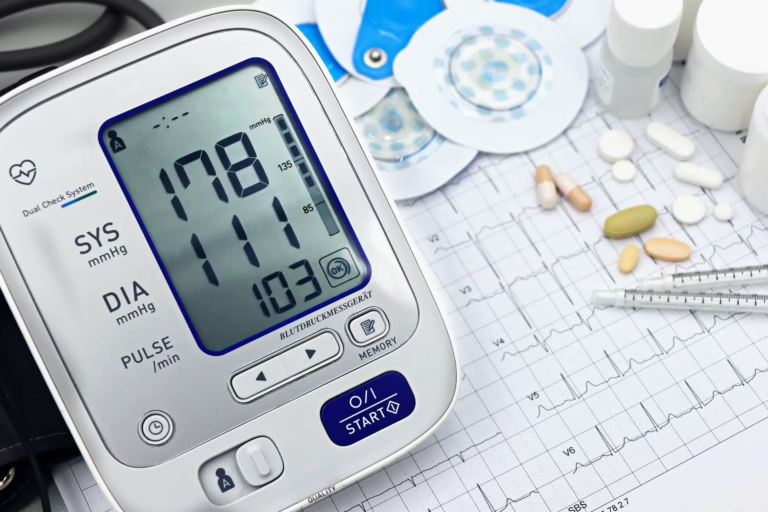










Severe Pulmonary Hypertension Life Expectancy
Severe pulmonary hypertension life expectancy depends on cause, functional class, heart function and treatment, with modern therapies improving survival.
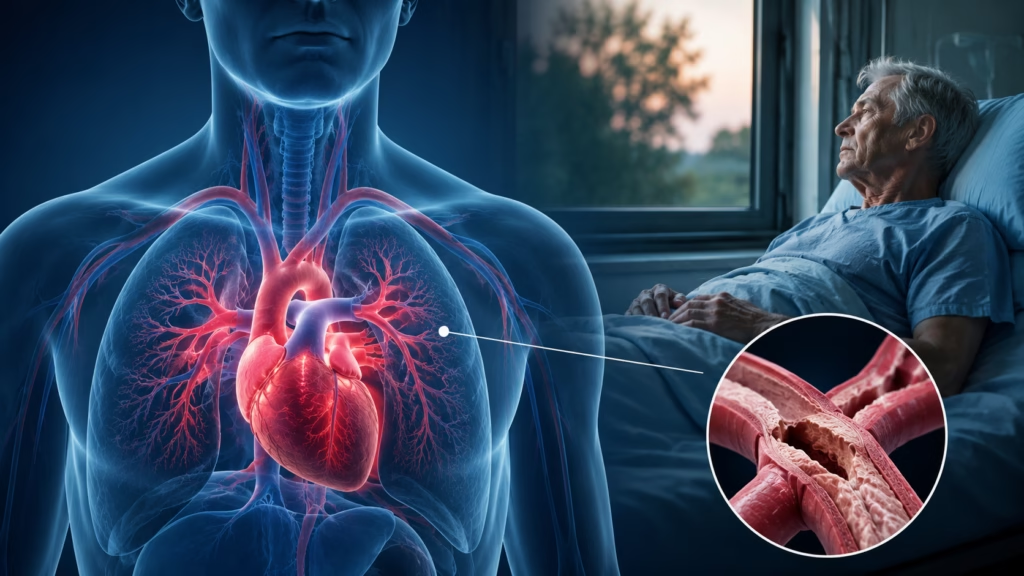
Table of Contents
Quick answer
People with severe pulmonary hypertension can live many years, especially when the disease is diagnosed early and treated with modern therapies, but life expectancy varies widely based on cause, functional class, right‑ventricular function and other health conditions.
Introduction
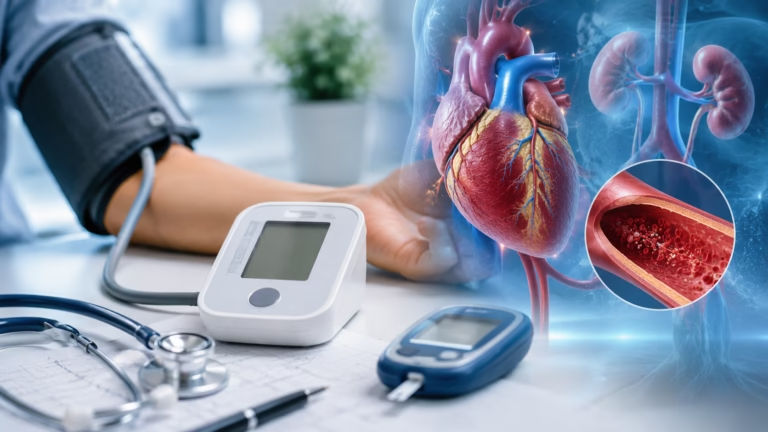
A diagnosis of severe pulmonary hypertension can be overwhelming for patients and their families. Questions about treatment options, quality of life, and life expectancy often arise soon after diagnosis. Pulmonary hypertension is a serious condition that causes increased pressure within the blood vessels that carry blood from the heart to the lungs. As the disease progresses, the heart must work much harder to pump blood through these narrowed or damaged vessels. Over time, this extra strain can weaken the heart and lead to life-threatening complications.
Although severe pulmonary hypertension remains a challenging condition, advances in medical therapies have significantly improved outcomes over the past two decades. Many individuals are now living longer and maintaining better quality of life than was previously possible. Understanding the factors that influence survival, the importance of early treatment, and the role of ongoing monitoring can help patients make informed decisions about their care. This guide explores severe pulmonary hypertension, discusses current survival expectations, and explains the treatments and lifestyle measures that can improve long-term outcomes.
Understanding Severe Pulmonary Hypertension
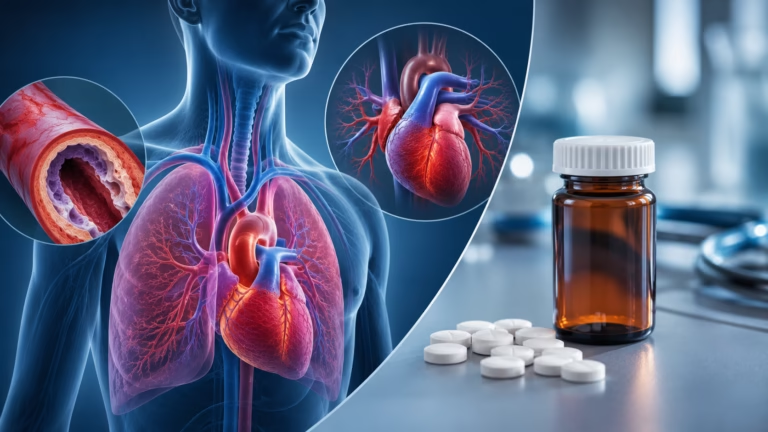
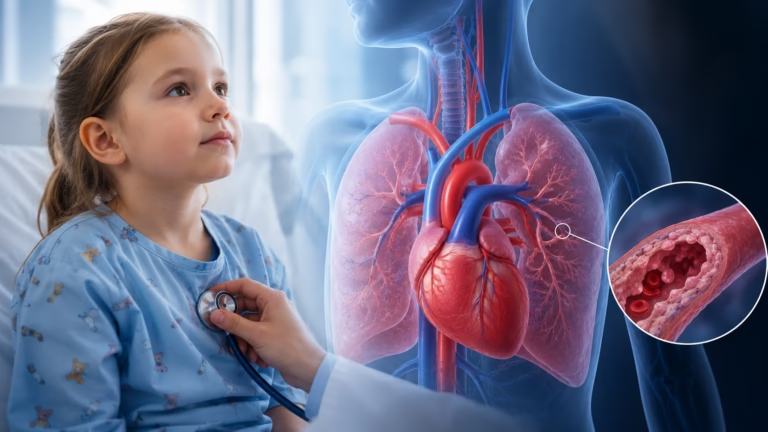
Pulmonary hypertension is a disorder characterized by abnormally high pressure within the pulmonary arteries. These arteries are responsible for transporting blood from the right side of the heart to the lungs, where oxygen is absorbed before the blood returns to the body.
Modern guidelines define pulmonary hypertension as a mean pulmonary arterial pressure greater than 20 mmHg measured during a right heart catheterization, which remains the gold standard diagnostic test. Historically, a threshold of 25 mmHg was used, but updated definitions have lowered this value to improve earlier diagnosis.
The severity of pulmonary hypertension is often assessed using the World Health Organization (WHO) Functional Classification system. This system evaluates how much the condition limits physical activity. Individuals in Class I experience no significant symptoms during normal activities, while those in Class IV experience symptoms even while resting. Severe pulmonary hypertension is commonly associated with WHO Functional Class III or IV, indicating substantial limitations and a higher risk of complications.
As pulmonary artery pressures continue to rise, the right ventricle of the heart must generate greater force to push blood into the lungs. Initially, the heart adapts by thickening its muscular wall. However, over time, this adaptation becomes ineffective. The right ventricle may enlarge, weaken, and eventually fail, resulting in a condition known as right-sided heart failure, which is one of the most serious consequences of advanced pulmonary hypertension.
What Determines Life Expectancy in Severe Pulmonary Hypertension?
Life expectancy in pulmonary hypertension varies significantly from one person to another. Several clinical factors influence survival and help physicians estimate prognosis.
Underlying Cause of the Disease
The cause of pulmonary hypertension plays a major role in determining outcomes. Some individuals develop idiopathic pulmonary arterial hypertension, meaning no specific cause can be identified. Others develop pulmonary hypertension secondary to conditions such as connective tissue diseases, congenital heart defects, chronic lung diseases, liver disease, or chronic blood clots in the lungs.
Patients with certain underlying conditions, particularly connective tissue disorders such as systemic sclerosis, often face a more challenging prognosis compared with those who have idiopathic disease. Conversely, patients whose pulmonary hypertension results from a treatable underlying cause may experience improved outcomes if the root condition is successfully managed.
Functional Status and Symptom Severity
The degree to which pulmonary hypertension affects daily life is one of the strongest predictors of survival. Patients who experience symptoms only during vigorous activity generally have better outcomes than those who experience breathlessness, fatigue, chest discomfort, or dizziness while performing routine activities or resting.
Individuals classified as WHO Functional Class IV face the greatest risks because the disease has already significantly compromised cardiovascular function.
Right Ventricular Function
The health of the right ventricle is perhaps the most important determinant of prognosis. The right side of the heart is not designed to pump against high pressure for extended periods. When right ventricular function begins to deteriorate, symptoms often worsen rapidly.
Advanced imaging studies such as echocardiography and cardiac MRI help physicians evaluate right ventricular size and function. Patients with preserved right ventricular function generally have better survival rates than those with significant right-sided heart failure.
Hemodynamic Measurements
Hemodynamic data obtained during right heart catheterization provide valuable prognostic information. Measurements such as cardiac output, pulmonary vascular resistance, and right atrial pressure help clinicians determine disease severity.
Higher pulmonary vascular resistance, elevated right atrial pressures, and reduced cardiac output are generally associated with poorer outcomes.
Biomarkers
Blood tests can provide additional information about disease severity. Elevated levels of biomarkers such as BNP (B-type natriuretic peptide) and NT-proBNP often indicate increased stress on the heart and may signal worsening disease.
Persistently high biomarker levels are frequently associated with reduced survival and may prompt adjustments in treatment.
Coexisting Medical Conditions
The presence of other chronic illnesses can significantly affect prognosis. Conditions such as chronic kidney disease, diabetes, liver disease, coronary artery disease, and chronic obstructive pulmonary disease place additional stress on the cardiovascular system and may complicate treatment.
Older age and frailty may also influence overall life expectancy and treatment options.
Life Expectancy and Survival Statistics
Historically, pulmonary arterial hypertension carried a very poor prognosis. Before the development of modern targeted therapies, patients with untreated idiopathic pulmonary arterial hypertension had a median survival of approximately 2.8 years after diagnosis.
Today, the outlook is considerably more encouraging. Thanks to advances in diagnosis, combination drug therapy, specialized pulmonary hypertension centers, and improved supportive care, survival rates have improved substantially.
Current studies suggest that many patients receiving modern treatment can achieve five-year survival rates of approximately 60% to 70%, particularly when diagnosed early and managed by experienced specialists.
However, patients with severe pulmonary hypertension who remain in WHO Functional Class IV continue to face significant challenges. Without aggressive treatment, life expectancy may be considerably shorter. In some advanced cases accompanied by right heart failure, survival may be measured in months rather than years.
It is important to remember that these statistics represent averages across large populations. Individual outcomes can vary widely depending on treatment response, overall health, age, and disease progression.
Treatment Options and Their Effect on Survival
The primary goals of treatment are to lower pulmonary artery pressure, improve exercise capacity, preserve right ventricular function, and enhance overall quality of life.
Endothelin Receptor Antagonists
Endothelin receptor antagonists such as bosentan, ambrisentan, and macitentan work by blocking the effects of endothelin, a substance that causes blood vessel constriction and abnormal vascular remodeling.
These medications help widen pulmonary arteries and slow disease progression.
Phosphodiesterase-5 Inhibitors
Drugs such as sildenafil and tadalafil enhance the body’s natural nitric oxide pathway, promoting relaxation of pulmonary blood vessels and improving blood flow through the lungs.
Many patients experience improvements in exercise capacity and symptom control with these medications.
Prostacyclin-Based Therapies
Prostacyclin analogues such as epoprostenol and treprostinil are among the most effective treatments for severe pulmonary hypertension. These medications dilate blood vessels, inhibit blood clot formation, and reduce abnormal cell growth within pulmonary arteries.
For patients with advanced disease, continuous prostacyclin therapy can significantly improve survival.
Soluble Guanylate Cyclase Stimulators
Riociguat represents another important treatment option. It enhances nitric oxide signaling and helps reduce pulmonary vascular resistance.
Combination Therapy
Increasing evidence supports the use of multiple medications from different drug classes simultaneously. Combination therapy often provides greater benefits than single-drug treatment and is now commonly recommended for many patients with moderate to severe disease.
Early aggressive treatment has been associated with improved long-term outcomes and reduced disease progression.
Lifestyle Modifications That Support Better Outcomes
Medical treatment remains essential, but lifestyle modifications can play an important supportive role.
Patients are often encouraged to participate in supervised exercise programs designed specifically for pulmonary hypertension. Carefully monitored physical activity can improve stamina, muscle strength, and overall quality of life without placing excessive strain on the heart.
Reducing dietary sodium intake can help minimize fluid retention and decrease the workload on the heart. In some cases, physicians may also recommend fluid restrictions.
Oxygen therapy may be prescribed for individuals with low oxygen levels, helping improve symptoms and reduce stress on the cardiovascular system.
Patients are generally advised to avoid high-altitude environments because reduced oxygen availability can worsen pulmonary artery pressures and exacerbate symptoms.
Smoking cessation is also critical, as tobacco use can accelerate cardiovascular and pulmonary damage.
Emotional and Psychological Support
Living with severe pulmonary hypertension can affect mental health as profoundly as physical health. Anxiety, depression, fear, and uncertainty are common experiences among patients facing a chronic progressive illness.
Counseling services, cognitive behavioral therapy, support groups, and patient advocacy organizations can provide valuable emotional support and practical guidance.
Many patients find comfort in connecting with others facing similar challenges, helping reduce feelings of isolation and improve coping skills.
Palliative care services may also be beneficial, not only during end-stage disease but throughout the disease course. These services focus on symptom management, emotional support, and improving quality of life.
Monitoring Disease Progression
Regular follow-up care is essential for optimizing treatment and identifying changes in disease status.
Echocardiography is commonly used to assess right ventricular size and function. Changes in heart structure or performance may indicate the need for treatment adjustments.
Right heart catheterization remains the most accurate method for evaluating pulmonary artery pressures and is often repeated periodically when clinical circumstances change.
The six-minute walk test provides a simple but valuable measure of functional capacity and treatment response.
Regular monitoring of BNP and NT-proBNP levels can help physicians assess cardiac stress and disease progression over time.
Conclusion
Severe pulmonary hypertension remains a serious and potentially life-threatening condition, but the outlook for patients has improved dramatically in recent years. Modern therapies, combination treatment strategies, specialized care centers, and advances in disease monitoring have enabled many individuals to live longer and enjoy better quality of life than ever before.
Life expectancy depends on numerous factors, including the underlying cause of the disease, functional status, right heart function, treatment response, and the presence of other medical conditions. While some patients face significant challenges, others achieve years of meaningful stability with appropriate care.
The key to improving outcomes lies in early diagnosis, prompt treatment, regular monitoring, and close collaboration with an experienced pulmonary hypertension specialist. By combining evidence-based medical therapy with healthy lifestyle choices and strong emotional support, patients can maximize both longevity and quality of life while navigating this complex condition.
Disclaimer
This article is for educational purposes only and does not replace professional medical advice, diagnosis, or treatment. Seizures, severe headache, confusion, visual changes, or blood pressure readings in the hypertensive crisis range require urgent medical evaluation.
When to see a doctor
- Sudden worsening of breathlessness or chest pain
- Fainting or near‑fainting episodes
- Rapid swelling of ankles or abdomen
- Rapid heart rate or palpitations at rest
- Severe fatigue that limits daily activities
- Call emergency services if symptoms become acute
If symptoms are severe or come on suddenly, call your local emergency number.
Frequently asked questions
Can lifestyle changes improve survival in severe pulmonary hypertension?
Yes, regular low‑impact exercise, a low‑salt diet, avoiding high altitudes and staying up to date with vaccinations can support heart health and may help slow disease progression when combined with medical therapy.
What are the most common medications used for severe pulmonary hypertension?
Treatment usually includes targeted drugs such as endothelin receptor antagonists, phosphodiesterase‑5 inhibitors, and prostacyclin analogues, often in combination, along with supportive medicines like diuretics and anticoagulants as appropriate.
How often should I have follow‑up appointments and tests?
Patients typically see a specialist every 3–6 months, with regular echocardiograms, blood tests for BNP/NT‑proBNP, and periodic right‑heart catheterisations to monitor disease progression and adjust therapy.
Is lung or heart transplantation an option?
For selected patients with advanced disease who do not respond to medication, lung or heart‑lung transplantation may be considered, but eligibility depends on overall health, age and centre expertise.
Sources and further reading
Was this page helpful?
Thanks for your feedback! What could we improve?
Thank you! Your feedback helps us improve our articles.
True Impact Health articles are written by our editorial team and based on reliable sources such as public health agencies, clinical guidelines and peer-reviewed research. This article has not yet been medically reviewed. Read our editorial process.
This content is for general information and is not a substitute for professional medical advice, diagnosis or treatment.