

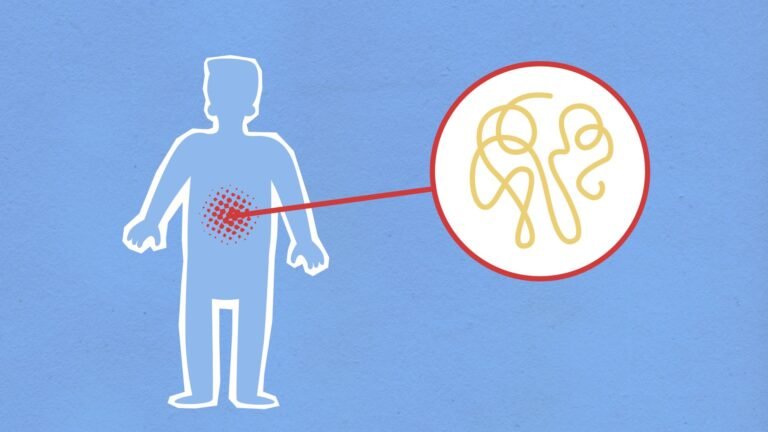




















What Causes Itchy Skin Without a Rash: Understanding the Causes
Discover the possible causes of itchy skin without a rash, from allergies to underlying health conditions, and learn how to find relief.

Table of Contents
Key Takeaways
- Itching without a rash can stem from various causes.
- Allergies, dry skin, and internal health issues are common triggers.
- Consulting a healthcare provider is crucial for persistent symptoms.
- Treatments vary based on the underlying cause.
Understanding Itchy Skin Without a Rash
Itchy skin, or pruritus, can be a bothersome condition that affects individuals of all ages. While many people associate itching with visible rashes, it is entirely possible to experience itching without any apparent skin changes. This phenomenon can be perplexing and may lead individuals to seek answers regarding its causes and potential solutions. Understanding the underlying factors contributing to itchy skin without a rash is essential for effective management and relief.
It is important to recognize that itchy skin can result from a wide range of causes, varying from benign to more serious health issues. Factors such as dry skin, allergies, and certain medical conditions can lead to this uncomfortable sensation. By exploring these causes in detail, readers can gain a clearer understanding of what might be causing their symptoms and what steps they can take to alleviate them.
In this article, we will delve into the myriad of reasons behind itchy skin without a rash, practical tips for management, and when to seek professional help. By arming yourself with knowledge, you can approach your symptoms more effectively.
Common Causes of Itchy Skin Without a Rash
Dry Skin
One of the most prevalent causes of itchy skin without a rash is dry skin, also known as xerosis. Dry skin can occur due to various factors, including environmental conditions, lifestyle choices, and even age. As we age, our skin tends to lose moisture more rapidly, leading to increased dryness and resultant itching.
Environmental factors, such as low humidity levels, particularly during winter months or in arid climates, can exacerbate dry skin. Additionally, frequent bathing or showering, especially with hot water, can strip the skin of its natural oils, further contributing to dryness. Individuals who work in professions that involve exposure to water or harsh chemicals may also be more prone to developing dry skin.
To combat dry skin, it is essential to maintain proper hydration levels by drinking adequate water and using moisturizing lotions or creams regularly. For those suffering from severe dryness, consulting a dermatologist may provide additional options for treatment.
Allergic Reactions
Allergic reactions can also lead to itchy skin without a visible rash. Allergies can be triggered by various substances, including food, pollen, pet dander, and certain fabrics or detergents. When the body encounters an allergen, it releases histamines, which can result in itching and discomfort.
In some cases, individuals may develop contact dermatitis if they come into contact with allergens or irritants, leading to itching without a clear rash. Common culprits include soaps, cosmetics, and household cleaning products.
Identifying the specific allergen is crucial for managing allergic reactions. Individuals may consider keeping a journal to track symptoms and potential triggers, or they may seek guidance from an allergist for testing and advice on avoidance strategies.
Internal Health Conditions
Several internal health conditions can manifest as itchy skin without a rash. Conditions such as diabetes, liver disease, and kidney dysfunction can lead to generalized itching due to changes in body chemistry or circulation. For instance, individuals with liver disease may experience itching as a result of bile salt accumulation in the bloodstream.
Thyroid disorders, particularly hypothyroidism, can also lead to dry, itchy skin as the body’s metabolism slows down. In these cases, the skin may become less effective at retaining moisture, causing irritation.
If itchy skin persists without an apparent cause, it is essential to consult a healthcare provider for a thorough evaluation. Early detection and treatment of underlying health issues can significantly improve symptoms and overall quality of life.
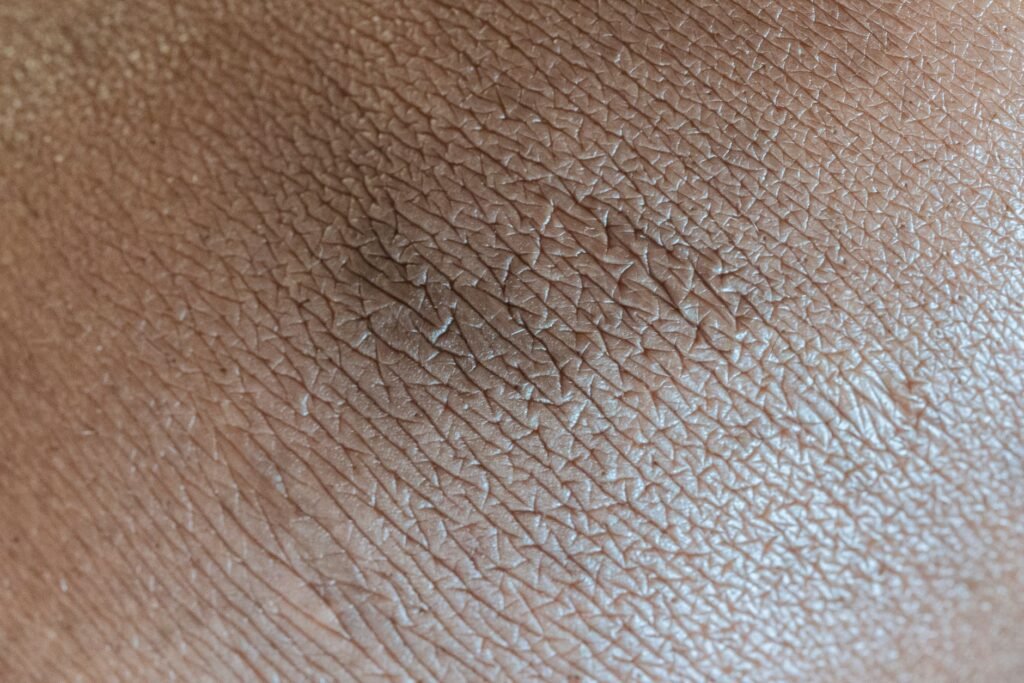
Skin Conditions That May Not Present as Rashes
Psoriasis and Eczema
While psoriasis and eczema are often associated with visible rashes, they can also lead to itching without a rash in some instances. Psoriasis, a chronic autoimmune condition, may cause localized itchiness even before the characteristic red, scaly plaques appear. Similarly, eczema can cause itchiness due to skin inflammation, which may not always present with a clear rash.
Both conditions are often exacerbated by environmental factors, stress, and allergens. Managing these conditions typically involves a combination of topical treatments, lifestyle modifications, and sometimes systemic medications.
Understanding triggers and maintaining a proper skincare routine is vital for individuals with these conditions, as it can help reduce itchiness and prevent flare-ups.
Neuropathy
Neuropathy, or nerve damage, can also lead to sensations of itching without any visible skin changes. This condition is often associated with diabetes, but it can occur due to other factors, such as vitamin deficiencies, infections, or exposure to toxins. Individuals with neuropathy may experience tingling, burning, or itching sensations that can be distressing.
Managing neuropathy involves addressing the underlying cause, which may include controlling blood sugar levels in diabetic patients or improving nutrition. Medications, physical therapy, and lifestyle changes may also play a role in management.
Psychogenic Itch
Psychogenic itch, or itch related to psychological factors, is another potential cause of itching without a rash. Stress, anxiety, and other emotional factors can trigger sensations of itching, which may not have a physical cause. This type of itch can be particularly challenging to manage, as it requires addressing both the psychological and physical aspects of the condition.
Therapies such as cognitive-behavioral therapy (CBT) or mindfulness techniques can be effective in managing psychogenic itch. Additionally, stress-reduction practices, such as yoga and meditation, may help alleviate symptoms.
Environmental Factors Contributing to Itchy Skin
Climate and Weather
The climate and weather can play a significant role in the development of itchy skin without a rash. Low humidity levels, especially during winter months, can lead to moisture loss in the skin, resulting in dryness and itchiness. Similarly, exposure to extreme temperatures can cause skin irritation and increase the likelihood of itching.
In humid climates, sweat accumulation can also lead to itching, particularly if sweat dries on the skin or if it interacts with clothing. Individuals may find themselves itching as a response to heat or sweat, even if no rash is visible.
To mitigate the effects of environmental factors, individuals can take steps such as using humidifiers in dry environments, wearing breathable clothing, and showering promptly after sweating to rinse off sweat and irritants.
Skin Care Products
Many skin care products can contribute to itching, even in the absence of a visible rash. Ingredients in soaps, lotions, and detergents can irritate the skin, particularly if an individual has sensitive skin or allergies to specific components. Fragrances, preservatives, and certain chemicals can all cause reactions that lead to itchiness.
To minimize the risk of irritation, individuals should opt for hypoallergenic products or those specifically designed for sensitive skin. Conducting patch tests on a small area of skin before using a new product can help identify potential irritants.
Additionally, individuals should consider simplifying their skincare routines, reducing the number of products they use, and focusing on gentle, moisturizing formulations to help prevent dryness and irritation.

When to Seek Professional Help
While many cases of itchy skin without a rash can be managed with home remedies and lifestyle changes, it is essential to know when to seek professional help. Persistent itching that does not respond to over-the-counter treatments, worsens over time, or is accompanied by other concerning symptoms should be evaluated by a healthcare provider.
Individuals should consider consulting a dermatologist if:
- The itching is severe and impacts daily life.
- There are changes in skin texture or color.
- Itching is associated with other symptoms, such as fever or weight loss.
A healthcare provider can conduct a thorough assessment, including blood tests or skin biopsies, as needed, to determine the underlying cause and recommend appropriate treatments.
Psychological Factors Influencing Itchy Skin
Stress and Anxiety
Stress and anxiety can manifest in various physical symptoms, including itchy skin. The connection between the mind and body is well documented, with stress leading to heightened sensitivity in the nerves that control skin sensations. When under stress, the body releases certain chemicals, like histamines, which can exacerbate the sensation of itchiness.
In many cases, individuals may notice that their itchiness intensifies during periods of heightened stress or anxiety. This can create a cycle where the physical discomfort leads to increased stress, further worsening the itch. It is important to identify stress management techniques such as mindfulness, yoga, or therapy.
Dermatographism
A lesser-known phenomenon related to psychological factors is dermatographism, a condition where the skin becomes raised and inflamed when scratched, even lightly. Though it is often considered a type of physical urticaria, many people experience it more intensely during moments of stress. The skin reacts to stimuli, leading to an itchy sensation that can be frustrating for those affected.
Dermatographism can often be managed through antihistamines, but understanding the triggers, whether they be physical or emotional, can help in reducing flare-ups. Keeping a journal of symptoms alongside stress levels can offer valuable insights.
Sleep Disorders
Sleep disorders can significantly affect overall skin health and contribute to the sensation of itchiness. Poor sleep quality can lead to increased levels of cortisol, the body’s primary stress hormone, which can result in skin irritation. Moreover, the lack of restorative sleep may reduce the skin’s ability to heal and replenish itself, exacerbating any underlying skin conditions.
For individuals struggling with itchy skin, addressing sleep hygiene is crucial. This may involve establishing a regular sleep schedule, creating a calming bedtime routine, and minimizing screen time before bed. Additionally, consulting with a healthcare professional about sleep disorders may provide further insights into managing skin-related issues.
- Maintain a consistent sleep schedule
- Create a relaxing bedtime environment
- Avoid caffeine and stimulants before bedtime
- Consider cognitive behavioral therapy for insomnia (CBT-I)

Dietary Influences on Skin Health
Food Allergies and Intolerances
Food allergies and intolerances can lead to a variety of skin reactions, including itchiness without visible rashes. Common allergens such as nuts, shellfish, dairy, and gluten can trigger immune responses that manifest as skin irritation. For individuals who suspect food sensitivities, keeping a food diary can be an effective way to identify problematic items.
Even if no rash occurs, the body’s reaction to certain foods can lead to systemic inflammation, which often presents as itchiness. Consulting with an allergist for skin testing or an elimination diet can provide clarity on specific food triggers. Knowledge of these triggers can help individuals make informed dietary choices.
Hydration and Skin Health
Proper hydration is essential for maintaining skin health. Dehydration can lead to dry skin, which is often itchy and uncomfortable. The skin requires adequate moisture to maintain its barrier function and protect against irritants. Drinking sufficient water daily is vital, especially in hot climates or during intense physical activity.
In addition to drinking water, incorporating hydrating foods into the diet can also improve skin hydration. Foods high in water content, like cucumbers, oranges, and watermelon, can support overall hydration levels. Skin hydration can also be enhanced through the use of topical moisturizers that contain ingredients like hyaluronic acid and glycerin.
- Drink at least 8 cups of water daily
- Include hydrating foods in your diet
- Use moisturizers regularly
- Consider humidifiers in dry environments
Impact of Omega-3 Fatty Acids
Omega-3 fatty acids play a crucial role in skin health and can help alleviate itchy sensations. Found in fish, flaxseeds, and walnuts, these fatty acids have anti-inflammatory properties that can soothe irritated skin. Regularly incorporating omega-3s into your diet can improve overall skin hydration and reduce itchiness.
Research suggests that omega-3 supplementation may also benefit individuals experiencing skin conditions like eczema, which can sometimes present with itchiness without visible rashes. Including omega-3-rich foods can be a simple yet effective strategy for improving skin health.
- Fatty fish (salmon, mackerel)
- Flaxseeds and chia seeds
- Walnuts
- Algal oil for a plant-based option
Alternative Therapies for Managing Itchy Skin
Acupuncture
Acupuncture is an ancient practice that can help manage various ailments, including itchy skin. By stimulating specific points on the body, acupuncture aims to restore balance and promote healing. Some studies suggest that acupuncture may help reduce itchiness, especially in cases related to stress or anxiety.
Those exploring acupuncture for itchy skin should consult a licensed acupuncturist with experience in treating dermatological issues. Each treatment session may provide personalized care tailored to individual symptoms and health conditions.
Aromatherapy
Aromatherapy utilizes essential oils to promote physical and emotional well-being. Certain oils, such as lavender and chamomile, are known for their calming properties and may help soothe itchy skin. Using an essential oil diffuser or adding a few drops to a bath can create a relaxing environment that may ease discomfort.
When using essential oils, it is essential to dilute them with a carrier oil to prevent skin irritation. Additionally, individuals should perform a patch test to ensure there are no allergic reactions before widespread use.
Herbal Remedies
Herbal remedies have been used for centuries to address various skin issues, including itchiness. Ingredients like calendula, witch hazel, and aloe vera are known for their soothing properties. These herbs can be applied topically in creams or infused in baths to provide relief from itchiness.
While many herbal remedies are generally considered safe, it is crucial to research and consult a healthcare provider before introducing new treatments to avoid potential interactions with medications or allergies. Understanding the correct uses and dosages is essential for safe and effective treatment.
- Calendula ointment for soothing irritation
- Witch hazel for its astringent properties
- Aloe vera gel for hydration
For more information, see CDC.
Frequently Asked Questions
Can dry skin cause itching without a rash?
Yes, dry skin is one of the most common causes of itching without a rash. It can be exacerbated by environmental factors, aging, or certain lifestyle choices.
What should I do if I experience persistent itching?
If you experience persistent itching without a rash, it is advisable to consult a healthcare provider for a thorough evaluation and appropriate treatment recommendations.
Are there over-the-counter treatments for itchy skin?
Yes, over-the-counter treatments such as hydrocortisone creams, antihistamines, and moisturizers can help alleviate itching. However, consult a healthcare provider if symptoms persist.
Can stress cause itching without a rash?
Yes, stress can lead to psychogenic itch, where emotional factors trigger sensations of itching without any physical cause or visible rash.
The Bottom Line
Itchy skin without a rash can stem from various causes, including dry skin, allergies, and underlying health conditions. Understanding these potential triggers is essential for effective management and relief. If symptoms persist or worsen, seeking professional advice is crucial for identifying the underlying cause and implementing appropriate treatments.
Was this page helpful?
Thanks for your feedback! What could we improve?
Thank you! Your feedback helps us improve our articles.
True Impact Health articles are written by our editorial team and based on reliable sources such as public health agencies, clinical guidelines and peer-reviewed research. This article has not yet been medically reviewed. Read our editorial process.
This content is for general information and is not a substitute for professional medical advice, diagnosis or treatment.