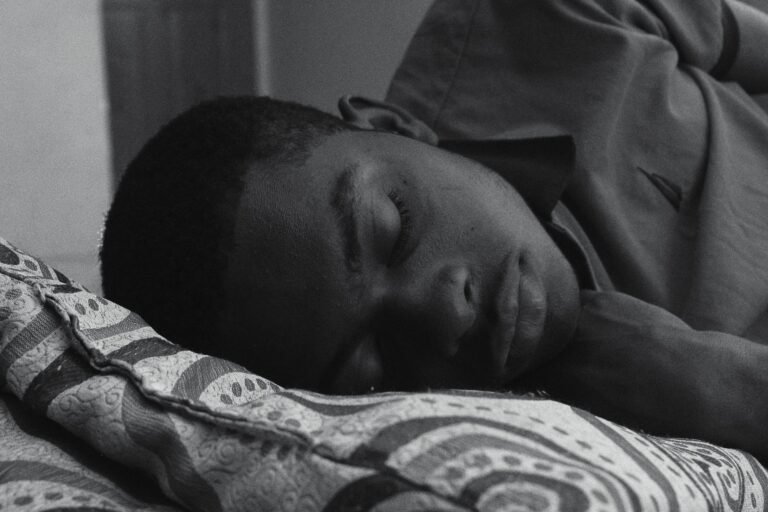






















Sleepwalking: Understanding Causes and Management Strategies
Explore the causes, symptoms, and management strategies for sleepwalking, providing a comprehensive understanding of this intriguing condition.

Table of Contents
Key Takeaways
- Sleepwalking is more common in children but can occur at any age.
- It can be triggered by factors like sleep deprivation and stress.
- Safety measures are essential to prevent injuries during episodes.
- Consulting a healthcare professional is vital for persistent cases.
Understanding Sleepwalking
Sleepwalking, or somnambulism, is a behavior disorder that originates during deep sleep and results in walking or performing other complex behaviors while in a state of sleep. It is classified as a parasomnia, a category that includes other sleep disorders such as night terrors and REM sleep behavior disorder. While sleepwalking is most commonly observed in children, it can also affect adults. The phenomenon can be both fascinating and concerning, as it raises questions about the nature of sleep and the risks associated with these episodes.
The sleepwalker typically has no memory of their actions upon waking, which can lead to confusion and anxiety for both the individual and their loved ones. Understanding the underlying causes, symptoms, and potential treatment options is essential for those who experience sleepwalking or have family members who do.
In this article, we will explore the various aspects of sleepwalking, including what triggers it, how to manage it, and when to seek professional help.
Causes of Sleepwalking
Sleepwalking can be triggered by a variety of factors, both genetic and environmental. Understanding these causes can help in managing the condition effectively.
Genetic Factors
Research indicates that sleepwalking can run in families. If one or both parents have a history of sleepwalking, their children are more likely to experience similar episodes. This genetic predisposition may make certain individuals more susceptible to sleepwalking, highlighting the importance of family medical history in understanding the disorder.
Environmental Triggers
Several environmental factors can contribute to sleepwalking episodes:
- Sleep Deprivation: Lack of adequate sleep can increase the likelihood of sleepwalking. Individuals who are overly tired may have disrupted sleep patterns, making them more vulnerable to parasomnias.
- Stress and Anxiety: High levels of stress or anxiety can trigger sleepwalking in some individuals. Emotional turmoil may affect sleep quality and lead to more frequent episodes.
- Illness: Certain medical conditions, such as fever, can affect sleep and potentially lead to sleepwalking behavior.
Medications and Substances
Some medications, particularly those that affect the central nervous system, can contribute to sleepwalking. These may include:
- Sleep aids or sedatives
- Antidepressants
- Other medications that alter sleep patterns
Additionally, the consumption of alcohol or recreational drugs can disrupt normal sleep cycles and may precipitate sleepwalking episodes.

Symptoms of Sleepwalking
Identifying sleepwalking can be challenging, especially since sleepwalkers are often unaware of their actions. However, certain symptoms and behaviors are commonly associated with sleepwalking episodes.
Behavioral Signs
During a sleepwalking episode, individuals may exhibit a range of behaviors, including:
- Walking around the house or outside
- Performing routine tasks, such as dressing or eating
- Talking or mumbling incoherently
- Exhibiting a blank stare or glassy eyes
These behaviors can last for a few minutes to half an hour, after which the sleepwalker typically returns to bed without recalling the episode.
Potential Risks
One of the primary concerns with sleepwalking is the risk of injury. Sleepwalkers may inadvertently harm themselves by:
- Walking into furniture or walls
- Falling down stairs
- Exiting the home and wandering into dangerous situations
Therefore, creating a safe environment is crucial for those who experience sleepwalking episodes.
Emotional Impact
For both the sleepwalker and their family members, sleepwalking can be emotionally distressing. Family members may experience worry or anxiety about the safety of the sleepwalker, which can lead to sleepless nights for everyone involved.
Managing Sleepwalking
Effectively managing sleepwalking involves a combination of creating a safe environment, addressing underlying causes, and implementing behavioral strategies.
Creating a Safe Environment
Taking proactive steps to minimize the risk of injury during sleepwalking episodes is paramount. Here are some safety measures you can implement:
- Remove sharp objects and obstacles from pathways.
- Install safety gates at stairways.
- Secure windows and doors to prevent wandering outside.
- Consider using motion sensors to alert you when someone is moving around the house at night.
Improving Sleep Hygiene
Enhancing sleep hygiene can significantly reduce the frequency of sleepwalking episodes. Consider the following tips:
- Maintain a consistent sleep schedule by going to bed and waking up at the same time each day.
- Create a relaxing bedtime routine to help signal to your body that it’s time to sleep.
- Avoid caffeine and heavy meals close to bedtime.
- Limit screen time and exposure to bright lights before sleep.
Seeking Professional Help
If sleepwalking episodes are frequent or severe, consulting a healthcare professional is advisable. A sleep specialist may conduct sleep studies to assess your sleep patterns and identify any underlying sleep disorders. Treatment options may include:
- Cognitive behavioral therapy (CBT) to address anxiety and stress.
- Medication adjustments if sleepwalking is triggered by certain drugs.
- In some cases, medication may be prescribed to help regulate sleep cycles.

Real-Life Example of Sleepwalking
Consider the scenario of a young boy named Max, who began sleepwalking after his family relocated to a new home. Initially, his parents were alarmed when they found him in the kitchen, eating cereal in his pajamas late at night. After a few weeks of observing his sleepwalking, they noticed that episodes occurred primarily during stressful nights, such as before school presentations or after family events. By addressing Max’s stress levels and implementing safety measures in their home, his parents were able to manage his episodes effectively.
Sleepwalking and Its Connection to Other Sleep Disorders
Common Co-occurring Sleep Disorders
Sleepwalking is often associated with various other sleep disorders. Understanding these connections can help in diagnosing and managing sleepwalking effectively. Some of the most common co-occurring disorders include:
- Sleep Apnea: Individuals with sleep apnea may experience episodes of sleepwalking, as the disruptions in breathing can lead to fragmented sleep and increased arousal.
- Night Terrors: Night terrors, characterized by extreme fear and distress during sleep, can sometimes overlap with sleepwalking episodes.
- Restless Legs Syndrome (RLS): RLS can lead to difficulty falling asleep, which may trigger sleepwalking events due to increased restlessness during the night.
Identifying these co-occurring disorders is essential for effective treatment. For instance, treating sleep apnea may significantly reduce sleepwalking occurrences as better sleep quality can minimize arousal responses that trigger sleepwalking.
The Role of Medications in Sleepwalking
Certain medications can contribute to sleepwalking, either by causing sleep disturbances or by affecting the brain’s sleep cycle. Understanding these effects is crucial for managing sleepwalking, especially in individuals who are on multiple medications.
- Antidepressants: Some selective serotonin reuptake inhibitors (SSRIs) have been linked to sleepwalking in some individuals, particularly if they affect REM sleep.
- Antipsychotics: These medications may disrupt normal sleep cycles and have been reported to increase the risk of parasomnias, including sleepwalking.
- Sleep Aids: Over-the-counter and prescription sleep aids can sometimes lead to complex sleep behaviors, including sleepwalking, particularly if not used as directed.
It is essential for patients and healthcare providers to communicate openly about any sleepwalking incidents and consider a thorough review of medications. Adjusting dosages or switching medications may help alleviate this issue.
Impact of Lifestyle and Environmental Factors
Lifestyle and environmental factors can also play a significant role in sleepwalking episodes. By making targeted changes, individuals may experience a reduction in sleepwalking occurrences.
- Stress Management: High levels of stress can disrupt sleep patterns. Implementing stress-reduction techniques such as mindfulness, yoga, or meditation can help improve overall sleep quality.
- Sleep Hygiene Practices: Maintaining a consistent sleep schedule, creating a comfortable sleep environment, and limiting screen time before bed can greatly enhance sleep quality.
- Avoiding Stimulants: Consumption of caffeine or nicotine, particularly in the hours leading up to bedtime, can negatively impact sleep. Reducing or eliminating these substances can contribute to better sleep patterns.
By addressing these lifestyle factors, individuals may find that they can manage their sleepwalking more effectively. Establishing a calming bedtime routine and creating a sleep-conducive environment are steps everyone can take to promote better sleep health.

Sleepwalking in Children: Unique Considerations
Developmental Factors Contributing to Sleepwalking
Sleepwalking is particularly common in children, with many experiencing episodes at some point during their development. Various developmental factors can contribute to sleepwalking in this age group. For example, children may experience sleepwalking as their brains develop and mature, particularly during transitions from deep sleep to lighter stages.
- Age: Sleepwalking is most prevalent between the ages of 4 and 8, with many children outgrowing the behavior by their teenage years.
- Genetics: Family history plays a significant role; children with parents who sleepwalk are more likely to experience the same issue.
- Sleep Deprivation: Lack of sleep can trigger sleepwalking episodes. Encouraging regular sleep schedules and adequate rest is crucial for reducing the likelihood of episodes.
Understanding these factors can help parents manage sleepwalking episodes more effectively and provide support for their children. It is important for caregivers to remain calm during an episode and guide the child back to bed safely.
Strategies for Parents to Manage Sleepwalking in Children
When a child experiences sleepwalking, it can be concerning for parents. However, there are several strategies that families can employ to manage sleepwalking effectively.
- Child-proofing the Environment: Ensure that the child’s sleeping area is safe. Lock doors and windows, remove sharp objects, and create a clear path to prevent injuries during episodes.
- Keeping a Sleep Diary: Maintaining a record of sleepwalking episodes can help identify triggers and patterns. Noting the frequency and timing of episodes can assist healthcare providers in offering tailored advice.
- Consultation with a Sleep Specialist: If sleepwalking occurs frequently, consulting with a sleep specialist can provide valuable insights and treatment options tailored to the child’s needs.
By implementing these strategies, parents can create a safer environment and help their children navigate sleepwalking with greater ease.
Psychological Aspects of Sleepwalking in Children
In addition to physical factors, psychological aspects can influence sleepwalking in children. Understanding these elements is important for parents and caregivers to provide appropriate support.
- Emotional Stress: Changes in routine, family dynamics, or school-related stress can contribute to sleepwalking. Identifying and addressing sources of stress can help mitigate episodes.
- Fears and Anxieties: Children may experience sleepwalking as a response to fears or anxieties. Providing reassurance and fostering a supportive environment can help alleviate these feelings.
- Encouraging Open Communication: It’s essential for children to feel comfortable discussing their fears or concerns. Open dialogue can help parents better understand what might be contributing to sleepwalking episodes.
By recognizing these psychological components, parents can work towards creating a nurturing environment that supports their child’s mental and emotional well-being, ultimately reducing the frequency of sleepwalking incidents.
Future Directions in Sleepwalking Research
Advancements in Sleep Study Technologies
As the field of sleep research evolves, new technologies are emerging that can enhance the understanding and management of sleepwalking. These advancements can lead to more precise diagnoses and targeted treatments.
- Polysomnography Enhancements: Advances in polysomnography, or sleep studies, allow for more comprehensive data collection during sleep. This technology can help identify specific sleep stages associated with sleepwalking.
- Wearable Sleep Monitoring Devices: Devices that track sleep patterns and physiological changes can provide valuable insights into sleepwalking triggers, helping individuals and healthcare providers tailor management strategies.
- Neuroimaging Techniques: Emerging neuroimaging methods can help researchers observe brain activity during sleepwalking episodes, leading to a better understanding of the underlying mechanisms.
By leveraging these technologies, researchers can gain deeper insights into sleepwalking, paving the way for innovative treatment options and improved patient outcomes.
Potential Therapeutic Approaches
As research continues, new therapeutic approaches for sleepwalking are being explored. These methods aim to enhance treatment efficacy and provide relief for those affected.
- Cognitive Behavioral Therapy (CBT): CBT can help address underlying psychological factors contributing to sleepwalking by teaching coping strategies and addressing anxiety or stress.
- Medication Developments: Ongoing research into pharmacological treatments could lead to the development of new medications specifically targeting sleepwalking symptoms and underlying causes.
- Behavioral Interventions: Targeted behavioral interventions, such as scheduled awakenings, may help reduce the frequency of sleepwalking by disrupting patterns that lead to episodes.
These potential therapeutic approaches represent promising avenues for improving the management of sleepwalking, offering hope for those affected by this complex sleep disorder.
Community and Support Resources
Connecting with others who experience sleepwalking or are affected by it can provide invaluable support. Community resources and support groups can offer guidance, information, and a sense of belonging.
- Online Support Groups: Numerous online forums and support groups exist where individuals can share experiences, challenges, and coping strategies related to sleepwalking.
- Educational Resources: Organizations dedicated to sleep health often provide educational materials and resources for individuals and families dealing with sleepwalking.
- Workshops and Seminars: Attending local workshops or seminars focused on sleep health can provide further education and connect individuals with healthcare professionals.
By utilizing these community and support resources, individuals and families can find comfort, knowledge, and encouragement as they navigate the complexities of sleepwalking.
For more information, see CDC.
Frequently Asked Questions
Is sleepwalking harmful?
Sleepwalking itself is not harmful, but it can lead to injuries if the sleepwalker stumbles or walks into objects. Ensuring a safe environment is crucial.
Can sleepwalking be cured?
There is no definitive cure for sleepwalking, but many individuals find that their episodes decrease or resolve with age. Behavioral strategies and lifestyle changes can help manage the condition.
How can I prevent my child from sleepwalking?
To prevent sleepwalking in children, maintain a consistent bedtime routine, address stressors, and create a safe sleeping environment. If episodes persist, consult a healthcare professional.
Do sleepwalkers remember their actions?
No, sleepwalkers typically do not remember their actions upon waking. This amnesia is a hallmark of the condition.
The Bottom Line
Sleepwalking is a fascinating yet complex condition that affects many individuals, especially children. Understanding its causes, symptoms, and management strategies is essential for those who experience it or care for someone who does. With appropriate safety measures and lifestyle adjustments, most individuals can effectively manage sleepwalking and reduce the risks associated with it.
Was this page helpful?
Thanks for your feedback! What could we improve?
Thank you! Your feedback helps us improve our articles.
True Impact Health articles are written by our editorial team and based on reliable sources such as public health agencies, clinical guidelines and peer-reviewed research. This article has not yet been medically reviewed. Read our editorial process.
This content is for general information and is not a substitute for professional medical advice, diagnosis or treatment.