








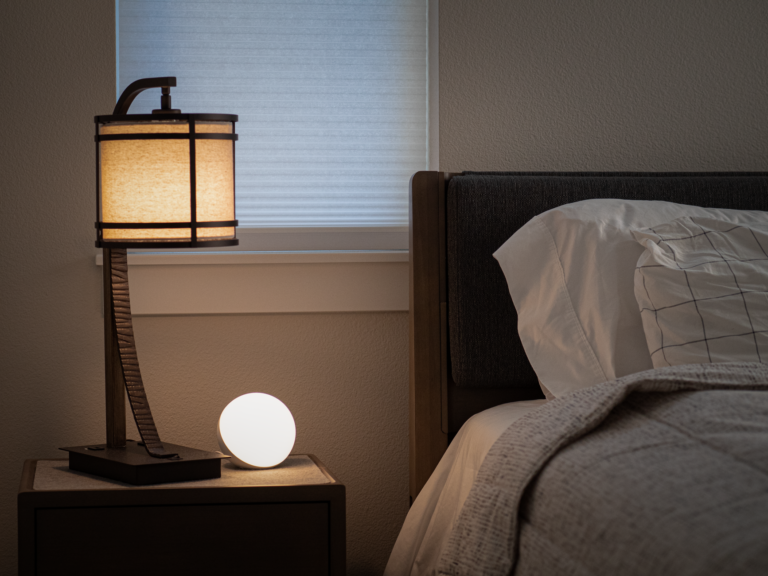










Chronic Sleep Deprivation: Understanding Its Impact and Solutions
Explore the causes, symptoms, and solutions for chronic sleep deprivation and how it affects your health and well-being.

Table of Contents
Key Takeaways
- Chronic sleep deprivation can lead to serious health issues.
- Common symptoms include fatigue, irritability, and cognitive impairment.
- Improving sleep hygiene can significantly enhance sleep quality.
- Consulting a healthcare professional is essential for persistent issues.
Chronic sleep deprivation is a condition that affects many individuals, often without them realizing the long-term consequences it can have on their health. This state of insufficient sleep can stem from various factors, including lifestyle choices, work commitments, and underlying health conditions. Understanding the implications of chronic sleep deprivation is crucial for anyone looking to improve their overall well-being.
Sleep is a fundamental aspect of human health, playing a vital role in physical, mental, and emotional functioning. While occasional sleepless nights are common and usually not cause for concern, persistent sleep deprivation can lead to significant health issues. The effects of chronic sleep deprivation can be far-reaching, influencing everything from mood and cognitive abilities to physical health and chronic disease risk.
This guide aims to provide you with a comprehensive understanding of chronic sleep deprivation, covering its symptoms, causes, impacts on health, and practical tips for improvement. By recognizing the signs and implementing effective strategies, you can take active steps toward better sleep and overall health.
Understanding Chronic Sleep Deprivation
Chronic sleep deprivation is defined as consistently getting less sleep than the recommended amount for your age group. According to the National Sleep Foundation, adults typically require between 7-9 hours of sleep per night, while teenagers need about 8-10 hours. When sleep consistently falls short of these recommendations, it can lead to chronic sleep deprivation.
Various factors contribute to chronic sleep deprivation, including lifestyle choices such as work schedules, social obligations, and poor sleep hygiene practices. Additionally, medical conditions like insomnia, sleep apnea, and restless leg syndrome can further exacerbate the problem. Understanding these contributing factors is essential for addressing the issue effectively.
One common scenario involves a working professional who frequently stays up late to complete work tasks or engage in leisure activities. Over time, this pattern can lead to accumulating sleep debt, resulting in chronic sleep deprivation. As the individual continues to sacrifice sleep for productivity, they may experience a decline in performance, health issues, and overall quality of life.
Symptoms of Chronic Sleep Deprivation
Identifying the symptoms of chronic sleep deprivation is crucial for seeking help and making necessary lifestyle changes. Common symptoms include:
- Fatigue: Persistent tiredness and low energy are hallmarks of chronic sleep deprivation.
- Cognitive Impairment: Difficulty concentrating, memory problems, and slower reaction times can result from inadequate sleep.
- Emotional Changes: Increased irritability, mood swings, and anxiety can occur, affecting interpersonal relationships and overall emotional health.
- Physical Health Issues: Chronic sleep deprivation can lead to weight gain, weakened immune function, and increased risk of chronic diseases such as diabetes and heart disease.
- Sleep Disorders: Individuals may develop conditions such as insomnia or sleep apnea as a result of ongoing sleep deprivation.
Recognizing these symptoms early can help individuals take action before more severe health issues arise. For example, someone who finds themselves feeling unusually irritable during the day may begin to connect this change in mood to their lack of sufficient sleep.

Causes of Chronic Sleep Deprivation
Understanding the root causes of chronic sleep deprivation is essential for addressing the issue effectively. Here are some of the most common causes:
- Poor Sleep Hygiene: Irregular sleep schedules, excessive screen time before bed, and an uncomfortable sleep environment can all contribute to poor sleep quality.
- Stress and Anxiety: Mental health issues such as stress and anxiety can lead to difficulties in falling asleep or staying asleep, perpetuating a cycle of sleep deprivation.
- Medical Conditions: Conditions like insomnia, sleep apnea, and chronic pain can disrupt sleep patterns and lead to insufficient rest.
- Substance Use: The use of stimulants such as caffeine, nicotine, and certain medications can interfere with sleep quality and duration.
- Work and Lifestyle Factors: Irregular work schedules, long hours, and social commitments can all lead to reduced sleep time.
By identifying these causes, individuals can take steps to mitigate their effects. For instance, someone working night shifts may need to implement strategies to create a conducive sleep environment during the day to maximize their rest.
Health Impacts of Chronic Sleep Deprivation
The health consequences of chronic sleep deprivation are severe and can affect various aspects of well-being. Here are some potential impacts:
- Cardiovascular Health: Chronic sleep deprivation has been linked to an increased risk of heart disease, hypertension, and stroke.
- Metabolic Health: Insufficient sleep can contribute to weight gain, insulin resistance, and increased risk of type 2 diabetes.
- Mental Health: Ongoing sleep deprivation can exacerbate conditions like depression and anxiety, leading to a cyclical pattern of poor sleep and mental health issues.
- Immune Function: Lack of sleep can weaken the immune system, making individuals more susceptible to infections and illnesses.
- Cognitive Function: Chronic sleep deprivation negatively affects cognitive functions such as attention, decision-making, and problem-solving abilities.
For example, a student who regularly sacrifices sleep to study may notice a decline in their grades and overall cognitive performance, demonstrating the tangible effects of inadequate rest.
Improving Sleep Quality
Improving sleep quality is essential for combating chronic sleep deprivation. Here are some practical strategies:
- Establish a Sleep Schedule: Go to bed and wake up at the same time every day, even on weekends, to regulate your body’s internal clock.
- Create a Relaxing Bedtime Routine: Engage in calming activities before bed, such as reading, meditation, or gentle stretching to signal your body that it’s time to wind down.
- Optimize Your Sleep Environment: Make your bedroom conducive to sleep by keeping it dark, cool, and quiet. Consider using blackout curtains, earplugs, or white noise machines.
- Limit Screen Time: Reduce exposure to screens at least an hour before bedtime, as the blue light emitted can interfere with melatonin production.
- Watch Your Diet: Avoid large meals, caffeine, and alcohol close to bedtime, as these can disrupt sleep quality.
Implementing even a few of these strategies can lead to improved sleep and a reduction in the symptoms of chronic sleep deprivation.

When to Seek Professional Help
While many individuals can improve their sleep patterns with lifestyle changes, some may require professional help. If chronic sleep deprivation persists despite implementing good sleep hygiene practices, it may be time to consult a healthcare professional. Signs that indicate the need for a professional evaluation include:
- Persistent Fatigue: If you consistently feel tired during the day, even after a full night’s sleep.
- Difficulty Concentrating: Struggling with focus, memory, or decision-making can signal underlying issues.
- Physical Symptoms: Experiencing physical health problems such as high blood pressure, weight gain, or frequent illness.
- Emotional Distress: Increased anxiety, depression, or mood swings that interfere with daily life.
A healthcare provider can assess your situation, recommend sleep studies, or suggest therapies to address sleep disorders and improve health outcomes.
Chronic Sleep Deprivation in Different Age Groups
Children and Adolescents
Chronic sleep deprivation can have profound effects on children and adolescents, impacting their physical health, cognitive development, and emotional well-being. Research indicates that children require more sleep than adults, with recommendations suggesting that school-aged children need between 9 to 11 hours of sleep per night. Sleep deprivation during these critical growth years can hinder their academic performance and lead to behavioral issues.
Some common effects of sleep deprivation in children include:
- Poor concentration and attention
- Increased irritability and mood swings
- Higher risk of obesity due to hormonal imbalance affecting appetite
- Weakened immune system
Parents should encourage healthy sleep habits by establishing consistent bedtime routines, creating an optimal sleep environment, and limiting screen time before bed. Schools can also play a part by starting classes later in the morning, allowing students to get the sleep they need.
Adults
For adults, chronic sleep deprivation can lead to a plethora of health issues, including increased risk for chronic diseases like diabetes and cardiovascular problems. The demands of work and family life often lead adults to prioritize productivity over sleep, resulting in a cycle of sleep deprivation that can be hard to break. Adults typically need 7 to 9 hours of sleep per night to function optimally.
Key implications of sleep deprivation in adults include:
- Decreased cognitive function and impaired decision-making
- Increased stress levels and anxiety
- Higher chances of developing mood disorders such as depression
- Impaired physical performance and increased risk of accidents
To combat sleep deprivation, adults should prioritize sleep as they would any other important task. Strategies include setting a consistent sleep schedule, creating a sleep-friendly environment, and practicing relaxation techniques before bedtime.
Seniors
As individuals age, their sleep patterns often change, leading to increased sleep disturbances and a higher prevalence of chronic sleep deprivation among seniors. Factors such as medical conditions, medications, and lifestyle changes can all contribute to poor sleep quality in this demographic. It is not uncommon for seniors to experience insomnia or fragmented sleep, which can exacerbate existing health issues.
Common challenges faced by seniors regarding sleep include:
- Chronic pain or discomfort from health issues
- Increased daytime napping, which can disrupt nighttime sleep
- Changes in circadian rhythms that affect sleep-wake cycles
- Social isolation leading to anxiety and depression
Encouraging seniors to maintain a regular sleep schedule, engage in physical activity during the day, and limit caffeine intake can help improve their sleep quality and overall health.

The Role of Nutrition in Sleep Quality
Foods That Promote Sleep
Nutrition plays a crucial role in sleep quality, as certain foods can either support restful sleep or contribute to sleep disturbances. Consuming a balanced diet rich in specific nutrients can help improve sleep duration and quality. Foods high in tryptophan, magnesium, and melatonin are particularly beneficial for promoting sleep.
Consider incorporating the following foods into your diet to enhance sleep quality:
- Turkey and chicken (high in tryptophan)
- Oats and whole grains (rich in magnesium)
- Fatty fish like salmon (omega-3 fatty acids)
- Cherries and bananas (natural melatonin sources)
- Nuts and seeds (healthy fats and magnesium)
In addition to specific sleep-promoting foods, maintaining a balanced diet overall is essential. Avoiding heavy meals close to bedtime and limiting caffeine and sugar intake can also contribute to better sleep hygiene.
Foods to Avoid
On the flip side, certain foods and beverages can negatively impact sleep quality. It’s important to be mindful of what you consume, especially in the hours leading up to bedtime. Foods that can disrupt sleep include:
- Caffeinated beverages (coffee, tea, and some sodas)
- Spicy or heavy foods that can cause discomfort
- Alcohol, which might initially induce sleep but disrupts sleep cycles
- Foods high in sugar, which can lead to fluctuating energy levels
Avoiding these foods several hours before sleep can improve your chances of achieving restorative sleep.
Hydration and Sleep
The role of hydration in sleep quality is often underestimated. While staying hydrated is essential for overall health, drinking excessive amounts of fluids before bedtime can lead to frequent trips to the bathroom, disrupting sleep. Conversely, dehydration can also negatively impact sleep quality and overall health.
To strike a balance, consider the following tips:
- Drink plenty of water throughout the day but reduce intake in the evening.
- Monitor your hydration levels by checking the color of your urine; light yellow indicates good hydration.
- Include foods with high water content, such as fruits and vegetables, in your diet.
By managing hydration effectively, you can support better sleep quality and overall well-being.
Alternative Therapies and Lifestyle Changes
Mindfulness and Relaxation Techniques
Incorporating mindfulness and relaxation techniques into your daily routine can significantly improve sleep quality. Practices such as meditation, deep breathing, and progressive muscle relaxation help calm the mind and prepare the body for sleep. Research has shown that individuals who practice these techniques experience reduced insomnia symptoms and improved sleep quality.
Common methods to consider include:
- Guided imagery or visualization exercises
- Mindfulness meditation focusing on the breath
- Yoga and gentle stretching to relieve tension
- Journaling to process thoughts and emotions before sleep
Setting aside time each day for these practices can create a more conducive environment for restful sleep.
Physical Activity
Regular physical activity is another vital element in promoting better sleep quality. Engaging in moderate-intensity exercise during the day can help regulate sleep patterns and reduce symptoms of insomnia. Exercise increases the production of serotonin, which can enhance mood and promote relaxation.
To reap the sleep benefits of physical activity, consider the following guidelines:
- Aim for at least 150 minutes of moderate aerobic activity each week.
- Incorporate strength training exercises on two or more days per week.
- Try to finish vigorous workouts at least three hours before bedtime.
Finding enjoyable physical activities can make it easier to establish a consistent exercise routine, ultimately benefiting your sleep.
Environmental Modifications
Creating an optimal sleep environment is crucial for combating chronic sleep deprivation. Factors such as light, noise, and temperature can significantly impact sleep quality. Making simple adjustments to your bedroom can create a more inviting and restful atmosphere.
Consider these modifications:
- Use blackout curtains to block out light.
- Invest in a white noise machine or earplugs to minimize disruptive sounds.
- Maintain a cool room temperature (between 60-67°F is recommended).
- Choose comfortable bedding and pillows that support your sleep posture.
By enhancing your sleep environment, you can promote deeper and more restorative sleep, reducing the impacts of chronic sleep deprivation.
For more information, see NIH.
Frequently Asked Questions
What is chronic sleep deprivation?
Chronic sleep deprivation refers to consistently getting insufficient sleep over an extended period, leading to various health issues and impairments.
What are the symptoms of chronic sleep deprivation?
Symptoms include fatigue, cognitive impairment, emotional instability, physical health issues, and the development of sleep disorders.
How can I improve my sleep quality?
Improving sleep quality can involve establishing a regular sleep schedule, creating a relaxing bedtime routine, optimizing your sleep environment, and reducing screen time.
When should I see a doctor about my sleep problems?
If sleep issues persist despite lifestyle changes, or if you experience serious symptoms like fatigue, cognitive difficulties, or emotional distress, consult a healthcare professional.
The Bottom Line
Chronic sleep deprivation is a serious condition that can have far-reaching effects on health and well-being. By understanding its symptoms, causes, and health impacts, individuals can take proactive steps to improve their sleep quality. Implementing effective sleep hygiene practices and seeking professional help when necessary are crucial for overcoming this challenge and enhancing overall health.
Was this page helpful?
Thanks for your feedback! What could we improve?
Thank you! Your feedback helps us improve our articles.
True Impact Health articles are written by our editorial team and based on reliable sources such as public health agencies, clinical guidelines and peer-reviewed research. This article has not yet been medically reviewed. Read our editorial process.
This content is for general information and is not a substitute for professional medical advice, diagnosis or treatment.