















How to Manage Osteoarthritis Pain: Effective Strategies for Relief
Discover effective strategies on how to manage osteoarthritis pain, including lifestyle changes, treatments, and preventive measures for better living.
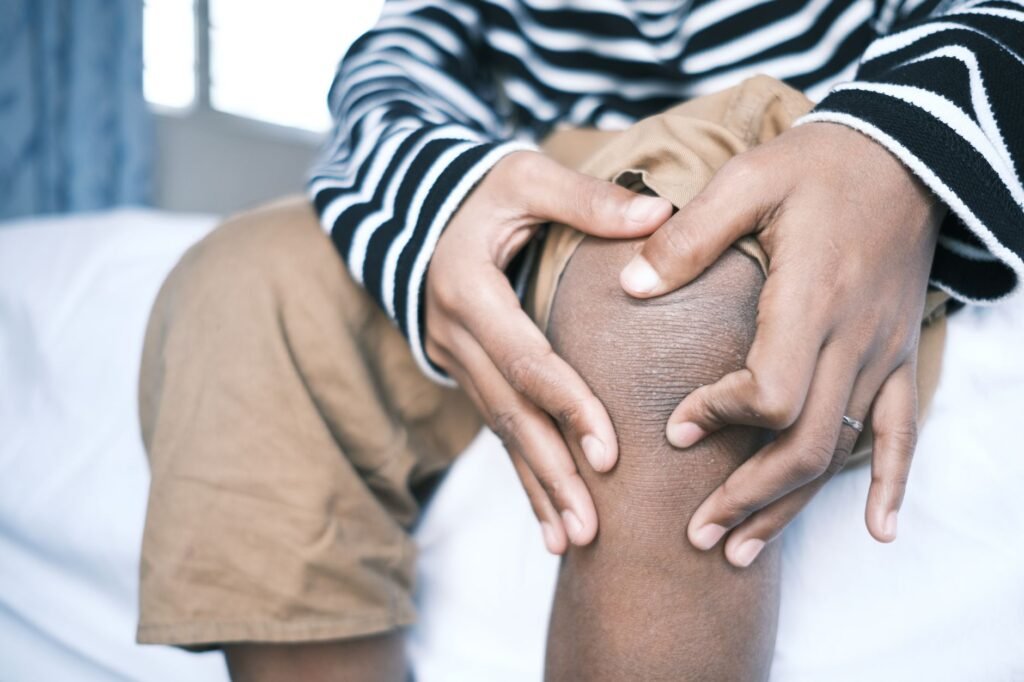
Table of Contents
Key Takeaways
- Understand osteoarthritis and its symptoms.
- Explore lifestyle changes that can alleviate pain.
- Learn about treatment options available.
- Get practical tips for daily management.
Understanding Osteoarthritis
Osteoarthritis is a common degenerative joint disease characterized by the breakdown of cartilage, which leads to pain, stiffness, and reduced mobility. It primarily affects weight-bearing joints such as the knees, hips, and spine, but can also impact the hands and fingers. Understanding the nature of osteoarthritis is crucial for effective management, as it informs treatment options and lifestyle adjustments.
Symptoms of osteoarthritis can vary significantly among individuals. Common signs include joint pain that worsens with activity and improves with rest, stiffness after periods of inactivity, and swelling around the joints. For some, the pain may be mild, while others may experience severe discomfort that impacts daily life. Recognizing these symptoms early can help in seeking timely treatment.
In addition to pain, osteoarthritis may lead to other complications, such as decreased range of motion and muscle weakness. These factors can further complicate mobility and overall quality of life. Managing osteoarthritis pain requires a comprehensive approach, combining various strategies tailored to individual needs.
Lifestyle Changes for Pain Management
Making adjustments in daily life can significantly affect the management of osteoarthritis pain. Here are several lifestyle changes that can help alleviate symptoms:
- Exercise Regularly: Engaging in low-impact activities like walking, swimming, or cycling can strengthen muscles around the joints, improve flexibility, and reduce stiffness. Aim for at least 150 minutes of moderate-intensity aerobic activity each week.
- Maintain a Healthy Weight: Excess weight puts additional stress on weight-bearing joints, exacerbating pain. A balanced diet combined with regular exercise can help in achieving and maintaining a healthy weight.
- Use Assistive Devices: Tools like canes, braces, or shoe inserts can provide support and reduce strain on affected joints. This is particularly helpful for those with knee or hip osteoarthritis.
- Stay Hydrated: Drinking plenty of water helps keep joints lubricated and can assist in reducing inflammation.
- Prioritize Rest: Ensure adequate rest and sleep to help the body recover. Pacing activities and incorporating rest periods can prevent fatigue and reduce pain flare-ups.
Dietary Considerations
Nutrition plays a significant role in managing osteoarthritis pain. Certain foods can help reduce inflammation and support joint health. Consider the following dietary changes:
- Incorporate Anti-Inflammatory Foods: Foods rich in omega-3 fatty acids, such as salmon, walnuts, and flaxseeds, can help reduce inflammation. Additionally, colorful fruits and vegetables like berries, spinach, and carrots provide antioxidants that may combat oxidative stress.
- Limit Processed Foods: Highly processed foods, particularly those high in sugar and unhealthy fats, can contribute to inflammation. Focus on whole, unprocessed foods for better health.
- Consider Supplements: Some individuals find relief with supplements like glucosamine and chondroitin. However, consult a healthcare provider before starting any new supplements to ensure safety and effectiveness.
Physical Therapy and Exercise
Physical therapy can play a vital role in managing osteoarthritis pain. A trained physical therapist can develop a personalized exercise program that focuses on strengthening the muscles around affected joints, enhancing flexibility, and improving overall function.
Examples of effective exercises include:
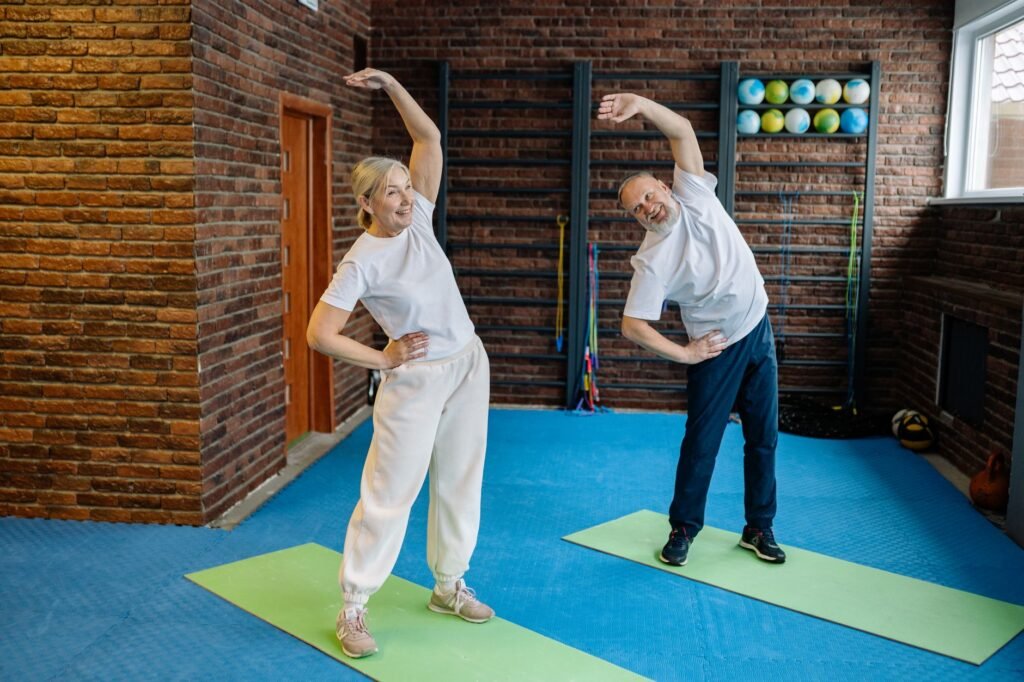
- Range of Motion Exercises: Simple stretches can help maintain flexibility in the joints.
- Strength Training: Light resistance training can strengthen muscles without putting excessive strain on the joints.
- Aerobic Exercise: Activities like walking, swimming, or cycling improve cardiovascular health while being gentle on the joints.
Consistency is key; regular exercise can lead to long-term benefits, including reduced pain and improved joint function.
Medications for Osteoarthritis Pain
For many, medications can provide significant relief from osteoarthritis pain. Here are some common categories of medications:
- Over-the-Counter Pain Relievers: Nonsteroidal anti-inflammatory drugs (NSAIDs) such as ibuprofen and naproxen can reduce inflammation and alleviate pain. Acetaminophen is another option for pain relief.
- Prescription Medications: In some cases, stronger medications may be prescribed, including COX-2 inhibitors or corticosteroids.
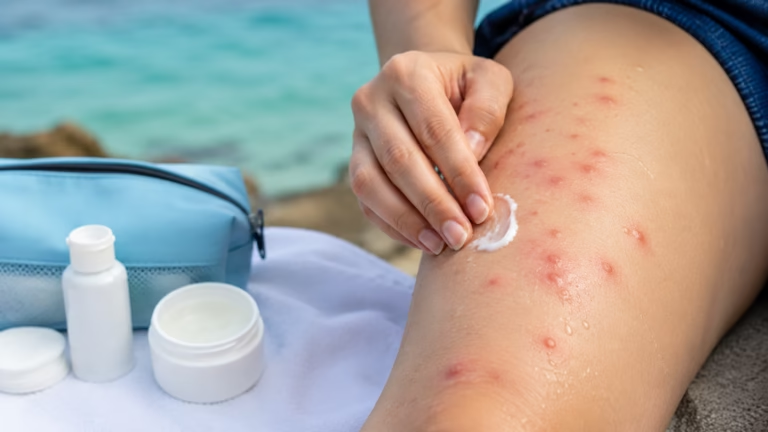
- Topical Treatments: Creams containing capsaicin or NSAIDs can be applied directly to the skin over the painful joint, providing localized relief.
It is important to consult with a healthcare provider before starting any medication to discuss potential side effects and interactions with other medications.
Alternative Therapies
Many individuals find relief from osteoarthritis pain through alternative therapies. These can complement traditional treatments and provide additional options for pain management:
- Acupuncture: This traditional Chinese medicine practice involves inserting thin needles into specific points on the body and may help relieve pain and improve joint function.
- Massage Therapy: Regular massages can help reduce muscle tension and improve circulation, leading to reduced pain.
- Mind-Body Techniques: Practices such as yoga, tai chi, and meditation can help manage pain by promoting relaxation and reducing stress.
While many people find success with these therapies, it’s essential to consult with a healthcare professional to ensure they are appropriate for your specific condition.
Using Heat and Cold Therapy
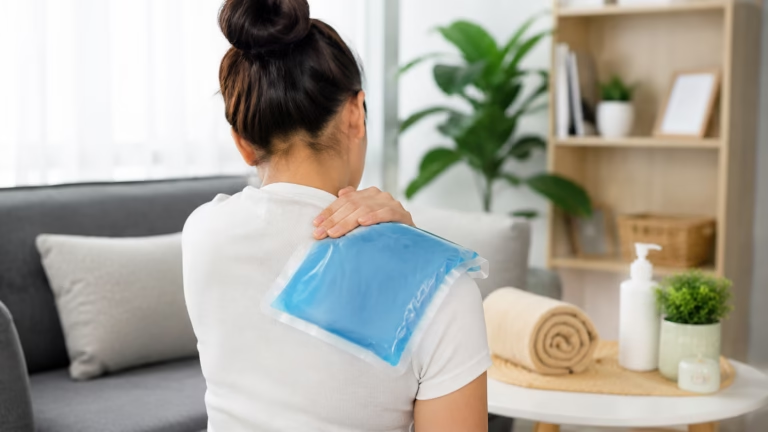
Heat and cold therapy can provide immediate relief for osteoarthritis pain. Both methods have distinct benefits and can be used depending on individual needs:
- Heat Therapy: Applying heat to affected joints can improve blood flow and relax muscles. Options include hot packs, warm baths, or heating pads. Heat is generally recommended for stiffness and muscle spasms.
- Cold Therapy: Ice packs can help reduce inflammation and numb soreness. This method is effective after exercise or activity that exacerbates pain.
Experimenting with both methods can help determine which provides the most relief for your symptoms.
Mindfulness and Stress Management Techniques
Chronic pain from osteoarthritis can be exacerbated by stress and anxiety. Practicing mindfulness and stress reduction techniques can play a crucial role in managing pain levels. Mindfulness helps individuals stay present and focus on the moment, reducing the mental burden of chronic pain.
Mindfulness Meditation
Mindfulness meditation involves focusing your attention and eliminating the stream of thoughts that may be crowding your mind. This practice can help reduce stress and improve pain perception. Regular practice can lead to changes in brain function that enhance emotional regulation and pain tolerance.
- Find a quiet space where you won’t be disturbed.
- Sit comfortably with your back straight.
- Focus on your breath, inhaling deeply and exhaling slowly.
- When your mind wanders, gently bring your focus back to your breath.
- Start with a few minutes each day and gradually increase the duration.
Yoga and Tai Chi
Yoga and Tai Chi are ancient practices that incorporate mindfulness, movement, and breathing exercises. Both are gentle on the joints and can improve flexibility, strength, and balance, which are particularly beneficial for individuals with osteoarthritis.
- Yoga can help enhance joint mobility and reduce stiffness.
- Tai Chi promotes relaxation and improves mental well-being.
- Both practices can be modified to accommodate different levels of ability.
Integrating Supportive Devices and Modifications
Utilizing supportive devices and making modifications to your environment can significantly help in managing osteoarthritis pain. These adaptations can reduce strain on affected joints and improve overall mobility.
Assistive Devices
Assistive devices can aid in daily activities, making them easier and less painful. These tools can help maintain independence and improve quality of life for those with osteoarthritis.
- Canes or Walkers: Provide stability and reduce the load on painful joints.
- Grab Bars: Installed in bathrooms can assist in getting in and out of the shower or tub.
- Ergonomic Tools: Kitchen tools designed to reduce strain can help with cooking and meal prep.
Home Modifications
Making simple modifications to your home can create a more accessible environment that minimizes pain triggers. Here are some suggestions:
- Remove tripping hazards, such as loose rugs or clutter.
- Consider using a shower chair or hand-held showerhead for easier bathing.
- Install a raised toilet seat to reduce strain on the knees.
Emotional Support and Therapy
The emotional toll of living with osteoarthritis can be significant. Seeking emotional support and therapy can provide coping strategies and improve mental health, which indirectly affects pain levels.
Cognitive Behavioral Therapy (CBT)
CBT is a structured, goal-oriented therapy that focuses on changing negative thought patterns and behaviors related to pain. It can help individuals develop better coping strategies and reduce anxiety and depression associated with chronic pain.
- CBT teaches techniques to manage emotional responses to pain.
- It can provide tools for re-framing negative thoughts and enhancing problem-solving skills.
- Therapists work with individuals to identify triggers and develop personalized coping strategies.
Support Groups
Joining a support group can provide a sense of community and understanding among individuals facing similar challenges. Sharing experiences and strategies can be empowering and help reduce feelings of isolation.
- Support groups can be found online or in local communities.
- They provide a platform for sharing tips and advice on pain management.
- Being part of a group can foster connections and friendships.
Understanding the Role of Sleep in Osteoarthritis Management
Importance of Quality Sleep
Sleep plays a crucial role in overall health, particularly for individuals managing chronic conditions like osteoarthritis. Poor sleep can exacerbate pain and inflammation, making it more difficult to cope with symptoms. Quality sleep aids in recovery and helps regulate the body’s pain perception. Establishing a consistent sleep routine can improve restfulness, which is vital for those dealing with the fatigue that often accompanies chronic pain.
Creating a Sleep-Friendly Environment
To enhance sleep quality, it’s important to create an environment conducive to rest. Consider the following tips:
- Keep the bedroom dark and cool, ideally between 60-67°F (15-19°C).
- Eliminate noise disruptions by using earplugs or white noise machines.
- Invest in a comfortable mattress and pillows that provide adequate support.
- Limit screen time before bed to reduce blue light exposure.
- Establish a calming pre-sleep routine, such as reading or practicing deep breathing exercises.
Addressing Sleep Disorders
Many individuals with osteoarthritis experience sleep disorders, including insomnia or sleep apnea, which can further complicate pain management. If sleep issues persist, it may be beneficial to consult a healthcare provider or sleep specialist. They can help identify underlying issues and recommend appropriate treatments, which may include cognitive behavioral therapy for insomnia or other interventions.

Utilizing Technology for Pain Management
Apps and Wearables for Tracking Symptoms
Advancements in technology have made it easier for individuals to manage osteoarthritis pain through various apps and wearable devices. These tools can help track pain levels, physical activity, medication usage, and sleep patterns. By consistently logging these factors, patients can identify patterns and triggers that may exacerbate their symptoms, allowing for more targeted management strategies.
Telehealth Services for Continuous Support
Telehealth services offer a convenient way for individuals with osteoarthritis to receive ongoing support from healthcare providers. Through virtual appointments, patients can discuss treatment options, adjust medications, and receive physical therapy guidance without the need for in-person visits. This accessibility can significantly enhance continuity of care, particularly for those with mobility challenges.
Online Communities and Forums
Connecting with others who share similar experiences can provide emotional support and valuable information. Online communities and forums dedicated to osteoarthritis can help individuals exchange tips, coping strategies, and encouragement. These platforms create a sense of belonging that can alleviate feelings of isolation. Consider participating in forums that focus on:
- Sharing personal stories and experiences with osteoarthritis.
- Discussing new treatments or therapies.
- Offering and receiving emotional support.
- Finding local support groups or resources.
Exploring Innovative Therapies and Treatments
Regenerative Medicine Approaches
Regenerative medicine, including stem cell therapy and platelet-rich plasma (PRP) injections, offers promising new avenues for osteoarthritis treatment. These therapies aim to promote healing in damaged joints and reduce inflammation. While still under investigation, preliminary studies suggest that these approaches may lead to improved function and decreased pain for some patients.
Acupuncture and Acupressure
Acupuncture and acupressure are traditional Chinese medicine techniques that have gained popularity for pain management. Acupuncture involves inserting tiny needles at specific points on the body to stimulate energy flow and promote healing. Acupressure, on the other hand, applies pressure to these points without needles. Both methods aim to relieve pain and improve joint mobility. Consider the following benefits:
- Potential reduction in pain severity.
- Improved joint function.
- Minimal side effects compared to pharmaceuticals.
Hydrotherapy and Aquatic Exercises
Hydrotherapy, or water therapy, utilizes the properties of water to alleviate pain and improve mobility. Warm water can relax muscles and joints, while buoyancy reduces the strain on these areas during exercise. Participating in aquatic exercises can help enhance strength, flexibility, and endurance without putting undue stress on the joints. Local community centers or rehabilitation facilities often offer hydrotherapy classes tailored for individuals with osteoarthritis.
For more information, see CDC.
Frequently Asked Questions
Can osteoarthritis be cured?
Currently, there is no cure for osteoarthritis. However, pain management and lifestyle changes can significantly improve quality of life.
How do I know if I have osteoarthritis?
Common signs include joint pain during movement, stiffness after sitting, and swelling. A healthcare provider can diagnose osteoarthritis through a physical examination and imaging tests.
Are there specific exercises to avoid with osteoarthritis?
High-impact activities, such as running or jumping, may worsen symptoms. Focus on low-impact exercises that do not strain the joints.
When should I see a doctor about my osteoarthritis pain?
If pain worsens, affects daily life, or if you notice significant swelling, it’s important to consult with a healthcare provider for further evaluation and management.
The Bottom Line
Managing osteoarthritis pain requires a multifaceted approach, including lifestyle changes, exercise, dietary adjustments, and potentially medications. By understanding the condition and implementing these strategies, individuals can improve their quality of life and reduce pain. Consulting with healthcare professionals is essential for developing a personalized plan that meets individual needs.
Was this page helpful?
Thanks for your feedback! What could we improve?
Thank you! Your feedback helps us improve our articles.
True Impact Health articles are written by our editorial team and based on reliable sources such as public health agencies, clinical guidelines and peer-reviewed research. This article has not yet been medically reviewed. Read our editorial process.
This content is for general information and is not a substitute for professional medical advice, diagnosis or treatment.