Remove contaminated swimwear immediately; rinse with seawater, then wash gently with mild soap and lukewarm water. Avoid vigorous rubbing.
Use cool compresses and soothing treatments like calamine, 1% hydrocortisone, oral antihistamines, baking soda, or oatmeal to reduce itching.
Prevent future bites by wearing protective swimwear, checking local beach advisories, and showering and removing swimwear promptly after swimming.
Treat sea lice bites by gently washing the area with mild soap and lukewarm water, then applying cool compresses to reduce itching and swelling. Over‑the‑counter hydrocortisone cream or oral antihistamines can help control inflammation and itch. Keep the skin clean, avoid scratching, and seek medical help if symptoms worsen.
Introduction
A day at the beach is usually associated with relaxation, swimming, surfing, and enjoying the ocean. However, some beachgoers return home with an uncomfortable and unexpected problem known as sea lice bites. Despite their name, sea lice are not actually lice. They are microscopic larvae of certain jellyfish and sea anemones that drift through warm coastal waters. When these tiny organisms become trapped beneath swimwear or against the skin, they can release stinging cells that cause irritation, itching, and an uncomfortable rash.
Sea lice bites can range from mild irritation to an intensely itchy and persistent rash that lasts for several days. The condition is particularly common in warm coastal regions during certain seasons when jellyfish larvae are abundant in the water. Fortunately, most cases can be managed effectively at home with proper first aid, soothing treatments, and preventive measures.
This guide explains everything you need to know about sea lice bites, including what causes them, how to recognize the symptoms, the most effective treatments, and practical strategies for preventing future exposure.
Understanding Sea Lice and Their Bites
Before discussing treatment options, it is important to understand what sea lice actually are and why they cause skin reactions.
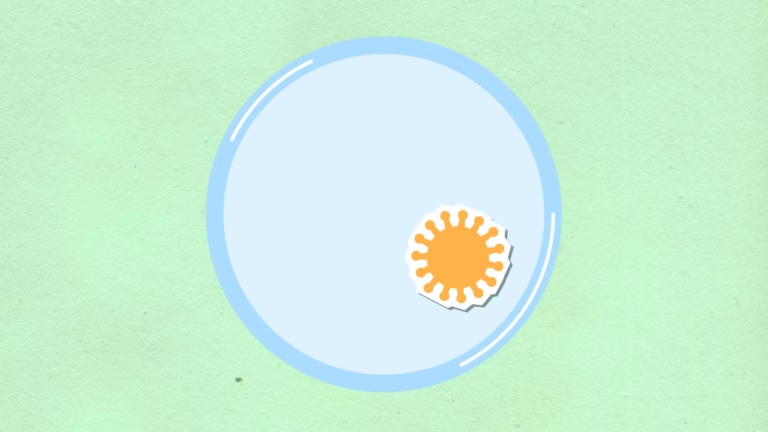
Sea lice are tiny marine organisms that are usually the larval forms of jellyfish or sea anemones. These larvae are often too small to see with the naked eye and drift freely through coastal waters. When swimmers enter infested waters, the larvae can become trapped between the skin and tight-fitting clothing such as swimsuits, rash guards, wetsuits, or swim trunks.
Once trapped, pressure, friction, or changes in water conditions can trigger the larvae’s stinging cells, known as nematocysts. These microscopic stingers inject irritating substances into the skin, resulting in an inflammatory reaction.
Unlike insect bites, sea lice bites do not occur because the organism is feeding on the skin. Instead, the symptoms arise from the release of these stinging cells. This distinction helps explain why the rash often appears underneath areas covered by swimwear rather than on exposed skin.
Common Symptoms of Sea Lice Bites
The symptoms of sea lice bites usually develop shortly after leaving the water, although some individuals may not notice them until several hours later.
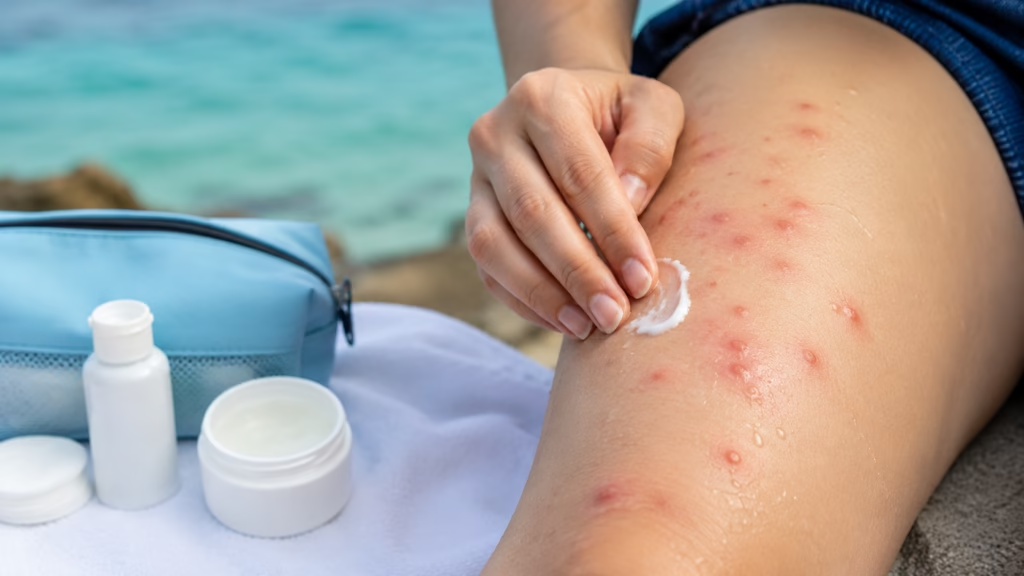
The most common symptom is the appearance of small red or pink bumps on the skin. These bumps may resemble insect bites, heat rash, or an allergic reaction. The affected area often becomes intensely itchy and may also produce sensations of burning, tingling, or stinging.
The rash frequently develops beneath swimsuit straps, around waistbands, beneath the chest area, around the neck, or wherever tight-fitting swimwear traps the larvae against the skin. Because of this characteristic pattern, healthcare providers can often distinguish sea lice bites from other types of skin irritation.
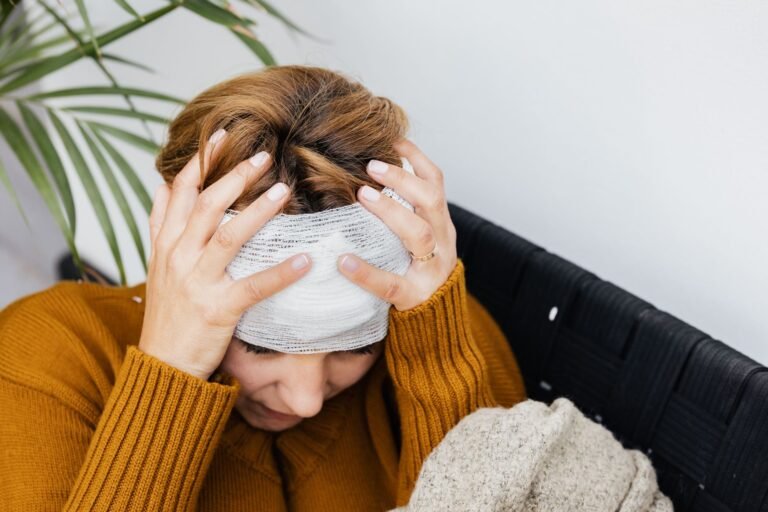
Some individuals may experience only mild itching, while others develop widespread discomfort that interferes with sleep and daily activities. In rare cases, sensitive individuals may develop systemic symptoms such as fever, headache, fatigue, nausea, or enlarged lymph nodes.
Immediate First Aid After Sea Lice Exposure
Prompt action can significantly reduce irritation and prevent symptoms from worsening.
The first step is to remove your swimsuit as soon as possible. Because larvae may remain trapped within the fabric, continuing to wear the swimsuit can prolong exposure and increase irritation. Remove the clothing carefully to avoid rubbing the affected skin.
After removing swimwear, it is important to rinse the skin with seawater or a saline solution if possible. Salt water helps wash away remaining larvae without triggering additional stinging. Freshwater should generally be avoided initially because sudden changes in salinity may cause undischarged stinging cells to release more toxins into the skin.
Once the initial rinse is complete, wash the affected area gently with mild soap and lukewarm water. This helps remove any remaining irritants and reduces the risk of secondary infection. Harsh scrubbing should be avoided because it can worsen inflammation and further irritate sensitive skin.
After cleansing, gently pat the skin dry with a soft towel. Avoid vigorous rubbing, as friction can aggravate the rash and increase discomfort.
Using Cool Compresses to Reduce Symptoms
One of the simplest and most effective methods for relieving discomfort is applying a cool compress.
Cold temperatures help reduce inflammation by constricting blood vessels and slowing the body’s inflammatory response. This can significantly reduce itching, redness, and swelling.
To create a cool compress, wrap an ice pack or a bag of frozen vegetables in a clean towel and apply it to the affected area for ten to fifteen minutes at a time. If an ice pack is unavailable, a damp washcloth chilled in cold water can also provide relief.
This treatment can be repeated several times throughout the day as needed. Most individuals notice temporary relief from itching and burning shortly after applying a cold compress.
Baking Soda and Oatmeal Treatments
Natural remedies such as baking soda and oatmeal can provide additional relief from itching and skin irritation.
Baking soda has mild anti-inflammatory properties and can help neutralize irritation on the skin. To use this remedy, mix baking soda with a small amount of water to form a thick paste. Apply the paste directly to the affected areas and allow it to remain on the skin for approximately ten minutes before rinsing gently with cool water.
Oatmeal is another well-known remedy for itchy skin conditions. Colloidal oatmeal contains compounds that soothe inflammation and support the skin barrier. Finely ground oatmeal can be mixed with water to create a paste or added directly to a lukewarm bath.
Many people find that oatmeal treatments provide lasting relief from itching while helping the skin heal more comfortably.
Over-the-Counter Medications for Relief
Several non-prescription medications can help manage symptoms effectively.
Calamine lotion is commonly recommended for sea lice bites because it provides a cooling effect and helps dry irritated skin. Applying calamine lotion several times daily can significantly reduce itching and discomfort.
Hydrocortisone cream, typically available in a one-percent formulation without a prescription, can help reduce inflammation and suppress the immune response responsible for itching. This medication is particularly helpful when the rash is widespread or intensely itchy.
Oral antihistamines may also be beneficial. Medications such as diphenhydramine, cetirizine, or loratadine can help control the body’s histamine response, reducing itching and improving comfort. Some antihistamines may cause drowsiness, which can be useful if itching interferes with sleep.
When using any medication, it is important to follow the instructions on the product label or consult a healthcare professional if symptoms persist.
Natural Remedies That May Help
Many people prefer natural treatments to complement conventional therapies.
Aloe vera gel is widely recognized for its soothing and anti-inflammatory properties. Applying pure aloe vera gel to affected skin can help cool the area and reduce redness.
Witch hazel is another popular option. As a natural astringent, witch hazel may reduce swelling and calm irritated skin. It can be applied gently using a cotton pad or soft cloth.
Coconut oil may also provide benefits due to its moisturizing and mild antimicrobial properties. While it does not directly eliminate the rash, it can reduce skin dryness and support healing.
Although these remedies are generally safe, individuals with sensitive skin should test a small area first to ensure they do not experience additional irritation.
Monitoring for Complications
Most sea lice rashes improve within a few days and resolve completely within one to two weeks. However, it is important to monitor symptoms carefully during the healing process.
Watch for signs of infection, including increasing redness, warmth, swelling, pus formation, or worsening pain. These symptoms may indicate that bacteria have entered the skin through scratching or broken skin.
In rare cases, individuals may experience a severe allergic reaction. Symptoms such as difficulty breathing, wheezing, facial swelling, dizziness, or throat tightness require immediate emergency medical attention.
Persistent itching, extensive blistering, or a rash that fails to improve after several days should also prompt evaluation by a healthcare professional.
Preventing Future Sea Lice Bites
Prevention remains the most effective strategy for avoiding sea lice bites.
Wearing protective swimwear can significantly reduce skin exposure. Rash guards, swim leggings, and full-body swim suits create a barrier that limits contact between larvae and the skin.
Being aware of local conditions is equally important. Many coastal areas issue warnings when sea lice concentrations are high. Checking beach advisories before swimming can help you avoid exposure during peak infestation periods.
After swimming, remove your swimsuit promptly and shower thoroughly. Washing both your skin and swimwear immediately after leaving the water reduces the likelihood of prolonged exposure to trapped larvae.
Some swimmers also use protective anti-sting lotions designed to create a barrier between the skin and marine stinging organisms. While not completely foolproof, these products may offer additional protection.
Conclusion
Sea lice bites can transform an enjoyable beach outing into an uncomfortable experience, but they are usually manageable with prompt treatment and proper care. Understanding what causes the rash, recognizing symptoms early, and applying appropriate first-aid measures can greatly reduce discomfort and accelerate healing.
Removing contaminated swimwear, rinsing properly, applying cool compresses, using anti-itch treatments, and monitoring for complications are all important steps in recovery. Most people experience complete resolution within days without lasting effects.
By taking preventive measures such as wearing protective swimwear, staying informed about local sea lice activity, and practicing proper post-swim hygiene, you can significantly reduce your risk of future encounters. With the right knowledge and preparation, you can continue enjoying the beach while keeping your skin comfortable, healthy, and free from the sting of sea lice.
Disclaimer
This article is for educational purposes only and does not replace professional medical advice, diagnosis, or treatment. Seizures, severe headache, confusion, visual changes, or blood pressure readings in the hypertensive crisis range require urgent medical evaluation.
Persistent itching or rash lasting more than a week
If symptoms are severe or come on suddenly, call your local emergency number.
Frequently asked questions
Can freshwater be used to wash sea lice bites?
Freshwater is not recommended initially because it can cause undischarged nematocysts to fire, worsening the reaction. Rinse with seawater or a saline solution, then wash with mild soap and lukewarm water.
How long do sea lice bite symptoms usually last?
Most mild reactions improve within a few days. With proper care, itching and redness typically subside in 3–7 days, though some people may experience lingering irritation for up to two weeks.
Are there any effective home remedies besides cool compresses?
Applying a paste of baking soda and water or a colloidal oatmeal bath can soothe itching. Over‑the‑counter hydrocortisone 1% cream or oral antihistamines are also useful for reducing inflammation.
Can sea lice bites cause an allergic reaction?
Yes, a small number of individuals may develop an allergic response, presenting with widespread hives, swelling, or systemic symptoms such as fever. If these occur, seek medical attention promptly.
Was this page helpful?
Thanks for your feedback! What could we improve?
Thank you! Your feedback helps us improve our articles.
True Impact Health articles are written by our editorial team and based on reliable sources such as public health agencies, clinical guidelines and peer-reviewed research. This article has not yet been medically reviewed. Read our editorial process.
This content is for general information and is not a substitute for professional medical advice, diagnosis or treatment.