















Osteoarthritis treatment
Learn practical Osteoarthritis treatment options, from lifestyle tweaks and physical therapy to medication and surgery, in clear, evidence‑based language.
By True Impact Health Editorial Team

Medical graduate of Girne American University with a focus on patient-centred care, clinical assessment and preventive health.
Reviewed this article on November 2, 2026.
View profile How we reviewUpdated on October 30, 2026 9 min read
Table of Contents
Key Takeaways
- Lifestyle changes can slow joint damage
- Physical therapy improves function and pain control
- Medications are chosen based on severity and safety
- Surgery is a last‑resort option for advanced disease
Living with joint pain can feel overwhelming, but understanding your options for Osteoarthritis treatment can bring confidence and relief. Osteoarthritis is the most common form of arthritis, caused by the gradual wear of cartilage that cushions the ends of bones. When that cartilage thins, bones rub together, leading to pain, stiffness, and reduced mobility. The good news is that a combination of lifestyle adjustments, physical therapies, medicines, and, when needed, surgery can help you stay active and enjoy daily life.
This guide walks you through the evidence‑based strategies recommended by major health organisations such as the NHS and the Mayo Clinic. It is written for everyday readers, so medical terms are explained in plain language. Remember, the information here is general; always discuss any new treatment plan with your doctor or a qualified health professional.
Whether you have just been diagnosed or have been managing osteoarthritis for years, the steps below can be tailored to fit your needs, goals, and the advice of your health team.
Understanding Osteoarthritis
Osteoarthritis (OA) occurs when the smooth cartilage that covers the ends of bones breaks down over time. The loss of cartilage reduces the joint’s ability to glide smoothly, causing the underlying bone to become exposed. This exposure can trigger inflammation, pain, and the formation of bone spurs. OA most commonly affects the knees, hips, hands, and spine, but any joint can be involved.
Risk factors include age, genetics, previous joint injury, repetitive stress from work or sports, and excess body weight. While the disease cannot be cured, its progression can be slowed, and symptoms can be managed effectively. For a reliable overview of OA, you can visit the MedlinePlus health information portal.
The hallmark symptoms are joint pain that worsens with activity, stiffness after periods of rest (especially in the morning), and a reduced range of motion. As the condition advances, swelling and a crunching sensation (crepitus) may appear. Recognising these signs early allows you to start treatment before significant joint damage occurs.
Lifestyle Changes for Osteoarthritis Treatment
Everyday habits have a powerful impact on joint health. Simple adjustments can reduce stress on affected joints, improve mobility, and lessen pain.
Exercise and Movement
Regular, low‑impact exercise strengthens the muscles that support joints, improves flexibility, and boosts blood flow to cartilage. Aim for at least 150 minutes of moderate activity each week, such as brisk walking, cycling, or swimming. Strength‑training two to three times weekly, focusing on the quadriceps, hamstrings, and hip muscles, provides additional joint protection.
Start slowly and increase intensity gradually to avoid flare‑ups. Warm‑up for five minutes with gentle range‑of‑motion movements, and finish with a cool‑down stretch. If you experience sharp pain during an activity, stop and consult a physiotherapist.
Weight Management
Carrying extra weight puts additional pressure on weight‑bearing joints, especially the knees and hips. Research shows that losing just 5-10% of body weight can reduce knee pain by up to 30%. Combine a balanced, nutrient‑dense diet with regular activity to achieve sustainable weight loss.
Focus on whole foods: vegetables, fruits, lean proteins, whole grains, and healthy fats. Limit processed snacks, sugary drinks, and excessive sodium. Hydration also supports joint lubrication.
Joint Protection Strategies
Small changes in daily routines can protect vulnerable joints. Use handrails when climbing stairs, avoid prolonged standing, and choose supportive footwear with good arch support. When lifting objects, bend at the hips and knees, not the waist, to keep the spine aligned.
Assistive devices such as canes, walkers, or ergonomic kitchen tools can reduce strain. The key is to stay active while minimizing unnecessary joint stress.
Physical Therapies
Physical therapy (PT) is a cornerstone of osteoarthritis treatment. A qualified therapist designs a personalised programme that addresses your specific joint issues, pain level, and functional goals.
Targeted Exercise Programs
Therapists teach you safe strengthening and stretching exercises, often using resistance bands or light weights. They also guide you on proper posture and body mechanics to prevent further joint wear.
Regular PT sessions can improve pain scores by 30% on average and increase walking distance by up to 40% in people with knee OA.
Aquatic Therapy
Water‑based exercises reduce the load on joints by up to 90%, making movement easier and less painful. Warm water also relaxes muscles, enhancing flexibility. Many community centres offer hydrotherapy classes tailored for arthritis patients.
Typical aquatic routines include gentle leg lifts, arm circles, and walking in waist‑deep water. Sessions lasting 30-45 minutes, two to three times per week, have shown measurable improvements in joint function.
Heat and Cold Modalities
Applying heat (warm packs, heating pads, warm baths) relaxes tight muscles and improves circulation before activity. Cold therapy (ice packs, cold gels) reduces swelling and numbs pain after activity. Alternate use based on symptom patterns can provide quick relief.
Limit heat applications to 15‑20 minutes and cold to 10‑15 minutes, with a protective cloth between the skin and the source.
Medications and Pain Relief
When lifestyle and physical therapy are not enough to control symptoms, medicines become an important part of the treatment plan. The choice of medication depends on pain severity, health history, and potential side effects.
| Medication Type | Typical Use | Key Considerations |
|---|---|---|
| Acetaminophen (Paracetamol) | Mild to moderate pain | Safe for most adults; avoid exceeding daily limit to protect liver |
| Non‑steroidal anti‑inflammatory drugs (NSAIDs) | Moderate pain and inflammation | May irritate stomach; use lowest effective dose; check kidney health |
| Topical NSAIDs | Localized joint pain | Fewer systemic effects; apply to clean, dry skin |
| Prescription NSAIDs or COX‑2 inhibitors | Severe pain not controlled by OTC | Requires doctor monitoring for cardiovascular risk |
Over‑the‑counter (OTC) options such as acetaminophen and topical NSAIDs are often first‑line because they carry fewer risks. If pain persists, a doctor may prescribe oral NSAIDs or stronger pain relievers, always balancing benefit against potential gastrointestinal, kidney, or cardiovascular side effects.
In some cases, short courses of oral corticosteroids are used to reduce acute inflammation, but long‑term use is avoided due to bone thinning and other complications.
When to Seek Professional Advice
If you need pain relief more than three days a week, experience night‑time pain, or notice swelling that does not improve with rest, schedule a medical review. Your provider can assess whether stronger medication, joint injections, or further interventions are needed.

Complementary and Alternative Approaches
Many people explore additional therapies alongside conventional treatment. While scientific evidence varies, some approaches have shown modest benefits and are generally safe when used correctly.
Supplements
Glucosamine and chondroitin sulfate are popular joint supplements. Some studies suggest slight pain reduction, but results are inconsistent. If you choose to try them, use products that have undergone third‑party testing for purity.
Omega‑3 fatty acids from fish oil have anti‑inflammatory properties and may help reduce joint swelling. A typical dose is 1-3 grams per day, taken with meals.
Acupuncture and Manual Therapy
Acupuncture involves inserting thin needles at specific points to modulate pain pathways. Clinical trials report modest pain relief for knee OA, especially when combined with exercise.
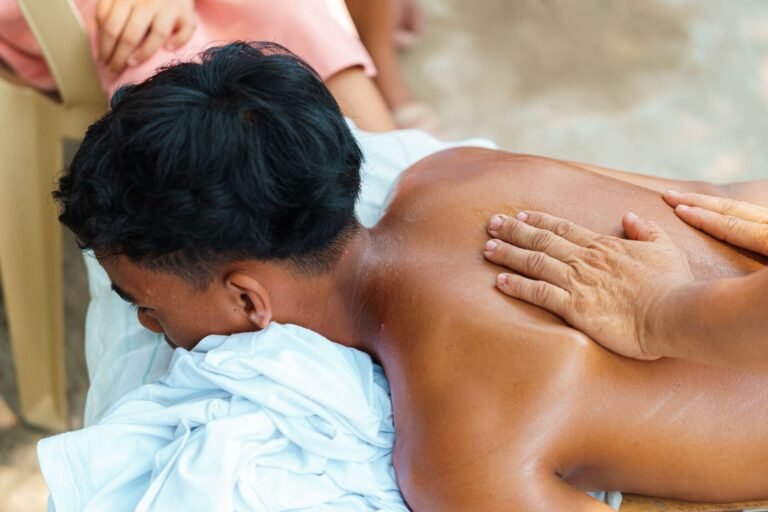
Massage, chiropractic adjustments, and osteopathic manipulation can improve circulation and reduce muscle tension, but they should complement, not replace, core treatment strategies.
Mind‑Body Techniques
Stress amplifies pain perception. Practices such as mindfulness meditation, deep‑breathing exercises, and gentle yoga can lower stress hormones and improve coping skills. A weekly 20‑minute mindfulness session has been linked to reduced pain intensity in chronic arthritis patients.
Surgical Options
When conservative measures no longer provide adequate relief and joint damage severely limits function, surgery may be considered. Surgery is not a cure but can restore mobility and reduce pain.
Arthroscopy
Arthroscopic surgery involves inserting a tiny camera into the joint to remove loose fragments or smooth damaged cartilage. It is most effective for specific mechanical problems, such as a meniscal tear, rather than generalized OA.
Recovery is relatively quick, with most patients returning to light activities within a few weeks.
Joint Replacement (Arthroplasty)
Total knee or hip replacement replaces the damaged joint surfaces with metal and plastic components. Indications include severe pain at rest, inability to perform daily activities, and radiographic evidence of advanced joint degeneration.
Modern implants last 15-20 years on average. Rehabilitation after surgery involves intensive physiotherapy to regain strength and range of motion.
Realistic Expectations
Even after a successful joint replacement, some patients experience lingering stiffness or occasional discomfort. The goal is to achieve functional improvement, not a completely pain‑free state.
Discuss the risks, benefits, and expected recovery timeline with an orthopaedic surgeon to make an informed decision.

Managing Flare‑Ups
Osteoarthritis symptoms can worsen suddenly, often triggered by over‑use, weather changes, or illness. Having a plan for flare‑ups can minimise downtime.
- Rest the joint for 24‑48 hours, avoiding activities that cause sharp pain.
- Apply cold therapy for 10‑15 minutes several times a day to reduce swelling.
- Take an OTC pain reliever such as acetaminophen, following label instructions.
- Gentle range‑of‑motion exercises keep the joint from stiffening; avoid vigorous stretching.
- Monitor symptoms and contact your healthcare provider if pain persists beyond a few days or worsens.
Keeping a symptom diary helps you identify patterns and triggers, allowing you to adjust activities before a flare‑up occurs.
Frequently Asked Questions
Can diet alone stop osteoarthritis?
Diet alone cannot reverse cartilage loss, but a balanced diet supports overall joint health and can reduce inflammation. Weight loss, if needed, is the most impactful dietary change for weight‑bearing joints.
Are steroid injections safe?
Intra‑articular steroid injections can provide short‑term pain relief, usually lasting a few weeks to months. Repeated injections may increase the risk of joint damage, so they are used sparingly under a doctor’s guidance.
Is walking enough exercise for knee osteoarthritis?
Walking is an excellent low‑impact activity that improves circulation and strengthens surrounding muscles. For many people, walking combined with targeted strengthening exercises offers optimal benefits.
When should I consider joint replacement surgery?
Consider surgery when pain interferes with daily living despite medication, therapy, and lifestyle changes, and imaging shows advanced joint deterioration. A thorough discussion with an orthopaedic specialist will clarify if you are a good candidate.
The Bottom Line
Osteoarthritis treatment is multi‑faceted, blending lifestyle modifications, physical therapy, appropriate medications, and, when necessary, surgical options. By staying active, managing weight, and working closely with healthcare professionals, most people can control pain, maintain function, and enjoy a good quality of life. Always consult your doctor before starting new treatments to ensure they fit your personal health profile.
Was this page helpful?
Thanks for your feedback! What could we improve?
Thank you! Your feedback helps us improve our articles.
Medically reviewed by
Dr. Oluwabusola Stella OkeMedical graduate of Girne American University with a focus on patient-centred care, clinical assessment and preventive health.
True Impact Health articles are written by our editorial team and based on reliable sources such as public health agencies, clinical guidelines and peer-reviewed research. This article has been checked by a doctor on our review panel. Read our editorial process.
This content is for general information and is not a substitute for professional medical advice, diagnosis or treatment.