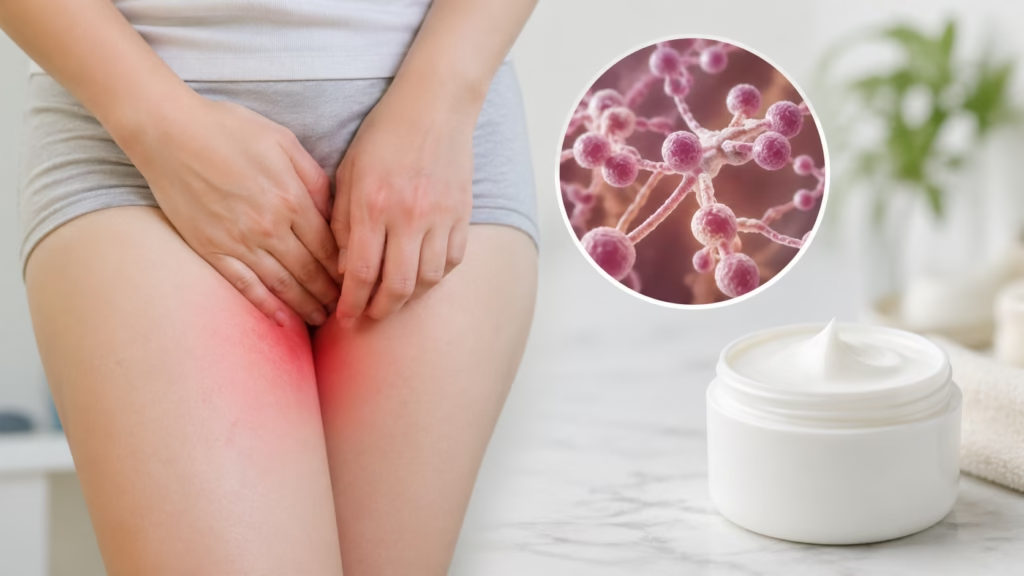
Burning from yeast cream often stems from ingredient sensitivity, over‑application, or damaged skin; learn how to avoid it and when to seek medical help.
Check ingredient sensitivity. Fragrances or preservatives may irritate skin. Do a patch test and try hypoallergenic formulas.
Apply cream sparingly and follow instructions. Avoid sensitive areas and layering other active products to reduce irritation.
Stop use if burning persists. Seek medical advice for severe, worsening, or allergic reactions to get proper diagnosis and treatment.
Yeast cream can cause a burning feeling if the skin is sensitive to ingredients, if it’s applied too often or in too large an amount, or if it’s used on broken or irritated skin. Stopping use, testing a small area first, and following the product directions usually helps prevent the discomfort.
Have you ever experienced that uncomfortable burning sensation after using yeast cream? It’s not something anyone wants to deal with, but unfortunately, it can happen to the best of us. In this article, we’ll explore the reasons why yeast cream may cause burning and what you can do to prevent it.
Yeast cream burning can be a real nuisance, but it’s important to understand the root causes. Whether you’re using yeast cream for a fungal infection or as part of your skincare routine, there are a few common culprits that could be to blame.
One possible reason for yeast cream burning is sensitivity to certain ingredients. Some people may have allergies or sensitivities to specific components in the cream, such as fragrances or preservatives. It’s always a good idea to check the ingredients list before using any skincare product to make sure you’re not allergic to anything in it.
Another factor that can contribute to yeast cream burning is incorrect application techniques. It’s essential to follow the instructions provided by the manufacturer when applying the cream. Using too much product or applying it too frequently can irritate the skin and lead to that uncomfortable burning sensation.
Allergic reactions are also a common cause of yeast cream burning. If you notice redness, swelling, or itching after using the cream, it’s possible that you’re having an allergic reaction. In this case, it’s best to stop using the product immediately and consult with a healthcare professional for further guidance.
Overuse of yeast cream can also result in burning and irritation. While it may be tempting to slather on extra cream in the hopes of speeding up the healing process, it’s important to use only the recommended amount and frequency of application. Overusing yeast cream can disrupt the skin’s natural balance and lead to unwanted side effects.
If you’re experiencing yeast cream burning that doesn’t go away or gets worse over time, it’s crucial to seek medical advice. A healthcare provider can help determine the underlying cause of the burning sensation and recommend appropriate treatment options. Don’t hesitate to reach out for professional help if you’re feeling uncomfortable or unsure about how to address the issue.
Sensitivity to Ingredients
One of the main reasons why yeast cream can cause burning is due to sensitivity to certain ingredients. Just like some people are allergic to peanuts or shellfish, others may have a reaction to components in yeast cream. These ingredients can irritate the skin, leading to that unpleasant burning sensation.
If you find that your skin is burning after using yeast cream, take a look at the ingredient list. Some common culprits that may cause irritation include fragrances, preservatives, or other additives. It’s important to pay attention to these ingredients and watch out for any signs of sensitivity.
One tip is to do a patch test before applying yeast cream all over your skin. Apply a small amount to a small area and wait to see if any redness, itching, or burning occurs. This can help you identify if you have a sensitivity to any specific ingredients.
If you suspect that a certain ingredient is causing the burning sensation, consider switching to a yeast cream that is free of that particular component. Opting for a hypoallergenic or sensitive skin formula may help alleviate the discomfort.
Remember, everyone’s skin is different, so what works for one person may not work for another. It’s all about finding the right product that suits your skin’s needs and doesn’t cause any irritation.
So, if you’re experiencing burning from yeast cream, sensitivity to ingredients could be the culprit. Take a closer look at the ingredient list, do a patch test, and consider switching to a more gentle formula if needed. Your skin will thank you!
Incorrect Application Techniques
So, you’ve decided to give yeast cream a try to address your skin concerns. That’s great! But hold on a minute, are you applying it correctly?
One of the common reasons why yeast cream may cause burning or irritation is due to incorrect application techniques. It’s important to remember that these creams are powerful and potent, so how you apply them can make a big difference in how your skin reacts.
Here are some tips to ensure you’re applying yeast cream correctly:
Start with a clean face: Before applying yeast cream, make sure your face is clean and free of any makeup or dirt. This will help the cream penetrate your skin more effectively and reduce the risk of irritation.
Use a small amount: A little goes a long way with yeast cream. You don’t need to slather it on thick like a moisturizer. Start with a small amount and gently massage it into your skin using upward strokes.
Avoid sensitive areas: Be cautious around sensitive areas like the eyes, mouth, and nostrils. These areas are more prone to irritation, so it’s best to avoid applying yeast cream directly to them.
Don’t layer too many products: Mixing too many different skincare products with yeast cream can sometimes cause a reaction. Stick to a simple skincare routine and avoid using harsh exfoliants or other active ingredients at the same time.
Follow the instructions: Most yeast creams come with specific instructions on how to use them. Make sure to read and follow these instructions carefully to get the best results and avoid any potential side effects.
Remember, patience is key when it comes to skincare. It’s important to give your skin time to adjust to the yeast cream and not rush the process. If you experience any burning, redness, or irritation, stop using the cream immediately and consult a dermatologist.
By following these simple tips and being mindful of how you apply yeast cream, you can minimize the risk of burning or irritation and enjoy all the benefits it has to offer for your skin.
Overuse of Yeast Cream
Have you ever experienced a burning sensation after applying yeast cream? If so, you may have overused the product. It’s common for people to think that applying more cream will speed up the healing process, but in reality, it can do more harm than good.
Yeast cream is designed to treat various fungal infections, such as yeast infections, athlete’s foot, and ringworm. However, using too much of it can irritate the skin and cause a burning sensation. The active ingredients in yeast cream, such as clotrimazole or miconazole, work by killing the fungi causing the infection. But when applied excessively, these ingredients can disrupt the natural balance of the skin and lead to irritation.
To avoid overuse of yeast cream, it’s important to follow the instructions provided on the packaging or by your healthcare provider. Typically, a thin layer of cream should be applied to the affected area 1-2 times a day for a specified period of time. Using more cream than recommended will not make the treatment more effective and may result in discomfort.
If you find yourself experiencing a burning sensation after applying yeast cream, stop using the product immediately. Wash the affected area with mild soap and water to remove any excess cream. You can also apply a soothing, fragrance-free moisturizer to help calm the irritation.
In some cases, overuse of yeast cream can lead to allergic reactions, such as redness, swelling, or itching. If you experience these symptoms, seek medical advice promptly. Your healthcare provider can recommend alternative treatment options or prescribe medication to alleviate the discomfort.
Remember, less is more when it comes to using yeast cream. Follow the instructions carefully, and if you have any concerns or are unsure about how to use the product, don’t hesitate to consult a healthcare professional. Your skin’s health is important, so treat it with care and avoid overusing yeast cream to prevent burning and irritation.
By being mindful of how much yeast cream you use and following the recommended guidelines, you can effectively treat fungal infections without experiencing unnecessary discomfort. Take care of your skin, listen to your body, and seek help if you have any concerns. Your skin will thank you for it!
Seeking Medical Advice
So, you’ve been experiencing that uncomfortable burning sensation after using yeast cream? Don’t worry, you’re not alone! It’s important to remember that seeking medical advice is crucial when dealing with any type of skin irritation or reaction.
First of all, if you’re experiencing severe burning, itching, or redness after using yeast cream, it’s best to stop using the product immediately. Continuing to use it may further irritate your skin and worsen the symptoms.
Next, schedule an appointment with your healthcare provider or dermatologist. They will be able to assess your skin condition, determine the cause of the burning sensation, and provide you with the appropriate treatment and recommendations.
During your appointment, be sure to inform your healthcare provider about any other medications you are taking, as well as any allergies you may have. This information will help them make an accurate diagnosis and recommend the best course of action for you.
It’s also important to follow any instructions or treatment plans provided by your healthcare provider. This may include using a different type of yeast cream, avoiding certain ingredients, or taking medication to alleviate the symptoms.
Remember, your healthcare provider is there to help you. Don’t be afraid to ask questions or voice any concerns you may have. They are trained professionals who have your best interest at heart and want to help you feel better.
Lastly, if you experience any severe or persistent symptoms, such as blistering, swelling, or difficulty breathing, seek medical attention immediately. These could be signs of a more serious allergic reaction or skin condition that requires immediate treatment.
Disclaimer
This article is for educational purposes only and does not replace professional medical advice, diagnosis, or treatment. Seizures, severe headache, confusion, visual changes, or blood pressure readings in the hypertensive crisis range require urgent medical evaluation.
You develop fever, chills or other signs of infection
You have a known allergy to any cream ingredient and react strongly
The affected area does not improve after a week of proper use
If symptoms are severe or come on suddenly, call your local emergency number.
Frequently asked questions
Why does the cream burn more on some parts of my skin?
Thin or already irritated skin, such as around the nose or lips, absorbs the active ingredients more quickly, which can trigger a stinging sensation. Using a smaller amount and avoiding these sensitive zones reduces the risk.
Can I use yeast cream on my scalp?
Many yeast‑based antifungal creams are formulated for skin, not hair. The scalp can be more sensitive, and the product may not spread evenly. Use a product specifically labelled for scalp use or follow a healthcare provider’s advice.
Is it safe to combine yeast cream with other skin products?
Mixing multiple active ingredients (e.g., retinoids, acids, or other antifungals) can increase irritation. Apply yeast cream alone, wait a few minutes, then use gentle moisturisers. If you need several products, introduce them one at a time.
How long should I wait before doing a patch test?
Apply a pea‑size amount to a small area of clean skin and wait 24‑48 hours. If no redness, itching or burning occurs, the product is likely tolerated, but monitor the treated area for delayed reactions.
Was this page helpful?
Thanks for your feedback! What could we improve?
Thank you! Your feedback helps us improve our articles.
True Impact Health articles are written by our editorial team and based on reliable sources such as public health agencies, clinical guidelines and peer-reviewed research. This article has not yet been medically reviewed. Read our editorial process.
This content is for general information and is not a substitute for professional medical advice, diagnosis or treatment.