Understanding Yeast Infection: Causes, Symptoms and Remedies
Learn about yeast infection: its causes, symptoms, and effective remedies to manage and prevent future occurrences.
By True Impact Health Editorial Team

Physician with experience in patient care and preventive medicine, focused on early detection, disease prevention and long-term wellness.
Reviewed this article on November 11, 2026.
View profile How we reviewUpdated on November 9, 2026 11 min read

Table of Contents
Key Takeaways
- Yeast infections are common and can affect anyone.
- Symptoms include itching, burning, and unusual discharge.
- Treatment options range from over-the-counter remedies to home care.
- Preventive measures can help reduce the risk of recurrence.
Yeast infections are a common ailment that can affect anyone, regardless of age or gender. They are caused by an overgrowth of yeast, particularly Candida, which is a type of fungus naturally found in the body. While yeast is typically harmless, certain conditions can lead to an imbalance, resulting in discomfort and other symptoms. Understanding yeast infections, their causes, symptoms, treatment options, and preventive measures can empower individuals to take charge of their health.
In this article, we will explore the ins and outs of yeast infections. We will look into how they develop, the signs to watch for, and the various methods for treatment and prevention. By educating yourself on this topic, you can better navigate the complexities of yeast infections and make informed decisions about your health.
For many, yeast infections can be a source of embarrassment and discomfort. However, they are manageable and often preventable. By recognizing the factors that contribute to yeast overgrowth and understanding how to address the condition, individuals can reclaim their comfort and health.
What Is a Yeast Infection?
A yeast infection, also known as candidiasis, occurs when there is an overgrowth of yeast in the body. While commonly associated with vaginal infections, yeast can proliferate in other areas, such as the mouth (oral thrush) and skin folds. The primary culprit is a species of fungus called Candida albicans, although other species can also be involved.
Yeast infections can be classified into different types based on their location:
- Vaginal Yeast Infections: The most prevalent form, affecting the vaginal area.
- Oral Thrush: Characterized by white patches in the mouth, commonly seen in infants and immunocompromised individuals.
- Skin Yeast Infections: These occur in warm, moist areas of the body, such as armpits or under breasts.
While yeast infections are generally not considered sexually transmitted, they can sometimes occur after sexual activity. Understanding the nature of the infection is crucial for effective management.

Causes of Yeast Infections
Yeast infections can arise from various factors that disrupt the natural balance of microorganisms in the body. Some common causes include:
- Antibiotic Use: Antibiotics can kill beneficial bacteria that keep yeast in check, leading to overgrowth.
- Hormonal Changes: Fluctuations in hormones, such as during menstruation or pregnancy, can create an environment conducive to yeast growth.
- Weakened Immune System: Conditions that compromise the immune system, such as diabetes or HIV, can increase susceptibility.
- Poor Diet: High sugar intake can fuel yeast growth, making dietary choices important for prevention.
- Moisture and Heat: Environments that promote moisture, such as tight clothing or prolonged wetness, can encourage yeast proliferation.
Understanding these causes can help individuals recognize when they may be at risk and take proactive measures to reduce their chances of developing a yeast infection.
Symptoms of Yeast Infections
Recognizing the symptoms of a yeast infection is essential for early intervention. The symptoms can vary based on the type of infection but commonly include:
- Itching and Irritation: Intense itching in the affected area is one of the hallmark symptoms of a yeast infection.
- Burning Sensation: This may occur during urination or sexual intercourse, causing significant discomfort.
- Unusual Discharge: Vaginal yeast infections often present with a thick, white discharge resembling cottage cheese.
In cases of oral thrush, individuals may experience:
- White Patches: These can appear on the tongue, inner cheeks, and gums.
- Difficulty Swallowing: In severe cases, it can lead to discomfort while eating or drinking.
Skin yeast infections may also manifest through:
- Red, Rash-like Areas: These may develop in skin folds and can be itchy and painful.
- Cracking or Peeling Skin: Particularly in moist areas, skin may become irritated and begin to crack.
It’s important to note that some symptoms may overlap with other conditions, such as bacterial infections. If symptoms persist, it is advisable to consult a healthcare professional for an accurate diagnosis.

Diagnosis of Yeast Infections
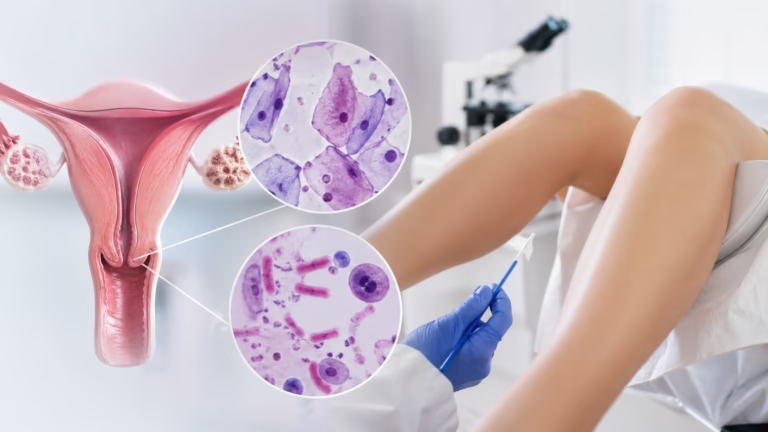
Diagnosing a yeast infection typically involves a healthcare provider conducting a physical examination and taking a medical history. In some cases, additional tests may be necessary, including:
- Vaginal Swab: A sample may be taken to identify the presence of Candida or other pathogens.
- Microscopic Examination: This can help differentiate between yeast infections and other conditions, such as bacterial vaginosis.
- Cultures: In certain situations, a culture may be performed to determine the specific strain of yeast involved.
Obtaining a proper diagnosis is crucial, as the treatment for yeast infections differs from that of bacterial infections. Self-diagnosing and treating without professional guidance can lead to complications and prolonged discomfort.
Treatment Options for Yeast Infections
Treatment for yeast infections can vary depending on the severity and location of the infection. Common options include:
- Over-the-Counter Antifungal Medications: These include creams, ointments, or suppositories like clotrimazole or miconazole, which can effectively treat mild to moderate infections.
- Prescription Antifungals: For recurrent or severe cases, healthcare providers may prescribe oral antifungal medications, such as fluconazole.
- Home Remedies: Some individuals find relief through natural remedies, such as probiotic-rich foods, garlic, or apple cider vinegar, although these should be approached with caution and discussed with a healthcare provider.
It’s essential to complete the full course of treatment as prescribed, even if symptoms improve before finishing the medication. Failure to do so can result in a recurrence of the infection.

Preventive Measures for Yeast Infections
While yeast infections can be common, there are several preventive measures individuals can take to reduce their risk. These include:
- Maintain Good Hygiene: Regularly washing and thoroughly drying areas prone to moisture can help prevent yeast growth.
- Wear Breathable Clothing: Choosing cotton underwear and loose-fitting clothing can help reduce moisture buildup.
- Limit Sugar Intake: A balanced diet low in sugar can help prevent yeast overgrowth, as yeast thrives on sugar.
- Use Antibiotics Judiciously: Only use antibiotics when necessary, and consult a healthcare provider about potential side effects.
- Consider Probiotics: Probiotics can help maintain healthy vaginal flora, which may reduce the risk of infections.
Incorporating these preventive measures into daily life can significantly decrease the likelihood of developing a yeast infection.

Understanding the Role of Diet in Yeast Infections
The Impact of Sugar on Yeast Growth
Diet plays a crucial role in the management of yeast infections. One of the most significant dietary components affecting yeast growth is sugar. Yeast, particularly Candida, thrives in high-sugar environments. When sugar is consumed, it can lead to an imbalance in the body’s natural flora, encouraging yeast overgrowth. This is particularly relevant for individuals who frequently consume sugary foods and beverages.
To minimize the risk of yeast infections, it is advisable to reduce the intake of refined sugars, which include:
- White sugar
- High-fructose corn syrup
- Processed foods with added sugars
Instead, focusing on whole foods with natural sugars, such as fruits, can help maintain a balanced microbiome. Additionally, incorporating complex carbohydrates can provide necessary energy without promoting yeast overgrowth.
Probiotics: Beneficial Bacteria for Balance
Probiotics are live bacteria that confer health benefits when consumed in adequate amounts. They play a vital role in maintaining a healthy gut and vaginal flora, which can help prevent yeast infections. Probiotics work by inhibiting the growth of harmful organisms, including Candida. Foods rich in probiotics include:
- Yogurt with live cultures
- Kefir
- Fermented vegetables like sauerkraut and kimchi
- Tempeh
In addition to dietary sources, probiotic supplements can be beneficial, especially for individuals with a history of recurrent yeast infections. Regular intake of probiotics can help restore balance to the microbiome and may even aid in the recovery process during active infections.
Avoiding Yeast-Containing Foods
In some cases, individuals may need to avoid foods that contain yeast, such as bread, beer, and certain fermented products. For those with recurrent yeast infections, a yeast-free diet can help alleviate symptoms and prevent future outbreaks. Some common foods to consider eliminating include:
- Breads and baked goods
- Beer and wine
- Processed foods that may contain yeast extracts
While this may sound restrictive, many delicious alternatives exist. Whole grains, gluten-free options, and legumes can provide essential nutrients without the risk of exacerbating yeast overgrowth.
Natural Remedies and Home Treatments for Yeast Infections
Herbal Remedies
Herbs have been used for centuries in the treatment of various ailments, including yeast infections. Certain herbs possess antifungal properties that can help combat Candida overgrowth. Some effective herbal remedies include:
- Garlic: Known for its antifungal properties, garlic can be consumed raw or taken in supplement form.
- Tea tree oil: This essential oil can be diluted in a carrier oil and used topically for its antifungal effects.
- Oregano oil: Rich in carvacrol, oregano oil can help inhibit yeast growth and can be taken as a supplement or used in cooking.
Before using any herbal remedy, it is essential to consult with a healthcare professional to ensure safety and effectiveness.
Topical Applications
Topical treatments can provide relief from the symptoms of yeast infections. While over-the-counter antifungal creams are commonly used, there are several natural options available. Coconut oil, for instance, is known for its antifungal properties and can be applied directly to the affected area. Other options include:
- Aloe vera: Its soothing properties can help alleviate itching and irritation.
- Apple cider vinegar: Diluted in water, it can be used as a rinse to restore pH balance.
When using topical applications, ensure that the area is clean and dry to maximize effectiveness. Discontinue use if irritation occurs and consult a healthcare provider if symptoms persist.
The Importance of Hydration
Staying adequately hydrated is crucial for overall health and can also play a role in managing yeast infections. Proper hydration helps maintain the body’s natural balance and aids in flushing out toxins that may contribute to yeast overgrowth. Additionally, drinking plenty of water can help alleviate some symptoms associated with yeast infections, such as discomfort and irritation.
To promote hydration, consider the following tips:
- Drink at least eight glasses of water daily.
- Incorporate hydrating foods into your diet, such as cucumbers, watermelon, and oranges.
- Avoid excessive caffeine and alcohol, as they can lead to dehydration.

Understanding the Psychological Impact of Yeast Infections
The Emotional Toll
Experiencing a yeast infection can have a significant emotional impact. The discomfort and embarrassment associated with symptoms can lead to feelings of anxiety, frustration, and even depression. Many individuals may feel isolated due to the stigma surrounding genital health issues, which can exacerbate these feelings. It is essential to acknowledge these emotional responses and seek support when needed.
Stress and Its Connection to Yeast Infections
Stress can contribute to the development of yeast infections in various ways. High-stress levels can weaken the immune system, making the body more susceptible to infections. Moreover, stress can lead to lifestyle choices that promote yeast overgrowth, such as poor diet and inadequate sleep. Therefore, managing stress is crucial for those prone to recurrent infections.
Some effective stress management techniques include:
- Meditation and mindfulness practices
- Regular physical activity
- Engaging in hobbies or activities that promote relaxation
Seeking Support
It is important to communicate openly with healthcare providers about yeast infections and any emotional distress associated with them. Support groups or counseling can also provide a space to share experiences and coping strategies. Building a strong support network can help alleviate feelings of isolation and promote overall well-being.
For more information, see CDC.
Frequently Asked Questions
What causes yeast infections?
Yeast infections are primarily caused by an overgrowth of the fungus Candida. Factors such as antibiotic use, hormonal changes, and weakened immune systems can contribute to this overgrowth.
Are yeast infections contagious?
Yeast infections are not classified as sexually transmitted infections, but they can sometimes be passed between partners. It is advisable to maintain good hygiene during sexual activity.
How can I treat a yeast infection at home?
Many over-the-counter antifungal treatments are effective. Additionally, some home remedies, like probiotic-rich foods and garlic, may provide relief, but always consult with a healthcare provider before trying them.
How can I prevent yeast infections?
Preventive measures include maintaining good hygiene, wearing breathable clothing, limiting sugar intake, and using antibiotics only when necessary.
The Bottom Line
Yeast infections are common and can cause significant discomfort, but they are manageable with proper knowledge and treatment. Being aware of the causes, symptoms, and preventive measures can empower individuals to take proactive steps for their health. If symptoms arise, seeking timely medical advice can lead to effective management and relief.
Was this page helpful?
Thanks for your feedback! What could we improve?
Thank you! Your feedback helps us improve our articles.
Medically reviewed by
Dr. Bernard ReynoldsPhysician with experience in patient care and preventive medicine, focused on early detection, disease prevention and long-term wellness.
True Impact Health articles are written by our editorial team and based on reliable sources such as public health agencies, clinical guidelines and peer-reviewed research. This article has been checked by a doctor on our review panel. Read our editorial process.
This content is for general information and is not a substitute for professional medical advice, diagnosis or treatment.