












Understanding Telehealth: What It Is, How It Works, and Its Pros and Cons
In recent years, the delivery of healthcare has undergone a significant transformation. Among the most impactful developments is telehealth—the use of...
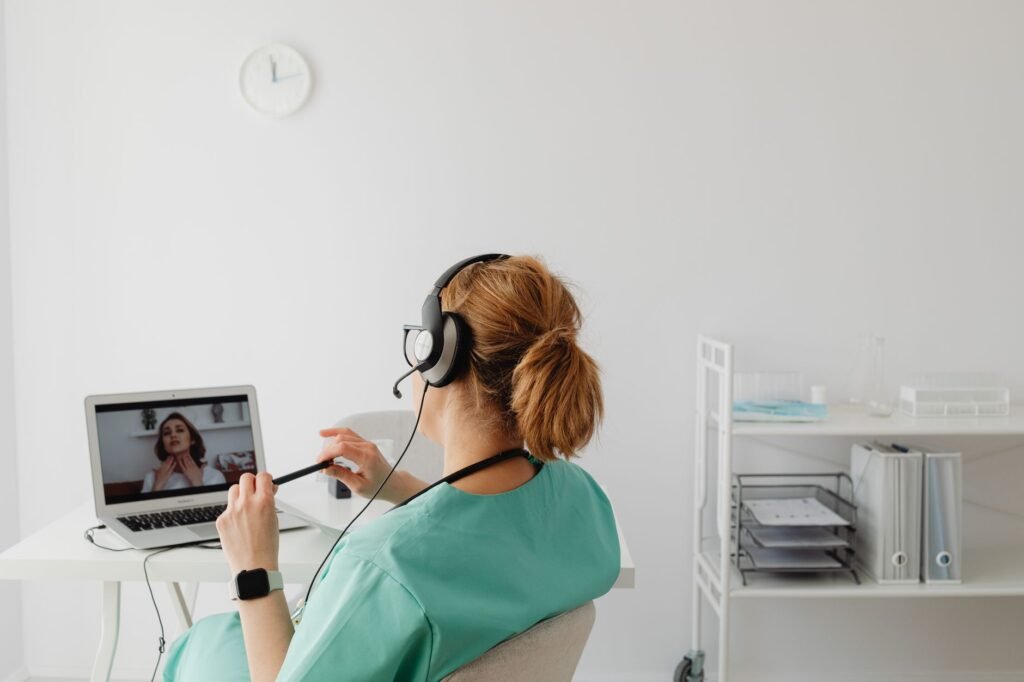
Table of Contents
In recent years, the delivery of healthcare has undergone a significant transformation. Among the most impactful developments is telehealth—the use of digital communication technologies to deliver medical services, health education, and patient care remotely. Whether you are consulting with a physician over a secure video call, messaging your care team through an online portal, or transmitting blood pressure readings from home, you are participating in telehealth.
- Telehealth is an umbrella term covering remote clinical and nonclinical services, while telemedicine refers specifically to remote clinical care.
- Three main telehealth modes are synchronous video or phone visits, asynchronous message exchanges, and remote patient monitoring devices.
- Telehealth improves access and convenience, reduces infection exposure, supports chronic disease management, and expands mental health service availability.
- Limitations include inability to perform hands on physical exams, technological barriers, diagnostic constraints, and variable insurance or licensing coverage.
- Telehealth suits routine follow up, mild ailments, and counseling, but not emergencies; seek immediate in person care for severe symptoms.
This article provides general consumer health information about virtual care options. It should not replace personalized advice from a qualified medical professional. Always consult your primary care provider regarding specific health concerns, symptoms, or treatment decisions.
What Is Telehealth?
It is helpful to clarify the distinction between telehealth and telemedicine, two terms that are frequently used interchangeably. Telemedicine specifically refers to remote clinical services, such as a real-time virtual doctor visit. Telehealth is a broader umbrella term that encompasses clinical telemedicine as well as non-clinical services, including healthcare provider training, administrative meetings, patient portal messaging, and remote health management tools.
According to educational resources from MedlinePlus, telehealth modernizes patient-provider interactions by bringing essential medical support directly into the patient’s home, workplace, or community. By leveraging everyday technologies like smartphones, tablets, and computers, telehealth makes receiving care more adaptable to modern schedules and geographic needs.
How Telehealth Works in Practice
Telehealth services are delivered through a variety of digital tools and communication channels designed to meet different clinical requirements. Depending on your situation and your provider’s platform, virtual care generally falls into three main categories:
- Synchronous Communication: Real-time interaction between a patient and a clinician. This typically takes the form of live video consultations, telephone calls, or secure audio-visual chats where you can discuss symptoms, review medical history, and receive treatment plans immediately.
- Asynchronous Communication: Non-real-time exchanges where health information is recorded and transmitted for evaluation at a later time. Common examples include submitting photos of a skin condition, sending secure text messages through a patient portal, or sharing diagnostic images with a specialist.
- Remote Patient Monitoring: The use of digital devices to track personal health data remotely. Monitoring tools may include internet-connected blood pressure cuffs, continuous glucose sensors, pulse oximeters, or heart rate monitors that automatically transmit metrics to your healthcare team for ongoing management.
The Primary Advantages of Telehealth
Telehealth offers numerous benefits that make healthcare more accessible, flexible, and efficient for millions of patients. Understanding these advantages can help you decide when a virtual visit might be the best choice for your routine care.
- Improved Accessibility: For individuals living in rural, remote, or medically underserved areas, virtual care eliminates long travel distances and provides access to medical specialists who might otherwise be unavailable locally.
- Greater Convenience and Time Savings: Virtual appointments significantly reduce the need for commuting, parking, and long waiting room stays. Patients can often fit a virtual visit into a busy workday or arrange care without needing extended time off or childcare support.
- Reduced Exposure to Contagious Illnesses: Seeking care from home minimizes exposure to infectious pathogens in public spaces or waiting rooms. This is particularly beneficial for immune-compromised individuals, older adults, and individuals with complex chronic health conditions.
- Enhanced Chronic Disease Management: Patients managing conditions like hypertension, diabetes, or heart disease benefit from frequent check-ins, remote tracking, and medication reviews without the physical burden of frequent travel.
- Expanded Access to Mental Health Services: Telehealth has expanded access to psychotherapy, psychiatry, and counseling, offering patients a comfortable and private setting in which to receive mental health care.
Potential Drawbacks and Limitations
While telehealth offers compelling advantages, it is not a complete substitute for traditional in-person care. It comes with important limitations that patients and healthcare providers must carefully consider.
- Inability to Perform Physical Examinations: A primary limitation of virtual care is that clinicians cannot perform hands-on physical exams. They cannot listen directly to heart and lung sounds with a stethoscope, palpate the abdomen, or perform physical maneuvers that require direct contact.
- Technological Barriers: Accessing telehealth requires reliable internet service, a compatible digital device, and basic digital literacy. Patients in lower-income households, rural areas with poor connectivity, or older age groups may face challenges using virtual platforms.
- Technical Glitches: Weak internet connections, audio delays, video freezing, or platform bugs can disrupt consultations, potentially leading to frustration or incomplete communication during an appointment.
- Diagnostic Limitations: Without physical testing or immediate access to point-of-care laboratory work and imaging, diagnostic options can be restricted, sometimes requiring a follow-up in-person visit.
- Insurance and Regulatory Coverage: Coverage policies, reimbursement rates, and state medical licensing rules vary, which can sometimes limit a patient’s ability to consult with providers across state lines or receive insurance coverage for certain virtual services.
What Telehealth Can and Cannot Treat
Knowing when to choose virtual care over an in-person appointment is essential for safe and effective care. Telehealth is highly effective for routine and low-acuity concerns, but severe or complex medical situations require physical evaluation.
Telehealth is generally well-suited for:
- Follow-up appointments and routine medication management reviews
- Ongoing chronic condition check-ins (such as reviewing blood sugar or blood pressure logs)
- Mild acute ailments, such as seasonal allergies, minor skin rashes, or mild cold symptoms
- Mental health therapy, behavioral counseling, and psychiatric evaluations
- Nutritional counseling, lifestyle coaching, and preventive care guidance
Conversely, telehealth is not suitable for medical emergencies or conditions requiring direct physical intervention. You should seek immediate in-person emergency care or call emergency services if you experience severe symptoms such as chest pain, sudden weakness or numbness, severe shortness of breath, major physical trauma, uncontrollable bleeding, or severe abdominal pain.
How to Prepare for Your Virtual Visit
A small amount of preparation can help ensure a smooth, productive, and comfortable telehealth appointment. Taking a few proactive steps helps you get the most value from your session with your healthcare provider.
- Test Your Technology Early: Check your internet connection, camera, microphone, and device battery power before the appointment. Download or update any necessary apps or patient portal software well in advance.
- Select a Private Space: Set up in a well-lit, quiet room where you feel comfortable discussing private medical details without interruption or background noise.
- Gather Health Information: Keep a list of your current prescription medications, over-the-counter drugs, supplements, and recent vital signs (such as temperature, weight, or blood pressure readings) nearby.
- Write Down Your Symptoms and Questions: Prepare a list of specific symptoms, when they started, and any questions you want to address so nothing is forgotten during the visit.
- Keep Note-Taking Tools Ready: Have a notepad and pen available to write down your provider’s instructions, treatment plans, and any necessary follow-up steps, such as pharmacy orders or lab tests.
Navigating Your Healthcare Choices
Telehealth represents a powerful and flexible addition to modern healthcare, bridging geographical barriers and bringing convenient care into everyday life. When used thoughtfully alongside traditional in-person medical care, virtual visits can empower you to take a proactive role in managing your health and wellness.
As digital health tools continue to improve, discussing your care preferences with your primary care provider is the best way to determine how telehealth can safely support your unique health goals. Remember that telehealth is designed to complement—not replace—a strong, continuous relationship with your healthcare team.
Was this page helpful?
Thanks for your feedback! What could we improve?
Thank you! Your feedback helps us improve our articles.
True Impact Health articles are written by our editorial team and based on reliable sources such as public health agencies, clinical guidelines and peer-reviewed research. This article has not yet been medically reviewed. Read our editorial process.
This content is for general information and is not a substitute for professional medical advice, diagnosis or treatment.