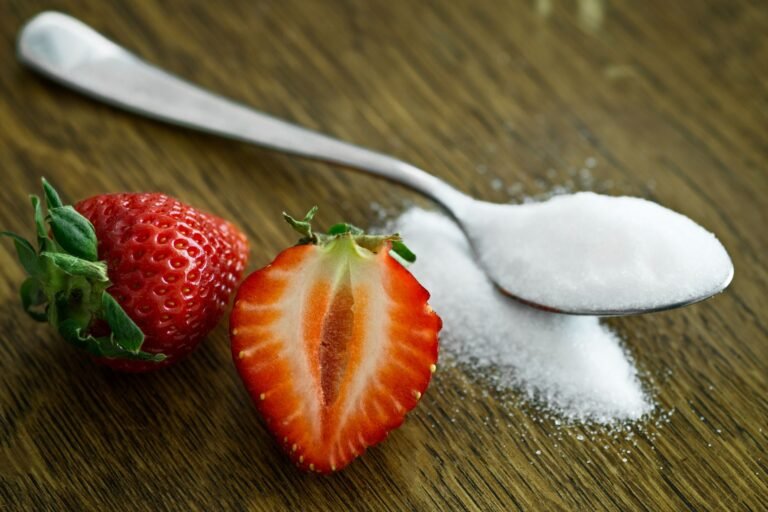
Low Sodium Diet: Practical Tips for Healthier Living
Explore the low sodium diet: its benefits, practical tips, and essential guidelines for healthier living.
By True Impact Health Editorial Team

Physician with experience in patient care and preventive medicine, focused on early detection, disease prevention and long-term wellness.
Reviewed this article on November 11, 2026.
View profile How we reviewUpdated on November 8, 2026 12 min read

Table of Contents
Key Takeaways
- A low sodium diet can help manage blood pressure.
- Cooking at home allows better control of sodium intake.
- Understanding food labels is crucial for a low sodium diet.
- Consulting a healthcare provider is recommended before making dietary changes.
A low sodium diet is increasingly recognized for its potential benefits, particularly for those with high blood pressure, heart disease, or certain kidney issues. By reducing sodium intake, individuals can improve their overall health and well-being. This article provides a comprehensive overview of what a low sodium diet entails, its benefits, practical tips for implementation, and common questions regarding this dietary approach.
Understanding sodium’s role in the body is crucial. Sodium is an essential mineral that helps regulate fluid balance, blood pressure, and nerve function. However, excessive sodium intake can lead to health complications, particularly in vulnerable populations. The typical American diet often exceeds the recommended daily allowance of sodium, which is about 2,300 milligrams for healthy adults, and 1,500 milligrams for those with hypertension or other health issues.
In the following sections, we will explore the core aspects of a low sodium diet, providing you with the knowledge to make informed choices about your eating habits.
Understanding Sodium and Its Health Impacts
Sodium is found naturally in many foods, but it is also added during processing. Common sources include table salt, processed foods, and condiments. High sodium consumption is linked to hypertension, heart disease, and stroke. The body generally requires a small amount of sodium to function correctly, but excess intake can lead to fluid retention, increased blood pressure, and strain on the cardiovascular system.
It’s important to note that not everyone reacts to sodium intake in the same way. Some individuals are more salt-sensitive than others, meaning their blood pressure can fluctuate more significantly in response to sodium changes. Understanding your own body’s response to sodium is key to managing your health effectively.
Reducing sodium can have immediate and long-term benefits. Studies show that even a modest reduction in sodium intake can lead to significant improvements in blood pressure and overall heart health. This is particularly important for individuals with existing health issues, such as chronic kidney disease or heart failure, where sodium management becomes critical.
Benefits of a Low Sodium Diet
Implementing a low sodium diet can yield numerous health benefits. Here are some of the most significant:
- Lower Blood Pressure: Reducing sodium intake can help lower blood pressure, decreasing the risk of heart disease and stroke.
- Improved Heart Health: A low sodium diet is beneficial for heart patients, as it helps reduce strain on the heart and arteries.
- Better Kidney Function: For individuals with kidney disease, a low sodium diet can help manage fluid balance and reduce further kidney damage.
- Weight Management: Foods lower in sodium are often more nutrient-dense and can aid in weight loss when combined with a balanced diet.
In addition to these health benefits, a low sodium diet encourages a focus on whole foods and fresh ingredients, promoting a healthier lifestyle overall. For instance, a person named Alex decided to transition to a low sodium diet after receiving advice from their doctor. By cooking more at home and using herbs and spices instead of salt, Alex not only improved their blood pressure but also discovered a love for cooking.
How to Reduce Sodium in Your Diet
Making the switch to a low sodium diet doesn’t have to be overwhelming. Here are practical steps to help you reduce sodium intake:
1. Cook at Home
Cooking at home gives you full control over what you eat. Here are some tips:
- Use fresh ingredients, which are often lower in sodium.
- Experiment with herbs, spices, lemon juice, and vinegar to add flavor without salt.
- Prepare meals in larger batches to save time and ensure healthier options are always available.
2. Read Food Labels
Many packaged foods contain hidden sodium. Understanding how to read labels can significantly reduce your sodium intake:
- Look for products labeled as “low sodium,” “reduced sodium,” or “no salt added.”
- Check the serving size and the sodium content per serving.
- Aim to choose foods with less than 140 milligrams of sodium per serving.
3. Choose Whole Foods
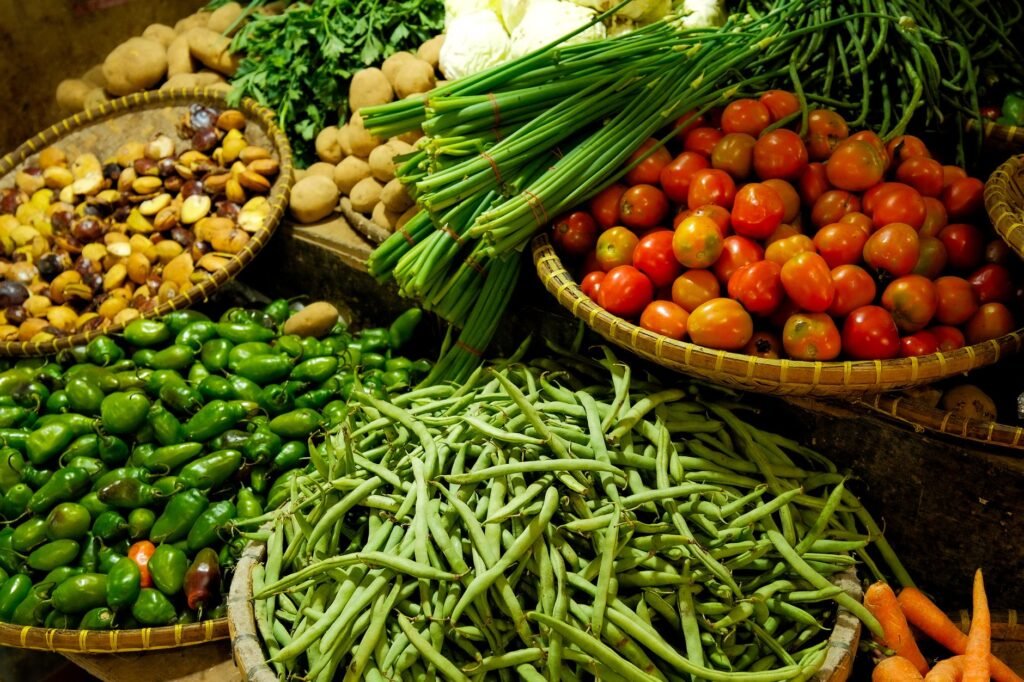
Whole foods like fruits, vegetables, whole grains, and lean proteins are typically lower in sodium. Incorporating these foods into your diet can help:
- Fresh fruits and vegetables are naturally low in sodium and high in nutrients.
- Opt for whole grains such as brown rice, quinoa, and whole wheat bread.
- Choose lean meats, poultry, and fish, and avoid processed varieties that often contain added sodium.

Common High-Sodium Foods to Avoid
Identifying high-sodium foods can help you make better choices. Below is a list of foods that are typically high in sodium and should be consumed in moderation or avoided:
- Processed and Packaged Foods: Items like frozen dinners, canned soups, and snack foods often contain added sodium for flavor and preservation.
- Condiments: Ketchup, soy sauce, salad dressings, and pickles can be high in sodium. Look for low-sodium alternatives.
- Meats: Processed meats such as bacon, deli meats, and sausages are loaded with sodium. Opt for fresh cuts instead.
- Cheese: Many cheeses are high in sodium. Consider using smaller amounts or low-sodium options.

Balancing Your Diet While Reducing Sodium
While focusing on a low sodium diet, it’s important to maintain a balanced intake of nutrients. Here are some ways to ensure a well-rounded diet:
1. Incorporate Potassium-Rich Foods
Potassium can help counteract the effects of sodium on blood pressure. Foods rich in potassium include:
- Bananas
- Sweet potatoes
- Spinach
- Beans
- Avocados
2. Focus on Fiber
High-fiber foods such as whole grains, fruits, and vegetables can promote heart health and aid digestion. Aim for:
- At least 25 grams of fiber per day for women and 38 grams for men.
- Include a variety of foods such as oats, beans, whole grain bread, and fresh produce.
3. Maintain Healthy Fats
Incorporate healthy fats into your diet, which can support heart health. Consider:
- Olive oil and avocado oil for cooking.
- Fatty fish like salmon and mackerel for their omega-3 content.
- Nuts and seeds as snacks or toppings.

Creative Cooking Strategies for a Low Sodium Diet
Herb and Spice Alternatives
One of the most effective ways to enhance flavor without adding sodium is to utilize herbs and spices. Fresh herbs like basil, cilantro, and parsley can elevate dishes in ways that salt cannot. Spices such as paprika, cumin, and turmeric also provide depth and complexity to meals. Experimenting with different combinations can lead to delicious discoveries that keep your meals exciting.
Consider making herb-infused oils or vinegars. For instance, steeping garlic or rosemary in olive oil can create a flavorful base for dressings or sautéing vegetables. Likewise, a splash of citrus juice can brighten a dish without the need for salt. Using these natural flavor enhancers not only helps you stay within your sodium limits but also adds nutritional value.
- Use fresh herbs like basil, mint, and dill.
- Incorporate spices such as black pepper, cinnamon, and cayenne for heat.
- Make homemade seasoning blends without salt.
Smart Grocery Shopping Tips
Navigating the grocery store can be challenging when aiming for a low sodium diet. Start by making a list of sodium-friendly foods to streamline your shopping experience. Focus on whole foods, such as fruits, vegetables, whole grains, and lean proteins, which are naturally low in sodium. When shopping for packaged goods, always check the nutrition labels. Look for items that contain less than 140 mg of sodium per serving, a guideline from the American Heart Association.
Another effective strategy is to shop the perimeter of the store, where fresh produce, meats, and dairy are typically located. This area usually contains less processed foods, which are often high in sodium. Additionally, consider purchasing items in bulk to save money, but ensure that these bulk items are low in sodium.
- Make a shopping list focused on whole foods.
- Check nutrition labels for sodium content.
- Shop the perimeter of the store for fresh items.
Meal Prep for Success
Meal prepping is a game-changer for maintaining a low sodium diet. By preparing meals in advance, you can control the ingredients and avoid high-sodium convenience foods. Start by choosing recipes that focus on whole, unprocessed ingredients. Cook large batches of grains, beans, and veggies that can be mixed and matched throughout the week.
Investing in good quality containers will help store your meals efficiently. Label each container with the meal name and date to keep track of freshness. Additionally, consider preparing snacks that are low in sodium, such as cut-up vegetables, hummus, or homemade energy bars. Having these on hand can help prevent reaching for high-sodium options when hunger strikes.
- Choose recipes that use whole, unprocessed ingredients.
- Cook in batches to save time during the week.
- Prepare low-sodium snacks for on-the-go eating.
Understanding Food Labels and Sodium Content
Decoding Nutrition Labels
Understanding how to read nutrition labels is crucial for managing sodium intake. The first step is to familiarize yourself with the terms used on these labels. Look for the sodium content listed in milligrams (mg) and pay attention to the serving size. Many times, the serving size is smaller than what you might typically consume, so the sodium per serving could be misleading.
Also, take note of the Percent Daily Value (%DV) for sodium, which helps you gauge how much of your daily intake is being met by that food. Remember that 5% DV or less is considered low sodium, while 20% DV or more is high. This knowledge can empower you to make better choices while shopping.
- Familiarize yourself with sodium content in mg.
- Pay attention to serving sizes on nutrition labels.
- Use %DV to determine if a food is low or high in sodium.
Common Sodium-Related Terminology
Food labels often contain terms that can be confusing. Knowing what these terms mean can aid in making healthier choices. For example, “sodium-free” means that a product contains less than 5 mg of sodium per serving. “Very low sodium” indicates that the item has 35 mg or less, while “low sodium” means it contains 140 mg or less.
Other terms to watch for include “reduced sodium,” which means the product has at least 25% less sodium than the regular version. “Light in sodium” may also appear, indicating that the product has 50% less sodium. These terms can help you identify options that align with your low sodium goals.
- Sodium-free: Less than 5 mg per serving.
- Very low sodium: 35 mg or less per serving.
- Reduced sodium: 25% less sodium than the original.
The Role of Potassium in a Low Sodium Diet
Incorporating potassium-rich foods can be beneficial while following a low sodium diet. Potassium helps to balance sodium levels in the body, which is essential for maintaining healthy blood pressure. Foods high in potassium include bananas, sweet potatoes, spinach, and avocados. Including these foods in your diet can help mitigate the effects of sodium and support overall cardiovascular health.
To maximize potassium intake, aim to include a variety of fruits and vegetables in your meals. Smoothies, salads, and stir-fries can be excellent ways to boost your potassium levels. Additionally, consider using potassium-based salt substitutes in moderation, but consult with a healthcare provider if you have any kidney issues or other health concerns.
- Include potassium-rich foods like bananas and spinach.
- Use fruits and vegetables in smoothies and salads.
- Consult a healthcare provider before using substitutes.
Building a Support System for Dietary Changes
Engaging Family and Friends
When adopting a low sodium diet, having support from family and friends can significantly impact your success. Start by sharing your dietary goals with those around you. Explain why reducing sodium is essential for your health, and encourage them to join you in making healthier food choices. This shared commitment can create a supportive environment that fosters accountability and motivation.
Consider cooking together or hosting low sodium meal prep sessions. This not only makes the task more enjoyable but also allows everyone to learn new recipes and cooking techniques. Sharing healthy meals with loved ones can help reinforce your commitment to a low sodium lifestyle.
- Share your dietary goals with family and friends.
- Encourage loved ones to join you in healthy eating.
- Host low sodium cooking sessions together.
Utilizing Online Resources and Communities
The internet is a treasure trove of information and support for those on a low sodium diet. Online communities, forums, and social media groups can provide encouragement and share tips or recipes. Websites dedicated to low sodium cooking often feature recipes, meal plans, and shopping guides that can simplify your journey.
Additionally, consider following nutritionists or health coaches on social media platforms for expert advice and inspiration. Many offer free resources, such as e-books or newsletters, that can keep you informed and motivated as you navigate your dietary changes.
- Join online communities focused on low sodium eating.
- Follow nutritionists for tips and recipes.
- Utilize websites that specialize in low sodium cooking.
Tracking Progress and Staying Motivated
Monitoring your progress can help you stay committed to your low sodium diet. Consider keeping a food diary to track your meals, sodium intake, and how you feel physically. This can provide valuable insight and help identify patterns that may need adjustment.
Setting realistic goals is also crucial for maintaining motivation. Rather than aiming for perfection, focus on gradual changes that can lead to lasting habits. Celebrate small victories, like successfully trying a new low sodium recipe or reducing sodium intake on a challenging day. These milestones can help reinforce your commitment and make the journey more enjoyable.
- Keep a food diary to track meals and sodium intake.
- Set realistic, achievable dietary goals.
- Celebrate small victories to maintain motivation.
For more information, see MedlinePlus.
Frequently Asked Questions
What is the recommended daily sodium intake?
The recommended daily sodium intake for healthy adults is about 2,300 milligrams, while those with hypertension or other health issues should aim for 1,500 milligrams or less.
Can a low sodium diet help with weight loss?
A low sodium diet often encourages the consumption of whole, nutrient-dense foods, which can lead to weight loss when combined with a balanced diet and regular physical activity.
Are there any risks associated with a low sodium diet?
While a low sodium diet can provide health benefits, excessively low sodium intake can lead to hyponatremia (low sodium levels in the blood). It’s essential to maintain a balanced approach and consult a healthcare provider if you have concerns.
How can I gradually reduce sodium in my diet?
Start by tracking your sodium intake, choosing low-sodium products, cooking at home, and gradually reducing the amount of salt you add to meals. This gradual approach can help your palate adjust over time.
The Bottom Line
A low sodium diet can significantly improve health outcomes, particularly for individuals with high blood pressure, heart disease, or kidney issues. By understanding sodium’s role, implementing practical tips for reducing intake, and focusing on balanced nutrition, you can make meaningful changes to your diet. Always consult with a healthcare provider before making significant dietary adjustments.
Was this page helpful?
Thanks for your feedback! What could we improve?
Thank you! Your feedback helps us improve our articles.
Medically reviewed by
Dr. Bernard ReynoldsPhysician with experience in patient care and preventive medicine, focused on early detection, disease prevention and long-term wellness.
True Impact Health articles are written by our editorial team and based on reliable sources such as public health agencies, clinical guidelines and peer-reviewed research. This article has been checked by a doctor on our review panel. Read our editorial process.
This content is for general information and is not a substitute for professional medical advice, diagnosis or treatment.