













How to Treat Dog Ear Infection Without Vet
Learn why treating a dog ear infection without a vet carries risks, which symptoms require urgent medical care, and how to safely clean canine ears.
By True Impact Health Editorial Team

Doctor of Veterinary Medicine (DVM) who reviews the pet and animal health articles on True Impact Health.
Reviewed this article on October 10, 2026.
View profile How we reviewUpdated on October 10, 2026 5 min read
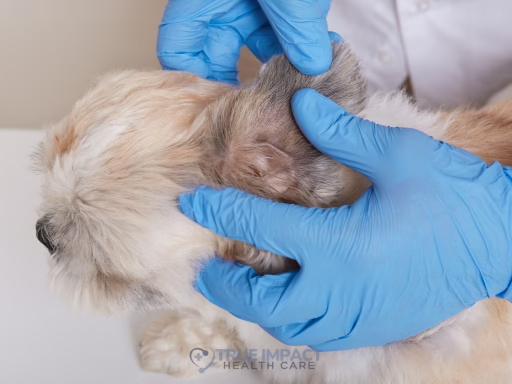
Table of Contents
Quick answer
True ear infections require veterinary diagnosis and targeted prescription medication to resolve safely. While gentle cleaning with a veterinary-approved ear wash can remove mild debris, home remedies cannot reliably cure established bacterial or yeast infections. Attempting to treat an unexamined ear at home risks damaging a ruptured eardrum and worsening deep-seated inflammation.
Introduction
Ear infections (otitis externa) are one of the most common issues dog owners face. They’re uncomfortable for your pup and, if left untreated, can lead to chronic pain or hearing loss. While a trip to the vet is often the safest route, mild ear infections can sometimes be managed at home, especially if you catch them early. In this post, we’ll walk you through safe, vet-approved home remedies, cleaning techniques, and preventative tips to help your dog find relief. Always remember: when in doubt, consult a professional.
Understanding Dog Ear Infections
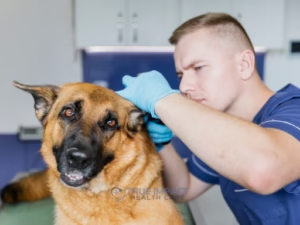
Dog ear infections occur when bacteria, yeast, or parasites overgrow in the ear canal. Contributing factors include:
• Moisture buildup (after swimming or bathing)
• Allergies (food or environmental)
• Ear mites and other parasites
• Excess hair or wax blocking airflow
Knowing the underlying cause can guide your treatment plan. For example, yeast-driven infections often require acidic cleansers, whereas bacterial infections may respond to gentle antiseptics.
Recognizing the Signs of an Ear Infection
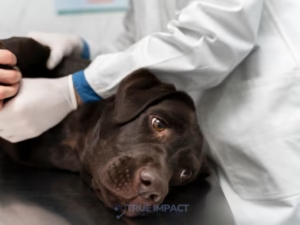 HEART FAILURE" width="599" height="449" srcset="https://trueimpacthealth.com/wp-content/uploads/2026/01/DOG-WITH-CONGESTIVE-HEART-FAILURE-300x225.avif 300w, https://trueimpacthealth.com/wp-content/uploads/2026/01/DOG-WITH-CONGESTIVE-HEART-FAILURE.avif 512w" sizes="(max-width: 599px) 100vw, 599px" />
Before you start any home treatment, confirm that your dog is showing typical infection symptoms:
• Frequent head shaking or tilting
• Excessive scratching at the ears
• Redness, swelling, or heat in the ear flap or canal
• Unpleasant odor or discharge (brown, yellow, or black)
• Pain when you touch the ear
If these signs are mild and your dog isn’t showing systemic symptoms (fever, lethargy, loss of appetite), you can proceed with at-home care. Severe or worsening signs warrant an immediate vet visit.
Preparing for Home Treatment
Gather these supplies before you begin:
• A gentle, vet-formulated ear cleanser or DIY solution (see below)
• Cotton balls or gauze pads
• A clean towel
• Gloves (optional, but can keep things sanitary)
• A quiet area where your dog feels safe
Tip: Have treats on hand to reward calm behavior and make the experience as stress-free as possible.
Step-by-Step: Cleaning Your Dog’s Ears
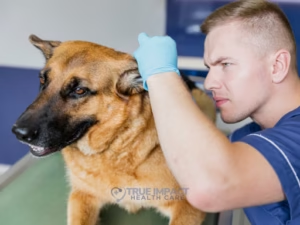
Calm and Restrain Gently
• Let your dog sniff the cleanser bottle.
• Wrap your pooch in a towel if they’re wriggly, leaving the head exposed.
Apply Cleaner
• Lift the ear flap and gently fill the canal with your chosen solution.
• Never insert the tip too deeply; just enough to reach the entrance of the canal.
Massage the Base of the Ear
• For 20–30 seconds, gently rub the base. You’ll hear a squishing sound, this means the cleanser is loosening debris.
Wipe Away Debris
• Let your dog shake their head (over a towel or outside).
• Use a cotton ball or gauze to wipe out loosened wax and discharge.
• Repeat until the cotton comes away clean.
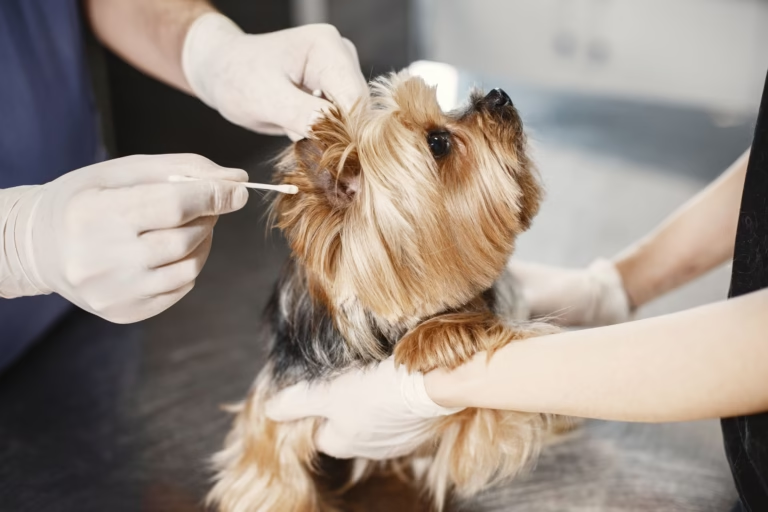
Warning: Avoid cotton swabs inside the ear canal, they can push debris deeper and damage delicate structures.
Natural and DIY Remedies
If you prefer natural alternatives, here are two DIY solutions known for their antimicrobial and soothing properties. Always patch-test first on healthy skin, and discontinue if irritation occurs.
• Apple Cider Vinegar Rinse (for bacterial infections):
– Mix equal parts apple cider vinegar (raw, unfiltered) and distilled water.
– The acidity helps curb bacterial growth.
• Coconut Oil Paste (for mild itch relief):
– Warm a teaspoon of virgin coconut oil until it’s liquid.
– Apply a small dab at the ear entrance.
Note: These remedies are supportive, not substitutes for vet-prescribed medication if your dog’s infection is severe.
When to Seek Professional Help
Home care is only appropriate for mild, early-stage infections. Contact your veterinarian if you notice:
• No improvement after 3–5 days of home treatment
• Intense pain, swelling, or heat in the ear
• Bloody discharge or sudden hearing loss
• Signs of systemic illness (fever, vomiting, extreme lethargy)
Prompt veterinary intervention can prevent complications like hematomas or deep-tissue infections.
Preventing Future Ear Infections
Consistency is key to keeping your pup’s ears healthy. Implement these habits:
• Routine Ear Checks: Inspect ears once a week for odor, redness, or wax buildup.
• Regular Cleaning: Use a gentle ear cleanser after swimming or heavy exercise.
• Trim Excess Hair: For breeds with hairy ear canals, keep the hair trimmed to improve airflow.
• Manage Underlying Allergies: Work with your vet on hypoallergenic diets or environmental controls.
• Keep Ears Dry: Thoroughly dry ears after baths or outdoor adventures, moisture is a breeding ground for microbes.
Conclusion
Treating a mild dog ear infection at home can be effective when done correctly and safely. A combination of regular monitoring, gentle cleaning, and natural remedies can bring relief and restore your pup’s comfort. However, keep a close eye on your dog’s progress, persistent or severe infections always deserve professional attention. With consistent care and smart prevention, you’ll minimize the risk of painful ear flare-ups and keep those ears wagging happily.
When to see a vet
- Severe pain, vocalisation, or aggression when the ear is touched
- Yellow, green, or bloody discharge flowing from the ear canal
- Loss of balance, head tilt, rapid eye movements, or walking in circles
- Swelling that closes the ear canal or a balloon-like swelling on the flap
- No noticeable improvement after 48 hours of gentle cleaning
If your pet collapses, struggles to breathe or is in severe pain, contact an emergency vet straight away.
Frequently asked questions
Why is it dangerous to put home remedies into an infected ear?
Severe infections can rupture the delicate tympanic membrane, or eardrum. If substances like vinegar, alcohol, or non-approved drops pass through a torn eardrum into the middle ear, they can cause permanent hearing loss, intense pain, and nerve damage. A vet must inspect the eardrum first.
Can human over-the-counter ear drops be used on dogs?
No, human ear drops should not be used on dogs without specific professional instruction. Many human formulations contain ingredients that can be toxic to canine ear structures. Additionally, human drops rarely contain the correct combination of antifungal and antibacterial agents needed for canine ear anatomy.
How does a veterinarian determine the right treatment?
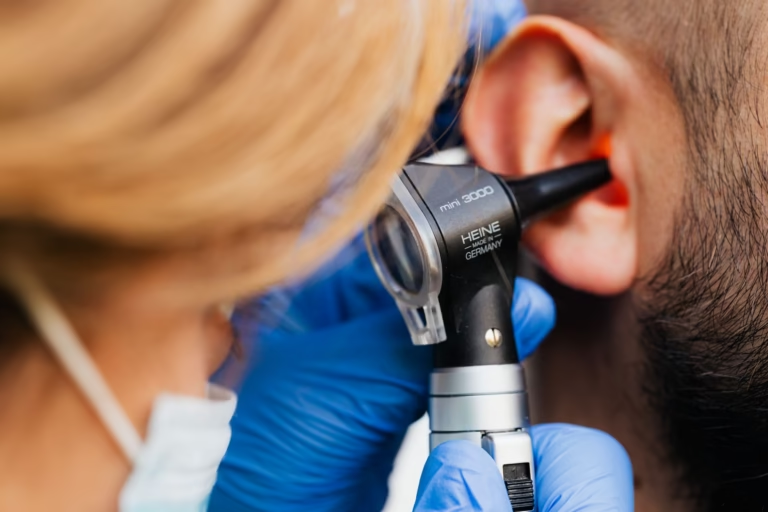
A veterinarian performs an otoscopic examination to inspect the ear canal and eardrum. They typically swab the discharge for cytology, looking under a microscope to identify whether the infection is caused by bacteria, yeast, or mites. This ensures the prescribed medication directly targets the specific organism.
Can a dog ear infection clear up on its own?
Ear infections rarely resolve without targeted intervention. The canine ear canal is deep and shaped like an 'L', which traps moisture and warmth. Without proper medical treatment, minor microbial overgrowth usually multiplies, spreading deeper into the middle or inner ear and causing chronic complications.
Was this page helpful?
Thanks for your feedback! What could we improve?
Thank you! Your feedback helps us improve our articles.
Veterinary reviewed by
Dr. Hannah Silvanus, DVMDoctor of Veterinary Medicine (DVM) who reviews the pet and animal health articles on True Impact Health.
True Impact Health articles are written by our editorial team and based on reliable sources such as public health agencies, clinical guidelines and peer-reviewed research. This article has been checked by a veterinarian on our review panel. Read our editorial process.
This content is for general information and is not a substitute for professional medical advice, diagnosis or treatment.