
Introduction
Mange is one of the most common skin conditions affecting dogs and can be both uncomfortable for pets and concerning for owners. The condition occurs when microscopic mites invade the skin, causing irritation, inflammation, itching, and hair loss. Depending on the type of mange involved, the infestation may spread rapidly, cause significant discomfort, and even lead to secondary skin infections if left untreated.
Many dog owners first notice signs of mange when their pet begins scratching excessively, develops patches of missing fur, or shows redness and irritation on the skin. While severe or widespread cases require veterinary intervention, mild cases can often be managed at home with proper care, hygiene, nutritional support, and veterinarian-approved treatments.
Understanding the causes of mange, recognizing symptoms early, and implementing a consistent treatment plan can significantly improve your dog’s comfort and recovery. This guide explains everything you need to know about treating mange at home, supporting your dog’s healing process, and preventing future infestations.
Understanding Mange in Dogs
Mange is a skin disease caused by microscopic mites that live on or within a dog’s skin. While small numbers of certain mites may naturally exist on healthy dogs without causing problems, an overgrowth or infestation can lead to significant skin irritation and disease.
There are two primary forms of mange that affect dogs.
Sarcoptic Mange
Sarcoptic mange, often referred to as canine scabies, is caused by the mite Sarcoptes scabiei. This form of mange is highly contagious and can spread rapidly between dogs through direct contact. In some cases, it can also temporarily affect humans, causing itchy skin rashes.
Dogs with sarcoptic mange usually experience intense itching and discomfort. The condition often begins around the ears, elbows, chest, abdomen, and legs before spreading to other parts of the body.
Because of its contagious nature, early diagnosis and treatment are particularly important.
Demodectic Mange
Demodectic mange is caused by Demodex mites, which normally live within hair follicles. Healthy dogs typically keep these mites under control through their immune system.
However, puppies, elderly dogs, or dogs with weakened immune systems may develop an overgrowth of these mites, leading to demodectic mange.
Unlike sarcoptic mange, demodectic mange is generally not contagious. It often appears as localized patches of hair loss but may become generalized and more serious if the immune system cannot control the infestation.
Why Early Treatment Is Important
Treating mange promptly can prevent many complications.
Continuous scratching and biting of the skin can create open wounds that allow bacteria and fungi to enter. Secondary infections can significantly worsen the condition and prolong recovery.
Early treatment also helps relieve discomfort, reduce inflammation, minimize hair loss, and prevent the spread of contagious mites to other pets.
Additionally, addressing mange before it becomes severe often leads to faster healing and reduces the need for more aggressive medical interventions.
Recognizing the Symptoms of Mange
Identifying mange in its early stages greatly improves treatment success.
One of the most common symptoms is intense itching. Dogs may scratch, bite, lick, or rub themselves against furniture, walls, or the floor in an attempt to relieve discomfort.
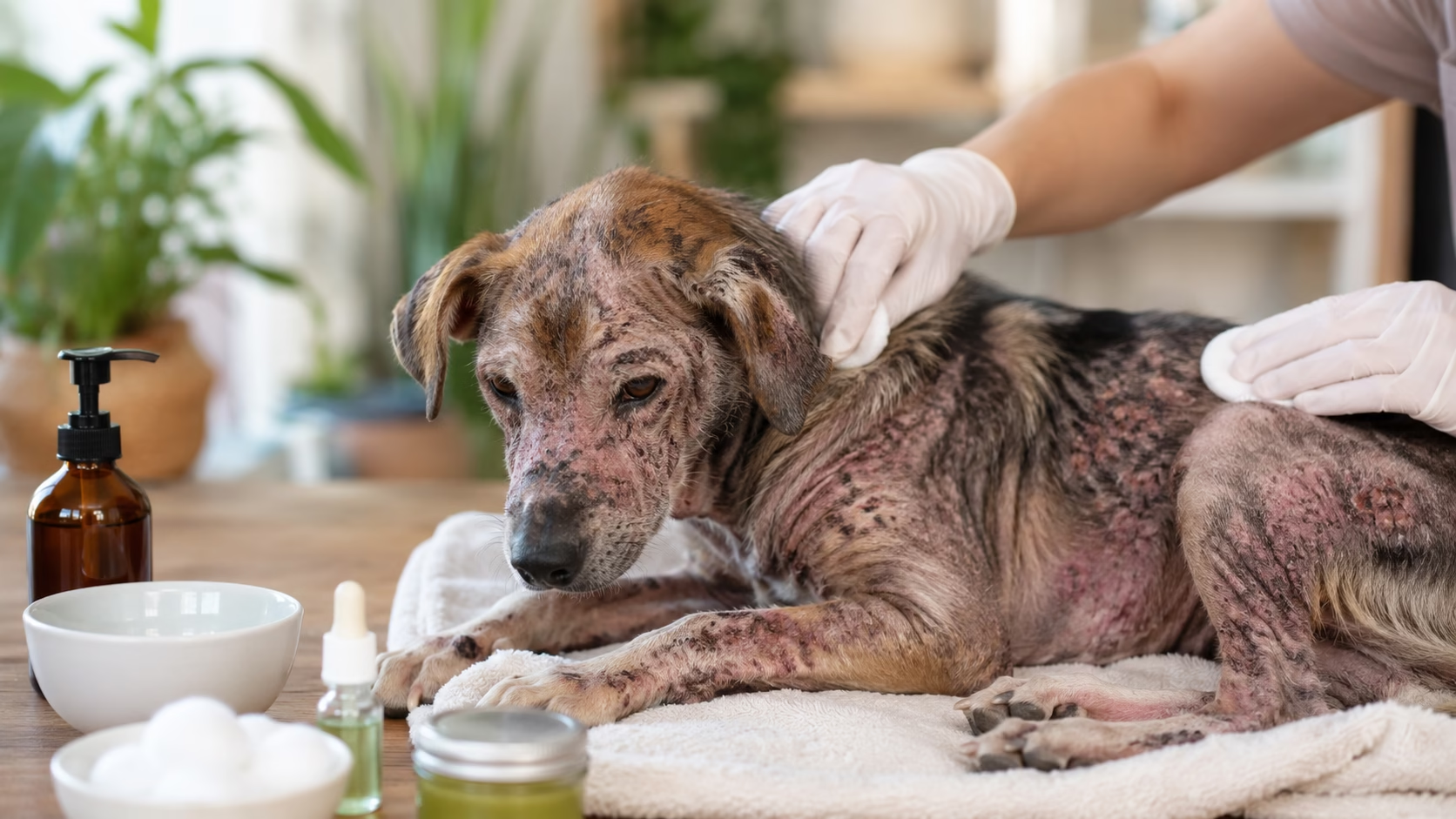
Hair loss frequently develops in affected areas. Bald patches often appear around the ears, face, eyes, elbows, chest, and legs. As the infestation progresses, larger portions of the body may become affected.
Red, inflamed skin is another common sign. The skin may appear irritated, swollen, or sensitive to touch. In some cases, crusts, scabs, or thickened skin may develop.
Dogs with mange may also exhibit flaky skin that resembles severe dandruff. Some animals develop a strong odor due to secondary infections or excessive skin oil production.
Behavioral changes can occur as well. Dogs suffering from severe itching often become restless, irritable, or have difficulty sleeping.
Because these symptoms can resemble allergies, fungal infections, or other skin disorders, veterinary confirmation through skin scrapings or microscopic examination is recommended before beginning treatment.
Home Treatment for Mange
Once mange has been confirmed and your veterinarian agrees that home treatment is appropriate, a consistent care routine can help your dog recover.
Gentle Cleansing Baths
Regular medicated bathing is one of the most effective ways to reduce mite populations and improve skin health.
Veterinarian-approved shampoos containing ingredients such as benzoyl peroxide or lime sulfur are commonly recommended for dogs with mange. These products help cleanse the skin, remove debris, open hair follicles, and reduce mite numbers.
When bathing your dog, thoroughly wet the coat and apply the shampoo according to the manufacturer’s instructions. Allow the product to remain on the skin for the recommended amount of time before rinsing.
Bathing is typically performed once every five to seven days, although your veterinarian may recommend a different schedule depending on the severity of the condition.
After bathing, ensure your dog is completely dry and kept warm.
Coconut Oil Application
Coconut oil is frequently used as a supportive treatment because of its moisturizing and antimicrobial properties.
Applying a thin layer of virgin coconut oil to dry, flaky, or irritated areas may help soothe the skin and reduce discomfort. Coconut oil can also help soften scabs and improve overall skin condition.
Because dogs often lick treated areas, only small amounts should be applied. Excessive ingestion may lead to digestive upset.
Although coconut oil may provide relief, it should not be viewed as a substitute for appropriate anti-mite treatment.
Apple Cider Vinegar Solution
Some pet owners use diluted apple cider vinegar as a natural skin rinse.
A mixture of equal parts apple cider vinegar and water can be lightly sprayed onto intact skin. The acidic environment may help discourage bacterial growth and reduce itching.
However, this solution should never be applied to open wounds, bleeding sores, or severely inflamed skin, as it can cause pain and irritation.
Always test a small area first and discontinue use if your dog shows signs of discomfort.
Nutritional Support for Recovery
A healthy immune system plays a critical role in controlling mange, particularly in cases of demodectic mange.
Providing a high-quality diet rich in animal protein supports tissue repair and immune function. Dogs recovering from mange often benefit from premium foods that contain balanced levels of vitamins, minerals, and essential fatty acids.
Omega-3 fatty acids from fish oil supplements may help reduce inflammation and promote healthier skin and coat growth. These fatty acids can also support overall immune function.
Probiotics may contribute to improved gut health, which is closely linked to immune system performance. Many veterinarians recommend probiotic supplements as part of a comprehensive recovery plan.
Fresh water should always be available to maintain hydration and support overall health.
Environmental Cleaning and Hygiene
Environmental sanitation is especially important when treating sarcoptic mange because the mites can survive temporarily in the surroundings.
Wash bedding, blankets, clothing, and soft toys in hot water at least once each week. Frequent laundering helps eliminate mites and reduces the risk of reinfestation.
Vacuum carpets, furniture, and flooring regularly to remove shed skin cells and potential mite contamination.
Hard surfaces should be cleaned using pet-safe disinfectants.
Dogs with sarcoptic mange should be separated from other pets until treatment is complete and your veterinarian confirms that the infestation has resolved.
Maintaining a clean environment supports recovery and helps protect other animals in the household.
Over-the-Counter Treatments
Several over-the-counter products are available to assist with mange management.
Spot-on parasite treatments containing ingredients such as selamectin or moxidectin are commonly used to control mites. These products should only be used according to label instructions and after consulting a veterinarian.
Some anti-parasitic collars may provide additional protection against certain mites and external parasites.
It is important to remember that not all products are appropriate for every dog. Factors such as age, breed, weight, health status, and type of mange must be considered before selecting treatment.
Never use livestock or agricultural parasite products on dogs unless specifically directed by a veterinarian.
Monitoring Your Dog’s Progress
Recovery from mange often takes several weeks and requires patience.
Keeping a weekly photo journal can help you objectively assess improvements in skin condition and hair regrowth. Comparing photographs over time often reveals progress that may not be obvious on a daily basis.
Monitor itching levels, skin redness, scab formation, and new hair growth. Gradual reductions in scratching and inflammation typically indicate successful treatment.
Regular veterinary follow-up visits may be necessary to evaluate response to treatment and determine when therapy can be discontinued.
If symptoms worsen, spread to new areas, or fail to improve after several weeks, professional reassessment is essential.
Preventing Future Mange Outbreaks
Preventing recurrence begins with maintaining your dog’s overall health.
Regular grooming allows early detection of skin abnormalities and helps maintain coat health. Routine parasite prevention products can reduce the risk of future infestations.
Providing balanced nutrition, maintaining a healthy weight, and minimizing stress help support immune system function. Dogs with strong immune systems are generally better equipped to control mite populations naturally.
Routine veterinary examinations can identify underlying medical conditions that may increase susceptibility to mange.
Dogs that have experienced demodectic mange may require ongoing monitoring, particularly if they have underlying immune deficiencies.
When to Seek Veterinary Care Immediately
While mild mange can often be managed at home, certain situations require prompt veterinary attention.
Seek professional care if your dog develops widespread hair loss, severe skin inflammation, bleeding sores, or pus-filled lesions. These signs may indicate secondary bacterial infections requiring prescription medication.
Veterinary evaluation is also necessary if your dog becomes lethargic, develops a fever, loses appetite, or experiences rapid worsening of symptoms.
Dogs that do not show noticeable improvement within three to four weeks of treatment should be reexamined to ensure the diagnosis is correct and treatment is appropriate.
Severe generalized demodectic mange almost always requires professional medical management.
Conclusion
Mange can be an uncomfortable and frustrating condition for both dogs and their owners, but early intervention and consistent care can significantly improve outcomes. Understanding the type of mange involved, maintaining excellent hygiene, providing proper nutrition, and using veterinarian-approved treatments form the foundation of successful home management.
Regular medicated baths, supportive skin care, environmental cleaning, and immune system support can help relieve symptoms and promote healing. However, owners should remain vigilant for signs of worsening disease or secondary infections that require veterinary intervention.
With patience, consistency, and close monitoring, most dogs can recover successfully from mange and regain a healthy, comfortable coat. By acting quickly and following a comprehensive treatment plan, you can help your dog return to an active, happy, and itch-free life.
Disclaimer
This article is for educational purposes only and does not replace professional medical advice, diagnosis, or treatment. Seizures, severe headache, confusion, visual changes, or blood pressure readings in the hypertensive crisis range require urgent medical evaluation.